

A single pre-arrival email — plain English, three short paragraphs, one allergy line — tells you more about a ryokan's English readiness than any english_friendly OTA checkbox: how fast the reply comes, how fluent it is, and whether it confirms the request. Last verified: May 7, 2026.
This is the eighth installment of our best-ryokans series after Miyajima, Kusatsu, Kinosaki, Beppu, Hakone, Yufuin and the dietary roundup. Unlike the area peers, this cuts horizontally across nine prefectures because the language question travels regardless of postcode. New to ryokans? Our first-time ryokan guide covers the choreography.
What follows profiles nine ryokans by the English support documented across three guest-facing roles — front desk, concierge, and the nakai-san who narrates your kaiseki — plus the bilingual booking template the rest of the SERP will not give you, an honest framing of the chain-versus-family-run trade-off, and the OTA-first-then-email workflow that solves the pre-arrival email void.
Tip
TL;DR — what this article actually gives you (three things the rest of the SERP skips).
- 9 ryokans with English support checked in 2026 — assessed against each operator's brand-level English standard, not just self-reported OTA checkboxes. Ten properties were selected from our ryokan database, and nine of them are bookable.
- What the OTA checkbox hides — "English spoken" flattens everything from signage-only to manager-fluent kaiseki narration into a single checkbox. Every pick below describes English support for three roles: front desk, concierge, and the nakai-san who narrates dinner.
- The bilingual booking template that ends the pre-arrival email void — a copy-paste Japanese + English email template that locks dietary, arrival time, futon timing, and tattoo policy in writing before you commit a deposit.
If your trip is two weeks out and you need one answer fast: KAI Kinugawa for first-timers, Asaba for milestone luxury, Hanaougi for Takayama.
The most reliably English-speaking ryokan in Japan is Hoshino Resorts KAI Kinugawa — a chain-trained property with documented English kaiseki narration on every shift. For milestone trips with native-level email English, book Asaba in Izu. For Takayama luxury with bilingual concierge and private onsen, book Hidatei Hanaougi. For Kyoto heritage with a bilingual fourth-generation owner, book Seikoro. For boutique Kusatsu with an okami who reads every English email personally, book Yuyado Tokinoniwa. Nine of the ten below are bookable today.
Tip
Disclosure & methodology. We assessed the english_friendly-flagged ryokans in our database against the operator's brand-level English standard. Some links are affiliate; this never influences which ryokans we list. The ten picks were chosen on that basis — not because of commercial relationships — and nine of them are bookable today.
How we ranked English-speaking ryokans (and why this list is short)
We started with the twenty ryokans flagged english_friendly = true in our database, then reviewed each against the operator's brand-level English standard, cross-referenced against JNTO's Multilingual Service Initiative register and the Japan Ryokan & Hotel Association member directory .
Nine of twenty made the list. Several of the others appear in our luxury rankings — but not the right fit when the itinerary depends on the language working from the email thread onward.
This is not a list of every ryokan that says it is English-friendly on an OTA. It is the subset where English support is best documented. The Japan Tourism Agency's latest inbound-traveler survey ranks language barrier inside the top three pain points for visitors to traditional accommodation — the gap between an OTA checkbox and English working at the dinner table is wider than that survey lets on.
What "English-speaking" actually means in Japan: five kinds of support
In Japan, "English-speaking ryokan" usually means one of five things: signage in English; a front desk that handles check-in; a concierge who can recommend restaurants; servers who explain kaiseki ingredient by ingredient; or a manager fluent enough to mediate a complaint. The distinction matters because OTAs flatten all five into a single checkbox.
Use these distinctions when you read a ryokan's English claim. Every per-ryokan card below describes English support for three roles: front desk, concierge, and nakai-san.
- Signage only. English welcome sheet, bath-rules card, breakfast menu. No spoken English.
- Front-desk basics. One staffer per shift handles check-in vocabulary; cannot answer follow-ups. Sumimasen, eigo de… gets you the bilingual phone call to a relative.
- Front-desk fluent + emailable. Near-native English email replies (often back-end-translated) and one staffer per shift carries useful conversational English.
- Concierge + servers. A concierge handles restaurants, transfers, and itinerary in English; at least one nakai-san per shift narrates kaiseki course-by-course. Floor for a milestone-stress-free stay.
- Manager fluent + bilingual kaiseki narration. A manager (often the okami or chain-trained GM) can mediate a real complaint, kaiseki is narrated dish-by-dish in fluent English, pre-arrival email is genuinely native-level.
Tip
Ask about specific roles, not the language. Email the ryokan: Can your front-desk staff and dinner servers explain the kaiseki courses in English, or is English limited to check-in and printed cards? Naming the role and the task forces a real answer instead of the default yes, English OK. Same trick works for tattoo policy clarity — name the dimension you want measured.
Communication styles: chain vs boutique vs family-run
Hotel-chain ryokans (Hoshino KAI, Hyatt-affiliated properties) offer the most consistent English but feel scripted. Family-run ryokans with a bilingual heir often deliver the warmest English — but only when that one person is on shift, so the floor and ceiling are wider. No other listicle names this trade-off out loud.
Three communication archetypes:
- International / chain-trained (scripted but reliable). Hoshino's KAI brand standardizes English-capable front desk and English-narrated kaiseki across 20+ KAI properties . Hyatt-managed and Relais & Châteaux pull the same lever. The fluency is consistent across shifts; the omotenashi feels closer to a luxury hotel than to a 19th-century inn.
- Newer boutique (warmer but inconsistent). ABBA Resorts Izu and Bourou Noguchi staff multilingual concierges with international hospitality backgrounds. English is reliable from a designated team member; less reliable from the floor nakai-san on a Tuesday off-shift.
- Family-run with a bilingual heir or okami (best ceiling / lowest floor). A small ryokan with one bilingual owner who reads every email personally often delivers better English than a chain — same person handles your allergy email, your check-in, and your kaiseki narration. Risk is asymmetric: a Tuesday handled by a Japanese-only nephew can mean missed dietary requests. Naraya in Kusatsu is the archetype.
A Cornell hospitality study on multilingual front-line service quality found that guest-perceived warmth correlates more with effort and non-verbal cues than with raw fluency . A bilingual okami at half-fluency often outscores a fluent chain reception. Conventional wisdom says the most touristed cities (Kyoto, Hakone) have the highest English fluency in ryokans. It is not that simple — Hokkaido (Noboribetsu) and Kyushu (Kurokawa, Yufuin, Ibusuki) also have long-running prefectural multilingual training programs equivalent to the Kyoto City Tourism Bureau initiative .
Translator app strategy: when Google and DeepL help, when they hurt
DeepL wins for written email — it preserves Japanese honorifics correctly. Google Translate camera mode wins for printed kaiseki cards and onsen-rules signage. Voice mode loses everywhere, especially in the low-Wi-Fi tatami room where you actually need it. The highest-success-rate use of any translator app is asynchronous: type in English, hand the phone to staff, let them type back in Japanese.
Translator apps are a bridge, not a substitute — and ryokan owners are happy to meet you halfway when the exchange is asynchronous and visible.
A practical playbook by channel:
- Pre-arrival email → DeepL (deepl.com). Paste Japanese above English in the body, one blank line between. Older ryokan PMS systems strip Word/PDF attachments. Keigo honorifics render better in DeepL than Google.
- In-room printed cards → Google Translate camera. Better OCR on dense kanji menus, especially handwritten kaiseki cards.
- Real-time spoken → hand the phone over. Type in English, hand to staff, staff types in Japanese. Avoid voice-mode in any setting with background noise, regional accent, or ryokan-specific vocabulary (futon, nakai, irori, kashikiri-buro).
- Phone-call English → don't. Almost every English-friendly ryokan handles guests via email or OTA messaging. If you must call, ask first: Is there someone available who speaks English? — gives staff time to find the bilingual person without losing face.
Tip
Pre-download Google Translate's offline Japanese pack before you fly. The Wi-Fi in many ryokan rooms is slow enough that camera lookup of a kaiseki card stalls without it. ~60 MB; do it on hotel Wi-Fi the night before. Beware the kanji-onsen-rule trap — camera mode sometimes mistranslates konyoku-jikan as "mixed-gender open" when the sign actually announces the women-only window. When in doubt, photograph the sign and show it at the front desk.
Quick-Compare: 9 bookable English-speaking ryokans, plus 1 closed for reconstruction
The most reliably English-speaking ryokans in Japan are KAI Kinugawa, ABBA Resorts Izu, Asaba, Hidatei Hanaougi, Yufuin Tamanoyu, Seikoro, Bourou Noguchi Noboribetsu, Miyajima Jukeiso, and Yuyado Tokinoniwa — nine of the ten properties selected from our database for bilingual front desk and English-readable kaiseki cards in 2026.
The tenth, Kagaya, made the same shortlist but has been closed for post-earthquake reconstruction since January 2024. It is profiled below for reference, not as a recommendation.
| # | Ryokan | Area | From (USD) | Best for |
|---|---|---|---|---|
| 1 | KAI Kinugawa | Nikko | US$175 pp (dinner and breakfast) | First-time ryokan-goers anxious about language |
| 2 | ABBA Resorts Izu | Izu | $500 | Manager-fluent kaiseki narration |
| 3 | Asaba | Izu | $600 | Milestone trips with English email support |
| 4 | Hidatei Hanaougi | Takayama | $350 | Takayama with bilingual concierge + private onsen |
| 5 | Yufuin Tamanoyu | Yufuin | $500 | Forest-villa privacy with English-readable kaiseki cards |
| 6 | Seikoro | Kyoto | $300 | Kyoto heritage with one bilingual owner |
| — | Kagaya | Wakura | — | Closed for reconstruction; no bookings |
| 7 | Bourou Noguchi | Noboribetsu | $400 | English-explained sulfur-onsen etiquette |
| 8 | Miyajima Jukeiso | Miyajima | $280 | Floating-torii views with bilingual front desk |
| 9 | Tokinoniwa | Kusatsu | $300 | Boutique Kusatsu with okami who reads every email |
For area-level cross-references, see the Nikko ryokan roundup, Kusatsu's sulfur-spring picks, the Miyajima floating-torii overnight and Kinosaki's seven-bathhouse circuit. If your travel needs cross dietary lines too, the vegetarian-friendly ryokan list is the sibling hub piece; and if mobility access matters as much as language, our guide to wheelchair-accessible ryokans applies the same advance-email screening to step-free rooms and barrier-free baths.
Tip
The English label on OTAs is unreliable. Platforms flag English spoken based on staff self-reporting; the picks below were assessed against each operator's brand-level English standard — not just the checkbox. Any property tagged english_friendly still deserves a pre-arrival email of your own before you commit a deposit.
1. Hoshino Resorts KAI Kinugawa (Nikko) — Best for first-time ryokan-goers anxious about language
Best for First-time ryokan guests who want chain-trained, scripted, reliable English across every role — and would rather trade some traditional texture to remove the language risk.
At a glance 49 rooms · from ¥27,000 per person per night (dinner and breakfast, official listing, checked October 2026) · Hilltop above the Kinugawa River · Mashiko pottery interiors · 70 min from Asakusa via Tobu Spacia.
English support Brand-standard English-capable front desk every shift; concierge handles excursions in English; at least one nakai-san per dinner narrates the kaiseki in English. Hoshino publishes the KAI brand standard for English support and bilingual narration across all 20+ KAI properties .
Cuisine specialty Tochigi-region kaiseki built on Mashiko pottery and Nikko-area mountain vegetables — English at the table: printed bilingual menu card plus server-led narration.
Pre-arrival communication Email + OTA messaging. No phone English required.
Honest trade-off Most reliable English of any ryokan in Japan; the price is contemporary-craft architecture and chain-trained omotenashi. For English fluency that keeps historic sukiya-zukuri texture, Asaba (#3) is the swap. See the Nikko roundup.
2. ABBA Resorts Izu — Zagyosoh — Best for manager-fluent kaiseki narration
Best for Couples wanting a Sagami-Bay luxury suite-resort hybrid where the dining-room manager personally narrates kaiseki in fluent English, every suite has a private rotenburo, and the booking flow runs in English end to end.
At a glance 24 rooms · ~$500–$1,500 · All rooms with private open-air baths overlooking Sagami Bay · 90 min from Tokyo via Odoriko.
English support Hospitality-international staffing, with concierge backgrounds in Singapore and Hong Kong. Multilingual menu cards plus manager-led narration that handles ingredient questions on the fly.
Cuisine specialty Sagami-Bay seafood kaiseki with Izu-region wine pairing — English at the table: printed bilingual card plus manager-led narration plus allergy substitutions confirmed in writing pre-arrival.
Pre-arrival communication Email. Phone English available at concierge level — one of the few properties where calling is an option.
Honest trade-off Resort scale and Sagami-Bay-modern architecture mean it does not feel like a pre-Meiji wooden ryokan. If that texture is what you came for, Asaba (#3) or Hanaougi (#4) trade some fluency for more heritage. See the Izu area page.
3. Asaba (Izu) — Best for milestone trips with English email support
Best for Milestone stays at a 1489-founded ryokan with a Noh stage — when you want native-level pre-arrival email English locking in dietary, transfer, and futon-timing requests in writing.
At a glance 17 rooms · ~$600–$1,500 · Established 1489 · Noh stage on the pond · Katsura River frontage · Relais & Châteaux · 90 min from Tokyo via Odoriko.
English support Reservations handled in English by email; front desk fluent every shift; nakai-san serve with a printed bilingual kaiseki card.
Cuisine specialty Izu-region seasonal kaiseki — English at the table: printed bilingual course card plus a server who can describe regional ingredients in English without the laminated reference.
Pre-arrival communication Email-first.
Honest trade-off Books out three to six months ahead in koyo and sakura. Keep logistics on email. If your trip is under three weeks out, choose KAI Kinugawa or ABBA Resorts. See the Izu area page.
4. Hidatei Hanaougi (Takayama) — Best for bilingual concierge + private onsen
Best for Travelers building a Takayama + Shirakawa-go itinerary who want a bilingual kaiseki card, English-fluent concierge handling Hida-beef restaurants, and a private hot-spring source from 1,200 metres underground.
At a glance 48 rooms · ~$350–$700 · Takayama's only ryokan with its own onsen source · Silky "beauty water" · 10 min by shuttle from Takayama Station.
English support Standout is the nakai-san tier — at least one server per shift carries memorized English narration deeper than the printed card. Bilingual concierge handles Shirakawa-go bus tickets and Hida-beef reservations in English.
Cuisine specialty Hida-beef kaiseki — English at the table: laminated bilingual card plus server narration in real English.
Pre-arrival communication Email.
Honest trade-off No public-bath complex on the scale of Tokinoniwa or Hakusuikan — the in-room private-bath is the headline. See our Takayama best-of guide and the Takayama area page.
Tip
The kashikiri-buro (貸切風呂) kanji trap. Kashikiri-buro means "private/reservable bath," not "free." At Hanaougi and several other picks the family-bath fee runs $20–$50 per session and is not always included. Confirm in your email — phrase numerically: Is the kashikiri-buro fee included in the rate, or billed separately at JPY ___ per session?
5. Yufuin Tamanoyu — Best for forest-villa privacy with English-readable kaiseki cards
Best for Travelers who want a Kyushu detached-cottage ryokan with woodland-garden privacy, an English-readable kaiseki card on every dinner table, and an Asia-inbound staffing pattern producing stronger English than most Kyoto equivalents.
At a glance 16 rooms · ~$500–$1,500 · Detached cottages in woodland gardens · Consistently among Japan's top three inns · 12 min by taxi from JR Yufuin Station.
English support Front desk fluent every shift — Yufuin's two-decade Asian-inbound exposure built the bench. Concierge handles Mt. Yufu and pottery-village arrangements in English.
Cuisine specialty Bungo-Kyushu kaiseki with Oita-region produce and Bungo-beef — English at the table: printed bilingual card with allergen flags plus narration on request.
Pre-arrival communication Email. Website English is editorial-grade — a useful early signal.
Honest trade-off Sixteen rooms means high-season weekends sell out four months out. Yufuin is a 90-minute Yufuin-no-Mori limited express from Hakata. Pair with our Yufuin best-of guide.
6. Seikoro Ryokan (Kyoto) — Best for Kyoto heritage with one bilingual owner
Best for First-time Kyoto kaiseki travelers who want an 1831-founded machiya-style ryokan five minutes from Kyoto Station, with a fourth-generation bilingual proprietor who reads every English email personally.
At a glance 20 rooms · ~$300–$600 · Established 1831 · Five-min taxi from Kyoto Station · Public baths, no private onsen.
English support Differentiator is the proprietor tier — the fourth-generation owner is bilingual and handles dietary and access questions personally before they reach the kitchen.
Cuisine specialty Kyoto kaiseki with documented vegetarian and shojin-leaning swaps — English at the table: printed bilingual card with allergen and dashi flags plus narration on request.
Pre-arrival communication Email-first. The Kyoto City Tourism Bureau's Multilingual Hospitality Training Program has subsidized English training for Kyoto ryokan staff since 2017 — Seikoro participated.
Honest trade-off Indoor public baths only, no rotenburo — the city-ryokan setting trades onsen-town atmosphere for Kyoto-Station proximity. Pair with a Kusatsu or Izu onsen night. See our Kyoto best-of guide.
7. Bourou Noguchi Noboribetsu — Best for English-explained sulfur-onsen etiquette
Best for Adults-only travelers wanting an all-suite designer ryokan with private open-air baths and a front desk that walks new guests through Noboribetsu's notoriously strong sulfur-onsen etiquette in plain English.
At a glance 42 rooms · ~$400–$900 · Adults-only · All-suite with private rotenburo · 8 min by shuttle from Noboribetsu Station.
English support Hokkaido's inbound market matured around long-haul Asian travel in the 2000s, producing a deeper bilingual bench than equivalent Honshu mid-tier ryokans. Front desk fluent every shift; concierge handles Lake Toya and Jigokudani logistics in English.
Cuisine specialty Hokkaido kaiseki — Hidaka beef, snow crab, Tokachi vegetables — English at the table: printed bilingual card plus narration of preparation method on request.
Pre-arrival communication Email + concierge phone. The bilingual onsen-rules card explicitly addresses the Noboribetsu sulfur-strength differential — strong enough that an extended first soak is a bad idea.
Honest trade-off Adults-only — Hakusuikan or Takinoya cover the area for multi-generational groups. Rinse jewellery and avoid more than 15 minutes for a first soak (see onsen etiquette).
8. Miyajima Jukeiso — Best for floating-torii views with bilingual front desk
Best for Travelers who want to wake up on Miyajima Island looking at the floating torii gate, with a bilingual front desk that handles ferry timing and English-narrated Setouchi-seafood dinners.
At a glance 30 rooms · ~$280–$700 · Floating-torii views from guest rooms · Public and private baths · 12 min walk from the JR ferry pier.
English support Not the most fluent English on the list, but consistent enough that the thread does not break. The Itsukushima pilgrimage market produced decades of inbound-English exposure.
Cuisine specialty Setouchi-seafood kaiseki — Hiroshima oysters, sea bream, anago eel rice — English at the table: printed bilingual card with allergen flags.
Pre-arrival communication Email.
Honest trade-off Miyajima Island accommodation is constrained — the ferry stops at 22:30 — so dinner-and-bath timing is tighter than mainland alternatives. See our floating-torii overnight guide.
9. Yuyado Tokinoniwa (Kusatsu) — Best for boutique Kusatsu with bilingual okami
Best for Travelers wanting a hillside Kusatsu retreat where every suite has a private rotenburo, dietary requests are handled by an okami who reads every English email personally, and a sister-property bath complex adds 23 communal bath types.
At a glance 56 rooms · ~$300–$600 · Hillside above Kusatsu · Sister property to Oyado Konoha (shared 23-bath complex) · Sulfur source water · Free shuttle.
English support Differentiator is the nakai-san and okami tier — the in-room server's narration handles ingredient questions on the fly, and the okami reads the English emails before they reach the kitchen.
Cuisine specialty Joshu-region kaiseki with documented vegetarian variants — English at the table: bilingual card plus nakai narration plus dashi swaps in writing pre-arrival (also one of our vegetarian-friendly picks).
Pre-arrival communication Email. Not on the chain pattern — on the bilingual-okami pattern.
Honest trade-off Hillside, not Yubatake-front; you will use the free shuttle to Konoha to access the largest bath complex. See the Kusatsu roundup.
Quick Comparison
3 listed| Ryokan | From | Rating | Book |
|---|---|---|---|
 | from US$500/person/night≈ US$1,000 for 2 | 9.5 89 reviews | Book on Booking.com |
 | from US$500/person/night≈ US$1,000 for 2 | 9.6 67 reviews | Book on Booking.com |
 | from US$700/person/night≈ US$1,400 for 2 | 9.4 10 reviews | Book on Trip.com |
Sanso Murata
Yufuin
Prices shown are approximate starting rates per person per night. We may earn a commission on bookings.
Tip
At 200+ room ryokans, request an English-speaking floor attendant 7 days ahead. Hakusuikan and Chorakuen have the staff bench to honour this if you ask in your email — your in-room tea-pour and futon timing become bilingual without you managing it on the night. Phrase: Please assign an English-speaking nakai-san who can explain the courses, if available; we are flexible on room location.
Kagaya, closed for reconstruction
Kagaya made the same shortlist as the nine above and held seventh place here until September 2026. It has been closed for post-earthquake reconstruction since January 2024 and is scheduled to reopen by the end of fiscal 2028, around March 2029. The profile stays as a record; the property is not bookable.
Kagaya (Wakura)
Status (verified July 2026): Kagaya is closed for post-earthquake reconstruction and is scheduled to reopen by the end of fiscal 2028, around March 2029, as a rebuilt 33-room flagship . We keep this profile for context — do not plan a stay until reopening is confirmed.
Who it suited Multi-generational family groups (parents + grandparents + kids) needing a 200+-room ryokan that can absorb logistics — transfers, dietary spreads across three rooms, late check-in — without the language thread fraying.
At a glance It had 232 rooms and ran ~$400–$1,200 per person when it was trading · Voted Japan's best ryokan for 36 consecutive years by travel professionals · Wakura Onsen waterfront.
English support Concierge is the standout: a dedicated multilingual desk handles arrival logistics, koto-music timetables, and Noto-region day trips. Front desk reliable; nakai-san consistent across 232 rooms — the harder achievement at this scale.
Cuisine specialty Noto-seafood kaiseki — English at the table: printed bilingual card plus server narration on headline dishes (winter snow crab, abalone hot-pot).
Pre-arrival communication Email + OTA messaging. Plan logistics by email, not phone.
Honest trade-off At this scale the ryokan feels resort-shaped rather than family-personal. The dinner-time koto floor show is divisive. For boutique-scale alternatives, see our Wakura roundup or pivot to Hanaougi (#4).
Hotel-style ryokan vs authentic family-run: the honest trade-off
Hotel-chain ryokans (Hoshino KAI, Hyatt-affiliated) offer the most consistent English but feel scripted. Family-run ryokans with a bilingual heir often deliver the warmest English — but only when that one person is on shift, so the floor and ceiling are wider. Choose by which stress you are willing to tolerate.
If you cannot tolerate language uncertainty itself — arriving and not knowing what time dinner is, being unable to phrase a futon-timing question at 9 p.m. — choose a chain ryokan. KAI Kinugawa and ABBA Resorts cover this floor; the omotenashi will feel closer to a luxury hotel than a 19th-century inn.
If you cannot tolerate missing the actual ryokan experience — the slow welcome from an okami who read your email personally, the nakai-san who memorizes your name on day one — choose a family-run pick with a bilingual owner. Tokinoniwa, Hanaougi and Seikoro cover this. English ceiling higher; floor lower on a Tuesday off-shift.
The broader ryokan-versus-hotel argument frames this trade-off in non-language terms. What is unique here is that the language axis usually runs in the opposite direction from the authenticity axis, and you can rarely have both at maximum.
The pre-arrival email void: book OTA-first, then email to confirm
Most anxious travelers email the ryokan first, wait days for a reply, then book — wrong order. Better play: book on a free-cancellation OTA first, then email to confirm dietary, arrival time, and tattoo policy. If no reply in five days, cancel and rebook — you have lost nothing.
The dominant pre-arrival anxiety isn't language at the property. It's the email void — sending a polite English dietary email and receiving zero reply for days, stuck between an unconfirmed booking and a panicked rebooking. Invert the workflow.
1. Reserve the room first on a free-cancellation channel — Trip.com, Booking.com, Agoda or the ryokan's own English site. Lock the rate before koyo or sakura inventory disappears. 2. Within 24 hours, email the ryokan using the bilingual template below. Reference the OTA confirmation number. 3. Wait for a written reply confirming dietary, arrival time, futon timing, tattoo policy. 4. If no reply in five days, use the OTA's free-cancellation window and rebook at the next property on this list.
Good ryokans sell out four to six months ahead in peak weeks. Email-first costs you the booking. OTA-first-then-email costs you nothing — and turns a generic OTA reservation into a confirmed personalized one.
Tip
Bilingual pre-arrival email template (copy-paste). Send the Japanese block above the English in the body — not as an attachment. Older ryokan PMS systems strip Word and PDF.
Subject: Pre-arrival confirmation for booking [DATE] — [NAME]
Dear [Ryokan Name],
I have a reservation under [NAME] for [DATE] (booking confirmation [NUMBER]). I would like to confirm a few details before arrival:
1. Arrival time: approximately [HH:MM]. Is the front desk staffed for English-language check-in then? 2. Dietary: [diet line — e.g. one shellfish allergy, one lacto-ovo vegetarian]. Please confirm in writing what substitutions are planned for kaiseki and breakfast. 3. Futon timing preference: [late, ~21:00 / standard / early]. 4. Tattoo policy: one of us has a small wrist tattoo. Is a cover-up sticker accepted, or is the private kashikiri-buro required?
Thank you for your help. — [NAME]
---
[ご担当者様]
[NAME]の名前で[DATE]に予約しております(予約番号 [NUMBER])。到着前に以下の点を確認させてください。
1. 到着予定時刻: [HH:MM]頃。その時間に英語対応のフロント担当者はいらっしゃいますか。 2. 食事制限: [例:甲殻類アレルギー1名、卵乳ベジタリアン1名]。夕食および朝食の代替メニューについて、書面でご確認いただけますと幸いです。 3. 布団敷きのご希望時間: [例:21:00頃 / 通常 / 早め]。 4. タトゥーについて: 一名、手首に小さなタトゥーがあります。シール対応で大浴場利用は可能でしょうか、それとも貸切風呂のみでしょうか。
どうぞよろしくお願いいたします。 — [NAME]
Tip
The Sumimasen, hajimete desu recovery script. When the language thread breaks — nakai-san speaks zero English, phone goes silent, kaiseki arrives with no card — say Sumimasen, hajimete desu ("Excuse me, this is my first time") and gesture for help. The phrase signals please slow down, I am not rude, I am new, and triggers a near-universal Japanese hospitality reflex: the staffer steps back, finds the bilingual colleague, and the thread re-attaches. Drop the script the second time you stay.
Frequently asked questions: English-speaking ryokans in Japan
Do all luxury ryokans in Japan speak English?
No. Even at $500+ per night, English-speaking usually means the front desk and one concierge — kaiseki servers and night staff often default to Japanese. The nine properties here document English support across every role; outside this list, expect a single English-capable staffer per shift at best.
What's the easiest way to book a ryokan if I don't speak Japanese?
Use an English-language OTA (Trip.com, Agoda, Booking.com, Rakuten Travel English, Japanican) for the room, then email the ryokan directly using DeepL a week before arrival to confirm dietary, arrival time, and futon timing. Phone calls almost never work.
Will the staff understand my email if I write in English?
At the nine ryokans here, yes — English email is part of how they handle international guests. Outside this list, expect machine-translated replies or a longer wait.
Is Google Translate or DeepL better for ryokan communication?
DeepL for written email — preserves Japanese honorifics correctly. Google Translate camera mode for in-room printed menus and kaiseki cards — better OCR on dense kanji. Neither handles spoken phone Japanese reliably; hand the phone to staff and let them type.
What if there's no English-speaking staff during my stay?
Most ryokans on this list keep an English-speaking manager on call until 21:00. After that, point-and-translate works for 90% of needs. For emergencies, ask the front desk to phone the area's tourist information centre — staff speak English until 22:00 in major onsen towns per JNTO standards .
Are family-run ryokans worth the language risk?
Often yes — when the bilingual owner is on shift, the experience is warmer than any chain. The risk is asymmetric: a Tuesday handled by a Japanese-only nephew can mean missed dietary requests. Use the OTA-first-then-email workflow above.
Do English-friendly ryokans cost more than Japanese-only ones?
On average yes — about 15–25% more per night, because English-fluent properties cluster at the luxury and chain tiers. Mid-range family-run ryokans with a bilingual owner (Tokinoniwa, Seikoro) are the value sweet spot at $250–$400 per person per night.
Can I get an English explanation of the kaiseki dishes?
At all nine bookable properties here, yes — usually a printed bilingual card at your setting, sometimes the nakai-san stopping by between courses. ABBA Resorts and Hidatei Hanaougi go furthest, with course-by-course narration. Outside this list, expect a single English summary line per dish at most.
Bottom line: which English-speaking ryokan to book by traveler profile
The case for an English-speaking ryokan booking is structural, not aspirational. The OTA english_friendly checkbox flattens five distinct kinds of support into one, kaiseki ingredient narration is the highest-stakes English moment of any Japan trip, and the gap between native email English and survival phone English is the gap between a confirmed booking and a panicked rebooking. KAI Kinugawa for first-time anxiety. ABBA Resorts for manager-fluent narration. Asaba for email English. Hanaougi for bilingual Takayama. Tamanoyu for forest-villa privacy. Seikoro for Kyoto heritage. Bourou Noguchi for sulfur-onsen etiquette. Jukeiso for floating-torii views. Tokinoniwa for the bilingual-okami pattern.
A fourteen-day lead with the bilingual template above gives any pick here time to confirm a kaiseki swap in writing. If a ryokan stay is one stop in a longer trip, our Miyajima picks and Kinosaki seven-bathhouse guide round out the route; the dietary roundup is the sibling hub for travelers crossing language and dietary lines.
We update this list every six months. Next review: November 2026. Prices and access verified May 7, 2026.
Tip
3 English-speaking ryokans to start with for a first stay. Of the nine properties above, three are the easiest starting points for first-timers. Hoshino Resorts KAI Kinugawa for first-time anxiety. Asaba in Izu for pre-arrival email English — a fit for anyone whose itinerary depends on dietary accuracy, not just fluency. ABBA Resorts Izu — Zagyosoh for manager-fluent kaiseki narration. All three are bookable via Trip.com or the ryokan's own English reservation page.
Tip
Closing trust tip — print or screenshot your English email confirmation in Japanese. Show it at check-in even if the front desk speaks fluent English. Kitchen handover, nakai-san shift change, and futon-timing are the three places requests get lost. A printed Japanese-language confirmation lands in the right hands without a translation pass. Carry it to the dinner table the first night.
More English-friendly ryokans we list
20 listed| Ryokan | From | Rating | Book |
|---|---|---|---|
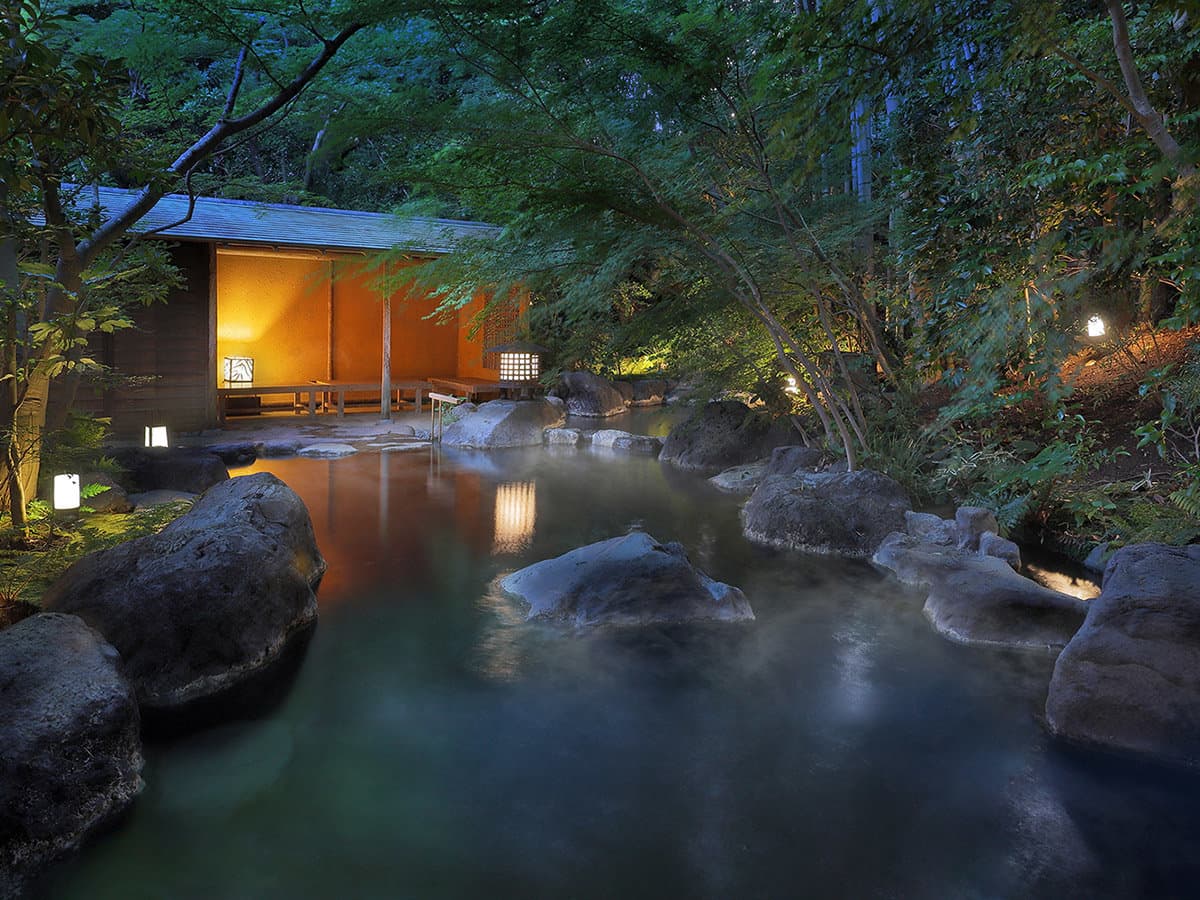 | from US$429/person/night≈ US$858 for 2 | 10.0 44 reviews | Book on Trip.com |
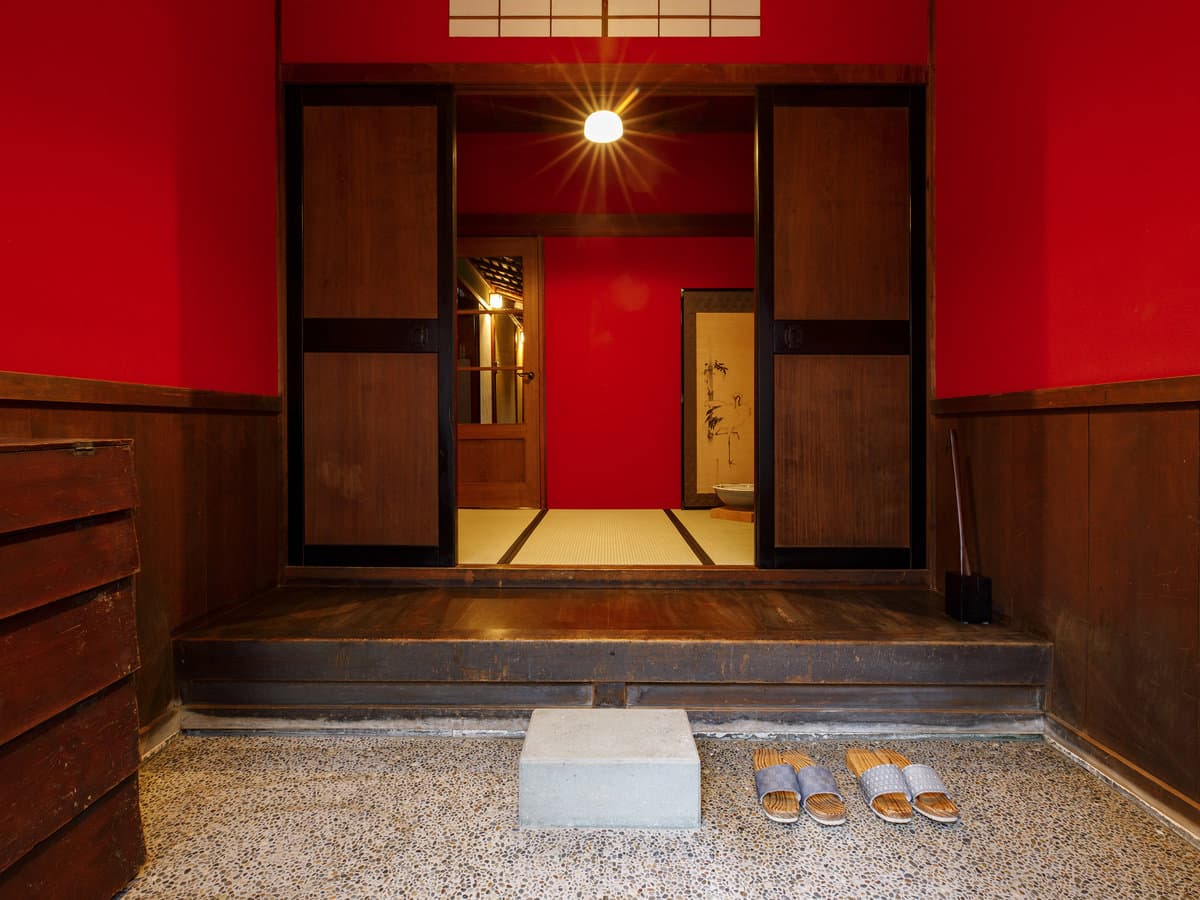 | from US$80/person/night≈ US$160 for 2 | 9.9 305 reviews | Book on Trip.com |
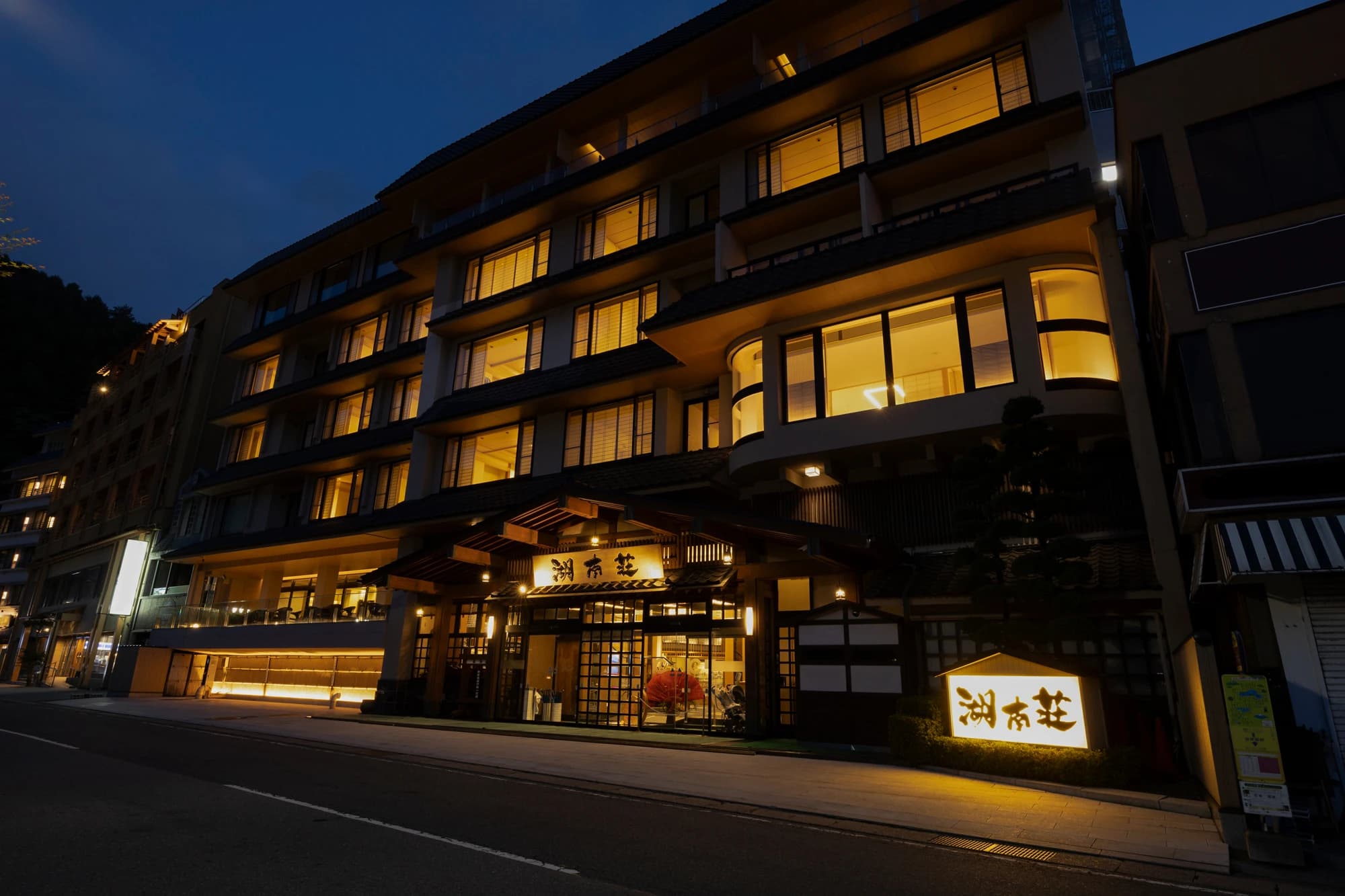 | from US$200/person/night≈ US$400 for 2 | 9.9 17 reviews | Book on Trip.com |
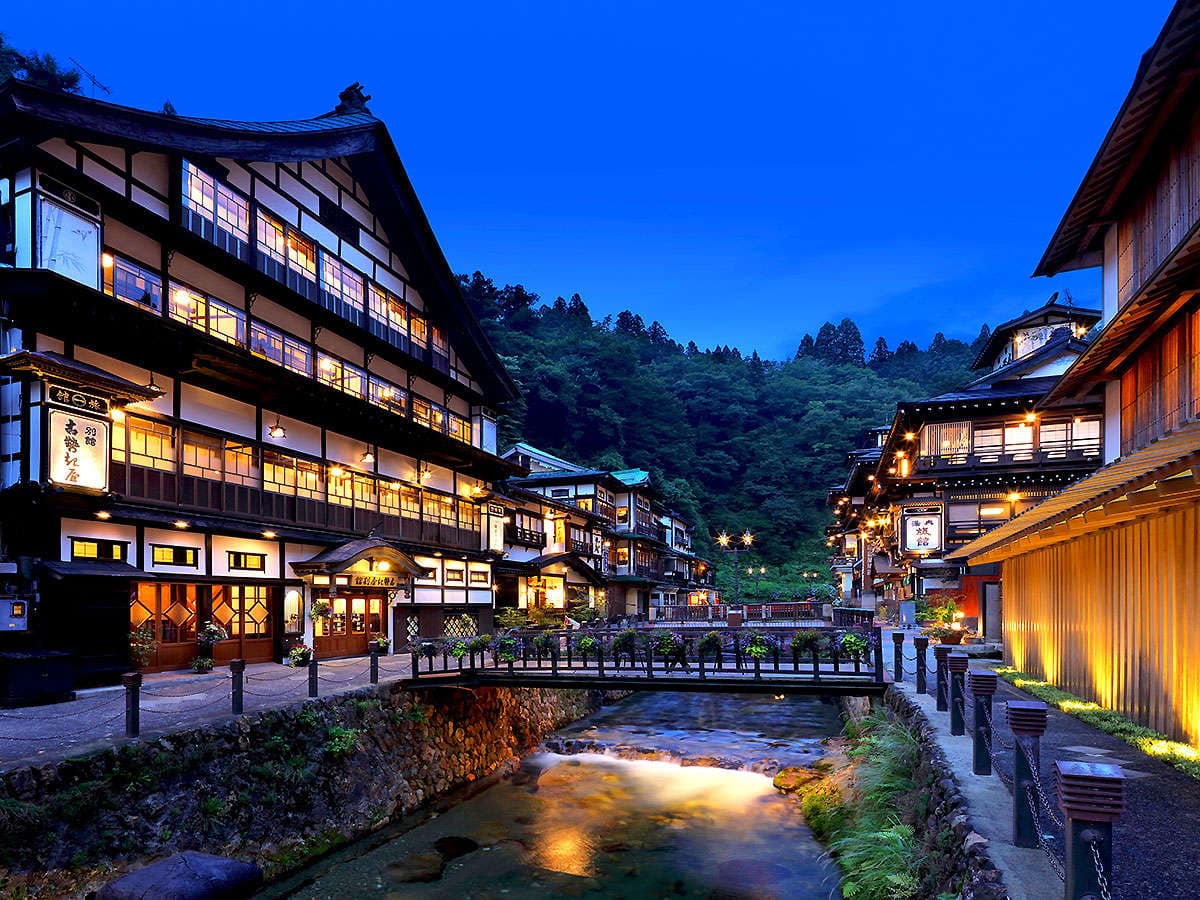 | from US$250/person/night≈ US$500 for 2 | 9.9 8 reviews | Book on Agoda |
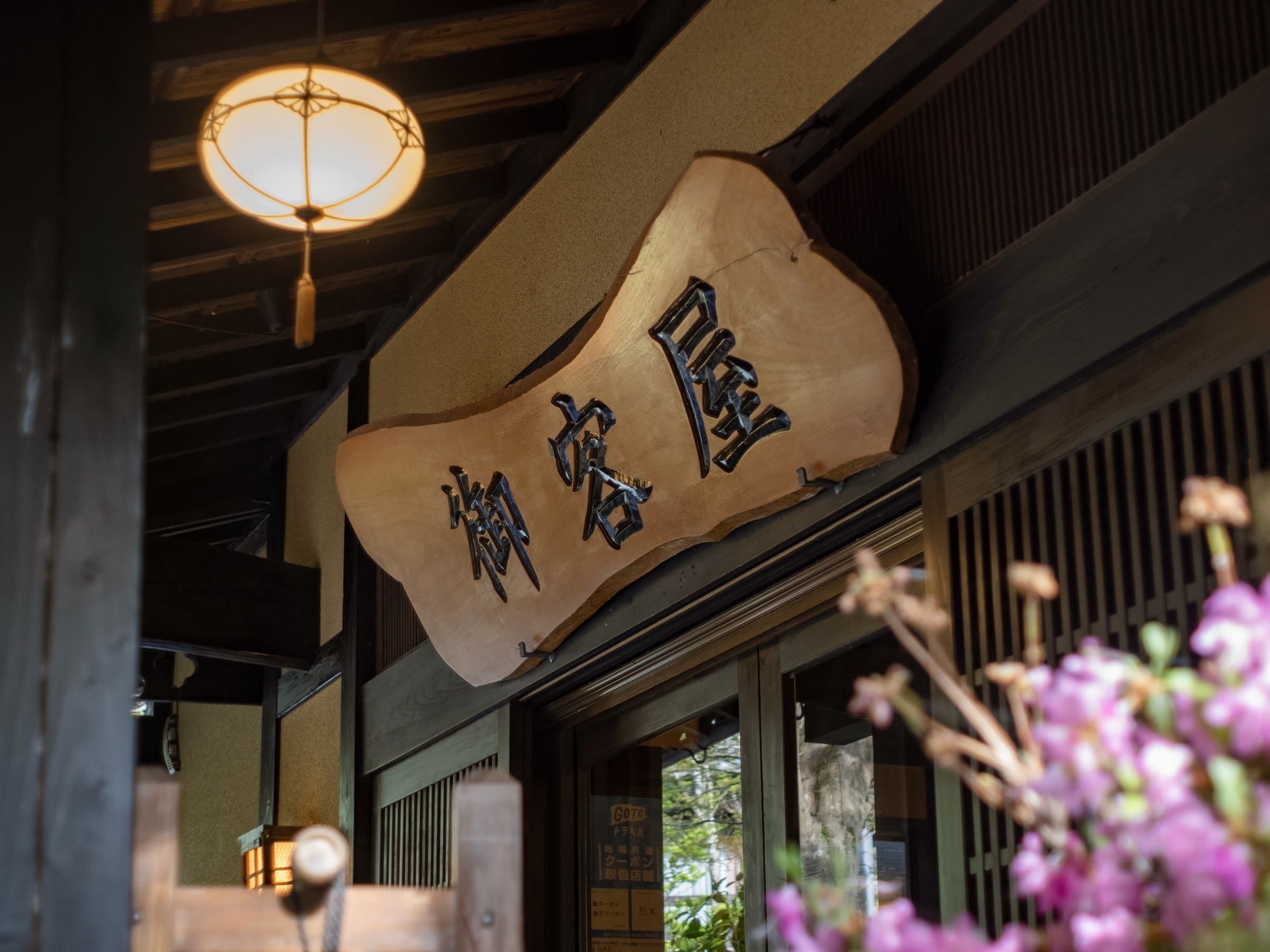 | from US$95/person/night≈ US$190 for 2 | 9.8 2,589 reviews | Book on Agoda |
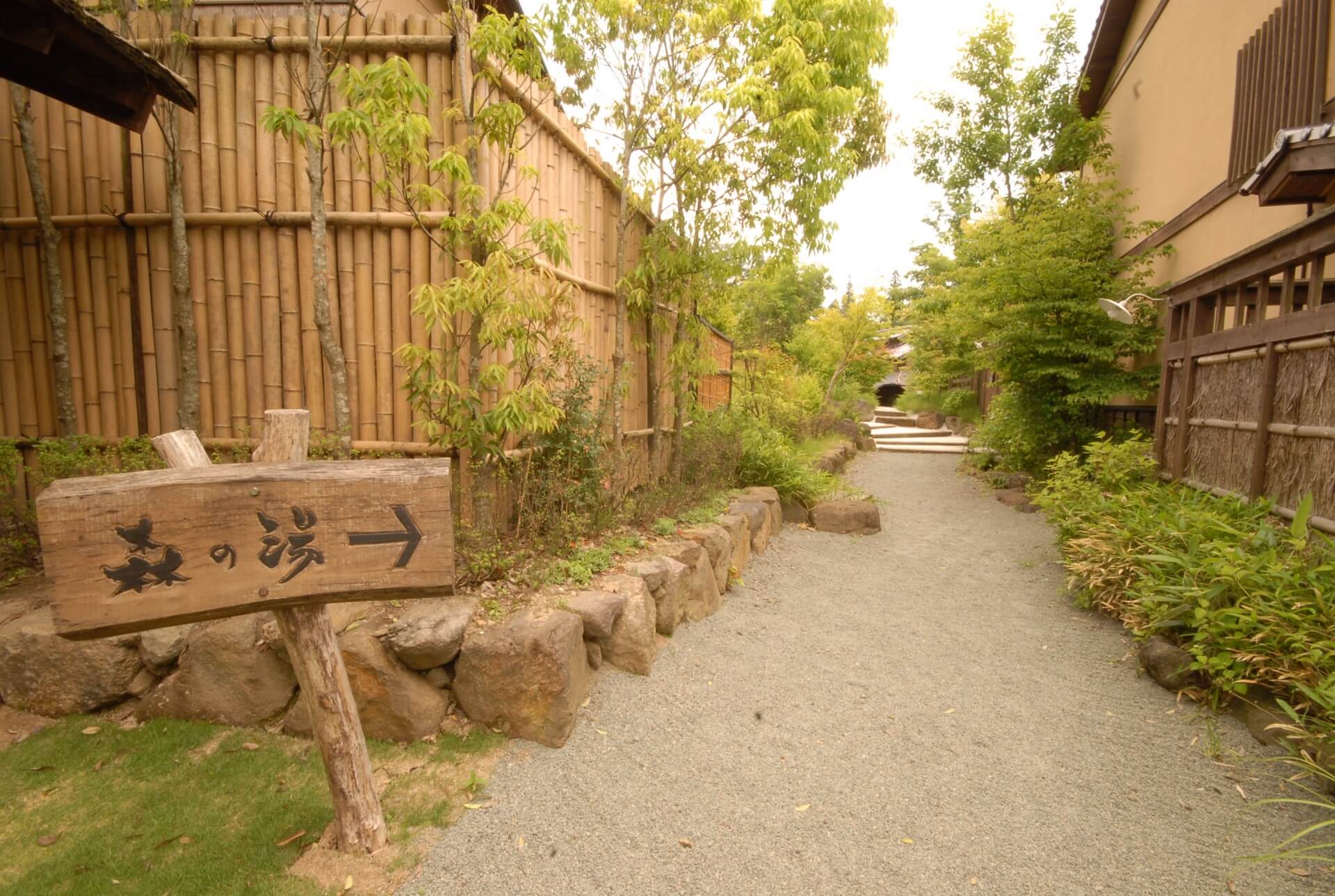 | from US$160/person/night≈ US$320 for 2 | 9.8 871 reviews | Book on Booking.com |
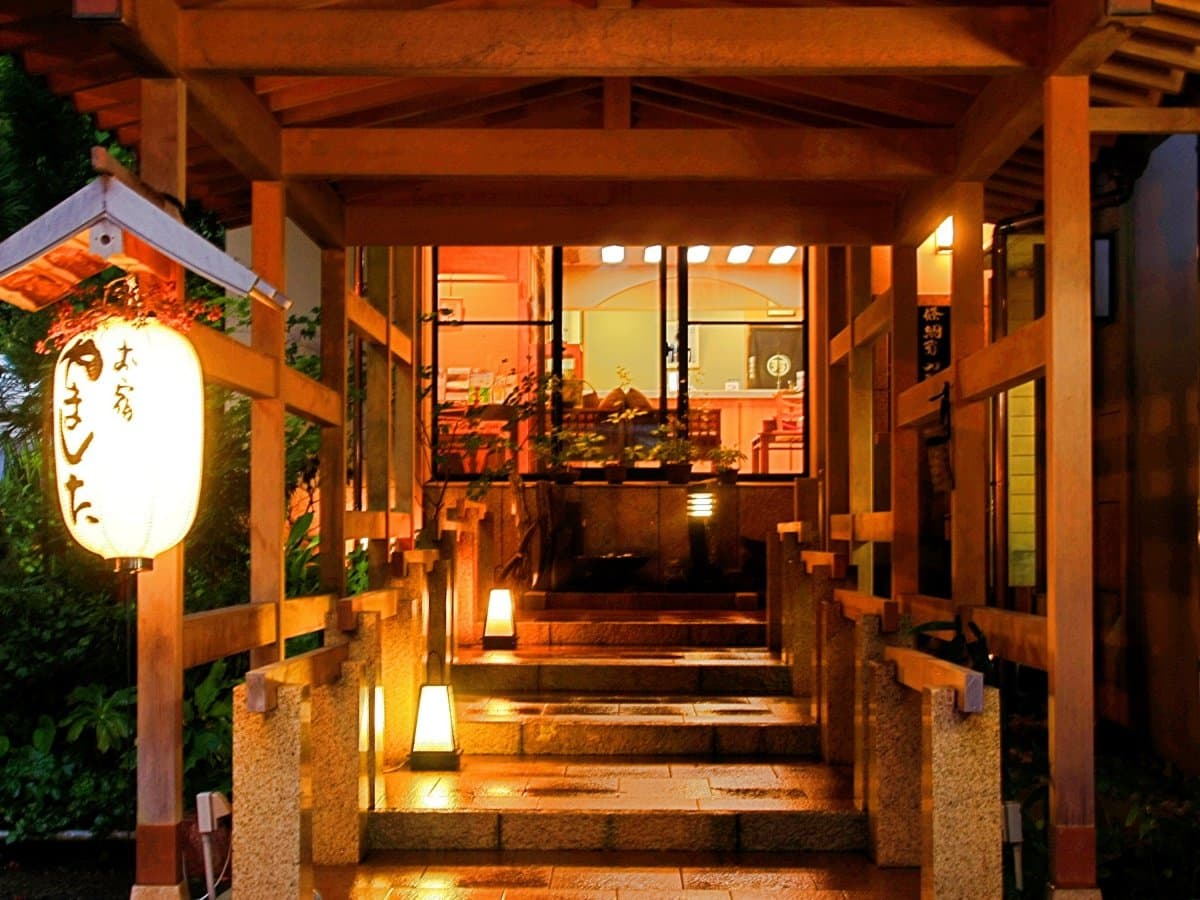 | from US$170/person/night≈ US$340 for 2 | 9.8 255 reviews | Book on Trip.com |
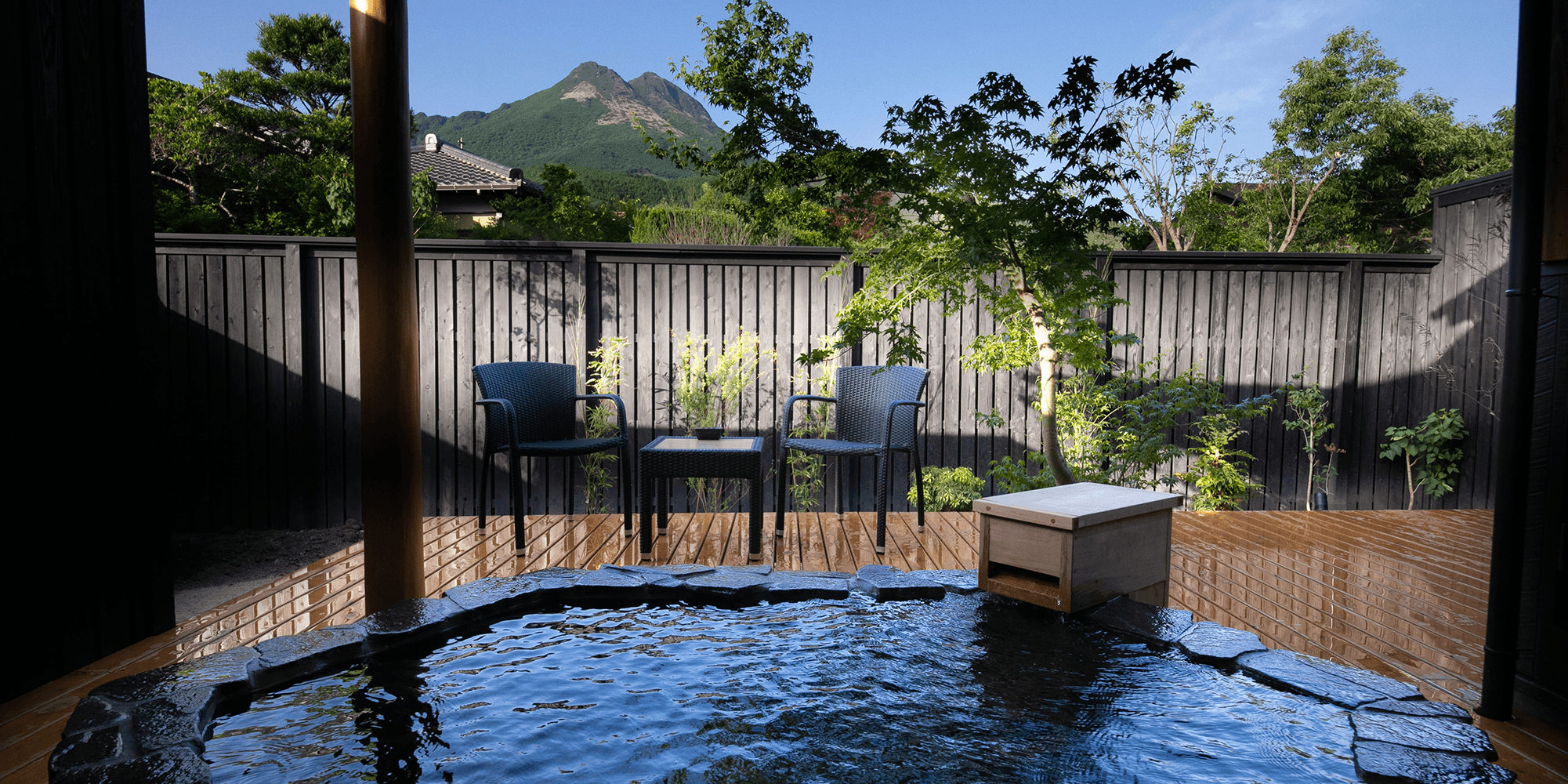 | from US$245/person/night≈ US$490 for 2 | 9.8 127 reviews | Book on Agoda |
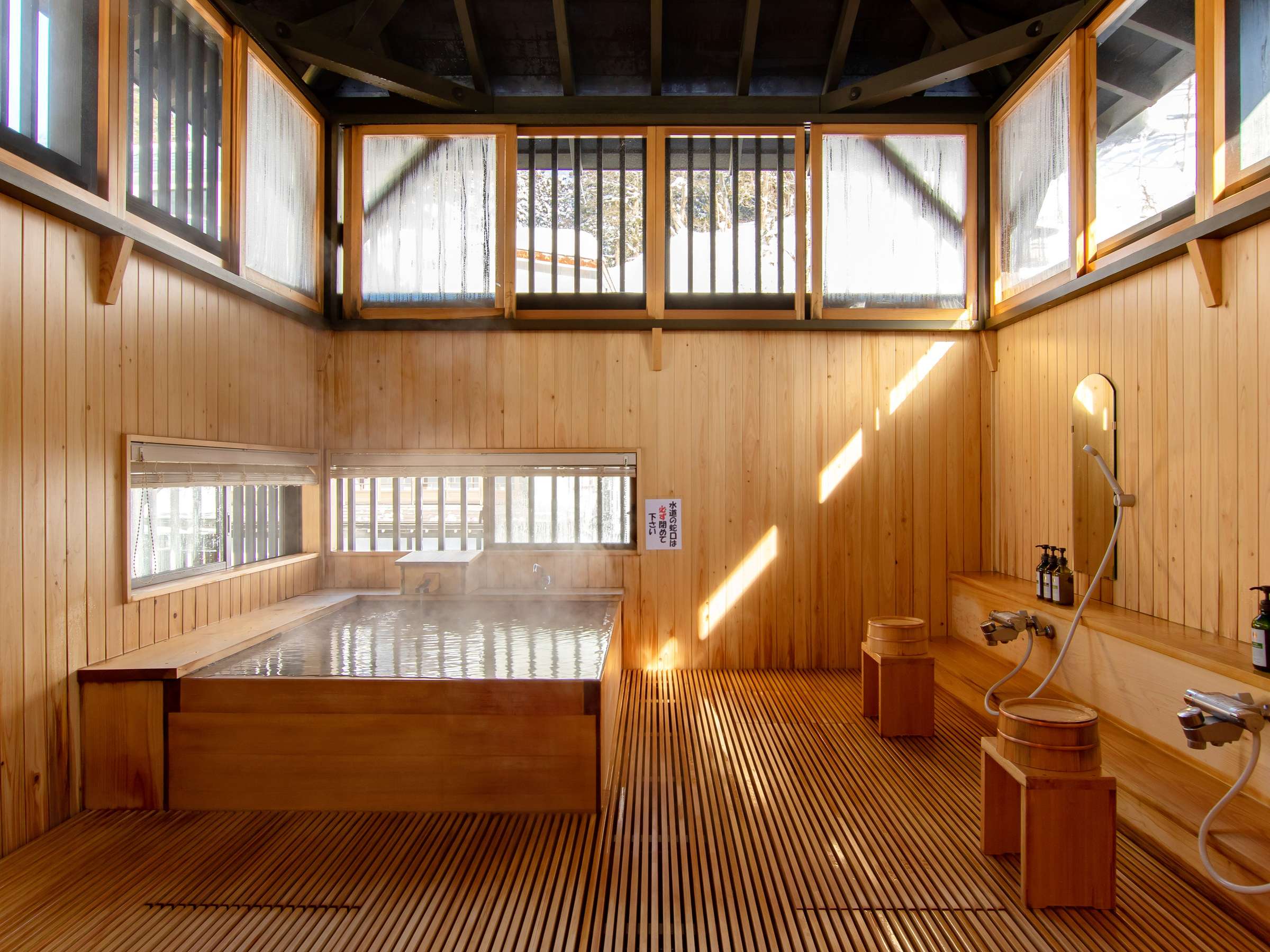 | from US$200/person/night≈ US$400 for 2 | 9.8 81 reviews | Book on Agoda |
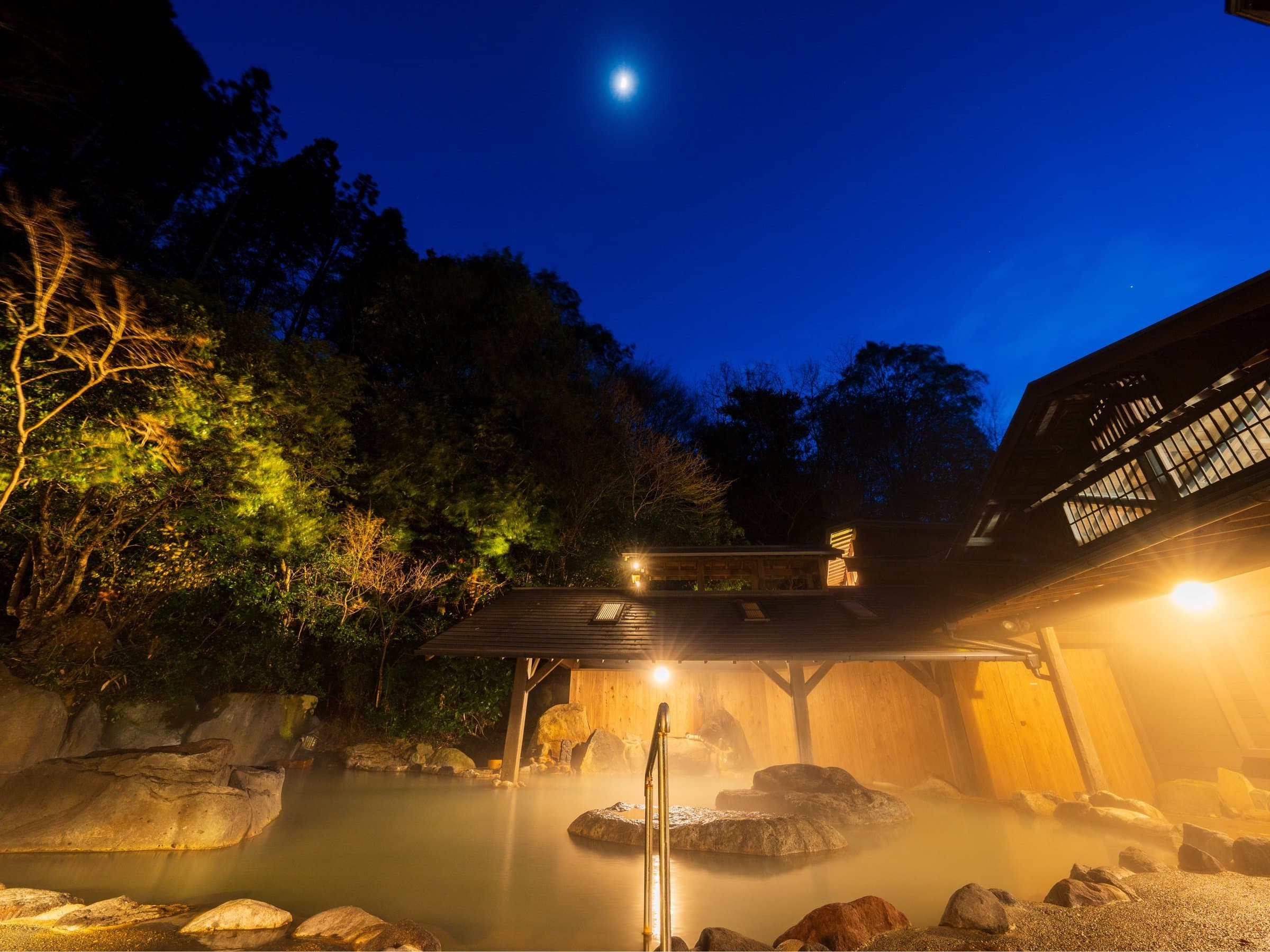 | from US$150/person/night≈ US$300 for 2 | 9.8 47 reviews | Book on Agoda |
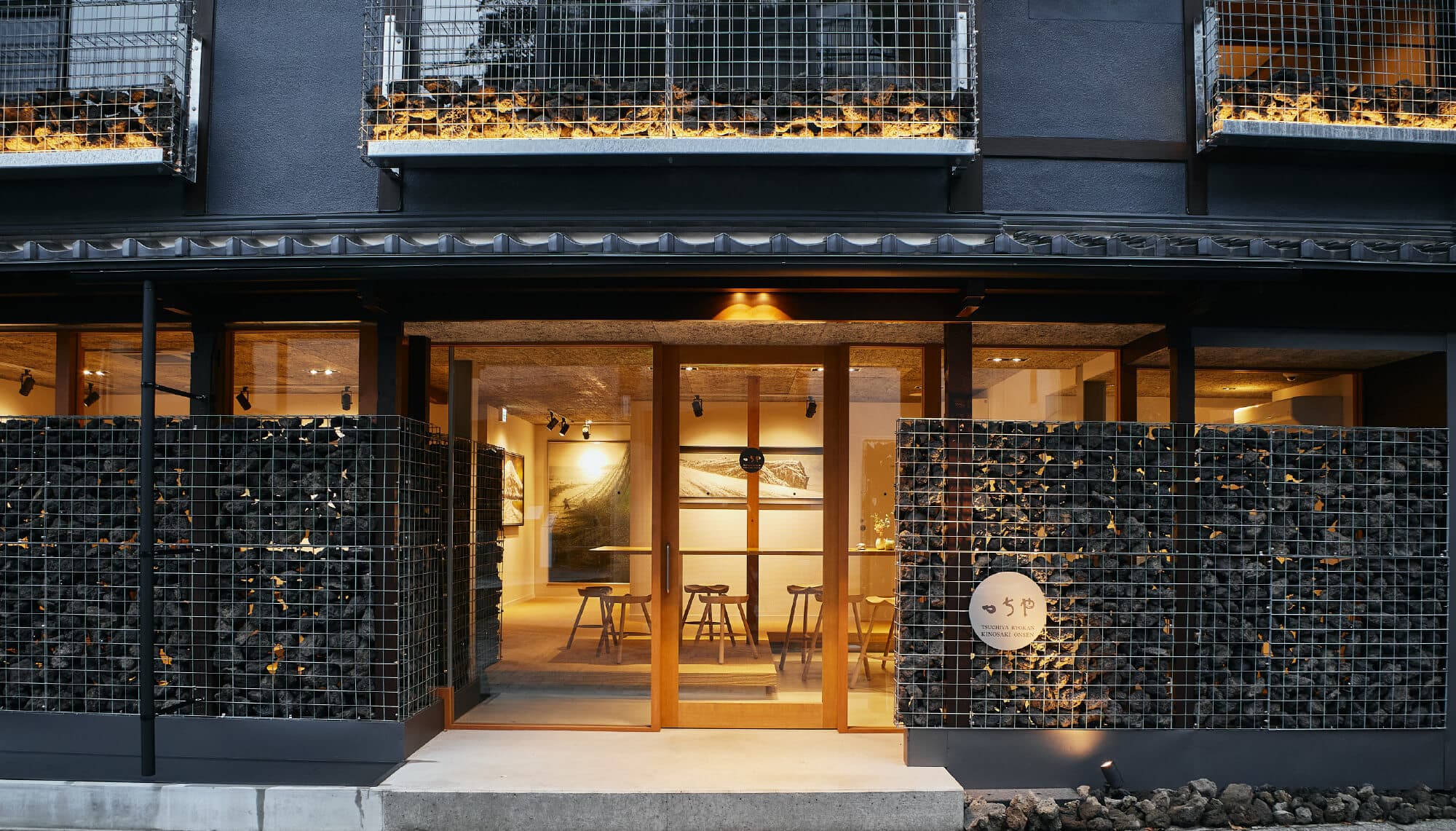 | from US$279/person/night≈ US$558 for 2 | 9.8 24 reviews | Book on Agoda |
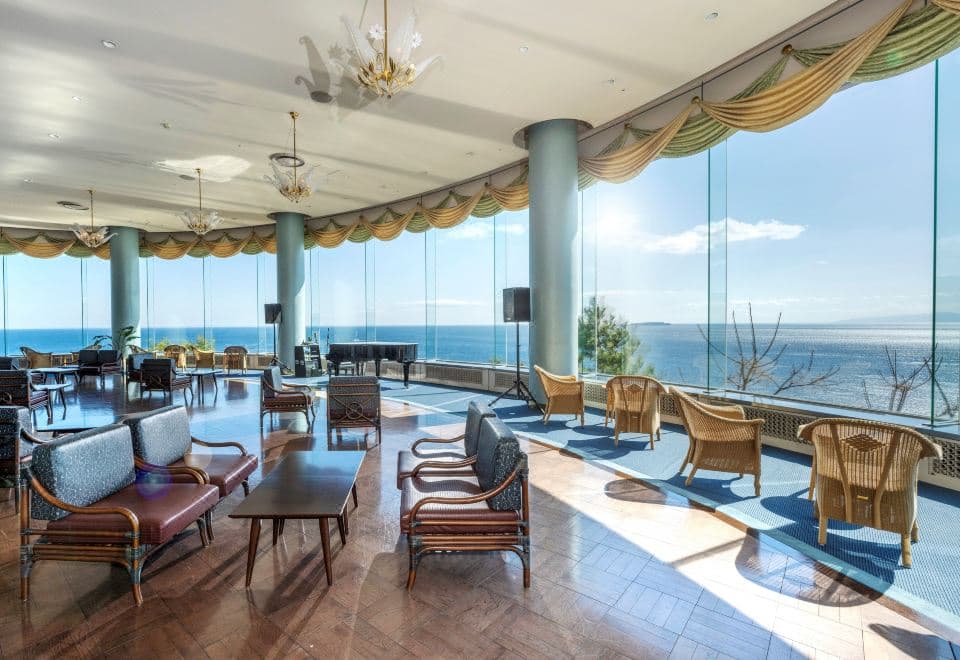 | from US$157/person/night≈ US$314 for 2 | 9.7 237 reviews | Book on Trip.com |
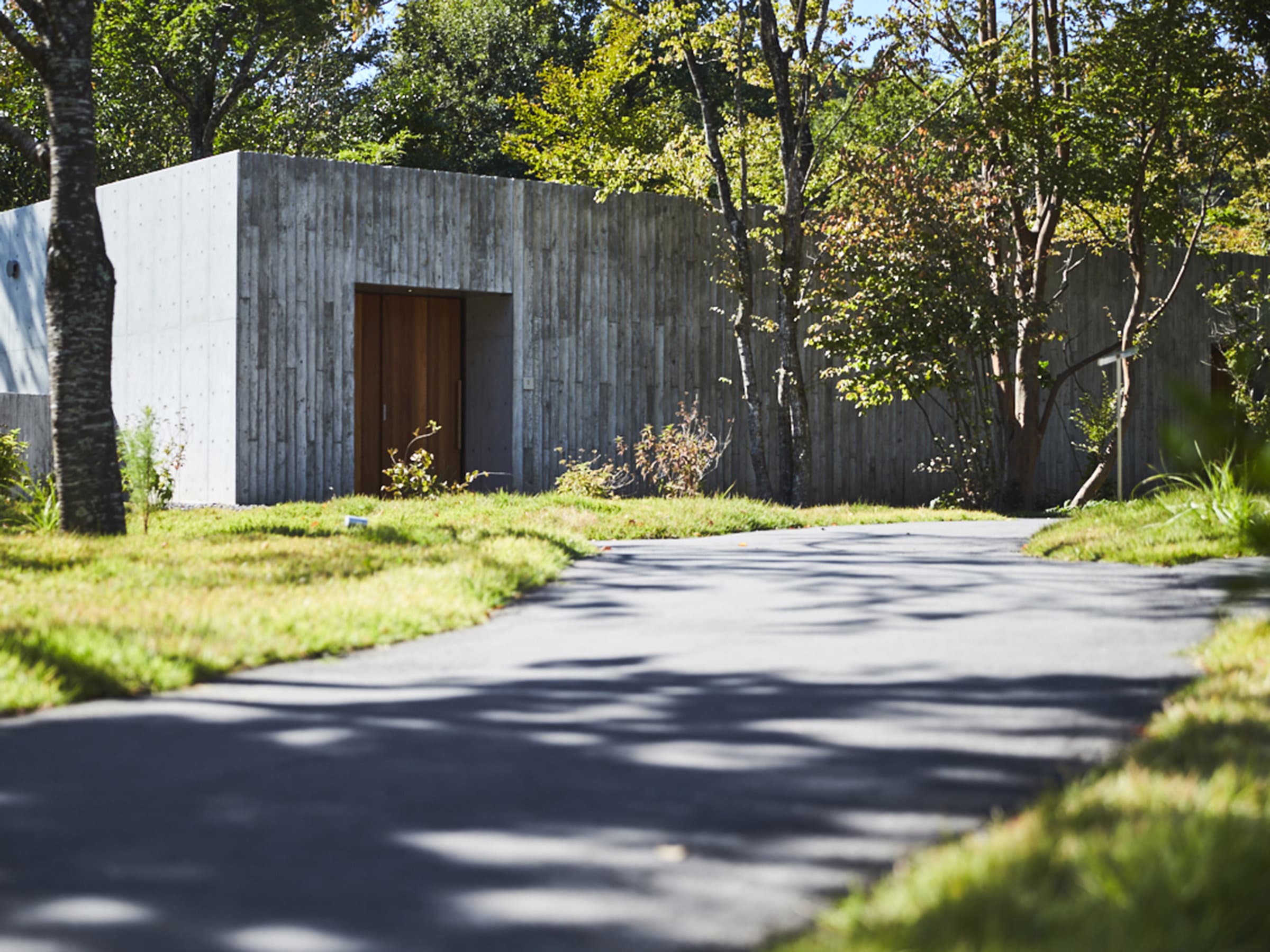 | from US$270/person/night≈ US$540 for 2 | 9.7 201 reviews | Book on Agoda |
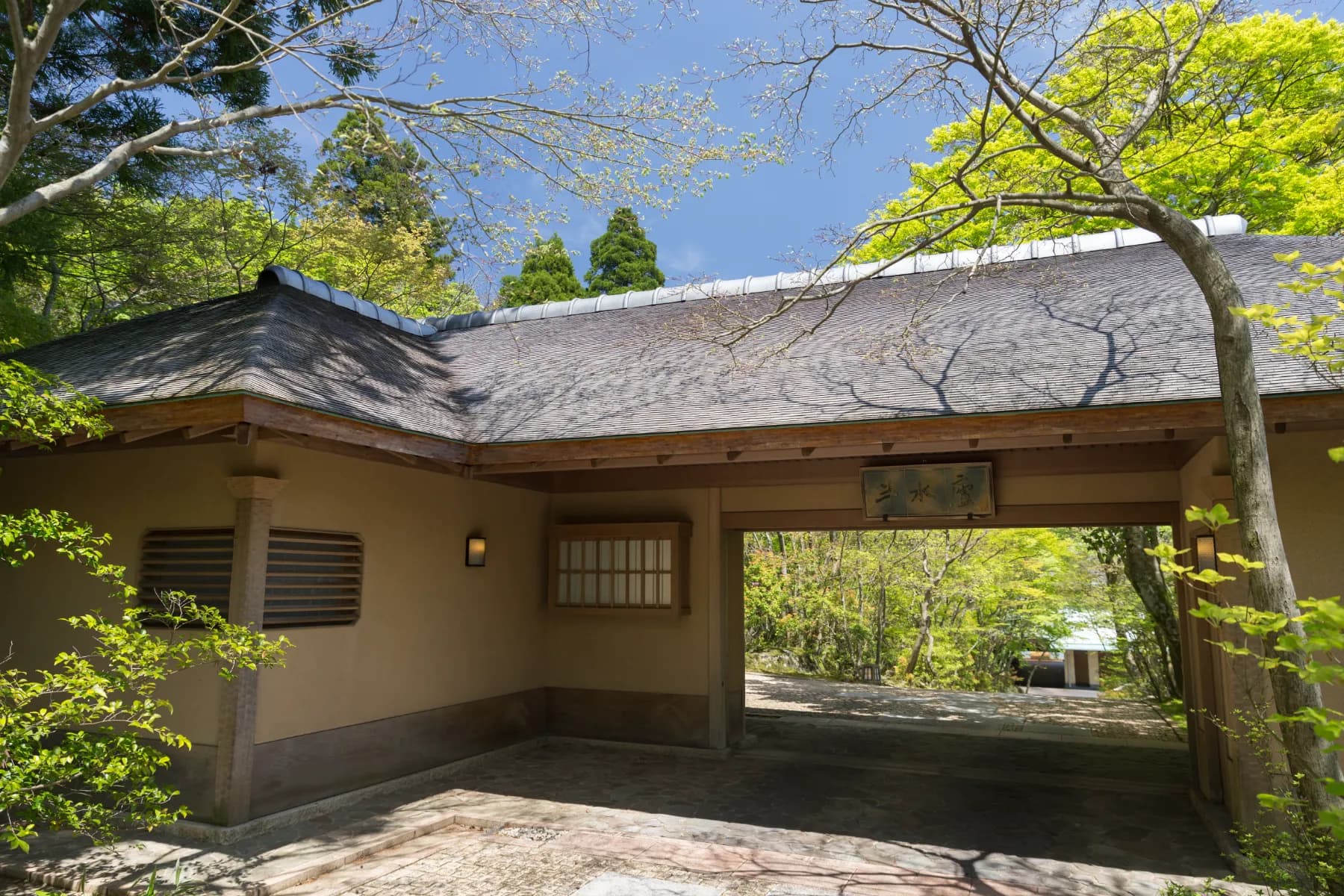 | from US$598/person/night≈ US$1,196 for 2 | 9.7 136 reviews | Book on Booking.com |
 | from US$200/person/night≈ US$400 for 2 | 9.7 106 reviews | Book on Agoda |
 | from US$405/person/night≈ US$810 for 2 | 9.7 84 reviews | Book on Booking.com |
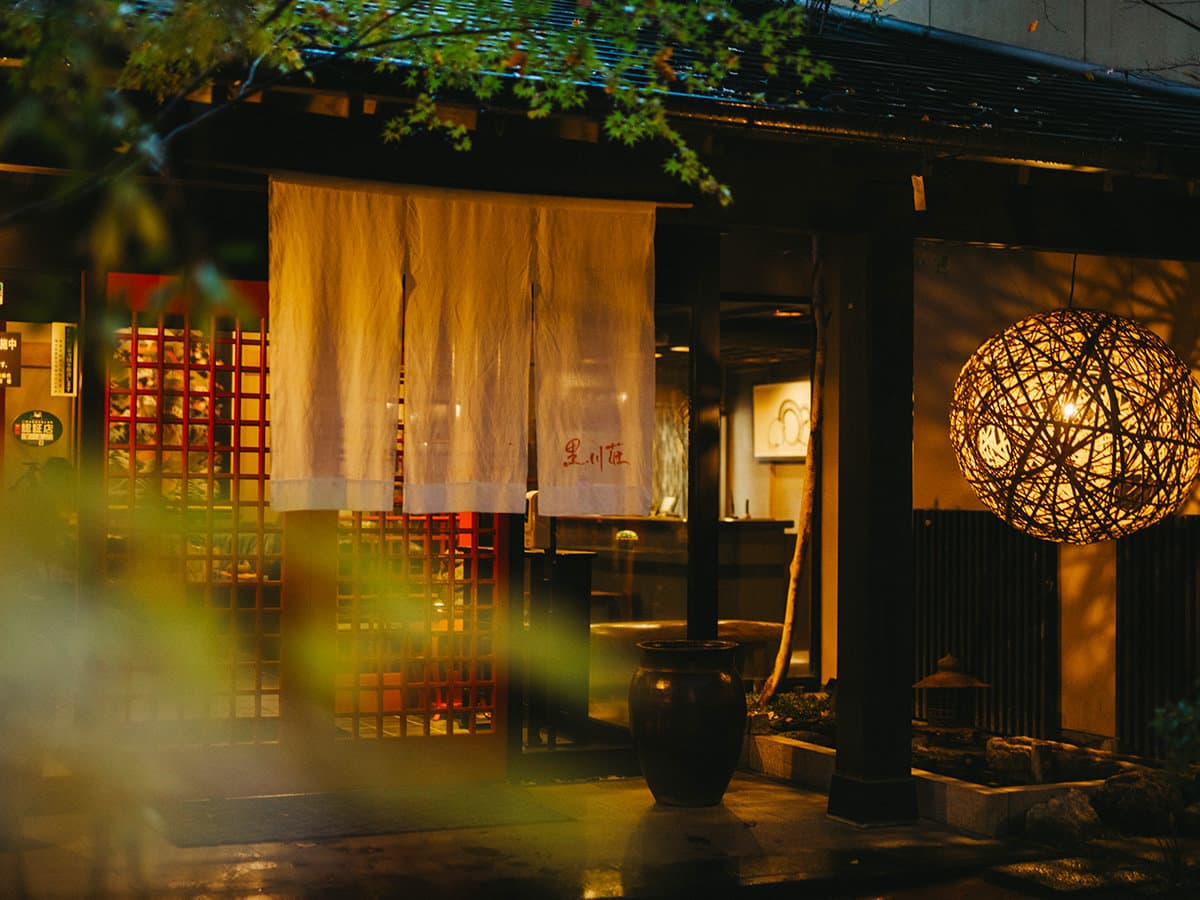 | from US$200/person/night≈ US$400 for 2 | 9.7 72 reviews | Book on Trip.com |
 | from US$250/person/night≈ US$500 for 2 | 9.7 71 reviews | Book on Booking.com |
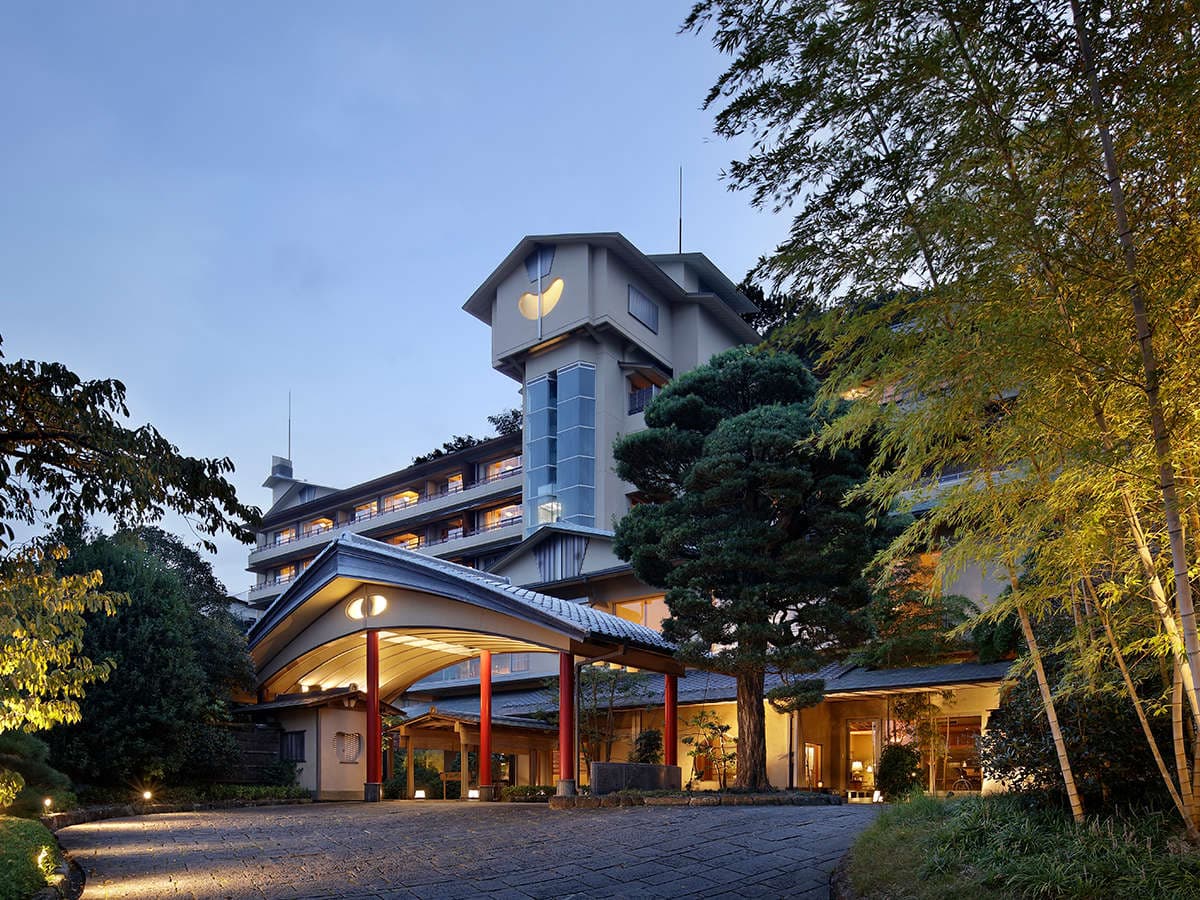 | from US$176/person/night≈ US$352 for 2 | 9.7 71 reviews | Book on Booking.com |
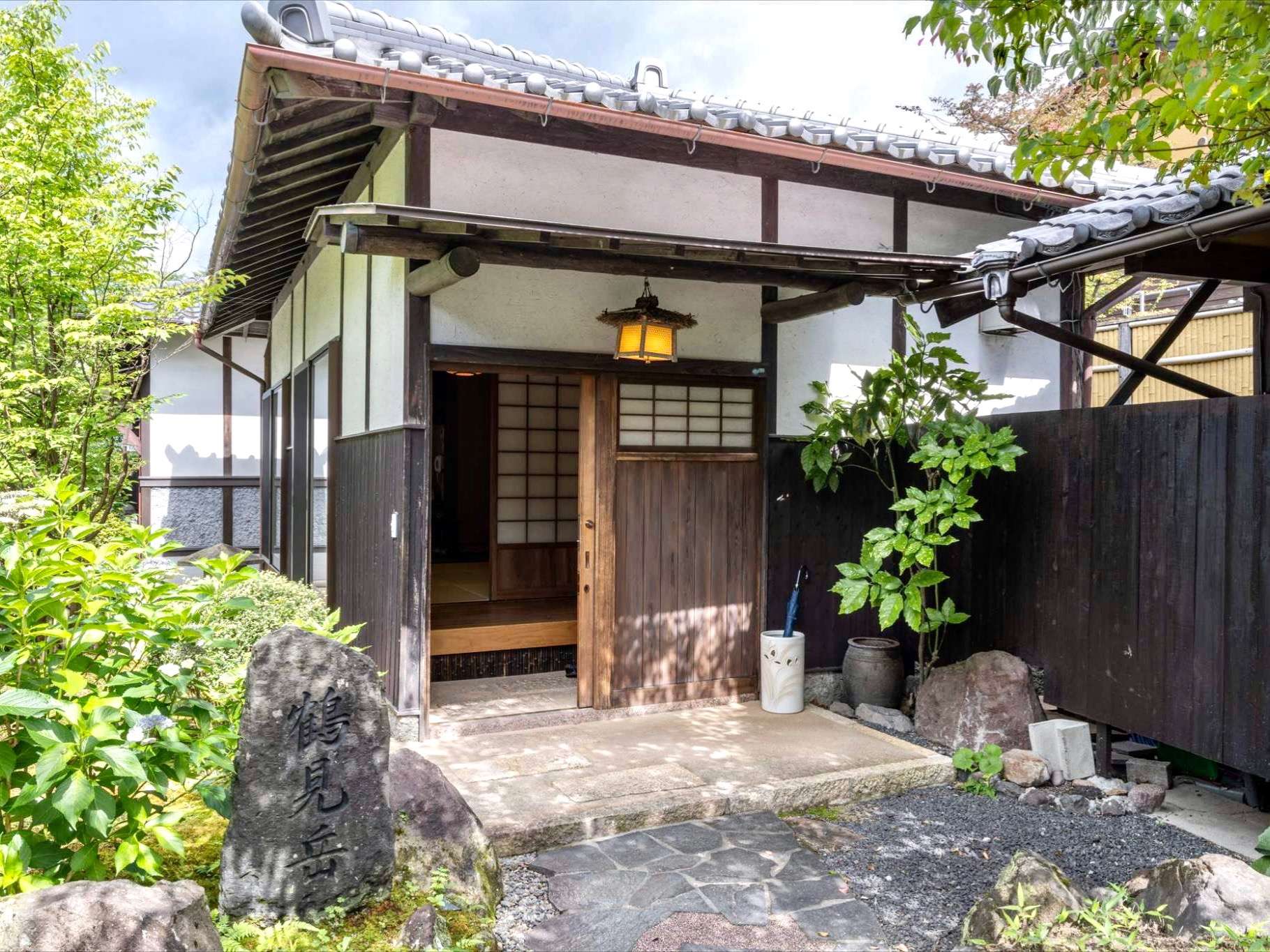 | from US$140/person/night≈ US$280 for 2 | 9.7 57 reviews | Book on Agoda |
Konansou
Fuji Kawaguchiko
Kosekiya Bekkan
Ginzan
Okyakuya
Kurokawa
Ryokan Kounoyu
Kurokawa
Oyado Yamashita
Kanazawa
Oyado Den Rikyu
Yufuin
Nagasawa Heihachi
Ginzan
Yamabiko Ryokan
Kurokawa
Tsuchiya Ryokan
Kinosaki
Atami Kakurezato
Atami
Sanso Warabino
Yufuin
Hinoharu Ryokan
Yufuin
Bettei Amafuru Oka
Ibusuki
Kurokawa-So
Kurokawa
Unzen Kyushu Hotel
Unzen
Ryoso Makibanoie
Yufuin
Prices shown are approximate starting rates per person per night. We may earn a commission on bookings.
Ready to book?
More ryokan you can book
Compare live availability and prices across booking sites.
from US$500 · per person · per nightfrom ≈ US$1,000 total for 2 guests



Hiiragiya Ryokan
柊家旅館
Kyoto·Luxury
from US$500 · per person · per nightfrom ≈ US$1,000 total for 2 guests
Sanso Murata
山荘 無量塔
Yufuin·Luxury
from US$700 · per person · per nightfrom ≈ US$1,400 total for 2 guests
Booking links may earn us a commission at no extra cost to you.
Correction, September 2026. Kagaya in Wakura Onsen has been closed for post-earthquake reconstruction since January 2024 and is scheduled to reopen by the end of fiscal 2028, around March 2029, at 33 rooms rather than the 232 it had . In this article the ranking is nine: Kagaya came out of the numbering into a reference section, out of the opening list of the most reliably English-speaking ryokans, out of the closing picks by traveller profile and out of the two staffing recommendations. It keeps its table row, with a dash where its rank was, but no longer carries a rate or a recommendation. The body counts nine throughout. Checked against each property's own website on 2026-09-20.
FAQ
Frequently asked questions
Do luxury ryokans in Japan speak English?+
Not reliably. Even at $500+ per night, English-speaking typically means the front desk and one concierge — kaiseki servers and night staff often default to Japanese only. Chain-trained properties like Hoshino Resorts KAI deliver the most consistent English (able to explain kaiseki ingredient by ingredient and handle complaints), but feel scripted. Family-run ryokans with a bilingual heir like Seikoro (Kyoto, 1831-founded) or Asaba (Izu, 1489-founded) offer the warmest English, but only when that specific person is on shift.
Which ryokan in Japan has the best English staff?+
KAI Kinugawa (Nikko, Hoshino Resorts) is the most consistent — chain-trained across the brand. For milestone trips requiring native-level written English (pre-arrival dietary confirmation, futon timing, transfer arrangement), Asaba in Izu is the pick for English email correspondence. ABBA Resorts Izu Zagyosoh has a dining manager who personally narrates kaiseki in fluent English. Hidatei Hanaougi in Takayama offers a bilingual concierge who handles Hida-beef restaurant bookings in English.
What is the best translation app to use at a ryokan in Japan?+
DeepL for written emails — it preserves Japanese honorifics correctly when communicating with ryokan staff pre-arrival. Google Translate camera mode for printed kaiseki menu cards and onsen-rules signage — point and read works reliably. Voice translation mode is far less dependable: tatami rooms often have poor Wi-Fi, and live conversation translation is too slow for kaiseki narration. Pre-download Google Translate's offline Japanese language pack (approximately 60 MB) before your trip so camera lookup works without connectivity.
How do I book an English-speaking ryokan in Japan?+
Book on a free-cancellation OTA first (Trip.com or Booking.com), then send a direct email to the ryokan to confirm dietary restrictions, arrival time, and tattoo policy. Waiting for an email reply before booking is the wrong order — you risk losing availability. After booking, the email serves as verification: a ryokan that ignores a plain-English email within 5 days is revealing its English capability level honestly. If there is no reply, cancel and rebook. The OTA 'English spoken' checkbox is self-reported and does not distinguish between signage-only and manager-fluent.
Is there a language barrier at ryokans for non-Japanese speakers?+
Yes, at most properties — specifically during kaiseki dinner service and in-room visits from the nakai-san (room attendant). These interactions are the highest-stakes English moments of a ryokan stay. The front desk handles check-in adequately at most mid-range and above properties; the problem is the dinner server who narrates 12 courses only in Japanese, and the night attendant who cannot confirm your breakfast time. The nine bookable properties in this guide are the ones with the best-documented English coverage — outside this list, expect uneven coverage.
What should I do if no one at the ryokan speaks English?+
Use the phrase: 'Sumimasen, hajimete desu — yoroshiku onegai shimasu.' (Excuse me, this is my first time — please take care of me.) This signals goodwill, triggers extra patience from staff, and acknowledges the communication gap without demanding English. For kaiseki narration: Google Translate camera mode on the printed menu card works. For practical questions about bath times or breakfast: show a written note prepared on your phone beforehand in Japanese. The recovery script works at any property where goodwill is mutual — which is almost all of them.
Are there English-speaking ryokans in every region of Japan?+
Not evenly distributed. English-language capability clusters around major inbound tourist routes: Kyoto (Seikoro, Togetsutei), Hakone (Gora Kadan), Tokyo-adjacent (KAI Kinugawa), Izu Peninsula (Asaba, ABBA Resorts), Takayama (Hanaougi), and major Kyushu destinations (Yufuin Tamanoyu, Bourou Noguchi Noboribetsu). Remote ryokans in Akita, Yamagata, Shimane, and Tokushima are significantly less likely to have English staff beyond signage. For off-the-beaten-path destinations, DeepL email pre-arrival and a printed Japanese dietary card are essential preparation.
Still deciding?
Browse ryokans across JapanBooking.com