
4 min readUpdated September 2026
Quick Comparison
4 picks| Ryokan | From | Rating | Features | Book |
|---|---|---|---|---|
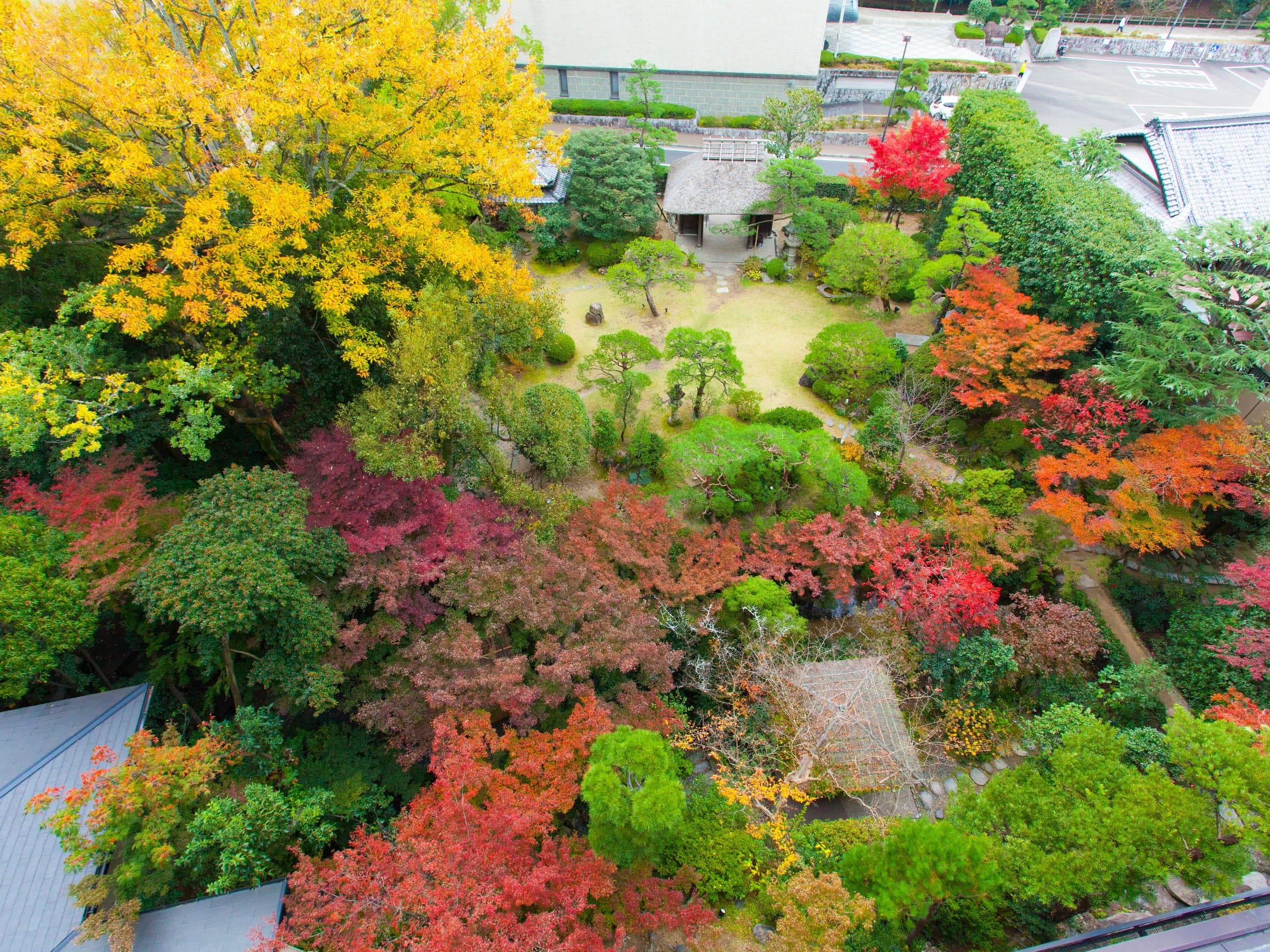 | from $160 | 9.6 116 reviews | EN OKOnsen | Book on Booking.com |
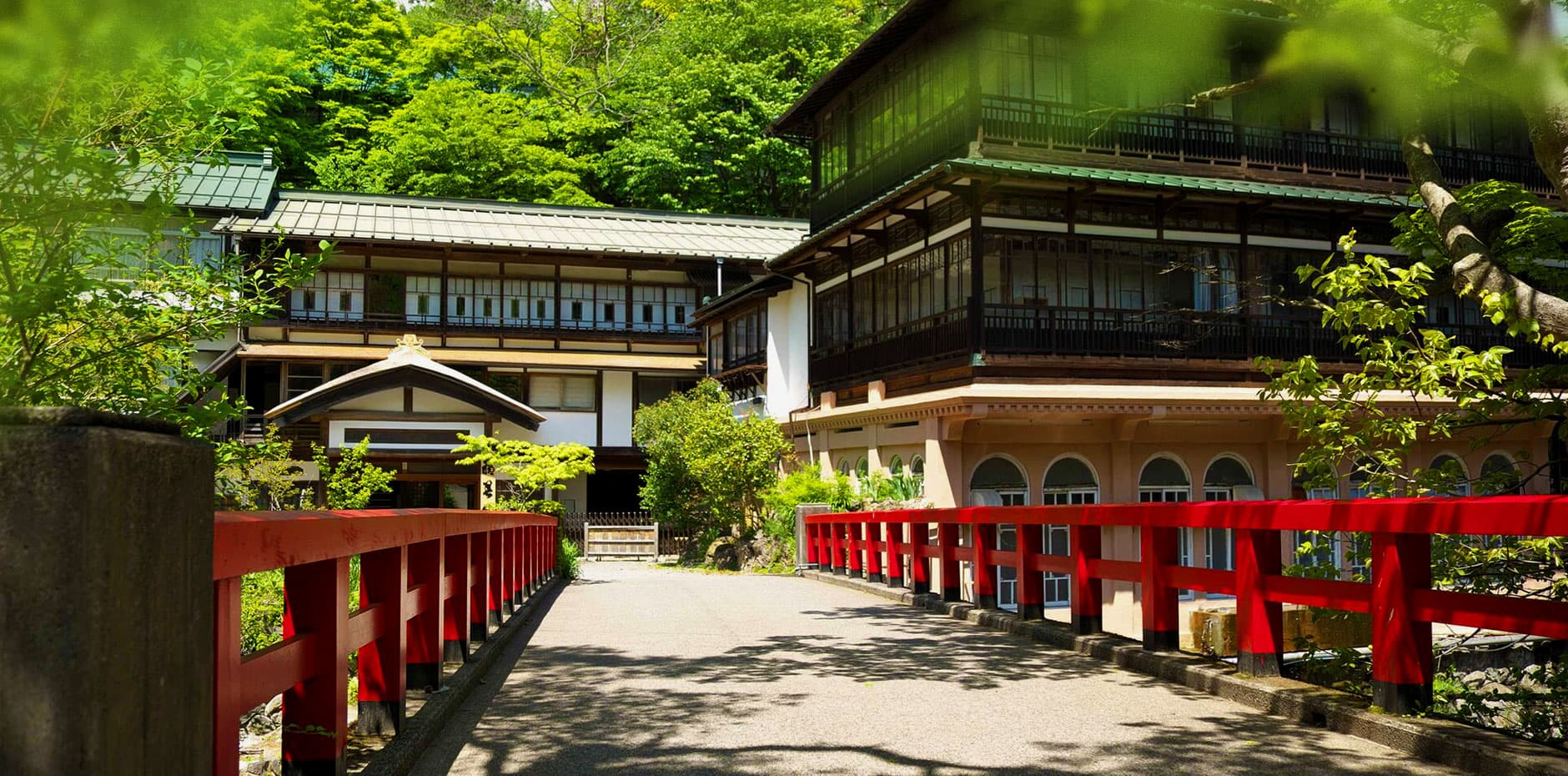 Sekizenkan Shima | from $344 | 9.5 311 reviews | EN OKPrivate Onsen | Book on Booking.com |
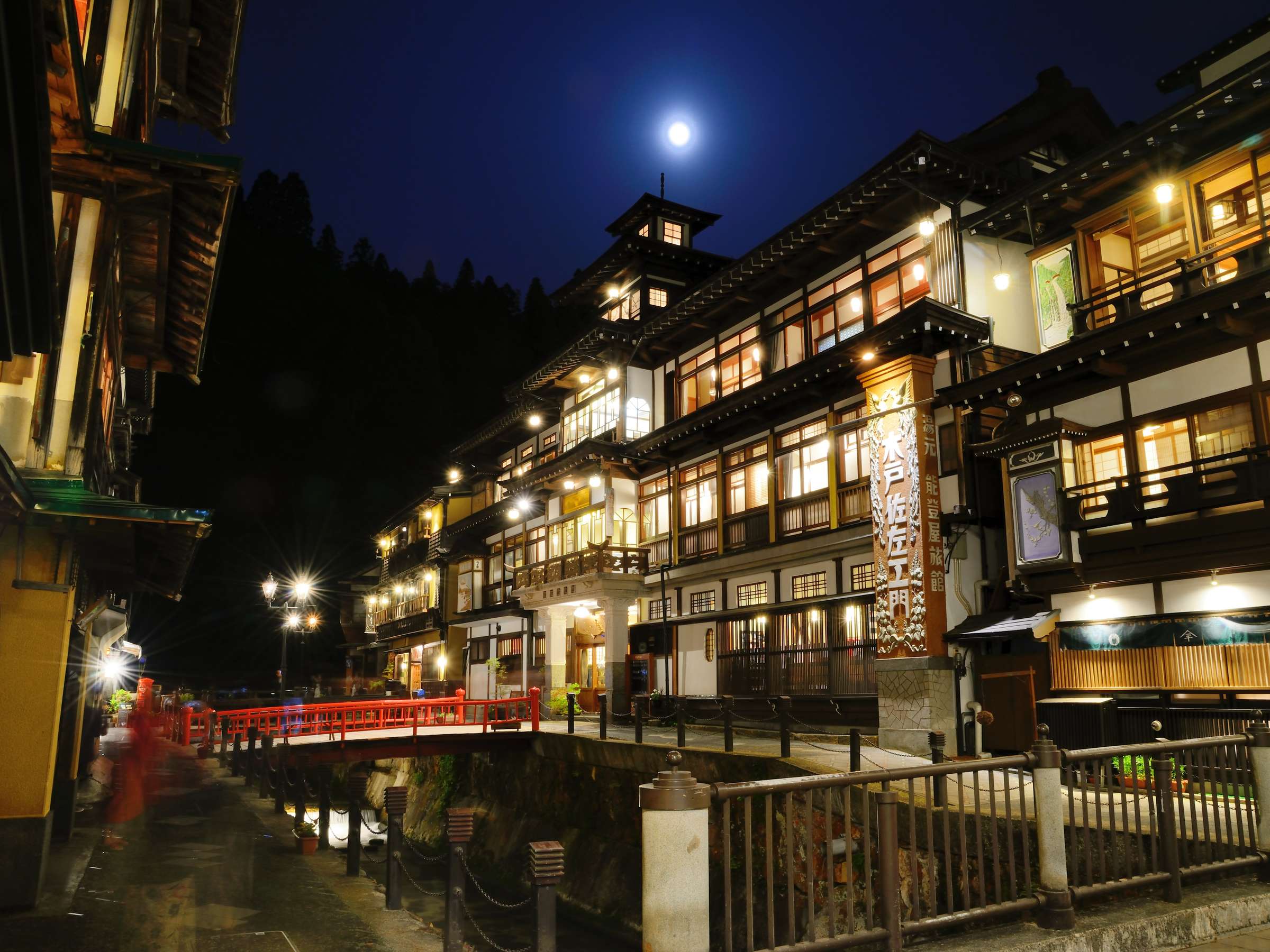 Notoya Ryokan Ginzan | from $250 | 9.6 5 reviews | Private Onsen | Book on Agoda |
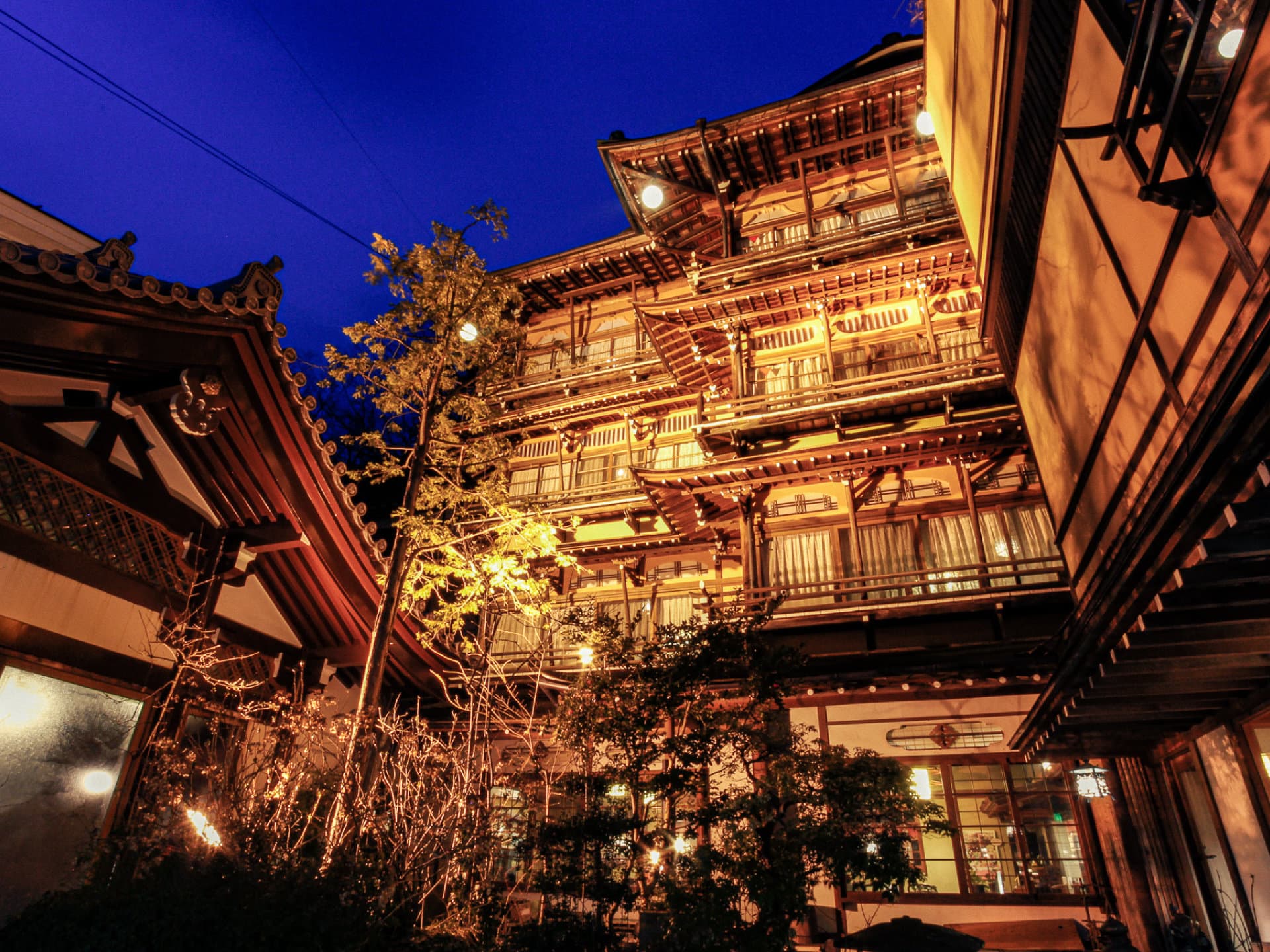 Kanaguya Yudanaka Shibu | from $230 | 8.7 48 reviews | EN OKPrivate Onsen | Book on Agoda |
Sekizenkan
Shima
Notoya Ryokan
Ginzan
Kanaguya
Yudanaka Shibu
Prices shown are approximate starting rates per person per night. We may earn a commission on bookings.
Search for a "Spirited Away ryokan" and you will find four or five different inns each described as *the* one. The honest answer is shorter: Studio Ghibli has said the bathhouse in the film had no single model. What it has said, and what that means for where to stay, is below — along with the inns fans compare it to, which you can book tonight.
What Studio Ghibli actually said
In a January 2003 entry of its official diary, Studio Ghibli wrote that it had asked Hayao Miyazaki directly which bathhouse was the model. His answer: many onsen went into it and there was no specific model — but Dogo Onsen is definitely in there. The diary then points to a detail in the published storyboards: the characters 「導後」 on the great door the river spirit leaves through, which the writer thought *may* be a hint at Dogo Onsen Honkan in Matsuyama. The same entry credits Kodakara-yu, a bathhouse now preserved at the Edo-Tokyo Open Air Architectural Museum, as a major inspiration for the film's setting of a bathhouse towering on a corner of a shopping street. Studio Ghibli diary, January 2003
The entry also answers the question most "Spirited Away ryokan" articles skip. After the film came out, inns in Ginzan Onsen, Shima Onsen, Shibu Onsen and other towns told Ghibli they might be the model. Ghibli wrote that it did not know whether the director had visited them, and that since he says there was no specific model, those claims do not appear to be correct — adding that such claims arriving from across Japan showed how the bathhouse symbolically recreated a kind of building that was not unusual in the Japan of not so long ago.
Tip
How to read the rest of this page: Dogo Onsen is the one place Miyazaki named. Sekizenkan, Notoya and Kanaguya are lookalikes — beautiful, historic and worth the trip for the atmosphere, but not confirmed models. We label them that way below.
Dogo Onsen: the one onsen town Miyazaki named
Dogo Onsen Honkan in Matsuyama, a public bathhouse whose main building dates from 1894, is not an inn — so the way to "stay at" it is to book one of the ryokan within walking distance and bathe at the Honkan during your stay. Dogo sits within Matsuyama city on the island of Shikoku; from Tokyo, most visitors fly to Matsuyama Airport (about 1½ hours). Our Dogo Onsen ryokan guide compares the inns in detail.
Funaya, founded in 1627, is Dogo's most storied inn — Natsume Soseki stayed there and Masaoka Shiki visited — and sits a few minutes from the Honkan.
The lookalikes you can book
These three are the inns most often compared to the bathhouse. Each has historic buildings listed as cultural properties, and each is a real place to stay — which is what most people typing "Spirited Away ryokan" actually want.
Sekizenkan, Shima Onsen (Gunma)
Sekizenkan has anchored Shima Onsen since 1691. Its Genroku-era Honkan, reached across the red Keiunbashi bridge — the view that makes people think of the film — is, in the inn's words, believed to be the oldest surviving wooden onsen-inn building in Japan, and is designated an important cultural property by Gunma Prefecture. You can stay in the Honkan itself as a self-service toji (bath-cure) stay, or in the Sanso and Kashotei ryokan wings; all three buildings are linked by indoor passages. Honkan guests can book the private bath Toyo (湯養 TOYO), which opened in August 2026; the two older paid private baths have closed, and a new open-air bath and more private baths are under construction in the Kashotei courtyard until around May 2027. From Tokyo Station it is about two and a half hours by train and bus. More in our Shima Onsen ryokan guide.
Notoya, Ginzan Onsen (Yamagata)
Ginzan's river of Taisho-era wooden inns, gas lamps and snow is the townscape most often compared to the film, and Notoya is its most photographed facade: a Taisho-era building with elaborate wooden carvings and a registered tangible cultural property. It has 15 rooms, men's and women's indoor and open-air baths, a cave bath, and a lookout open-air bath that closes in winter. The nearest station is JR Oishida, about 40 minutes away, and several inns run shuttles you book in advance. See our Ginzan Onsen ryokan guide.
Kanaguya, Shibu Onsen (Nagano)
Kanaguya has stood in Shibu Onsen since 1758, but the building people photograph is Saigetsuro, completed in 1936: four storeys of exposed timber lit from within after dark, a registered tangible cultural property. Guests have eight baths — three large baths and five private ones that need no reservation — plus the key to Shibu's nine public bathhouses, which day visitors cannot enter. On its own site, the inn says the truth of the Spirited Away rumour is unknown; it relays an animator's account that Kanaguya was among the photos used to show the film's architectural style — as a reference, not a model. Shibu is near the Jigokudani snow monkeys; our snow monkey ryokan guide covers the area.
Side by side
| Place | Connection to the film | Can you stay there? | From (USD/night) | Rating (/10) |
|---|---|---|---|---|
| Dogo Onsen Honkan (Matsuyama) | Dogo Onsen named by Miyazaki; Ghibli's diary suggests a hint at the Honkan | No — public bathhouse; stay nearby | — | — |
| Kodakara-yu (Edo-Tokyo Open Air Architectural Museum) | Credited by Ghibli as a major inspiration | No — museum building | — | — |
| Sekizenkan (Shima Onsen) | Often compared; not a confirmed model | Yes | from $344 | 9.5 |
| Notoya (Ginzan Onsen) | Often compared; not a confirmed model | Yes | from $250 | 9.6 |
| Kanaguya (Shibu Onsen) | Often compared; not a confirmed model | Yes | from $230 | 8.7 |
How to choose
If the film's own history matters to you, go to Dogo: it is the only onsen town Miyazaki named, and the Honkan is still a working bathhouse. If you want the look, pick by what you want to see: Sekizenkan for the red bridge and the Genroku-era Honkan, Notoya for the snow-and-gas-lamp street, Kanaguya if you want to combine the stay with the snow monkeys. For a winter trip to any of the three, book the room first and plan the rest around it.
Ready to book?
Book one of these top picks
Compare live availability and prices across all three platforms.
Booking links may earn us a commission at no extra cost to you.
FAQ
Frequently asked questions
Which ryokan was the model for Spirited Away?+
None, according to Studio Ghibli. Asked about the model for the bathhouse, Hayao Miyazaki said many onsen went into it and there was no specific model, but that Dogo Onsen is definitely in there. Ghibli added that inns which believed they were the model — including ones in Ginzan, Shima and Shibu — do not appear to be correct.
Can you stay at the Spirited Away bathhouse?+
Not in the sense the question hopes. Dogo Onsen is the one onsen Miyazaki named, and its Honkan — the building Ghibli's diary suggests the film may hint at — is a public bathhouse, not a ryokan: you bathe there, but you sleep at one of the ryokan around it in Dogo Onsen. The inns most often compared to the film, Sekizenkan, Notoya and Kanaguya, are ryokan you can book.
Is Sekizenkan connected to Spirited Away?+
It is one of the buildings most often compared to the bathhouse: its Genroku-era Honkan in Shima Onsen, reached over the red Keiunbashi bridge, is described by the inn as believed to be Japan's oldest surviving wooden onsen-inn building. Studio Ghibli says there was no single model, so treat it as a lookalike rather than the original.
How do you get to Sekizenkan from Tokyo?+
By train and bus: shinkansen from Tokyo Station to Takasaki, JR lines via Shibukawa to Nakanojo, then the local bus to Shima Onsen — about two and a half hours plus connections. A direct bus from Tokyo Station takes about 3½ hours. There is no bus from Jomo-Kogen station. Ginzan Onsen is further, via the Yamagata Shinkansen to Oishida; Dogo Onsen is usually reached by flying to Matsuyama (about 1½ hours).


