メインコンテンツへスキップ
旅館ではじめての滞在——完全ガイド(2026年版)
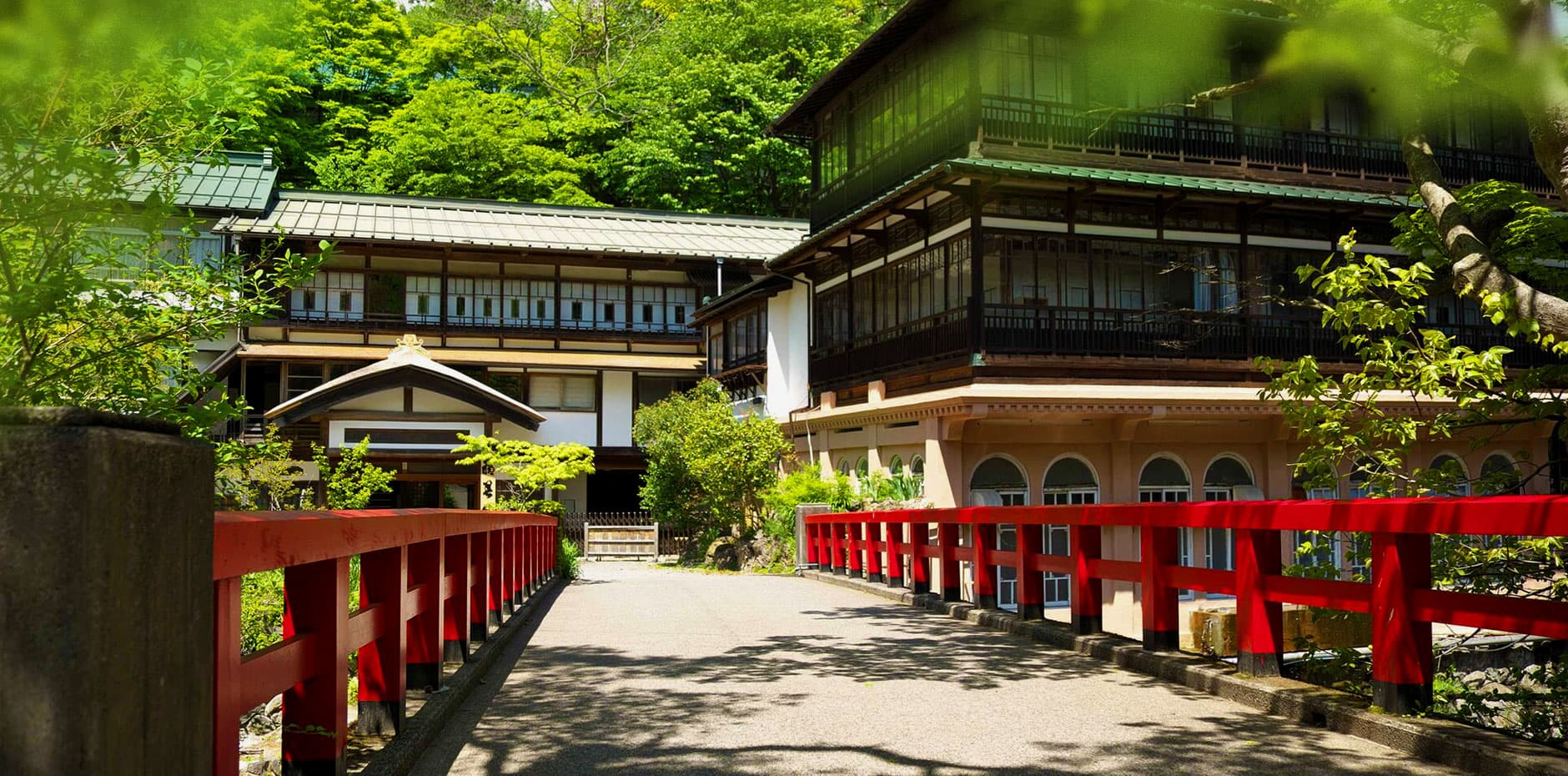
Photo: Masaaki Komori / Unsplash
文化|May 2026|22 min read

旅館ではじめての滞在——完全ガイド(2026年版)

Nobody told me about the slippers. Or the particular silence of a tatami room at dusk. Or why a 14-course kaiseki sounds romantic until you're 90 minutes in and full. My first ryokan stay — a two-night stop in Hakone — rewired something in how I understand hospitality, rest, and the relationship between a building and the person sleeping inside it. But I also made every rookie mistake in the book. This guide is what I wish someone had handed me at the genkan.

A ryokan (旅館) is a traditional Japanese inn. The word translates loosely as "travel inn," but that undersells it the way calling Carnegie Hall a concert venue undersells it. Ryokans combine tatami-floored rooms, communal or private hot-spring baths (onsen), a multi-course seasonal dinner called kaiseki, and a philosophy of hospitality — omotenashi — that prioritizes anticipating your needs before you voice them. They range from converted farmhouses charging ¥8,000 a night to 300-year imperial retreats where a room costs more than your flight. All of them operate on the same fundamental logic: slow down, take off your shoes, and let the building do the work.

This guide walks you through a typical ryokan stay in chronological order, from the 3pm check-in to the 10am checkout. I've included the sensory details most guides skip — what the bath smells like, what the tatami sounds like underfoot — because those details are the whole point. I've also stayed at enough ryokans across Kyoto, Hakone, and Kyushu to know where first-timers consistently trip up. For a companion read on the mistakes side of things, see our first-time ryokan guide. For a side-by-side comparison with Western hotels, see ryokan vs. hotel.

Traditional Japanese ryokan interior with tatami mat flooring, low wooden table, and paper shoji screens
Photo: Jezael Melgoza / Unsplash

The 3pm Arrival Ritual: Shoes Off, World Slows Down

Check-in at a ryokan is almost always between 3pm and 5pm, and dinner is typically at 6pm or 6:30pm. This is not arbitrary — it is choreographed. You arrive with time to settle in, bathe, change into your yukata (the cotton robe provided in your room), and reach a state the Japanese might call ochitsuku — settled, calm — before the first course arrives. Arriving at 5:45pm and wondering why there's no time to explore is one of the most common first-timer regrets.

The first threshold is the genkan (玄関): the raised entry step that formally separates the outside world from the inner space of the inn. You step up and remove your shoes here. This is not optional and not symbolic — it is the physical signal that you have crossed into a different mode of existing. Your shoes are often tucked away by a staff member while you're not looking, which is your first encounter with omotenashi. You will put on the slippers waiting for you at the top of the step.

From there, the greeting. At a property like Gora Kadan in Hakone's Gora district — built on the grounds of a former Imperial Family summer villa — the welcome involves a kimono-clad staff member kneeling to present your room key and escort you through the gardens. At a smaller, more accessible inn, the welcome might be the proprietor appearing from the kitchen in an apron. The register of the welcome scales with the property, but the intention is identical: you are a guest, not a customer, and your arrival matters.

The escort to your room — always in person, never just a card pointing you to an elevator — is called the nakai-san service. A nakai-san (仲居さん) is your dedicated room attendant: the person who serves your meals, prepares your futon, draws your bath at some properties, and generally orchestrates your stay from behind the scenes. At a standard mid-range inn, one nakai-san manages several rooms. At a place like Tawaraya in Kyoto — founded in 1709, operated by the same family for twelve generations — each couple has a dedicated nakai-san for the duration of their stay. The nakai-san will walk you through the room, explain every object, and leave you with a bow.

Tip

Slipper choreography: wear your room slippers everywhere in the corridors and common areas. Remove them before stepping onto tatami matting — even in hallways with tatami borders. Toilet slippers are separate and wait at the bathroom door. Wearing toilet slippers back into the hallway is the classic mistake. You will know you've done it when a staff member appears from nowhere to silently correct the situation.

Somewhere during the welcome, a cup of matcha (抹茶 — powdered green tea) will appear alongside a wagashi sweet. The wagashi changes monthly to reflect the season: sakura mochi in April, yokan jelly in summer, chestnut paste in autumn. Eat the sweet first, then drink the tea. Nobody will correct you if you do it backward, but you'll miss the design: the sweet coats your palate so the bitter tea blooms properly. This small sequence is kaiseki logic operating at the greeting stage.

Your Room: Tatami, the Tokonoma, and the Genuine Hush

A traditional ryokan room smells of straw. Not musty — more like a clean barn, vegetal and slightly sweet. That's the tatami (畳): woven rush grass (igusa) mats laid over a rice straw core, which give off a faint, dry fragrance that is most noticeable when you first enter a room that has been freshly aired. Tatami regulates humidity naturally, absorbs sound, and — this surprised me every time — feels genuinely pleasant underfoot in socked feet. It has a slight give, like compressed grass.

The room itself is almost always sparer than you expect. A low wooden table (chabudai) sits at the center. Flat floor cushions (zabuton) are arranged around it. There may be a small tansu (chest of drawers) for your yukata, a wall-mounted scroll painting, and a ceramic vase with a single seasonal stem. What you notice is the absence: no television on the main wall, no minibar, no desk with a blinking router. The proportions of the room are governed by the tatami grid, which gives everything a quiet mathematical harmony.

In the alcove at one end of the room is the tokonoma (床の間): a recessed display space holding a hanging scroll (kakejiku) and a flower arrangement (ikebana). The tokonoma is the aesthetic heart of the room — the equivalent of a fireplace in a Western inn, the place your eye naturally goes. The scroll changes seasonally, and the ikebana is assembled fresh each day at serious properties. Do not place luggage in the tokonoma. It is art, not storage.

Some older ryokans — particularly mountain inns in regions like Gero or rural Nagano — have an irori (囲炉裏): a traditional hearth cut into the floor of a common room, where a fire burns and an iron kettle hangs overhead on an adjustable hook. If your inn has one, spend time there in the evening. The smell of wood smoke, the creak of the iron hook, the particular quality of firelight on cedar — these rooms hold something that is harder to find in modern properties.

The bathroom is almost always excellent and often spectacular. Even modest ryokans tend to have wooden soaking tubs (hinoki, or Japanese cypress), which fill the small room with a resinous cedar scent that deepens with steam. A note on sound: the room itself is quieter than any hotel room you've stayed in. Tatami absorbs footsteps. The shoji paper screens (traditional sliding doors made of translucent paper over a wooden lattice) diffuse rather than reflect noise. By 9pm, a quality ryokan corridor sounds like a library.

Yukata: How to Wear It Without Embarrassment

Your room will contain a yukata (浴衣): a casual cotton robe that is your official uniform for the duration of the stay. You wear it to dinner. You wear it to the baths. At onsen towns like Kinosaki in Hyogo Prefecture or Gero in Gifu, you wear it strolling the streets between public bathhouses, with wooden sandals called geta (下駄) clacking on the stone paths. The sound of geta on nighttime stone is one of those details that lands differently in person — lighter and more percussive than you imagine.

The critical rule: always wrap the left panel over the right. The right-over-left wrapping is reserved for funeral rites and is considered deeply inauspicious. Staff will demonstrate if you ask, and a good nakai-san will notice if you've done it backward and gently offer to help — without making it a thing. The obi (sash) ties in a simple flat bow at the back for women, a loop at the front for men. The nakai-san will tie it for you on request at most properties.

Yukata patterns are seasonal and regional. Spring patterns tend toward cherry blossoms and flowing water. Summer yukata are often lightweight indigo cotton with geometric designs — originally intended to be cool, not decorative. The weight and quality of the cotton is itself an indicator of the property's tier. A high-end ryokan like Beniya Mukayu in Yamashiro Onsen, Kanazawa-area — a 16-room minimalist inn where every room has a private outdoor hot-spring bath — provides yukata of a noticeably different weight and hand feel from a mid-range property. You put it on and the difference registers immediately.

Tip

At onsen towns, yukata + geta in public is expected and charming. At city-center ryokans in places like central Kyoto, wearing yukata outside is less common — check with staff about local norms. Either way, wear it for dinner regardless.

The Bath: Onsen, Sento, Public, Private, and the Towel Rules

Two terms to know before you approach any water at a ryokan. An onsen (温泉) is a geothermally heated natural hot spring — water that has risen from volcanic rock and carries dissolved minerals specific to that location. A sento (銭湯) is a public bathhouse that uses regular heated water. The distinction matters enormously: the mineral content of onsen water gives it its specific therapeutic qualities (sulfur springs for skin, iron springs for circulation, sodium chloride springs for warming) and its particular color and smell. Kinosaki's springs have a faint iron tang; Beppu's sulfur springs smell sharply of eggs from 100 meters away; the milky white of Shirahone Onsen in Nagano comes from calcium carbonate precipitation. Walking into a genuine onsen for the first time, you smell the difference before you see the water.

Most ryokans have at least one communal bath — separate entrances for men and women (indicated by 男 for men, 女 for women, and often by blue and red curtains called noren). The better ryokans rotate which bath is men's and which is women's morning and evening, so all guests get both the indoor and outdoor experience. The rotenburo (露天風呂) — open-air outdoor bath — is the one most guests are thinking of: hot mineral water, cool night air, a view of mountains or river or cedar forest, and a silence so complete it feels pressurized.

The rules, plainly stated. Shower and scrub thoroughly at the shower stations before entering any shared bath — the bath is for soaking, never for washing. Keep your small towel (provided) out of the water; fold it on your head or the bath's edge. No swimwear, ever. Keep hair tied up and off the water surface. No photographs. No running. Enter slowly. These are not arbitrary customs — the water is communal, and the etiquette keeps it clean and the atmosphere peaceful. For a full deep-dive on onsen etiquette for first-timers, see our onsen etiquette guide for foreigners.

Outdoor rotenburo onsen bath at a Japanese ryokan with steam rising over mineral water surrounded by cedar trees
Photo: Unsplash

When to bathe: 4pm to 7pm is the magic window. The baths open around 3pm, the water has been freshened for the new guests, and the minerals are at their sharpest. After dinner (around 8:30pm), a second bath is common and worth it — the water settles and the common areas are quieter. Morning baths (6am to 9am) are excellent for the light, the cold air against your face, and the particular quality of silence in an outdoor bath before the world starts. Three sessions per day is not unusual for regulars. I've never had a headache resolve faster.

A note on private baths. Many ryokans offer kashikiri-buro (貸切風呂) — private baths you reserve as a timeslot, usually 45 to 60 minutes, either at check-in or in advance. Some rooms — particularly at higher-end properties — include an in-room rotenburo on the private terrace. This is the arrangement at Hakone Kowakien Ten-yu, where every single room regardless of tier comes with a private open-air onsen on a terrace overlooking either the forest or the valley (from around $300/night [verified Booking.com 2026-05-25]). If you have tattoos, communal baths at many ryokans still maintain a ban — private kashikiri baths typically do not apply the same restriction. Always confirm with the property directly.

Kaiseki Dinner: 8 to 14 Courses Across 90 Minutes, and the Pace Pitfalls

Dinner at a ryokan is the centerpiece of the stay. Kaiseki (懐石) is a multi-course seasonal dinner that evolved from the light meal served before tea ceremonies in feudal Japan. At a mid-range ryokan, you'll receive 8 to 10 courses; at a top-tier property, 12 to 14. The meal takes between 90 minutes and two hours and is designed to be unhurried. If you attempt to rush it, or arrive expecting to be done in 45 minutes, you will be uncomfortable in a way that isn't the ryokan's fault.

The courses arrive in a fixed sequence. It begins with a sakizuke — a single small bite that establishes the season's mood, often something cold and precise, like sesame tofu in dashi jelly or three slices of marinated duck on a ceramic leaf. Then a hassun platter representing both sea and mountain ingredients. Then a clear soup (suimono) in a lacquered lidded bowl — lift the lid slowly, the steam rising is intentional. Then seasonal sashimi. Then a simmered dish. Then a grilled course — this is usually the dramatic one, a whole charcoal-grilled sweetfish on a skewer in summer, or a wagyu preparation in winter. Then a rice, pickles, and miso trilogy that signals the home stretch. Dessert is always restrained: fruit, mochi, a small ice cream. For a full breakdown of every course with seasonal ingredient calendars, see our kaiseki guide.

What surprised me: the ceramics. Each course arrives on a different vessel — bowls, plates, lacquerware, natural stone, bamboo — chosen to complement the colors and textures of the food. The aesthetic is total. By course six, you realize you've been looking at deliberate art for an hour. This is not incidental — kaiseki originated in the same cultural moment as the tea ceremony and carries the same philosophy: every object in your field of vision has been chosen.

The honest admission: a 14-course kaiseki sounds romantic until you're 90 minutes in and genuinely full, and someone arrives with the grilled course and then mentions that the rice is coming. Pacing is the skill. Take small bites. Put your chopsticks down between courses. Accept that you will finish some dishes partially — this is not rude. The nakai-san is not keeping score. What she is doing is watching the pace of the table and timing the next course accordingly, which is why eating slowly is not just comfortable, it's correct.

Dietary restrictions are the one non-negotiable. Kaiseki relies heavily on fish dashi stock as a base, and most dishes have some connection to seafood or meat. If you are vegetarian, vegan, halal, or have allergies, you must notify the ryokan at booking — not at dinner, and not at check-in. Most mid-to-high-end properties can accommodate vegetarian or halal kaiseki with one to two weeks' notice. For specific properties that specialize in dietary accommodation, see our guides on halal ryokans in Japan and vegetarian-friendly ryokans.

Traditional Japanese kaiseki multi-course dinner served on tatami with ceramic dishes and lacquered bowls
Photo: Fadya Azhary / Unsplash

One structural thing to understand about ryokan pricing: the rate almost always includes both dinner and breakfast. When you see a room listed at ¥40,000 per person per night, you are paying for a room, an 8-to-10-course kaiseki dinner, and a full traditional Japanese breakfast. Comparing this to a bare-room hotel rate and concluding it's expensive requires you to subtract the cost of two restaurant meals, and suddenly the math looks different. Budget tier (¥8,000–¥15,000/person, shared onsen, simpler meal) through premium tier (¥40,000–¥80,000/person, private onsen, full kaiseki) through ultra-luxury (¥80,000+, Tawaraya and Gora Kadan territory) — each level is internally coherent.

Futons on Tatami: The Laying Ritual, the Morning Rinse, Why Not Western Beds

You will not sleep in a bed. Unless you book specifically a Western-style room or a hybrid property, you will sleep on a futon (布団) — a thick cotton-padded mattress laid directly on the tatami. This is not the thin yoga mat that the English word "futon" sometimes implies. A good ryokan futon is 10 to 15 centimeters thick, warm, and supportive in a way that is genuinely different from a hotel mattress rather than worse. Waking up on tatami with light coming through paper shoji screens is one of those experiences that improves the first morning and haunts subsequent mornings at home.

The futon is not in the room when you arrive. While you are at dinner, your nakai-san enters the room, removes the low table and cushions, and lays the futon. This is called shikifuton service. The futon appears like something conjured — gone when you return, without fanfare, without seeing it happen. The same thing happens in reverse each morning: while you're at breakfast, the futon is folded, stowed, and the room is returned to its sitting-room configuration. Both transformations feel quietly remarkable every time.

The tatami-level existence changes how you inhabit a space. Everything — sitting, dining, sleeping — happens close to the floor. There is a physical decompression in this. You stop holding your body upright in the way that furniture enforces. First-timers with knee or back concerns sometimes worry, but the floor-level posture distributes weight differently than it sounds, and the futon itself eliminates the usual concern about back support. The standard recommendation: if you have acute joint pain, book a room with a Western bed or a low platform bed. If you're simply nervous about novelty, try it.

There are no Western beds at Tawaraya, where Alfred Hitchcock, Steven Spielberg, and the Rockefellers all slept on tatami. There are none at the 540-year-old Asaba in Shuzenji, Izu, with its famous illuminated noh stage in the garden. The floor isn't a compromise — it is the architecture of the experience.

Morning Miso and Checkout: What the Breakfast Tells You

Ryokan breakfast arrives between 7:30am and 9am, depending on the property, and it is not a continental buffet. Traditional Japanese breakfast (朝食) is a meal of its own: a bowl of rice, a cup of miso soup made with the local water and seasonal ingredients, grilled fish, pickled vegetables (tsukemono), cold tofu, a soft-boiled or raw egg, nori, and usually something regional and specific — Kyoto's yudofu (hot tofu), Hakone's odawara kamaboko (fish cake), or the smoked bonito flakes from a coastal property. The whole arrangement lands on the table at once, in small dishes, and you assemble it in whatever order feels right.

The miso soup is the tell. A good ryokan's morning miso is nothing like restaurant miso — it's made with dashi specific to the region, sometimes kelp from Hokkaido, sometimes dried bonito from the local coast, sometimes both. The first sip of a really good morning miso soup is one of those moments where simplicity reveals itself as complexity. Conversely, a mediocre property's miso soup tastes like reconstituted powder, and you know immediately where you are in the pecking order. For everything that makes up a traditional Japanese breakfast and how to read what it signals about the property, see our guide to ryokan breakfast.

Checkout is typically at 10am, occasionally 11am. The goodbye at a good ryokan — called okaeri culture colloquially — involves the staff lining up at the entrance as you leave, bowing, and often staying until your car or taxi has left view. At Tawaraya, the family has done this for twelve generations. At a smaller countryside inn, it might just be the proprietor and her mother standing at the genkan, waving. The scale varies. The sincerity does not.

Tip

Do not tip. Tipping is not part of Japanese hospitality culture and can cause embarrassment. The service charge (typically 10–15%) is already included in your rate. If you wish to express exceptional gratitude, a simple "Arigatou gozaimashita" (ありがとうございました — thank you very much) at departure is entirely appropriate and genuinely received. Some guests leave a small note for the nakai-san; this is always welcomed.

Four Ryokans Worth Knowing: From Budget to Legacy

Naming specific properties is useful because "a Japanese ryokan" spans an enormous range. These four represent different entry points to the same experience:

Gora Kadan, Hakone — Built on the grounds of the Kan'in-no-miya Imperial Family summer villa, Gora Kadan is where the omotenashi is operating at something close to its theoretical maximum. The gardens are a century old. The kaiseki dinner runs to 12 courses. Select rooms have private open-air rotenburo on terraces; all guests access shared baths drawn from three on-site volcanic springs. Rates from around $660/couple/night [verified japanuncharted.com 2026-05-25]. It is not cheap. What you are paying for is a level of attention that is genuinely different from any hotel experience — an attention that is also entirely unobtrusive.

Tawaraya, Kyoto — Founded 1709, 18 rooms, bookable only by email (info@tawaraya-kyoto.com). No online reservation system exists, and none will. The guest list across three centuries includes Alfred Hitchcock, Tom Hanks, Harrison Ford, and the Rockefellers. Rates are in the range of $1,000–$2,000+/couple/night and require confirmation by email [verified KAYAK 2026-05-25]. There is no onsen — Kyoto city center sits on no volcanic source — but the private hinoki cypress soaking baths and the gardens that make each room its own world are the correct comparison point. This is what the ryokan format at its most refined looks like. If you have the occasion and the budget, book six to twelve months ahead.

Beniya Mukayu, Yamashiro Onsen — A 16-room Relais & Châteaux member in the Kanazawa area that represents contemporary ryokan design at its most considered. The name means "richness in emptiness" — a Zen reference that is not pretentious, just accurate. Every room has a private outdoor hot-spring bath overlooking the garden. Founded 1928, family-operated. Rates from around $1,050/couple/night [verified Ryokan Collection 2026-05-25]. If the maximalist grandeur of Gora Kadan isn't your register, Beniya Mukayu's quiet restraint almost certainly is.

Hinoharu Ryokan, Yufuin (Oita Prefecture) — Yufuin in northern Kyushu has some of the most accessible high-quality ryokan accommodation in Japan, and Hinoharu represents the honest mid-range tier: tatami rooms, shared onsen baths from the Yufuin thermal springs, and a kaiseki dinner that earns its keep without the four-figure price tag. For first-timers nervous about committing to a luxury tier, a night at a property like Hinoharu — where the fundamentals are executed well and the stakes of getting something wrong feel lower — is a perfectly reasonable way to calibrate your palate before returning for Tawaraya.

Where to Book: Your First Ryokan, Near Tokyo and Beyond

For most first-timers visiting Tokyo, the practical entry point is Hakone — 90 minutes from Shinjuku by the Odakyu Romancecar express train, mountain-and-valley scenery, and a dense cluster of ryokans at every price tier. Nikko and Izu are alternatives with different landscape registers (shrine town and Pacific coastline, respectively). If you're based in Osaka or Kyoto, Kinosaki Onsen (2.5 hours north by limited express) offers the most atmospheric onsen-town experience in western Japan. For all of these options with specific property picks by tier, see our guide to the best ryokans near Tokyo.

If you have dietary requirements, the right approach is to start with properties confirmed for your needs rather than hoping a random ryokan will accommodate. Our halal ryokan guide and vegetarian-friendly ryokans guide narrow the field to properties with verified accommodation — not just vague promises. Both guides are updated for 2026.

For booking platforms: Trip.com covers 217 of the 224 ryokans in our database and is the primary platform for the most complete inventory. Booking.com covers 206. For properties like Tawaraya that exist entirely outside OTA systems, direct email is the only route. Whatever platform you use, the single most important action after booking is to email the property directly to introduce yourself, confirm your dietary situation, and state any preferences or special occasions. Japanese hospitality operates best when it knows exactly who is arriving.

Tip

Book at least three to four months ahead for any popular property in any season. During cherry blossom season (late March to mid-April) and autumn foliage (October to November), the best rooms at top-tier properties can sell out six to twelve months in advance. The Hakone and Kyoto peaks are particularly unforgiving about late bookings.

スリッパのことは誰も教えてくれませんでした。夕暮れ時の畳の間の独特な静寂も。14品の懐石がなぜ90分経って満腹になってから焼き物が届き、さらにご飯が来ると聞かされるのかも。私の初めての旅館滞在は——箱根での2泊——おもてなしや休息、そして建物と中で眠る人との関係について、何かが根本から変わる体験でした。ただ、初心者がやりがちなミスを全部やらかしました。このガイドは、玄関で誰かに手渡してほしかった内容です。

旅館(りょかん)は日本の伝統的な宿泊施設です。「旅の宿」という言葉の意味は、カーネギーホールを「コンサートの会場」と呼ぶのと同じくらい物足りない表現です。旅館は畳の間、共用またはプライベートの温泉浴場、懐石と呼ばれる多品目の季節の夕食、そして声に出す前にお客様のニーズを先読みする「おもてなし」という接客の哲学を組み合わせています。改装された農家で1泊¥8,000のものから、300年の歴史を持つ皇室御用達の旅館でフライト代より高い料金のものまで。すべて同じ根本的な論理で運営されています:ゆっくりし、靴を脱ぎ、建物に委ねる。

このガイドでは、午後3時のチェックインから午前10時のチェックアウトまで、典型的な旅館滞在を時系列で案内します。ほとんどのガイドが省く五感の詳細——湯の香り、畳の足音、風呂の質感——も含めました。そこに体験の本質があるからです。また、京都、箱根、九州など各地の旅館に十分泊まって、初めての方が繰り返しつまずく箇所も把握しています。失敗例については初めての旅館ガイドも合わせてご覧ください。ホテルとの比較は旅館 vs ホテルをご参照ください。

畳の床、低い木製テーブル、和紙の障子が並ぶ日本の旅館の伝統的な室内
Photo: Jezael Melgoza / Unsplash

午後3時の到着の作法:靴を脱ぎ、世界がゆっくりになる

旅館のチェックインはほぼ必ず午後3時から5時の間で、夕食は通常午後6時または6時半です。これは任意の設定ではなく、一つの演出です。落ち着いて部屋に馴染み、浴び(温泉に入り)、浴衣(お部屋に用意されている綿の浴衣)に着替え、最初の一品が届く前に、日本語で「落ち着く」と表現できる状態に到達するための時間です。午後5時45分に到着して「観光する時間がない」と悔やむのが、初心者にありがちな後悔の一つです。

最初の敷居は玄関(げんかん):外の世界と宿の内部空間を正式に隔てる段差です。ここで靴を脱ぎ、上がります。これは義務であり、象徴ではありません——あなたが異なる在り方へと踏み込んだ物理的なシグナルです。気がついたらスタッフが靴を下駄箱にしまってくれているでしょう。これが最初のおもてなしとの出会いです。段差の上で待つスリッパに足を入れることになります。

そしてお出迎え。箱根の強羅地区にある強羅花壇のような施設——旧皇族の夏の別邸の跡地に建てられた——では、着物姿のスタッフが膝をついて部屋の鍵を差し出し、庭を案内してくれます。より小さく気軽な旅館では、割烹着を着た女将さんが台所から現れることもあります。お出迎えの格式は施設によって違いますが、意図はまったく同じです:あなたはお客様であり、顧客ではありません。あなたの到着はここでは意味があることです。

部屋へのご案内——常にスタッフが直接同行し、エレベーターの場所を示す案内板だけに任せることはありません——を担うのが「仲居さん」サービスです。仲居さん(なかいさん)はあなた専属のお部屋係:お食事の提供、布団の準備、一部の施設では湯の準備も担い、陰でご滞在を演出する方です。標準的な中級旅館では、一人の仲居さんが複数のお部屋を担当します。京都の俵屋のような施設では——1709年創業、12代にわたって同じ家族が経営——各ご夫婦に専任の仲居さんがつきます。仲居さんはお部屋を案内し、すべてのものを説明し、お辞儀とともにお部屋を後にします。

Tip

スリッパの作法:廊下や共用エリアではお部屋のスリッパを履いてください。畳の縁のある廊下でも、畳に踏み込む前は必ず脱いでください。トイレ用のスリッパは浴室のドアの前に別途用意されています。トイレ用スリッパを廊下に持ち込むのが定番のミスです。やらかしたことはすぐにわかります——どこからともなく現れたスタッフが静かに修正してくれるからです。

お出迎えのどこかで抹茶(まっちゃ——粉末緑茶)と和菓子が用意されます。和菓子は月ごとに季節を反映して変わります:4月には桜餅、夏には羊羹、秋には栗羊羹。先に菓子を食べ、次にお茶を飲んでください。逆にしても誰も注意しませんが、この設計の意味を見逃すことになります:菓子が口腔に薄い甘みを残すことで、苦いお茶が適切に香り立つよう設計されています。この小さな一連の流れは、お出迎えの段階で機能している懐石の論理です。

お部屋:畳、床の間、そして本物の静寂

伝統的な旅館のお部屋は藁の香りがします。カビ臭ではなく——清潔な納屋のような、植物性でほんのり甘い香り。これが(たたみ):い草を編んで稲藁の芯の上に敷いたもので、最初に風を通したお部屋に入るときに最も感じる、かすかでさわやかな香りです。畳は湿度を自然に調整し、音を吸収し——これは毎回驚くのですが——靴下を履いた足の裏に本当に心地よく感じます。圧縮された草のような、ほんの少しのクッション性があります。

お部屋自体は、予想よりかなりシンプルです。中央に低い木製のテーブル(茶袱台)があります。その周りに座布団が並びます。浴衣を収める小さな箪笥、掛け軸、一輪挿しがあることもあります。気づくのは不在:正面の壁にテレビがない、ミニバーがない、ルーターが点滅するデスクがない。お部屋の寸法は畳のグリッドで決まっており、すべてに静かな数学的な調和があります。

お部屋の一端にある窪みが床の間(とこのま):掛け軸(かけじく)と花の生け花(いけばな)を飾る凹み型の展示空間です。床の間はお部屋の美の中心です——西洋の宿の暖炉に相当する、視線が自然と向かう場所。掛け軸は季節ごとに変わり、いけばなは格式のある施設では毎日生け替えられます。荷物を床の間に置かないでください。それは芸術であり、収納ではありません。

一部の古い旅館——下呂や信州の山間の宿など——には囲炉裏(いろり)があります:共用の間の床に切られた伝統的な炉で、火が燃え、鉄瓶が上に垂れ下がっています。宿にある場合は、夕方にそこで過ごしてください。薪の煙の香り、鉄のフックの軋み、杉の板に映る炉火の質感——これらの部屋には現代的な施設ではなかなか見つけられないものがあります。

浴室はほぼ常に素晴らしく、しばしば壮観です。控えめな旅館でも木製の湯船(ひのき、日本の杉)を持つ傾向があり、蒸気で満たされた小部屋に樹脂状な杉の香りが広がります。音についての注記:お部屋自体は、今まで泊まったどんなホテルの部屋よりも静かです。畳が足音を吸収します。和紙の障子(格子状の木枠に半透明の和紙を貼った引き戸)は音を反射するのではなく拡散します。午後9時には、上質な旅館の廊下は図書館のように静まります。

浴衣:恥ずかしくない着こなし方

お部屋には浴衣(ゆかた)があります:滞在中のユニフォームとなる気軽な綿のローブです。夕食に着ていきます。お風呂に着ていきます。兵庫県の城崎温泉や岐阜県の下呂のような温泉地では、下駄(げた)と呼ばれる木のサンダルを鳴らしながら外湯の間の石畳を歩きます。夜の石畳に響く下駄の音は、実際に聞いてみると想像と違う響きがします——より軽く、より打楽器的な音です。

絶対に守るルール:必ず左の前身ごろを右の上に重ねること。右前合わせは葬儀の礼法とされ、非常に縁起が悪いとされています。聞けばスタッフが実演してくれます。仲居さんが気づいて後ろ前を直してくれますが——それをことさら問題にすることなく。帯は女性は後ろで結び、男性は前で結びます。仲居さんに頼めばほとんどの施設で結んでくれます。

浴衣の柄は季節と地域によって変わります。春の柄は桜と流水が多め。夏の浴衣はしばしば幾何学模様の軽い藍染め綿——元来は装飾ではなく涼しさのため。綿の目方と質感そのものが施設のランクを示します。金沢エリアの山代温泉にある椿山荘(べにや無何有)——16室のミニマリストな宿で全室にプライベートな露天の温泉風呂がある——の浴衣は、中級の施設のものとは明らかに重さと手触りが違います。着た瞬間に、その違いが伝わります。

Tip

温泉地では浴衣と下駄での外出は期待され、風情があります。京都中心部のような市街地の旅館では、浴衣での外出は少ない傾向があります——地域の慣習についてスタッフに確認してください。いずれにせよ、夕食には必ず浴衣で。

お風呂:温泉、銭湯、共同、プライベート、そしてタオルのルール

旅館で水に近づく前に知っておくべき2つの言葉。温泉(おんせん)は地熱で温められた自然の湧き水——火山岩から湧き出し、その場所特有の溶存ミネラルを含む水です。銭湯(せんとう)は普通の加熱した水を使う公衆浴場です。この違いは極めて重要です:温泉水のミネラル含有量が、その場所特有の療法的な効能(硫黄泉は肌に、鉄泉は血行に、塩化ナトリウム泉は体の温まりに)と特有の色と香りをもたらします。城崎の湯はかすかに鉄臭く、別府の硫黄泉は100メートル先から卵の強烈な臭いがします。長野の白骨温泉の乳白色は炭酸カルシウムの析出によるもの。本物の温泉に初めて入ると、水が見える前に香りでわかります。

ほとんどの旅館には少なくとも一つの共同浴場があります——男女別の入口(男は「男」、女は「女」、そして多くの場合青と赤の暖簾で区別)。格式のある旅館では朝と夕で男湯と女湯を入れ替えるため、すべてのゲストが屋内と屋外の両方を体験できます。露天風呂(ろてんぶろ)——屋外の野天風呂——が多くのゲストが思い描くものです:熱いミネラルの湯、冷たい夜の空気、山か川か杉の森の眺め、そして加圧されているかのように感じるほど完全な静寂。

ルール、率直に。 共同浴場に入る前に必ず洗い場で体をよく洗い流してください——湯船は浸かるためのもので、洗うためではありません。小タオル(提供されます)は湯船の中に入れないでください;頭の上か湯船のへりに折りたたんでください。水着は厳禁です。髪は束ねて湯面から離してください。写真撮影禁止。走らないでください。ゆっくり入ってください。これらは任意の習慣ではなく——湯は共用であり、エチケットが清潔さと穏やかな雰囲気を保ちます。初めての外国人旅行者向けの温泉マナーの詳細については温泉マナーガイド(外国人向け)をご覧ください。

杉の木に囲まれた日本の旅館の露天風呂——ミネラルウォーターから湯気が上がる
Photo: Unsplash

入浴のベストタイム:午後4時から7時がゴールデンタイムです。 午後3時に浴場がオープンし、新しいゲストのために湯が新鮮に張られ、ミネラルが最も鋭くなっています。夕食後(午後8時半ごろ)の二度目の入浴も一般的で、価値があります——湯が落ち着き、共用スペースが静かになります。朝の入浴(午前6時から9時)は光、顔に当たる冷たい空気、そして外の浴場が世界が動き出す前の特有の静寂が素晴らしいです。一日に三度入浴するのは常連客には珍しくありません。頭痛がこれほど早く解消したことはありません。

プライベートな浴場について。 多くの旅館では貸切風呂(かしきりぶろ)を提供しています——チェックイン時または事前に予約する、通常45〜60分間のプライベートな浴場です。一部のお部屋——特に高級施設では——プライベートテラスに客室露天風呂が付いています。これは箱根小涌園天悠の設備で、どのランクのお部屋でも(1泊約¥30,000から [verified Booking.com 2026-05-25])森か谷を見下ろすプライベートな露天温泉がテラスに付いています。刺青がある方は、多くの旅館の共同浴場ではまだ禁止されています——貸切風呂は通常同じ制限が適用されません。必ず施設に直接確認してください。

懐石の夕食:8〜14品を90分かけて、ペースの落とし穴

旅館での夕食は滞在の中心です。懐石(かいせき)は季節の多品目の夕食で、江戸時代に茶の湯の前に供された軽い食事から発展しました。中級旅館では8〜10品、高級施設では12〜14品が提供されます。食事は90分から2時間かかり、急がないことを前提に設計されています。急ごうとするか、45分で終わると期待して来ると、旅館のせいではなく自分が不快になります。

コースは決まった順番で出てきます。先付(さきづけ)——季節の気分を確立する一口の前菜——から始まります。海と山の食材を盛り合わせた八寸(はっすん)。漆塗りのふた付き椀に入った澄まし汁(吸い物)——ふたをゆっくりと開けると、立ち上がる湯気が演出の一部です。旬の刺身。炊き合わせ。焼き物——これが通常は見せ場で、夏なら竹串に刺した鮎の塩焼き、冬なら和牛の一品。最後の締めはご飯、漬物、みそ汁の三点セットです。デザートは常に控えめ:果物、お餅、小さなアイスクリーム。各コースの季節の食材カレンダーを含む完全な解説については懐石ガイドをご覧ください。

驚いたこと: 器の美しさ。各コースは異なる器で提供されます——椀、皿、漆器、自然の石、竹——食の色と質感を引き立てるために選ばれています。美学は全体として完結しています。6品目のころには、1時間にわたって意図的な芸術を見続けてきたことに気づきます。これは偶然ではなく——懐石は茶の湯と同じ文化的な瞬間に生まれ、同じ哲学を持っています:あなたの視野にあるすべてのものは選ばれています。

正直な告白: 14品の懐石は、90分経って本当に満腹になったとき、そして焼き物が届いてさらにご飯が来ると言われたとき、ロマンチックには聞こえなくなります。ペース配分が肝心です。少量ずつ食べてください。コースとコースの間にお箸を置いてください。料理を少し残しても構いません——これは失礼ではありません。仲居さんは採点しているわけではありません。彼女がしているのは、テーブルのペースを見ながら次のコースのタイミングを合わせることであり、ゆっくり食べることは快適なだけでなく正しい食べ方でもあります。

食事の制限は唯一の交渉不可事項です。懐石は魚の出汁をベースとして多用しており、ほとんどの料理に魚介や肉との関連があります。ベジタリアン、ヴィーガン、ハラル、またはアレルギーがある方は、夕食時でも、チェックイン時でもなく、予約時に旅館に伝える必要があります。中〜高級旅館の多くは1〜2週間前の通知があればベジタリアンまたはハラル懐石に対応できます。食事制限対応に特化した施設についてはハラル旅館ジャパンガイドベジタリアン対応旅館ガイドをご覧ください。

畳の上に陶器の皿と漆塗りの椀で供された伝統的な日本の懐石料理の夕食
Photo: Fadya Azhary / Unsplash

旅館の料金設定について理解しておくべき構造的なこと:料金にはほぼ常に夕食と朝食の両方が含まれています。1名1泊¥40,000というお部屋を見たとき、あなたはお部屋代、8〜10品の懐石の夕食、そして伝統的な日本の朝食を支払っています。これを素泊まりホテルの料金と比較して「高い」と結論付けるには、2食分のレストランの費用を差し引く必要があります。そうすると計算が変わってきます。予算帯(¥8,000〜¥15,000/名、共同温泉、シンプルな食事)から高級帯(¥40,000〜¥80,000/名、プライベート温泉、フル懐石)から超高級帯(¥80,000以上、俵屋や強羅花壇クラス)まで——それぞれの水準は内部的に一貫しています。

畳の上の布団:敷く儀式、朝の片付け、なぜ洋式ベッドではないのか

ベッドでは眠りません。洋室またはハイブリッド型の施設を特別に予約しない限り、布団(ふとん)——畳の上に直接敷く厚い綿の敷き布団——で眠ります。これは英語の「futon」という言葉が時に想起させるような薄いヨガマットではありません。良い旅館の布団は10〜15センチの厚さがあり、温かく、ホテルのマットレスとは単純に劣るのではなく、本当に異なる方法でサポートします。和紙の障子から光が差し込む中、畳の上で目を覚ますのは、最初の朝には鮮烈で、その後の自宅での朝が物足りなくなる体験です。

布団は到着時にお部屋にありません。夕食の間に仲居さんがお部屋に入り、低いテーブルと座布団を移動させ、布団を敷きます。これが敷き布団のサービスです。布団は魔法のように現れます——いつそうなったかを見ることなく、夕食から戻ると用意されています。朝食の間に逆のことが起きます:朝食中に布団は畳まれてしまわれ、お部屋は座敷の形に戻ります。どちらの変化も、毎回静かに驚かされます。

畳の高さでの生活は、空間への向き合い方を変えます。座ること、食事、眠ること——すべてが床に近いところで行われます。このことには身体的な弛緩があります。家具が強いる形で体を直立させることをやめます。膝や腰に不安のある初心者は心配しがちですが、床からの姿勢は聞こえるほど体重を異なる分散をさせ、布団自体が背中のサポートへの通常の不安を解消します。標準的な推奨:急性の関節痛がある場合は洋室または低いプラットフォームベッドの部屋を予約してください。単に目新しさが不安な場合は、試してみてください。

俵屋には洋式ベッドはありません——アルフレッド・ヒッチコック、スティーブン・スピルバーグ、そしてロックフェラー家も全員畳で眠っています。伊豆修善寺の540年の歴史を持つ浅羽にもありません——庭園に照らされた有名な能舞台があります。床は妥協ではなく——体験の建築です。

朝のみそ汁とチェックアウト:朝食が施設のすべてを語る

旅館の朝食は施設によって午前7時半から9時の間に届き、コンチネンタルビュッフェではありません。和の朝食(ちょうしょく)はそれ自体が一つの食事です:ご飯、地元の水と旬の食材で作ったみそ汁、焼き魚、漬物(つけもの)、冷奴、半熟か生卵、海苔、そして通常地域固有の一品——京都の湯豆腐、箱根の小田原かまぼこ、または沿岸の施設からの鰹節。すべて同時に、小皿で並んで届き、好みの順番でいただきます。

みそ汁が試金石です。良い旅館の朝のみそ汁はレストランのみそ汁とは別物です——地域固有のだしで作られ、北海道の昆布、地元沿岸の干し鰹、またはその両方を使っています。本当においしい朝のみそ汁の最初の一口は、シンプルさが複雑さを明かす瞬間の一つです。対して、平凡な施設のみそ汁はインスタントを溶かしたような味で、どの階層にいるかが即座にわかります。伝統的な和の朝食を構成するもの全体と、それが施設について何を示すかについては旅館の朝食ガイドをご覧ください。

チェックアウトは通常午前10時、時に11時です。良い旅館でのお見送り——通称「おかえり」の文化——は、スタッフが玄関でご一行を見送り、車やタクシーが見えなくなるまでお辞儀を続けることを含みます。俵屋では、この家族が12代にわたってこれを続けています。小さな田舎の旅館では、女将とそのお母さんが玄関で手を振るだけかもしれません。規模は違います。誠実さは違いません。

Tip

チップは渡さないでください。チップは日本のおもてなし文化の一部ではなく、受け取る方を困惑させる可能性があります。サービス料(通常10〜15%)はすでに料金に含まれています。特別な感謝を表したい場合は、出発時のシンプルな「ありがとうございました」(ありがとうございました)が完全に適切であり、本当に受け取られます。仲居さんへの手書きのメモを残す方もいますが、それは常に歓迎されます。

注目に値する4つの旅館:予算帯から老舗まで

具体的な施設を挙げることには意味があります。「日本の旅館」は非常に幅広い範囲を網羅しているからです。この4施設は同じ体験への異なる入口を代表しています:

強羅花壇、箱根 ——旧御用邸の跡地に建てられた強羅花壇では、おもてなしが理論上の最大値に近いところで機能しています。庭園は100年の歴史を持ちます。懐石は12品。一部のお部屋にはテラスにプライベートな露天風呂があり、すべてのゲストが敷地内の3か所の温泉源から引かれた共用浴場を利用できます。料金は1組1泊約¥70,000〜から [verified japanuncharted.com 2026-05-25]。安くありません。支払っているのは、どんなホテル体験とも本当に異なる注意の水準——まったく押し付けがましくない注意です。

俵屋、京都 ——1709年創業、18室、予約はメールのみ(info@tawaraya-kyoto.com)。オンライン予約システムはなく、今後もないでしょう。3世紀にわたるゲストリストにはアルフレッド・ヒッチコック、トム・ハンクス、ハリソン・フォード、ロックフェラー家が含まれます。料金は1組1泊約¥110,000〜¥220,000以上で、メールによる確認が必要です [verified KAYAK 2026-05-25]。温泉はありません——京都の中心部は火山の源泉がない地質にあります——しかし各お部屋が独自の世界を形成するプライベートなひのきの浴槽と庭園が適切な比較対象です。これが最も洗練された旅館形式です。機会と予算があれば、6〜12か月前に予約してください。

椿山荘(べにや無何有)、山代温泉 ——金沢エリアにあるRelais & Châteaux会員の16室の旅館で、現代の旅館デザインの最も深く考えられた形を代表します。名前の意味は「豊かな空虚」——押し付けがましくなく、ただ正確なZenの引用。すべての部屋に庭を望むプライベートな露天の温泉風呂があります。1928年創業、家族経営。料金は1組1泊約¥115,000〜から [verified Ryokan Collection 2026-05-25]。強羅花壇の豪壮な格式があなたの好みでなければ、椿山荘の静かな抑制は確実にあなたに合います。

陽の春旅館(由布院、大分県) ——北九州の由布院には日本で最もアクセスしやすい高品質な旅館が集まっており、陽の春旅館は誠実な中級帯を代表します:畳の部屋、由布院の温泉からの共用温泉浴場、そして四桁の料金なしでしっかりとした懐石の夕食。高級クラスに踏み込むことに不安を感じる初めての方には、陽の春旅館のような施設——基本が丁寧に実行され、失敗してもリスクが低く感じられる——で一泊することが、俵屋に戻るための口を慣らす合理的な方法です。

予約方法:初めての旅館、東京近郊とそれ以外

東京を初めて訪れる多くの方にとって、実践的な入口は箱根です——新宿から小田急ロマンスカーで90分、山と谷の景色、そしてあらゆる価格帯の旅館が集まっています。日光と伊豆は異なる景観(神社の町と太平洋の海岸線)の代替です。大阪や京都を拠点にする場合、城崎温泉(北へ特急で2時間半)が西日本で最も雰囲気のある温泉地体験を提供します。これらすべての選択肢と価格帯別の具体的な施設については東京近郊のおすすめ旅館ガイドをご覧ください。

食事制限がある場合、正しいアプローチは、任意の旅館が対応してくれることを期待するのではなく、ニーズが確認済みの施設から始めることです。ハラル旅館ガイドベジタリアン対応旅館ガイドは、曖昧な約束だけではなく確認済みの対応施設に絞り込んでいます——どちらも2026年版に更新されています。

予約プラットフォームについて:Trip.comは当サイトのデータベースの224軒中217軒をカバーしており、最も充実した在庫の主要プラットフォームです。Booking.comは206軒をカバーします。OTAシステムの外に完全に存在する俵屋のような施設には、直接メールが唯一の方法です。どのプラットフォームを使っても、予約後の最も重要な行動は、施設に直接メールを送り、自己紹介し、食事の状況を確認し、好みや特別な機会を伝えることです。日本のおもてなしは、誰が到着するかを正確に把握しているときに最もよく機能します。

Tip

どの季節のどの人気施設でも、少なくとも3〜4か月前に予約してください。桜のシーズン(3月下旬から4月中旬)と紅葉(10月から11月)には、高級施設の最良のお部屋が6〜12か月前に満室になることがあります。箱根と京都のピークは遅い予約を特に許容しません。

FAQ

Frequently asked questions

What exactly is a ryokan and how is it different from a hotel?+

A ryokan is a traditional Japanese inn with tatami mat rooms, communal or private hot-spring baths (onsen), a multi-course seasonal dinner (kaiseki), and a hospitality philosophy called omotenashi — anticipating guest needs before they're stated. Unlike a hotel, the rate almost always includes both dinner and breakfast, and the experience is designed around slowing down rather than efficiency. See our full ryokan vs. hotel comparison for a side-by-side breakdown.

What should I do when I arrive at a ryokan?+

Remove your shoes at the genkan (entry step) — this is non-negotiable. Wear the provided slippers in corridors and common areas, but remove them before stepping onto tatami. A staff member called a nakai-san will escort you to your room, walk you through it, and serve welcome matcha and a seasonal sweet. Dinner is typically at 6pm or 6:30pm, so aim to arrive by 5pm at the latest.

How do I wear the yukata correctly?+

Always wrap the left panel over the right. Right-over-left is reserved for funeral rites and considered deeply inauspicious. The obi (sash) ties at the back for women, the front for men. Your nakai-san will help if you ask. Wear your yukata to dinner, the baths, and — at onsen towns like Kinosaki or Gero — while strolling outside with the wooden geta sandals provided.

Do I need to shower before getting in the onsen?+

Yes — this is the most important rule. Rinse and wash thoroughly at the shower stations before entering any communal bath. The onsen is for soaking only, never for washing with soap. Keep your small towel out of the water, tie your hair up, and no swimwear. Communal baths are gender-separated; private kashikiri baths can be reserved by the hour at most properties.

What time should I bathe at a ryokan?+

The best window is 4pm to 7pm, when the baths have just been freshened and the mineral water is at its sharpest. A second bath after dinner (around 8:30pm) is pleasant and quieter. Morning baths from 6am to 9am offer beautiful light and cold air against your face in an outdoor rotenburo. Most regulars take two or three sessions per stay.

What is kaiseki and how many courses should I expect?+

Kaiseki is a multi-course seasonal dinner that evolved from feudal Japanese tea ceremony culture. Mid-range ryokans typically serve 8 to 10 courses; luxury properties offer 12 to 14. The meal takes 90 minutes to two hours and follows a fixed sequence from a single opening bite through clear soup, sashimi, a grilled course, and a restrained dessert. Pace yourself — it's easy to fill up before the grilled course arrives.

What happens to my room while I'm at dinner?+

Your nakai-san enters while you're dining and transforms the room: the low table and cushions are moved aside, and a thick futon is laid on the tatami. When you return from dinner, your sleeping space is ready. In the morning, the reverse happens during breakfast — the futon is stowed and the room becomes a sitting room again. Both transitions are invisible by design.

Can I request dietary accommodations at a ryokan?+

Yes, but you must do it at booking — not at check-in and not at dinner. Kaiseki relies heavily on fish-based dashi stock and seasonal seafood. Most mid-to-high-end ryokans can accommodate vegetarian, vegan, or halal kaiseki with one to two weeks' notice if informed in advance. Allergies should be stated clearly and confirmed by the property. See our halal ryokan guide and vegetarian-friendly ryokans guide for properties with verified accommodation.

Should I tip at a ryokan?+

No. Tipping is not part of Japanese hospitality culture and can cause embarrassment for the recipient. A service charge of 10 to 15% is already included in your room rate. The appropriate expression of gratitude is a sincere "Arigatou gozaimashita" (thank you very much) at departure. Some guests leave a handwritten note for the nakai-san, which is always appreciated.

How far in advance should I book a ryokan?+

Three to four months ahead for a standard season stay at most popular properties. During cherry blossom season (late March to mid-April) and autumn foliage (October to November), the best rooms at top-tier properties sell out six to twelve months in advance. Tawaraya in Kyoto, which takes email-only bookings, should be contacted six to twelve months ahead regardless of season.

旅館とは何ですか?ホテルとどう違うのですか?+

旅館は日本の伝統的な宿泊施設で、畳の間、共用またはプライベートの温泉浴場(温泉)、多品目の季節の夕食(懐石)、そして声に出す前にお客様のニーズを先読みする「おもてなし」という接客の哲学を組み合わせています。ホテルとは異なり、料金にはほぼ常に夕食と朝食の両方が含まれており、体験は効率よりも時間をゆっくり使うことを中心に設計されています。詳しい比較は旅館 vs ホテルをご覧ください。

旅館に到着したらまず何をすればよいですか?+

玄関(げんかん、入口の段差)で靴を脱いでください——これは必ずしなければなりません。廊下や共用エリアではご用意のスリッパを履き、畳に踏み込む前は必ず脱いでください。仲居さんと呼ばれるスタッフがお部屋にご案内し、部屋を説明し、お抹茶と季節の和菓子でお出迎えします。夕食は通常午後6時または6時半のため、遅くとも5時までには到着してください。

浴衣の正しい着こなし方は?+

常に左の前身ごろを右の上に重ねてください。右前合わせは葬儀の礼法とされ、非常に縁起が悪いとされています。帯は女性は後ろで、男性は前で結びます。聞けば仲居さんが手伝ってくれます。夕食、お風呂、そして城崎や下呂のような温泉地では提供された下駄を履いて外を歩く際も浴衣でお出かけください。

温泉に入る前に体を洗う必要がありますか?+

はい——これが最も重要なルールです。共同浴場に入る前に洗い場で体をよく洗い流してください。湯船は浸かるためのもので、石鹸で洗うためではありません。小タオルを湯船の中に入れず、髪を束ね、水着は厳禁です。共同浴場は男女別;プライベートな貸切風呂はほとんどの施設で時間単位で予約できます。

旅館ではいつ入浴するのがよいですか?+

最良のタイムは午後4時から7時です。浴場がちょうど新鮮に張られ、ミネラルウォーターが最も鋭くなっています。夕食後(午後8時半ごろ)の2回目の入浴は心地よく静かです。朝の入浴(午前6時から9時)は美しい光と屋外の露天風呂で顔に当たる冷たい空気が楽しめます。常連客の多くは1泊で2〜3回入浴します。

懐石とは何ですか?何品くらい来ますか?+

懐石は日本の茶の湯文化から発展した多品目の季節の夕食です。中級旅館では通常8〜10品;高級施設では12〜14品が提供されます。食事は90分から2時間かかり、一口の前菜から澄まし汁、刺身、焼き物、そして控えめなデザートまでの決まった順番で進みます。ペース配分を意識してください——焼き物が届く前に満腹になりやすいです。

夕食の間、お部屋はどうなりますか?+

夕食中に仲居さんがお部屋に入り、変化させます:低いテーブルと座布団が片付けられ、畳の上に厚い布団が敷かれます。夕食から戻ると、寝る空間が用意されています。朝は朝食中に逆のことが起きます——布団は畳まれてしまわれ、お部屋は座敷に戻ります。どちらの変化も見えないように設計されています。

旅館で食事制限をリクエストできますか?+

はい、ただし予約時に行う必要があります——チェックイン時ではなく、夕食時でもなく。懐石は魚のだし汁を多用し、ほとんどの料理が魚介または肉に関連しています。中〜高級旅館の多くは1〜2週間前に事前通知があれば、ベジタリアン、ヴィーガン、またはハラル懐石に対応できます。アレルギーは明確に伝え、施設に確認してもらう必要があります。確認済みの対応施設についてはハラル旅館ガイドベジタリアン対応旅館ガイドをご覧ください。

旅館でチップは必要ですか?+

いいえ。チップは日本のおもてなし文化の一部ではなく、受け取る方を困惑させる可能性があります。10〜15%のサービス料はすでに料金に含まれています。感謝の適切な表し方は出発時のシンプルな「ありがとうございました」(ありがとうございました)です。仲居さんへの手書きのメモを残す方もいますが、いつも歓迎されます。

旅館はどのくらい前に予約すればよいですか?+

どの季節の人気施設でも3〜4か月前が目安です。桜のシーズン(3月下旬から4月中旬)と紅葉(10月から11月)には、高級施設の最良のお部屋が6〜12か月前に満室になることがあります。メールのみで予約を受け付ける京都の俵屋は、季節に関係なく6〜12か月前に連絡すべきです。

ご予約はこちら

Find Your Ryokan

Browse our curated collection of traditional ryokans. Filter by region, price, and amenities.

旅館を探す