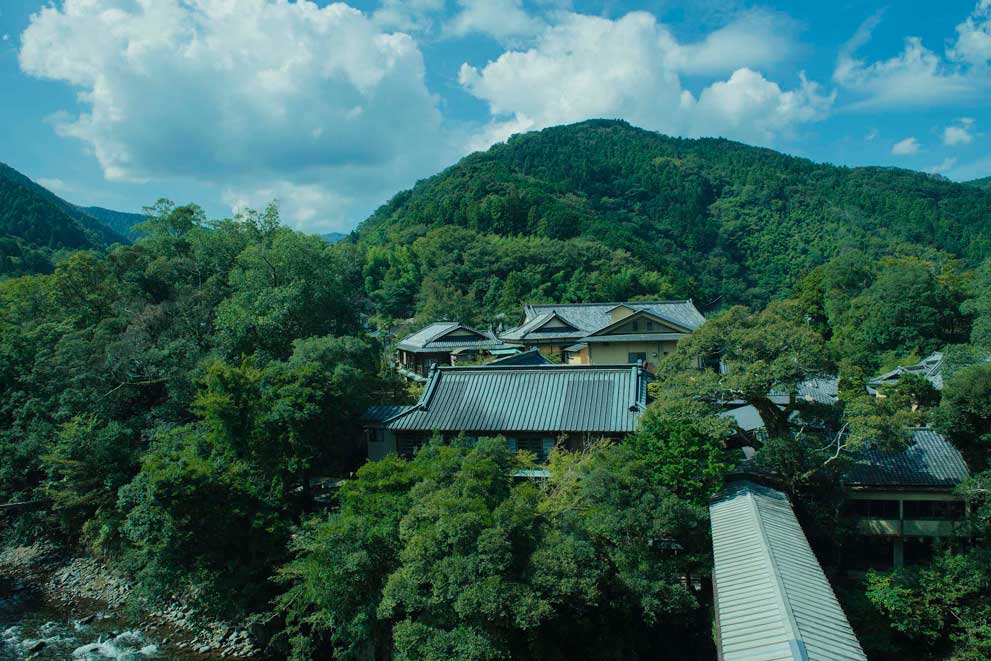
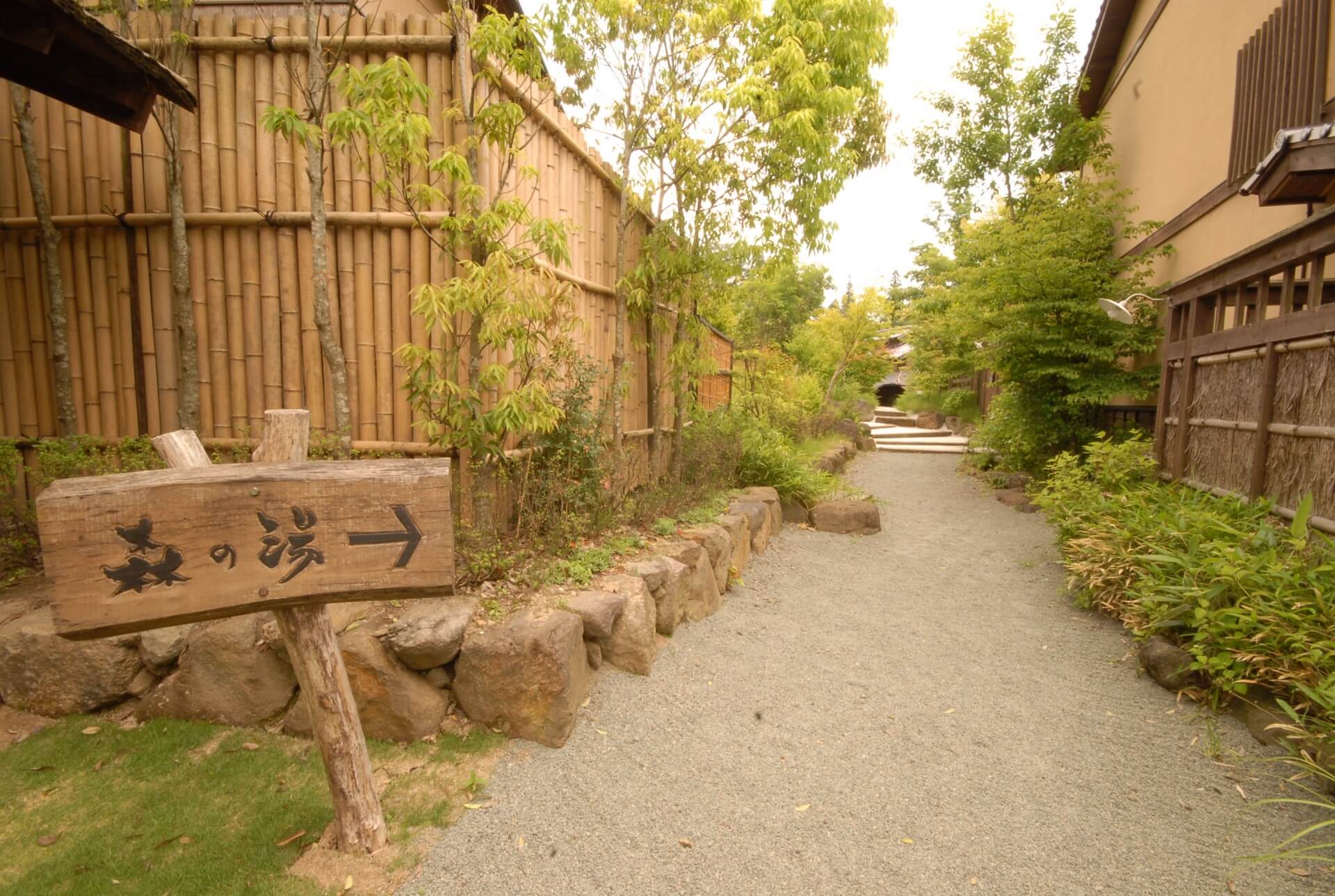
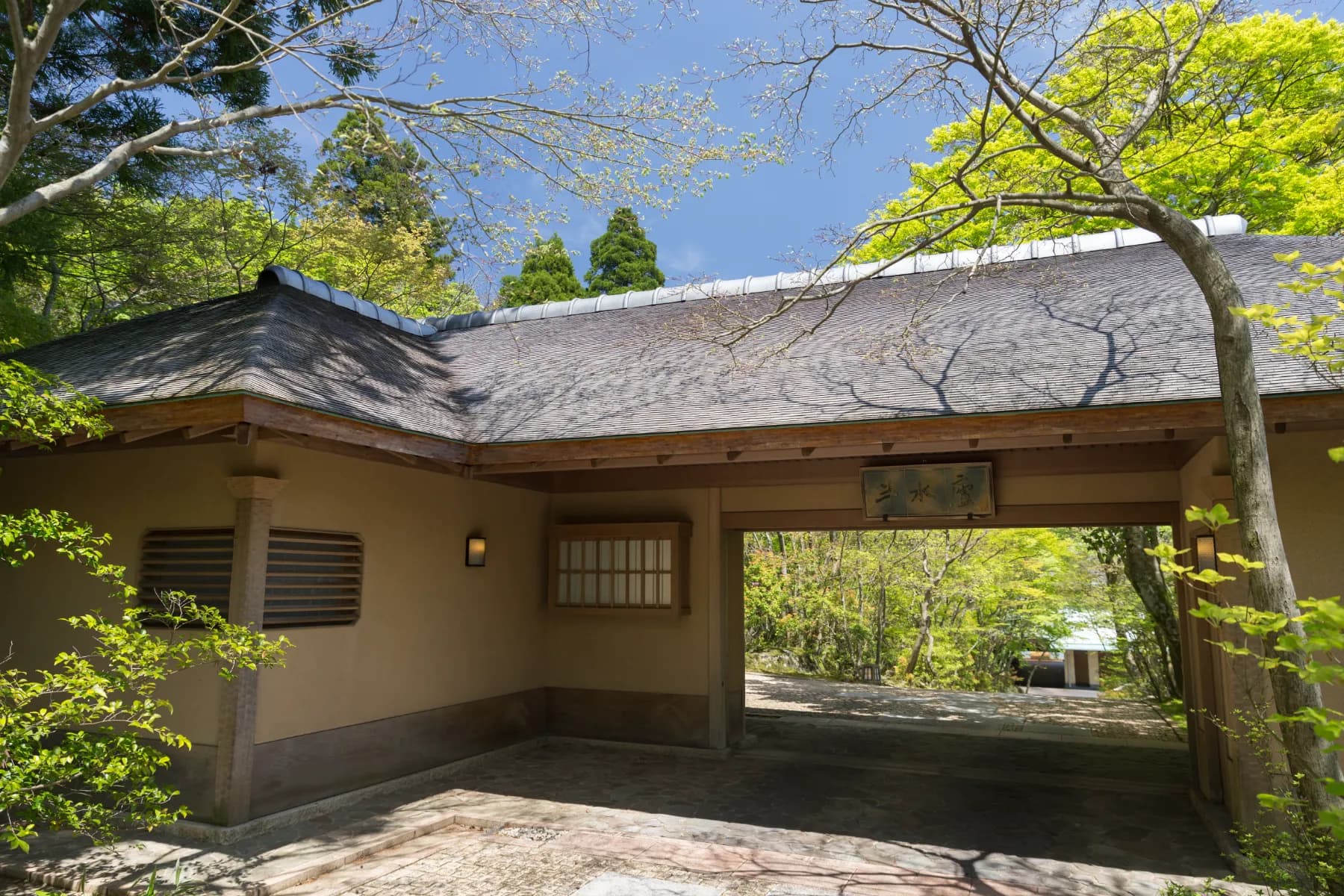
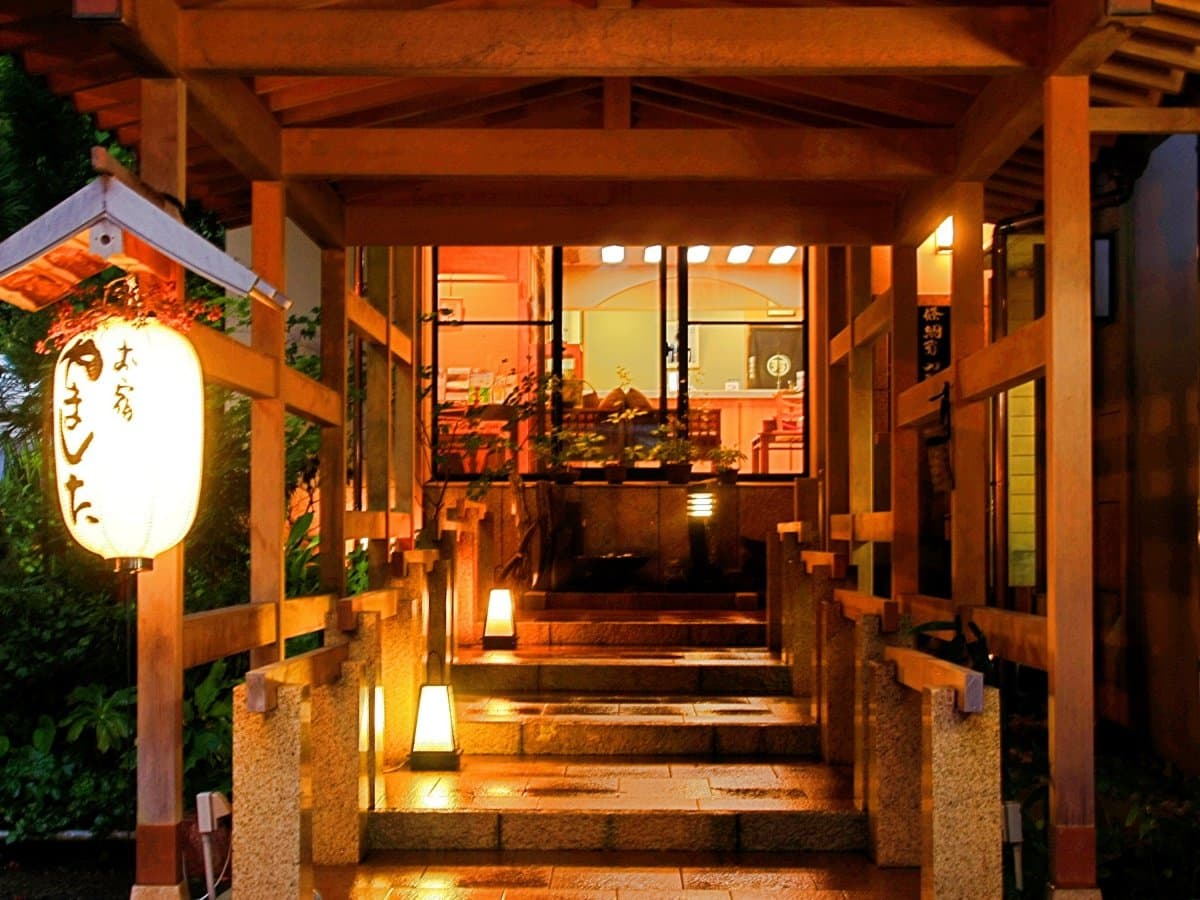
The moment you step out of your slippers and onto cool tatami, something shifts. A kimono-clad attendant places a cup of matcha and a single wagashi sweet in front of you. Somewhere nearby, your private open-air bath is already filling with water drawn from a volcanic spring. This is what the best ryokan for honeymoon in Japan actually feels like — and it has almost nothing in common with any hotel stay you have ever had.
A ryokan honeymoon is not just a place to sleep between sightseeing days. The stay *is* the experience. An 8-to-12 course kaiseki dinner served in your room by a dedicated attendant takes two to three hours. The outdoor bath is yours alone, at whatever hour you want it. You don't go anywhere; the ryokan brings Japan to you.
We've reviewed 224 properties in our database and hand-picked 12 that specifically excel for honeymooners — not just for couples in general, but for the once-in-a-lifetime trip where getting it wrong is genuinely not an option. These picks span five regions: Hakone, Kyoto, Izu Peninsula, Kinosaki Onsen, and the Kanazawa belt. Prices run from ¥40,000 to ¥640,000 per couple per night (roughly $270–$4,280 USD), all rates including kaiseki dinner and breakfast unless noted otherwise. All prices are approximate, converted at ~150 JPY/USD, and subject to exchange rate fluctuation.
If you're looking for the broader couples category rather than honeymoon-specific picks, our best ryokans for couples guide covers more ground. This article is written specifically for honeymooners.
---
What Makes a Ryokan Perfect for a Honeymoon?
Most "best ryokan" roundups are written for any traveller. This list is not. A ryokan that's excellent for a solo traveller exploring regional Japan might be the wrong call for two people celebrating the beginning of their marriage. The criteria here are deliberately narrower.
The 5 criteria we used to pick these 12 ryokans
1. Private open-air onsen (rotenburo) — en-suite or exclusive-use
This is the non-negotiable. There is a meaningful difference between two types of private bathing arrangements, and it matters enormously for a honeymoon ryokan with private onsen in Japan:
- *In-room rotenburo* — an outdoor hot spring bath on your own private terrace, usable any time, night or day, with complete seclusion. Hakone Kowakien Ten-yu and Beniya Mukayu guarantee this in every room. - *Kashikiriburo* — a dedicated private bath room that guests reserve for a 45–90 minute exclusive slot at check-in. Not en-suite, but still genuinely private. Asaba in Shuzenji offers two of these at no extra charge.
Communal shared baths — even beautiful ones — don't make the primary criterion here. For a honeymoon, privacy is the point. See our full guide to best ryokans with private onsen for a broader comparison.
One important note on tattoos: communal onsen baths at most traditional ryokans ban visible tattoos. Private in-room rotenburo are de facto tattoo-friendly — there are no other guests, so the policy is irrelevant. If you or your partner has visible tattoos, choose properties with in-room baths and confirm the policy directly before booking. Our tattoo-friendly ryokans guide covers specific property policies in detail.
2. In-room kaiseki dinner service
Eating in a communal dining room with other guests is perfectly lovely but it is not honeymoon dining. Every property on this list either serves kaiseki in your private room or has private dining rooms available. The difference in intimacy is significant.
3. English-friendliness
Planning an international honeymoon while navigating a Japanese-only website or phone line is stressful enough to undermine the whole trip. Every property here has either an English website, English email correspondence, or an English-language booking intermediary such as Relais & Châteaux or Ryokan Collection.
4. Honeymooner-specific extras
Several properties in this list proactively prepare welcome gifts, flower arrangements, handwritten cards, or sake sets for honeymoon couples — at no extra charge — when notified in advance. Those properties get priority here over ryokans with no ceremony around special occasions.
5. Value at ¥60,000–¥150,000 per couple per night
Not every entry hits this band — Tawaraya and Amanemu are in a different stratosphere — but value-for-what-you-get is assessed at each price point. A ¥40,000/night property with a private onsen and attentive service beats a ¥100,000/night property with a shared bath, full stop.
---
Price tiers at a glance
Before diving into the picks, a quick framework for self-selecting by budget:
- Budget-luxury (¥40,000–¥60,000/couple/night): Ochiairo Murakami base rooms, Nishimuraya Honkan entry rooms, Seikoro Ryokan. Private onsen possible but may require room upgrade. Full kaiseki experience included. - Luxury (¥60,000–¥150,000/couple/night): The core of this list — Ten-yu, Seikoro upper rooms, HOSHINOYA Kyoto, Asaba, Kayotei. Private onsen standard or included in premium rooms. The sweet spot for most honeymooners. - Ultra-luxury (¥150,000+/couple/night): Gora Kadan, Beniya Mukayu, Tawaraya, Amanemu. Private onsen guaranteed in every room or suite. Service-to-room ratios of 1:1 or better. These are honeymoon-of-a-lifetime investments.
---
How to choose your honeymoon region in Japan
Before you look at specific ryokans, decide which region fits your honeymoon. Each of the five areas here has a distinct character. Choosing wrong — booking a cultural immersion ryokan when you wanted dramatic ocean views — is a harder mistake to recover from on a honeymoon than on any other trip.
| Region | Best For | Travel from Tokyo | Travel from Osaka | |---|---|---|---| | Hakone | Mt. Fuji backdrop, easy access, volcanic baths | 90 min (Romancecar) | 3h (Shinkansen + transfer) | | Kyoto | Cultural depth, historic properties, temple mornings | 2h 15min (Shinkansen) | 15 min (Shinkansen) | | Izu Peninsula | Seclusion, Pacific views, fewer tourists | 2h (limited express) | 3.5h | | Kinosaki Onsen | Traditional townscape, yukata strolls, atmosphere | 2h 40min (Shinkansen + Konotori) | 2h 30min (Konotori) | | Kanazawa belt | Off-the-beaten-path luxury, Kaga culture, gorge views | 2h 30min (Shinkansen) | 2h 45min (Shinkansen) |
- Hakone is the pragmatic romantic choice. The [Hakone Romancecar](https://www.odakyu.jp/english/romancecar/) — a dedicated scenic train from Shinjuku — sets the mood before you even arrive. Mt. Fuji views are weather-dependent, but the volcanic onsen are not. Best for couples who want ryokan + Tokyo in one seamless trip.
- Kyoto suits couples who want to feel embedded in Japanese history. Mornings at Fushimi Inari before the crowds, evenings in your own tatami room with kaiseki and sake. The trade-off: Kyoto city ryokans often use heated soaking baths rather than natural volcanic onsen (there are no hot springs under Kyoto's city center). If natural onsen is your priority, note which properties actually have it.
- Izu Peninsula is where couples go for seclusion. The international tourist volume is noticeably lower than Hakone, the coastline is dramatic, and the best Izu ryokans serve seafood kaiseki (sea urchin, abalone, lobster from Suruga Bay) that you simply cannot get inland.
- Kinosaki Onsen offers something none of the other regions can: a living, breathing traditional onsen town where you and your partner walk between seven public bathhouses in your yukata, geta clacking on the cobblestones beside willow-lined canals. The townscape is the experience, as much as any individual ryokan.
- The Kanazawa belt (specifically Yamashiro and Yamanaka Onsen, 45–60 minutes from Kanazawa city) is the connoisseur's choice. Lower international visitor volume than any other region here, gorge-side settings, and Kaga cuisine — Kanazawa's own school of refined Japanese cooking — that rivals anything in Kyoto.
Tip
Planning tip: If your itinerary combines Tokyo and Kyoto, consider a 2-night Hakone stop on the outbound journey and a 2-night Kinosaki stop on the return. You get two completely different ryokan experiences — mountain vs. townscape — without any backtracking.
---
The 12 best ryokans for a honeymoon in Japan
These picks are organized by region, not ranked against each other. A 540-year-old Izu ryokan with a noh stage garden is not "better" or "worse" than a 16-room minimalist retreat in the Yamashiro hills — they are built for different couples. Read the whole list before booking.
Quick comparison: all 12 picks at a glance
| Property | Region | Price/couple/night (JPY) | Private Onsen Type | Meals | Booking | |---|---|---|---|---|---| | Gora Kadan | Hakone | ¥100,000–¥300,000+ | In-room rotenburo (select rooms) | Kaiseki + breakfast | OTA / direct | | Hakone Kowakien Ten-yu | Hakone | ¥45,000–¥150,000+ | In-room rotenburo (every room) | Breakfast incl.; dinner extra | OTA | | Tawaraya | Kyoto | ¥150,000–¥300,000+ | Private hinoki tub (no natural onsen) | Kaiseki + breakfast | Email only | | Seikoro Ryokan | Kyoto | ¥56,000–¥150,000+ | Private wooden soaking bath | Kaiseki + breakfast | OTA / direct | | HOSHINOYA Kyoto | Kyoto | ¥63,000–¥285,000 | Cedar soaking tub (no natural onsen) | Kaiseki + breakfast | OTA / direct | | Asaba | Izu (Shuzenji) | ¥90,000–¥180,000+ | Kashikiriburo (2 private reserved baths) | Kaiseki + breakfast | RC / OTA | | Ochiairo Murakami | Izu (Shuzenji) | ¥35,000–¥150,000+ | Select rooms + kashikiriburo | Kaiseki + breakfast | OTA | | Nishimuraya Honkan | Kinosaki | ¥40,000–¥180,000 | In-room rotenburo (select rooms) | Kaiseki + breakfast | OTA / direct | | Beniya Mukayu | Kanazawa belt | ¥157,000–¥460,000+ | In-room rotenburo (every room) | Kaiseki + breakfast | RC / OTA | | Kayotei | Kanazawa belt | Contact directly — no public rates | In-room rotenburo (select suites) | Kaiseki + breakfast | RC only | | Amanemu | Ise-Shima | ¥194,000–¥640,000+ | Private onsen in every suite/villa | Breakfast incl. | Direct / OTA | | Kishi-ke | Kamakura | Contact directly — no public rates | Private hinoki tub (no natural onsen) | Contact property | Direct only |
---
Hakone — Mountain views and easy access from Tokyo
Ninety minutes from Shinjuku by [Romancecar](https://www.odakyu.jp/english/romancecar/), Hakone sits in a volcanic crater with its own ecosystem of hot springs, mountain forests, and occasional, cloud-parting views of Mt. Fuji across the lake. It is Japan's most popular onsen destination for a reason.
Pick #1 — Gora Kadan (強羅花壇)
¥100,000–¥300,000+ per couple per night (incl. kaiseki dinner + breakfast) [verified KAYAK/Japan Uncharted 2025]
Gora Kadan is not simply a ryokan. It was built on the grounds of the Kan'in-no-miya summer villa — property of the Imperial Family from the early 18th century — and the weight of that heritage is palpable the moment you enter the sukiya-zukuri garden. The stone lanterns are centuries old. The cedar is the same shade as it was when Japanese royalty bathed here.
The property draws water from three on-site volcanic wells, producing a sulphate and bicarbonate spring that leaves skin noticeably soft after a single soak. Select annex suites come with private outdoor rotenburo on their terraces — the kind of bath you can slip into at 2am when you can't sleep and the forest is absolutely quiet. Guests in rooms without private baths have access to the shared indoor and outdoor communal baths from 15:00–24:00 and 06:00–09:00, which are also excellent, but for a honeymoon, the annex suites with private terraces are worth requesting specifically.
Dinner is 8–12 courses of seasonal kaiseki served in your room by a nakai-san in formal kimono. In spring this means bamboo shoots, mountain vegetables, and cherry blossom motifs in the presentation; in autumn, matsutake mushrooms and fatty duck. No two menus are ever identical because the kitchen builds them from whatever arrived from the market that morning.
The honest drawback: this is among the most expensive properties in Hakone. The ¥300,000+ nights are for suites — standard rooms start around ¥100,000/couple and already deliver the core experience. The annex suites book out fastest; check the official site for availability as early as possible.
Book Gora Kadan: [Trip.com](https://trip.com) | [Booking.com](https://www.booking.com) | [Expedia](https://www.expedia.com)
---
Pick #2 — Hakone Kowakien Ten-yu (箱根小涌園天悠)
¥45,000–¥150,000+ per couple per night (incl. breakfast; dinner plans available at additional cost) [verified Booking.com 2025, Hotels.com average $595]
Ten-yu's single defining feature deserves stating plainly: every room, without exception, has a private open-air onsen bath on its terrace. You do not need to book a premium suite or pay an upgrade. The private rotenburo is standard.
At ¥45,000–¥150,000/couple, Ten-yu is the most accessible genuine private-onsen experience in Hakone. Couples rate it 8.9/10 specifically for two-person stays on major booking platforms. The spring is authentic volcanic water — sodium chloride and sulphate from the Hakone volcanic zone — with mountain forest views framed by the terrace railing.
Room tiers run Superior, Maisonette, and Executive Suite, giving a clear upgrade path if you want to push the experience further. The Maisonette rooms have two levels with the rotenburo on the upper terrace; the sense of floating above the forest canopy is something that the room photos don't quite capture.
One consideration: the dining here is solid but not at the kaiseki artistry level of Gora Kadan. If you are primarily choosing Hakone for the onsen experience rather than the finest possible multi-course dinner, Ten-yu is the smarter value. For our full Hakone coverage including more options at every price point, see best ryokans in Hakone.
Book Hakone Kowakien Ten-yu: [Trip.com](https://trip.com) | [Booking.com](https://www.booking.com/hotel/jp/hakone-kowakien-tenyu.html) | [Expedia](https://www.expedia.com)
---
Kyoto — Cultural depth and machiya romance
Kyoto contains more UNESCO World Heritage Sites than most countries. The city's historic ryokans have been receiving pilgrims, merchants, poets, and heads of state for centuries. The trade-off every honeymooner should understand going in: Kyoto's city center has no volcanic hot springs, so city ryokans use heated soaking baths — private and luxurious, but not a natural onsen. If natural volcanic water is non-negotiable, pair a Kyoto ryokan with a side trip to Kinosaki (2.5 hours north by Konotori limited express).
Pick #3 — Tawaraya Ryokan (俵屋旅館)
¥150,000–¥300,000+ per couple per night (incl. kaiseki + breakfast) [partially verified; KAYAK shows from $1,013/night; contact directly for exact rates]
Founded in 1709, Tawaraya has been run by the same family for 12 generations. That is not a marketing line — it is 315 years of one family refining the same art of hospitality until it became something so distinctive that Alfred Hitchcock, Steven Spielberg, Harrison Ford, the Rockefellers, and multiple European royal families have all stayed here. Staying at Tawaraya on your honeymoon is not staying at a ryokan. It is joining a very long, very selective list.
The property has only 18 rooms, each with a private garden. A single nakai-san is assigned to you for your entire stay — she greets you, serves every course of dinner, draws your bath, and prepares your futons. The bathing is in private wooden hinoki (cypress) tubs in-room, not a natural onsen spring. The tubs are beautiful, deep, and entirely yours, but this is a crucial clarification: if you came specifically for volcanic hot spring water, Tawaraya is not the right choice.
What Tawaraya offers that no other property in Japan can replicate is the total convergence of history, intimacy, and omotenashi at the absolute apex of the craft. Inside Kyoto's editorial team put it simply: "If you can afford a night or two, it will be the memory of a lifetime."
Booking is by email only — Tawaraya is not listed on any OTA. Write to info@tawaraya-kyoto.com in English, stating your preferred dates, room preference (couple, single room), and dietary needs. Book 6–12 months in advance for peak seasons. For more on the Kyoto ryokan landscape, see our best ryokans in Kyoto guide.
Book Tawaraya: [Email: info@tawaraya-kyoto.com](mailto:info@tawaraya-kyoto.com) (no OTA booking available — book directly by email)
---
Pick #4 — Seikoro Ryokan (誠光楼), Kyoto
¥56,000–¥150,000+ per couple per night (incl. kaiseki + breakfast) [verified KAYAK from $377/night; Booking.com 2025]
Seikoro, established in 1831, earns its place here on a single data point that matters more than almost anything else for a honeymoon ryokan in Japan: a 9.4/10 couples rating on major booking platforms — the highest couples-specific score of any Kyoto ryokan in our research set. That score reflects something the algorithms can't manufacture: genuine warmth toward couples.
The staff at Seikoro proactively prepare complimentary origami cranes and handwritten cards for honeymoon guests when notified at booking. Not on request — proactively. There is something disarming about arriving in a foreign country, unable to read the signs or speak the language, and finding that the people who are about to take care of you have already thought about your happiness. That is what distinguishes Seikoro from a technically proficient but impersonal ryokan.
The location is strategic for Kyoto honeymooners: the property sits in the Higashiyama district, seven minutes by taxi from Kyoto Station and walking distance to the preserved Southern Higashiyama temple streets — Ninenzaka, Sannenzaka, Kiyomizudera. Morning walks through those stone-paved lanes before the tour groups arrive are a Kyoto experience that can't be replicated any other way.
The onsen situation here is the same as all Kyoto city properties: private wooden soaking baths in-room, not a natural volcanic spring. Beautiful, deep, and private — but no geothermal water. Seikoro fills the critical mid-range gap between Tawaraya's ¥150,000+ floor and the budget tier: at ¥56,000–¥150,000/couple, it delivers the full traditional Kyoto ryokan experience — garden-view rooms, in-room kaiseki, and the origami crane welcome — at a price that doesn't require a second mortgage.
Book Seikoro Ryokan: [Trip.com](https://trip.com) | [Booking.com](https://www.booking.com/hotel/jp/seikoro-ryokan.html) | [Expedia](https://www.expedia.com)
---
Pick #5 — HOSHINOYA Kyoto (星のや京都)
¥63,000–¥285,000 per couple per night (cherry blossom peak averages ~$1,351/night USD) [verified Luxury Intel 2026]
HOSHINOYA Kyoto does not have natural onsen. That needs to be clear before anything else. The baths are beautiful cedar soaking tubs, heated and private in your room — but no volcanic spring. If a natural hot spring is your definition of a romantic ryokan honeymoon, this is not your property.
What HOSHINOYA Kyoto *does* have is an arrival experience unlike anywhere else in Japan: you reach the property exclusively by a private boat up the Oi River into the Arashiyama gorge. Every single one of the 25 rooms faces the river. You fall asleep to the sound of water and wake to bamboo forest. The gorge walls rise on either side; there is no road noise, no view of another building, no other guests visible.
Hoshino Resorts has built a dedicated special occasions programme — a traditional Kyoto card-making experience, a keepsake photo album, and the option to hire the property's private Yakata river boat for two. The contemporary ryokan design includes beds alongside tatami, making the property more accessible for couples who sleep better off the floor.
The Arashiyama bamboo grove is a 10-minute boat ride away. For cherry blossom season, book as early as possible — peak April nights average nearly three times the low-season rate [verified Luxury Intel 2026, https://luxuryintel.co/hotels/hoshinoya-kyoto/].
Book HOSHINOYA Kyoto: [Trip.com](https://trip.com) | [Booking.com](https://www.booking.com) | [Expedia](https://www.expedia.com)
---
Izu Peninsula — Seclusion, Pacific views, and seafood kaiseki
Two hours south of Tokyo by limited express, the Izu Peninsula juts into the Pacific with a completely different character from the mountains of Hakone. The cliffs are dramatic, the seafood is extraordinary (Suruga Bay produces some of Japan's finest sea urchin, abalone, and spiny lobster), and the international tourist volume is noticeably lower. For couples who want Japan without the crowds, Izu rewards the extra travel time.
Pick #6 — Asaba (あさば)
¥90,000–¥180,000+ per couple per night (incl. kaiseki + breakfast) [partially verified; Selected Onsen Ryokan 2025; contact directly for exact rates]
Asaba was founded in 1484. Over 540 years later, this inn has operated continuously from the same site in Shuzenji's forested valley. That lineage makes Tawaraya (1709) look relatively recent.
The feature that separates Asaba from every other property in this guide is its noh stage — a traditional cypress performance stage standing in the garden, illuminated at night across a reflective pond. Past guests in Relais & Châteaux reviews describe sitting at their room window after dinner, watching the lanterns play on the water for an hour without speaking. That is what this garden is built for: the kind of silence that two people can share comfortably.
The bathing situation is generous: all 17 rooms have indoor natural hot spring baths (Shuzenji's sodium bicarbonate spring, historically one of Izu's finest), select rooms have open-air baths, and crucially, two kashikiri (private reservable) baths are available to all guests at no extra charge. Even couples in the base rooms can access a private outdoor onsen without paying a suite premium — reserve your slot at check-in.
Asaba is a Relais & Châteaux member, which means English booking is available through the RC network even though direct English support is limited. Tattoos are acceptable in the private kashikiri baths; check with the property directly regarding the communal bath.
Book Asaba: [Trip.com](https://trip.com) | [Relais & Châteaux](https://www.relaischateaux.com/us/hotel/asaba/) | [Booking.com](https://www.booking.com)
---
Pick #7 — Ochiairo Murakami (おちあいろう)
¥35,000–¥150,000+ per couple per night [partially verified; KAYAK from $240/night; Hotels.com average $344]
Ochiairo earned a Michelin Key — the Guide's new hotel distinction — and the building itself is a registered Japanese Tangible Cultural Property. The 16 rooms are all unique: centuries-old timber joinery, painted sliding screens, antique tansu chests. No two stays are quite alike.
For honeymooners with the budget, the Annex Shakunage is extraordinary: an entire three-story, 547m² private building available for exclusive use by one couple (up to 12 guests total). It has its own open-air bath, sauna, and kitchen, with in-room kaiseki delivery. Booking Shakunage is essentially renting a private heritage inn.
The base kaiseki is 9 courses, served in-room with Shuzenji's seasonal specialties — Izu spiny lobster, bamboo shoots from the surrounding forest, river fish. Ochiairo provides a free pickup from Shuzenji Station, which makes the logistics significantly easier. Shuzenji town itself — ancient Zen temples, bamboo paths, a traditional red bridge over the Katsura River — is one of Izu's most quietly romantic settings.
For the full Izu picture, see best ryokans in Izu.
Book Ochiairo Murakami: [Trip.com](https://trip.com) | [Booking.com](https://www.booking.com/hotel/jp/ochiairo-murakami.html) | [Expedia](https://www.expedia.com)
---
Kinosaki Onsen — Japan's most romantic onsen town
Kinosaki is not just a ryokan destination. It is a place where the entire town has been designed, over centuries, for the experience of bathing. Seven public bathhouses (sento) stand within 15 minutes' walk of each other, and after dinner, guests emerge from their ryokans into the lantern-lit streets in yukata and geta to hop between them. The willow-lined canal running through the center of town reflects the lights at night. There is nowhere else quite like it in Japan.
Kinosaki sits 2.5 hours from both Kyoto and Osaka on the Konotori limited express — close enough for a multi-city honeymoon itinerary, remote enough that it feels like a different world.
Pick #8 — Nishimuraya Honkan (西村屋本館)
¥40,000–¥180,000 per couple per night (incl. kaiseki + breakfast) [verified Booking.com 2025; KAYAK from $535/night]
Nishimuraya Honkan has been defining Kinosaki Onsen since it opened over 165 years ago. It is the gold standard here, and the staff know it — in the best possible way, meaning they have refined their hospitality to a level that handles international honeymoon guests with genuine warmth.
Staff at Nishimuraya are known to proactively recognise honeymoon couples and prepare complimentary gifts — handwritten cards, origami cranes, seasonal flowers. You don't have to ask or hint. Tell them at booking anyway; it gives them time to prepare something specific.
Select rooms (Sakura, Botan, Honjin, Horai, and several others) have private open-air baths. The spring is natural Kinosaki thermal water — sodium chloride bicarbonate, gentle on the skin and intensely warming in winter. Beyond your private bath, staying at Nishimuraya includes access to all seven of Kinosaki's public bathhouses at no additional charge, which is the defining Kinosaki experience. Dress in yukata after dinner and walk the canal streets together, entering each bathhouse in turn, until you've done all seven or run out of energy.
Winter is the peak romantic season at Kinosaki specifically because of matsuba crab — the Sanin coast's premium seasonal crab, available November through March, prepared in your kaiseki in four or five different preparations. Combined with snow falling into a private outdoor rotenburo, this is as close to a Japanese honeymoon postcard as real life gets.
The honest note: Kinosaki's town public baths generally ban tattoos. If either partner has visible tattoos, confirm whether your room's private bath covers your bathing needs, or check the current town bath policy before committing to this region. Our tattoo-friendly ryokans guide covers this in detail.
For more on Kinosaki's full property landscape, see our best ryokans in Kinosaki guide.
Book Nishimuraya Honkan: [Trip.com](https://trip.com) | [Booking.com](https://www.booking.com/hotel/jp/nishimuraya-honkan.html) | [Expedia](https://www.expedia.com)
---
Kanazawa area — Samurai culture and understated luxury
Kanazawa is Kyoto without the crowds. The samurai and geisha districts are intact, Kenroku-en garden is one of Japan's three great classical gardens, and the Noto Peninsula seafood rivals anything from Tokyo's Tsukiji. The Yamashiro and Yamanaka onsen towns sit 45–60 minutes from Kanazawa city — far enough to feel isolated in their gorge settings, close enough for a day trip into one of Japan's finest cultural cities.
Pick #9 — Beniya Mukayu (べにや無何有)
¥157,000–¥460,000+ per couple per night (per-person rates approximately ¥78,650–¥229,900; multiply by 2 and add ~20% service charge for total per-couple cost) [verified Ryokan Collection 2025, https://www.ryokancollection.com/ryokan/beniya-mukayu/]
The name "Mukayu" translates roughly as "richness in emptiness" — a Zen concept that explains everything about this property. The 16 rooms are sparse, deliberate, and designed to dissolve visual noise. Natural materials, garden views, intentional silence. This is a luxury ryokan honeymoon experience that deliberately takes the opposite approach from theatrical opulence: there is no lobby chandelier, no marble, no display of wealth. The luxury is the absence of stimulation.
Every single room has a private outdoor hot spring bath overlooking the garden — not available in some rooms or as an upgrade, but in every room, as standard. The spring is natural Yamashiro Onsen water, a chloride spring that has been drawing visitors to these hills since the property's founding in 1928. Communal indoor and outdoor baths and a sauna are also available, but with your own private bath right outside your sliding door, most couples rarely leave their rooms.
The Spa Entei offers treatments designed for two — the Yakushiyama healing experience can be booked as a honeymoon add-on. The Horin restaurant kaiseki uses Kaga cuisine: sea bass from the Sea of Japan coast, mountain vegetables specific to Ishikawa Prefecture, and Kaga lotus root prepared in the local tradition. For stays of two or more nights, the property offers tailor-made experience packages.
Beniya Mukayu is a Relais & Châteaux member and was featured in Michelin Guide Japan, which means English booking support is available through RC's network even if direct contact defaults to Japanese.
A note on pricing: Ryokan Collection publishes per-person rates. Budget approximately double the listed per-person rate, plus ~20% service charge, for total per-couple cost. At the Western Premier Garden View room level, expect roughly ¥157,000–¥180,000 per couple per night minimum.
Book Beniya Mukayu: [Trip.com](https://trip.com) | [Ryokan Collection](https://www.ryokancollection.com/ryokan/beniya-mukayu/) | [Booking.com](https://www.booking.com)
---
Pick #10 — Kayotei (加陽菊の湯)
Contact directly for current rates (estimated ¥80,000–¥200,000+ per couple per night based on comparable Kaga properties) [price unverified — rates not publicly published; book via Ryokan Collection]
Kayotei has 10 rooms. That number alone tells you what kind of place this is. With 10 rooms, the property has approximately one staff member per guest room. You are not a booking reference; you are a guest in a private house.
The setting is Yamanaka Onsen, where the haiku poet Matsuo Basho sojourned in 1689 and praised the waters as the finest in Japan — a quote that has been decorating Yamanaka ceramics ever since. The Kakusenkei gorge directly below the property is one of Japan's most photogenic onsen landscapes: forested, steep-walled, with a clear river running through the bottom. The Basho Suite and Higashiyama Suite both have private open-air baths facing the gorge.
Inside the ryokan, antique tansu furniture, hand-painted sliding screens, and original lacquerware create an atmosphere that feels closer to a collector's home than a hotel. The Kokin Salon-Bar provides a space for evening drinks before dinner — small, quiet, intimate.
English booking is available through Ryokan Collection, which acts as the English-language intermediary. Direct booking at the property defaults to Japanese. Contact for pricing, as no public rates are published.
Book Kayotei: [Ryokan Collection](https://www.ryokancollection.com/ryokan/kayotei/) (contact for rates — no OTA listing available for this property)
For more on the Kanazawa onsen belt, see our best ryokans in Kanazawa guide.
---
Pick #11 — Amanemu (アマネム), Ise-Shima *(Ultra-luxury pick)*
¥194,000–¥640,000+ per couple per night [verified KAYAK from $1,293; momondo average ~$2,029/night; verified 2026]
If you have read this far and thought "I want the very best possible Japan honeymoon, without compromise," Amanemu is the answer. It is the only Japan property in the Aman portfolio — the apex of a brand that is globally synonymous with honeymoon-level privacy and service.
The setting is Ise-Shima National Park on the Shima Peninsula in Mie Prefecture — forested hills above Ago Bay, 90 minutes from Nagoya by train. There are no other international luxury properties in the immediate area. The seclusion is total.
Every suite and villa has a private onsen bath fed by the natural Shima spring — sodium chloride water that holds heat and leaves skin soft. Villas have separate bath pavilions with both indoor and outdoor onsen facilities. The 2,000m² spa adds communal thermal pools, steam rooms, and an indoor pool. An Aman stay is meaningfully all-inclusive: round-trip transfers, daily breakfast, in-room refreshments, and full access to all wellness facilities are standard.
The proximity to Ise Jingu Grand Shrine adds a dimension no other property in this guide offers. Ise Jingu is Japan's most sacred Shinto site and has historically been the destination of choice for Japanese honeymooners — Ryoma Sakamoto and his wife traveled to Kyushu following their marriage in 1866, in what is often cited as Japan's first honeymoon journey. Visiting the Grand Shrine together on your honeymoon morning has a weight that no amount of thread count can replicate. [source: Japan National Tourism Organization, https://www.japan.travel/en/guide/honeymoon/]
The honest caveat: Amanemu prices are not for everyone. The entry-level suite at ~¥194,000/couple/night is approximately four times the Ten-yu base rate. If that is comfortable for your honeymoon budget, nothing else in Japan competes on this combination of natural setting, private onsen, and service depth.
Book Amanemu: [Trip.com](https://trip.com) | [Aman Direct](https://www.aman.com/resorts/amanemu/accommodation) | [Expedia](https://www.expedia.com)
---
Wildcard pick — Kishi-ke (岸家), Kamakura
Contact directly for current rates (no rates published publicly) [price unverified — kishi-ke.co.jp]
At dusk, from the rooftop balcony at Kishi-ke, the sun drops behind Sagami Bay and turns the water the color of copper. Kamakura's hills close in on either side, the Great Buddha sitting somewhere in the darkening cedar behind you, and for a few minutes the Pacific looks like it belongs to the two of you alone. That view — and the deliberate, unhurried programme built around it — is what Kishi-ke offers that no other property in this guide can replicate.
The property has a purpose-built honeymoon programme: couples who mention their honeymoon at booking receive what Kishi-ke's site describes as "various surprises," which in practice has meant private chef dinners with custom menus, professional photography during the stay, and a curated menu of cultural activities — tea ceremony, katana practice, handmade pottery, Buddhist cuisine lessons — assembled around the couple's own interests. The itinerary is built for you, not borrowed from a general activities list.
The baths are beautiful hinoki (cypress) soaking tubs, not natural onsen, a fact worth noting if volcanic spring water is your priority. Kamakura is 50 minutes from Tokyo by JR, noticeably less crowded than Kyoto or Hakone at the same season, and surrounded by ancient Zen temples and a Pacific beach. For a couple who wants Japan's cultural depth alongside a honeymoon programme that treats your trip as a singular event, this is the pick.
Book Kishi-ke: [Contact directly via kishi-ke.co.jp/honeymoon/](https://kishi-ke.co.jp/honeymoon/) (contact for rates — no OTA listing available for this property)
---
Honeymoon ryokan booking tips: when, how, and what to request
The anxiety of booking a honeymoon ryokan is real, and it is mostly caused by one thing: fear of misunderstanding something important through a language barrier and not realizing it until you arrive. These practical points address the most common failure modes.
How far ahead to book
Book a minimum of 6–9 months ahead for most luxury properties; 9–12 months minimum for top-tier properties during cherry blossom or autumn foliage season. The best rooms at Gora Kadan, Tawaraya, and Beniya Mukayu fill at the outer edge of that window during peak periods — late March through early April and mid-October through mid-November. Tawaraya, which accepts no OTA bookings, should be emailed at least 6 months ahead; earlier is better.
Many ryokans do not open their booking windows more than 3–6 months out. If you're planning a spring 2027 honeymoon right now, bookmark the property pages and set a calendar reminder for when their booking window opens.
How to tell the ryokan it's your honeymoon
Always mention it. Do this twice: once in the booking notes field on the OTA or in your initial email, and once in a follow-up email after your reservation is confirmed.
Tip
Honeymoon request tip: Keep the email short and specific: *"We are honeymooners arriving on [date]. We would be grateful for any honeymoon decoration or welcome amenity if available, and we would like to request [specific room type if applicable]. Our dietary needs are [list them]. Thank you."* Ryokans respond better to specific, polite requests than vague ones.
At Nishimuraya Honkan and Seikoro Ryokan, staff proactively prepare honeymoon gifts when notified in advance. Kishi-ke has a formal programme built around it. Several other properties in this guide will provide sake, seasonal flowers, or a special dessert course at no additional charge — but only if they know to prepare it.
Do we have to eat every meal at the ryokan?
The dinner plan is typically committed and paid at booking — it's included in the room rate at most of the properties here, so you've already paid for it and it would be a shame to miss a kaiseki that takes the kitchen two days to prepare. Breakfast is always included and worth staying in for. Lunch is a different matter: most traditional ryokans do not serve lunch at all, which means you are naturally free to go out — explore the town, visit a local restaurant, pick up something from a convenience store. Going out for lunch is completely normal and expected at virtually every ryokan on this list.
On-site practical tips
At properties with kashikiri (reservable private baths) rather than in-room rotenburo, reservation slots are typically 45–90 minutes. Slots are assigned at check-in and popular times (post-dinner, early morning) fill quickly. If you are not in the first check-in wave, ask the front desk as soon as you arrive.
Do not tip. A service charge is already embedded in the room rate — approximately 10–15% at most properties, and ~20% at Beniya Mukayu [verified Ryokan Collection 2025]. Tipping can cause genuine discomfort. At checkout, a sincere *"arigatou gozaimashita"* (thank you very much) is the appropriate expression of gratitude. If you feel moved to acknowledge a specific staff member who went above and beyond, a small amount in a paper envelope (*pochibukuro*) is called acceptable but entirely optional and may still be politely declined.
Dietary restrictions
Flag dietary needs at booking, not on arrival. A kaiseki dinner has typically 8–12 courses prepared from scratch for your room, with ingredients sourced days in advance. Informing the kitchen the morning of your arrival that one partner is allergic to shellfish forces last-minute substitutions that compromise the meal quality. State all allergies and aversions clearly in your booking notes.
Payment
Many traditional ryokans still prefer or require cash payment in yen on-site. The OTA platforms handle your deposit, but bring sufficient yen for the on-site balance, incidentals, and any add-on experiences. ATMs at Japan Post offices and 7-Eleven accept most international cards.
Travel insurance for high-value bookings
At Tawaraya — where email reservations carry non-refundable deposits — and at Amanemu villa rates exceeding ¥640,000/night, a single cancellation represents a significant financial exposure. Travel insurance that covers trip cancellation and interruption is not optional at this price tier. Confirm the cancellation policy in writing before paying any deposit.
Best time of year for a ryokan honeymoon
Cherry blossom (late March – early April) is the most visually romantic season and also the most demanding logistically. Book 9–12 months ahead. Prices at premium properties spike by 30–100% vs. the off-season. The payoff — sitting in an outdoor rotenburo with cherry blossoms falling around you — is genuinely extraordinary. See our guide to cherry blossom ryokan stays for property-specific sakura viewing.
Autumn foliage (mid-October – mid-November) is the connoisseur's choice. The foliage lasts roughly a month (versus sakura's one week), the air is crisp and clear, and kaiseki menus feature matsutake mushrooms and fatty autumn seafood. Less crowded than spring. Prices are elevated but not to the same extremes.
Winter (December – February) is the secret season for onsen honeymooners. Soaking in an outdoor rotenburo while snow falls is a uniquely Japanese experience that photographs cannot fully convey. Kinosaki in particular — snow on the willow branches, lanterns reflected on ice-edged canals — is the peak of what that town can be. Prices are lower than peak seasons (except around New Year, December 29–January 3, when rates surge). Matsuba crab kaiseki in Kinosaki and the Kanazawa belt is only available November through March.
Summer (July – August) is the pragmatic option: lower prices, better availability, no booking panic. Elevated ryokans in Hakone and Izu are cooled by altitude and sea breezes. Not the classic romantic ryokan honeymoon season, but for couples with inflexible dates or tighter budgets, summer delivers a full ryokan experience at better value. See autumn foliage ryokans for the foliage season equivalent.
---
What to expect on your first night at a ryokan
First-time ryokan guests sometimes feel a flicker of anxiety during check-in: there are protocols, there is a particular way things are done, and nobody wants to get their honeymoon evening off on the wrong foot. In practice, ryokan staff at any property on this list handle international guests with patient warmth. But knowing what's coming makes everything more enjoyable.
Check-in happens at the genkan — the step down at the entrance where you remove your shoes and exchange them for slippers. A staff member guides you to your room. At premium properties, this will be your nakai-san, the dedicated room attendant who handles your entire stay. She (almost always she, at traditional properties) will walk you through the room's features, show you how to operate the private bath, explain the dinner timing, and then bring matcha and a seasonal wagashi sweet. Take the 10 minutes to sit, drink the tea, and let the transition from travel noise to ryokan quiet land.
Yukata (a lightweight cotton robe) and geta (wooden sandals) are provided in your room. Wear the yukata with the left panel over the right — not the other way. Right over left is the funerary arrangement and will cause a kind, extremely embarrassed staff member to quietly correct you. In onsen towns like Kinosaki and Gero, wearing your yukata outside is expected; in city ryokans like Tawaraya, it's for the property only. See our ryokan packing list for everything else to bring.
Kaiseki dinner is typically served at 6pm or 6:30pm, in your room, by your nakai-san. Plan on two to three hours for a full seasonal menu. There is no hurry. This is the meal. Between courses, your nakai-san steps out; she appears and disappears with a timing so precise it feels choreographed, because it is. If you need more sake, a quiet word with her brings it within minutes. For a deep dive into what to expect course by course, see our kaiseki dinner guide.
The onsen — whether your private terrace rotenburo or a reservable kashikiri bath — requires one non-negotiable step first: rinse thoroughly at the shower stool and tap before getting in. The bath is for soaking only, never with soap. Keep your hair tied up and out of the water. Most couples spend 20–40 minutes per session; the water in a hot volcanic spring holds heat remarkably long.
Tip
Onsen etiquette: Rinse at the shower station before entering. No soap in the bath. Hair up. No swimwear. If you have a private bath, the time is entirely yours — there is no slot to return it by. Most couples find their best conversations happen in the rotenburo after dinner, somewhere between the first stars appearing and the water going cool. For a full breakdown of bathing customs, see our onsen etiquette guide for foreign visitors.
Breakfast is included in almost all plans and served the next morning in your room or a private dining area, typically from 8–9am. Japanese-style breakfasts at quality ryokans — grilled fish, miso soup with fresh tofu, rolled tamagoyaki egg, pickles, rice — are themselves an experience worth waking up for. Some properties offer a Western alternative; note your preference at check-in if needed.
Checkout is typically at 10am or 11am. Plan your next travel segment accordingly; the ryokan will hold luggage if you want a final morning walk before heading to the station.
---
Frequently asked questions
What is the best region for a ryokan honeymoon in Japan?
Hakone is best for convenience — 90 minutes from Tokyo, reliable volcanic onsen, Mt. Fuji views when cloud cover cooperates. Kyoto suits couples who want cultural depth first and onsen second. Izu offers seclusion with dramatic Pacific coastline and outstanding seafood kaiseki. Kinosaki is unmatched for traditional townscape atmosphere. The Kanazawa belt (Yamashiro/Yamanaka Onsen) is the off-beaten-path choice with gorge-side settings and lower tourist volume.
How much does a honeymoon ryokan in Japan cost?
The realistic range for properties that genuinely deliver a private onsen, in-room kaiseki dinner, and attentive honeymoon-grade service is ¥60,000–¥180,000 per couple per night, or roughly $400–$1,200 USD, meals included. Entry points exist from ¥35,000/couple (Ochiairo base rooms), and the ceiling at Amanemu villas exceeds ¥640,000/couple/night ($4,000+ USD). All USD prices are converted at approximately 150 JPY/USD (May 2026 rate) and are subject to exchange rate fluctuation.
Do honeymoon ryokans have private onsen?
The best ones do — and the distinction matters. Properties like Hakone Kowakien Ten-yu and Beniya Mukayu put a private outdoor rotenburo in every room as standard. Others (Asaba, Ochiairo) offer reservable kashikiri private bath rooms available to all guests. Always confirm the exact arrangement before booking: ask specifically for "kashikiriburo" (reservable private bath) or "heya rotenburo" (in-room outdoor bath).
Should I tell the ryokan it's my honeymoon?
Yes, and do it twice — in the initial booking notes and in a follow-up email. Nishimuraya Honkan and Seikoro Ryokan are confirmed to prepare honeymoon gifts proactively when notified in advance. Several other properties will add welcome sake, seasonal flowers, or a special dessert course at no charge. Kishi-ke has a full dedicated programme built around the honeymoon notification.
How far in advance do I need to book?
Book a minimum of 6–9 months ahead for most luxury properties. For cherry blossom season (late March–April) and autumn foliage peak (mid-October–November), the top rooms at Gora Kadan, Tawaraya, and Beniya Mukayu can sell out 9–12 months in advance. Tawaraya accepts no OTA bookings — email six months ahead at minimum.
Can non-Japanese speakers book and stay comfortably?
Yes, at every property in this list. All picks were selected partly on English-language accessibility — either a full English website, English email booking, or an established English booking intermediary (Relais & Châteaux, Ryokan Collection). Booking through Trip.com or Booking.com also adds a layer of customer support in your language if anything goes wrong before arrival.
Can we go out for meals instead of eating at the ryokan?
Dinner plans are paid and committed at booking, and they're the centrepiece of the ryokan experience — missing a kaiseki you've already paid for doesn't make sense. Breakfast is always included. Lunch is a different matter entirely: most ryokans don't serve it, which means you are free to explore local restaurants or the town as you like. Going out for lunch is completely normal.
---
Ready to book your Japan honeymoon ryokan?
Choosing the best ryokan for a honeymoon in Japan comes down to one decision before everything else: what matters most to you as a couple. If it is pure onsen experience — volcanic water, private outdoor bath, mountain or gorge setting — Hakone Kowakien Ten-yu or Beniya Mukayu deliver that without compromise. If it is history and prestige, Tawaraya (1709) and Asaba (1484) represent something no other accommodation category in any country can replicate. If it is atmosphere and townscape romance, Nishimuraya Honkan in Kinosaki puts you inside a living piece of traditional Japan. If it is absolute ultra-luxury, Amanemu in Ise-Shima sits in a category of its own. And if you want the most honeymoon-thoughtful Kyoto experience at a mid-range price, Seikoro's 9.4/10 couples rating and origami crane welcome speak for themselves.
Any of the 12 properties in this list will create a memory you carry for the rest of your marriage. The real risk is not choosing poorly from this list — it is waiting too long to book and watching availability disappear.
When you're ready to explore beyond these 12 picks, our full database covers 224 ryokans across 25 onsen regions.
---
*Prices verified as of May 2026. All JPY/USD conversions use an approximate rate of 150 JPY/USD and are subject to exchange rate fluctuation. Contact properties directly for current seasonal rates and availability.*
当你脱下拖鞋,踩上清凉的榻榻米,一切都悄然改变。身着和服的女服务员轻轻送上一杯抹茶和一块和果子。不远处,引自火山源泉的泉水,正静静地注满只属于你们的专属露天浴池。这就是日本最适合蜜月的旅馆(旅館,ryokan)真正的感觉——与你曾经有过的任何酒店住宿体验都截然不同。
旅馆蜜月不只是观光间隙的落脚地。住宿本身就是体验。由专属仲居(nakai-san)在房间里一道道上桌的8至12道怀石料理(懐石料理),需要两三个小时细细享用。那座露天浴池随时都是你们的,无论何时。你不需要去任何地方——旅馆把日本带到你面前。
我们对数据库中224家旅馆进行了深度评审,精选出12家真正适合蜜月旅行的旅馆——不是泛泛的情侣推荐,而是为那段"没有失误余地"的一生一次旅程所设的名单。这12家分布在五个地区:箱根、京都、伊豆半岛、城崎温泉,以及金泽地带。价格区间为每对每晚¥40,000至¥640,000日元(约合270至4,280美元,以下同),除特别注明外,均含怀石晚餐及早餐。所有价格为参考价格,按约150日元/美元汇率换算,受汇率波动影响。
若您寻找的是更广泛的情侣旅馆推荐而非蜜月专属,我们的情侣旅馆精选指南涵盖更多选择。本文专为蜜月旅行者撰写。
---
什么样的旅馆才真正适合蜜月?
大多数"旅馆推荐"文章面向所有旅行者。这份名单不是。一家适合独自探索日本地方的旅馆,对于共度婚姻起点的两个人来说,可能并非正确之选。这里的筛选标准刻意更加严格。
我们精选这12家旅馆所用的5条标准
1. 专属露天温泉(露天风吕)——客房附带或独家包场
这是无可妥协的条件。对于日本蜜月旅馆而言,两种私人泡汤方式存在本质区别,至关重要:
- *客室露天风吕*——设于你的私人露台上的户外温泉浴池,任何时间、日夜皆可使用,完全私密。箱根小涌园天悠和べにや无何有(Beniya Mukayu)在每间客房均有此配置。 - *包租浴(貸切風呂)*——入住时预订45至90分钟的独家使用时段,非客室内配置,但真正私密。修善寺的浅羽(Asaba)免费提供两间。
公共大浴场——即便再精美——不是这里的主要标准。蜜月旅行,私密性才是核心。详细比较请参阅私人温泉旅馆指南。
关于纹身的重要说明:大多数传统旅馆的公共温泉禁止可见纹身入浴。客室内的露天风吕实际上对纹身友好——没有其他客人,规定自然不适用。若您或伴侣有可见纹身,请选择客室内附温泉的旅馆,并在预订前直接与旅馆确认政策。详情请参阅纹身友好旅馆指南。
2. 客室内怀石料理服务
与其他住客同坐大餐厅用餐固然也不错,但那不是蜜月餐桌。本名单中所有旅馆,要么在您的私室上怀石料理,要么设有独立包间餐厅。那种亲密感的差异,是决定性的。
3. 英语友好程度
在纯日语网站或日语电话号码中规划国际蜜月行程,足以让整个旅程蒙上阴影。本名单中所有旅馆,均拥有英语官网、英语邮件对应,或通过Relais & Châteaux、Ryokan Collection等英语预订中介可以完成预订。
4. 蜜月专属服务
名单中多家旅馆会在提前告知后,主动为蜜月情侣准备欢迎礼品、插花、手写贺卡或清酒礼盒——无需额外收费。这类旅馆比那些对特殊场合毫无仪式感的旅馆更受我们的优先推荐。
5. 每对每晚¥60,000至¥150,000的价值感
并非所有入选旅馆都在此价格区间内——俵屋和Amanemu属于另一个层次——但每个价格点我们都评估了性价比。一家提供专属温泉和贴心服务的¥40,000/晚旅馆,胜过一家仅有公共浴场的¥100,000/晚旅馆,毋庸置疑。
---
价格层级速览
在进入具体推荐之前,先了解按预算自选的参考框架:
- 经济奢华(¥40,000–¥60,000/对/晚): 落合楼村上基础客房、西村屋本馆入门房型、晴鸭楼旅馆。专属温泉可能需要升级客房。怀石料理体验完整包含。 - 豪华(¥60,000–¥150,000/对/晚): 本名单核心——天悠、晴鸭楼高级客房、星のや京都、浅羽、加陽菊の湯。高级客房通常标配或含专属温泉。最适合大多数蜜月情侣的价格区间。 - 超豪华(¥150,000以上/对/晚): 强罗花坛、べにや无何有、俵屋、Amanemu。所有客房或套房均保证配备专属温泉。服务与客房比例达到1:1或更高。这些是"一生一次蜜月"级别的投入。
---
如何选择日本蜜月旅行目的地
在查看具体旅馆前,先确定适合你们蜜月的地区。这里介绍的五个区域各有鲜明特色。选错了——想要壮阔海景却订了文化体验型旅馆——这在蜜月旅行中比任何其他旅途都更难弥补。
| 地区 | 最适合 | 东京出发 | 大阪出发 | |---|---|---|---| | 箱根 | 富士山背景、交通便利、火山温泉 | 90分钟(浪漫特快) | 3小时(新干线+换乘) | | 京都 | 深厚文化、历史旅馆、清晨寺庙 | 2小时15分(新干线) | 15分钟(新干线) | | 伊豆半岛 | 静谧、太平洋风光、游客较少 | 2小时(特急) | 3.5小时 | | 城崎温泉 | 传统温泉小镇风情、浴衣漫步、氛围感 | 2小时40分(新干线+こうのとり) | 2小时30分(こうのとり) | | 金泽地带 | 冷门奢华、加贺文化、峡谷景观 | 2小时30分(新干线) | 2小时45分(新干线) |
- 箱根是务实又浪漫的选择。[小田急浪漫特快](https://www.odakyu.jp/english/romancecar/)从新宿出发,还没到达目的地,旅程的气氛就已经烘托出来了。富士山景观取决于天气,但火山温泉无论何时都在。适合希望将旅馆体验与东京行程无缝衔接的情侣。
- 京都适合想要沉浸在日本历史中的情侣。人潮涌入前的伏见稻荷,在自己的榻榻米房间里享用怀石料理与清酒的夜晚。有一点需要了解:京都市区旅馆通常使用加热的泡澡水,而非天然火山温泉(京都市中心地下没有温泉)。如果天然温泉是必要条件,可将京都旅馆与向北2.5小时车程的城崎温泉一日游相结合。
- 伊豆半岛是向往静谧的情侣的去处。外国游客数量明显少于箱根,海岸线壮观,最好的伊豆旅馆提供的海鲜怀石(驿河湾的海胆、鲍鱼、伊势龙虾)是内陆无法比拟的。
- 城崎温泉提供其他地区都无法复制的体验:穿着浴衣,踩着木屐,在柳树运河旁的石板路上叩响脚步声,巡游七处公共浴场。小镇风景本身就是体验,不亚于任何一家旅馆。
- 金泽地带(具体为山代温泉和山中温泉,距金泽市区45至60分钟)是行家的选择。外国游客数量在本名单各地区中最低,峡谷边的景致,以及可与京都一较高下的加贺料理,是别处难以复制的。
Tip
行程规划建议: 若行程同时包含东京和京都,可考虑在去程安排2晚箱根,回程安排2晚城崎。山间旅馆与温泉小镇旅馆,两种截然不同的体验,无需任何重复路线。
---
日本蜜月最佳旅馆12选
以下旅馆按地区排列,相互之间并不做排名比较。一家有能剧舞台庭院的540年历史伊豆旅馆,并不"优于"或"劣于"山代丘陵中的16间极简风隐居——它们服务的是不同类型的情侣。请在预订前通读整份名单。
12家旅馆一览对比
| 旅馆名称 | 地区 | 每对每晚价格(日元) | 专属温泉类型 | 餐食 | 预订方式 | |---|---|---|---|---|---| | 强罗花坛 | 箱根 | ¥100,000–¥300,000以上 | 客室露天风吕(部分客房) | 怀石料理+早餐 | OTA/直接 | | 箱根小涌园天悠 | 箱根 | ¥45,000–¥150,000以上 | 客室露天风吕(全部客房) | 早餐含;晚餐另计 | OTA | | 俵屋旅馆 | 京都 | ¥150,000–¥300,000以上 | 专属桧木浴槽(非天然温泉) | 怀石料理+早餐 | 仅邮件 | | 晴鸭楼 | 京都 | ¥56,000–¥150,000以上 | 专属木质泡澡桶 | 怀石料理+早餐 | OTA/直接 | | 星のや京都 | 京都 | ¥63,000–¥285,000 | 杉木泡澡桶(非天然温泉) | 怀石料理+早餐 | OTA/直接 | | 浅羽 | 伊豆(修善寺) | ¥90,000–¥180,000以上 | 包租浴(2间,免费) | 怀石料理+早餐 | RC/OTA | | 落合楼村上 | 伊豆(修善寺) | ¥35,000–¥150,000以上 | 部分客房+包租浴 | 怀石料理+早餐 | OTA | | 西村屋本馆 | 城崎 | ¥40,000–¥180,000 | 客室露天风吕(部分客房) | 怀石料理+早餐 | OTA/直接 | | べにや无何有 | 金泽地带 | ¥157,000–¥460,000以上 | 客室露天风吕(全部客房) | 怀石料理+早餐 | RC/OTA | | 加陽菊の湯 | 金泽地带 | 直接询价 | 客室露天风吕(部分套房) | 怀石料理+早餐 | 仅RC | | Amanemu(阿曼内姆) | 伊势志摩 | ¥194,000–¥640,000以上 | 所有套房/别墅含专属温泉 | 早餐含 | 直接/OTA | | 岸家 | 镰仓 | 直接询价 | 专属桧木浴槽(非天然温泉) | 直接联系旅馆 | 仅直接 |
---
箱根——东京周边的山岳美景
从新宿乘[浪漫特快](https://www.odakyu.jp/english/romancecar/)仅90分钟,箱根坐落于火山破火山口内,拥有丰富的温泉、山地森林,以及偶尔拨云见日的富士山景色。成为日本最受欢迎温泉目的地,绝非偶然。
精选 #1 — 强罗花坛(Gora Kadan,日文:強羅花壇)
每对每晚¥100,000–¥300,000以上(含怀石晚餐+早餐)[来源已核实 KAYAK/Japan Uncharted 2025]
强罗花坛不只是一家旅馆。它建于18世纪初皇室所有的闲院宫别邸旧址之上——踏入数寄屋造庭园的那一刻,那份历史的分量便扑面而来。石灯笼历经数百年风霜,杉木的色泽与当年日本皇室沐浴时无异。
旅馆从三口自营火山井引水,产出硫酸盐碳酸氢盐泉,单次浸泡便能明显感受皮肤的柔润。别馆部分套房的露台设有专属户外露天风吕——那种可以在夜里两点辗转难眠时悄悄滑进去、四周森林一片寂静的浴池。无专属浴池的客房可在15:00至24:00及06:00至09:00使用公共内汤和露天浴场,同样出色,但蜜月之旅,特别推荐预订带专属露台的别馆套房。
晚餐是身着正装和服的仲居在客房上桌的8至12道季节怀石料理。春季是竹笋、山野菜和樱花装饰,秋季则是松茸和肥美的鸭肉。每日菜单随当天市场食材而变,从不重复。
坦率地说:这是箱根价格最高的旅馆之一。¥300,000以上的是套房——标准客房每对约¥100,000起即可体验到核心精髓。别馆套房最快售罄,请尽早查询官网预订。
预订强罗花坛: [Trip.com](https://trip.com) | [Booking.com](https://www.booking.com) | [Expedia](https://www.expedia.com)
---
精选 #2 — 箱根小涌园天悠(Hakone Kowakien Ten-yu,日文:箱根小涌園天悠)
每对每晚¥45,000–¥150,000以上(含早餐;晚餐套餐另行收费)[来源已核实 Booking.com 2025, Hotels.com平均$595]
天悠最核心的特点值得开门见山地说:每间客房,无一例外,露台上均配有专属户外温泉风吕。 无需预订豪华套房,无需支付升级费用。私人露天风吕是标准配置。
在¥45,000至¥150,000/对的价格区间,天悠是箱根体验真正专属温泉最易实现的选择。在主要预订平台上,两人入住评分达8.9/10。泉质为真正的火山性温泉——来自箱根火山带的氯化物硫酸盐泉,露台栏杆外是山间森林的景致。
客房分为高级房、复式房和行政套房,提供清晰的升级路径。复式房分上下两层,露天风吕位于上层露台,那种悬浮于林冠之上的感受,是照片无法传达的。
需说明一点:这里的餐饮扎实可口,但怀石料理的艺术性不及强罗花坛。若选择箱根的首要目的是温泉体验而非极致的多道料理,天悠是更明智的性价比之选。箱根各价格段更多旅馆选择,请参阅箱根旅馆精选。
预订箱根小涌园天悠: [Trip.com](https://trip.com) | [Booking.com](https://www.booking.com/hotel/jp/hakone-kowakien-tenyu.html) | [Expedia](https://www.expedia.com)
---
京都——深厚文化与町家情调
京都拥有超过大多数国家的联合国教科文组织世界遗产数量。这座城市的历史旅馆几百年来迎接过朝圣者、商人、诗人和国家元首。每位蜜月旅行者都应提前了解的权衡之处:京都市区没有火山温泉,因此城内旅馆使用的是加热泡澡水——私密而奢华,但并非天然温泉。若天然火山泉水是必要条件,可将京都旅馆与乘こうのとり特急向北2.5小时的城崎温泉短途旅行相结合。
精选 #3 — 俵屋旅馆(Tawaraya Ryokan,日文:俵屋旅館)
每对每晚¥150,000–¥300,000以上(含怀石料理+早餐)[部分已核实;KAYAK显示$1,013/晚起;请直接联系获取确切价格]
1709年创立的俵屋旅馆,由同一家族传承了12代。这不是营销词汇——而是一个家族315年间不断磨砺同一门待客之道,直至如此独树一帜:阿尔弗雷德·希区柯克、史蒂文·斯皮尔伯格、哈里森·福特、洛克菲勒家族以及多位欧洲王室成员均曾在此下榻。在俵屋度过蜜月,不是在旅馆住宿,而是跻身一份漫长而精挑细选的名单。
旅馆仅有18间客房,每间均有专属庭院。一位专属仲居贯穿整段住宿——迎接入住、上完每一道晚餐、放好泡浴热水、铺好被褥。浴室是客室内专属桧木(柏树)浴槽,并非天然温泉。浴槽深厚精美,完全属于你们,但必须明确一点:若您专程为火山温泉而来,俵屋并非正确的选择。
俵屋所能提供、日本其他旅馆无法复制的,是历史、亲密感与最顶级待客之道的完全交融。京都权威旅游媒体Inside Kyoto的编辑团队如此形容:"如果你能负担一两晚,那将是一生的记忆。"
预订仅限邮件——俵屋旅馆不在任何OTA平台上架。请用英语发送邮件至info@tawaraya-kyoto.com,注明首选日期、房型需求(双人入住)及饮食要求。旺季建议提前6至12个月预订。更多京都旅馆选择,请参阅京都旅馆精选。
预订俵屋: [邮件:info@tawaraya-kyoto.com](mailto:info@tawaraya-kyoto.com)(不支持OTA预订——请直接邮件预订)
---
精选 #4 — 晴鸭楼(Seikoro Ryokan,日文:晴鴨楼)
每对每晚¥56,000–¥150,000以上(含怀石料理+早餐)[来源已核实 KAYAK $377/晚起;Booking.com 2025]
创建于1831年的晴鸭楼能入选这份名单,凭借的是一个数据点,其重要性在日本蜜月旅馆的评估中几乎无可匹敌:在主要预订平台上情侣评分高达9.4/10——这是本研究中所有京都旅馆中情侣专项评分的最高值。这个数字反映了算法无法制造的东西:对情侣真诚的温暖。
晴鸭楼的工作人员在预订时告知蜜月信息后,会主动为蜜月情侣准备免费的折纸千纸鹤和手写贺卡。不是等客人要求——而是主动准备。来到异国他乡,不认识路牌,语言不通,却发现即将照料你们的人早已考虑到你们的幸福——这就是晴鸭楼与技艺娴熟但缺乏温度的旅馆之间的区别。
位置对京都蜜月旅行者极为便利:旅馆位于东山区,距京都站打车仅7分钟,步行即可到达南禅寺石板街道——二年坂、三年坂、清水寺。在旅行团涌入前的清晨漫步其中,是只能以这种方式体验的京都记忆。
温泉情况与所有京都市内旅馆相同:客室内专属木质泡澡桶,而非天然火山泉。精美、深浴、私密——但没有地热水。晴鸭楼填补了俵屋¥150,000以上起价与经济级之间的关键中间档:以¥56,000至¥150,000/对的价格,提供完整的传统京都旅馆体验——园景客房、客室怀石料理、折纸鹤迎宾——而不需要背负额外的经济压力。
预订晴鸭楼: [Trip.com](https://trip.com) | [Booking.com](https://www.booking.com/hotel/jp/seikoro-ryokan.html) | [Expedia](https://www.expedia.com)
---
精选 #5 — 星のや京都(HOSHINOYA Kyoto)
每对每晚¥63,000–¥285,000(樱花盛开高峰期平均约$1,351/晚 USD)[来源已核实 Luxury Intel 2026]
星のや京都没有天然温泉。在说其他任何内容之前,这一点必须明确。浴室是精美的杉木泡澡桶,在客室内加热使用——但没有火山泉水。若您对浪漫旅馆蜜月的定义是天然温泉,这里不适合您。
星のや京都*所拥有的*,是日本别处无法复制的抵达体验:抵达旅馆的唯一方式,是乘坐专用小船沿大堰川逆流而上,驶入嵯峨野峡谷。25间客房全部面向河流。入睡时伴着流水声,醒来看见竹林。峡谷的山壁在两侧耸立,没有车声,没有其他建筑,没有其他客人的身影。
星野度假村为特殊场合设计了专属项目——传统京都明信片制作体验、纪念照片册,以及包租旅馆专属屋形船供两人独享的选项。现代旅馆设计中,榻榻米旁还设有床铺,让不习惯睡地铺的情侣也能适应。
嵐山竹林乘船10分钟即达。樱花季请尽早预订——四月高峰期的夜间价格约为淡季的三倍 [来源已核实 Luxury Intel 2026, https://luxuryintel.co/hotels/hoshinoya-kyoto/]。
预订星のや京都: [Trip.com](https://trip.com) | [Booking.com](https://www.booking.com) | [Expedia](https://www.expedia.com)
---
伊豆半岛——静谧、太平洋风光与海鲜怀石
从东京乘特急向南两小时,伊豆半岛突入太平洋,与箱根的山岳风光截然不同。海岸线雄奇壮观,海鲜出类拔萃(骏河湾出产日本顶级海胆、鲍鱼和伊势龙虾),外国游客数量明显偏少。对于想要感受人烟稀少的日本的情侣来说,额外的车程绝对值得。
精选 #6 — 浅羽(Asaba,日文:あさば)
每对每晚¥90,000–¥180,000以上(含怀石料理+早餐)[部分已核实;Selected Onsen Ryokan 2025;请直接联系获取确切价格]
浅羽创立于1484年。540余年后,这家旅馆依然在修善寺森林谷地的同一处地方持续经营。这份传承,使得1709年创立的俵屋显得"资历尚浅"。
使浅羽在本指南中独树一帜的,是它的能剧舞台——一座传统桧木舞台矗立于庭院中,夜晚灯光亮起,映照在反光的池面上。Relais & Châteaux评论中有过客描述:晚餐后坐在房间窗前,静看灯影在水中摇曳了整整一个小时,不发一语。这座庭院正是为此而设——为两个人可以安心共享的那种沉默。
泡汤安排相当慷慨:17间客室均设有室内天然温泉浴室(修善寺碳酸氢钠温泉,历史上伊豆最上乘的温泉之一),部分客室设有露天浴池;关键是,包租浴(貸切風呂)对所有客人免费开放两间。即使是基础客室的情侣,也无需支付套房费用即可享用专属户外温泉——入住时预订即可。
浅羽是Relais & Châteaux成员旅馆,这意味着即使直接英语支持有限,也可通过RC网络进行英语预订。包租浴允许有纹身的客人入浴;公共浴场政策请直接与旅馆确认。
预订浅羽: [Trip.com](https://trip.com) | [Relais & Châteaux](https://www.relaischateaux.com/us/hotel/asaba/) | [Booking.com](https://www.booking.com)
---
精选 #7 — 落合楼村上(Ochiairo Murakami,日文:おちあいろう)
每对每晚¥35,000–¥150,000以上 [部分已核实;KAYAK $240/晚起;Hotels.com平均$344]
落合楼村上荣获米其林"钥匙"标志——指南新设的酒店认定——建筑本身更是日本登录有形文化财。16间客房各有不同:数百年历史的木结构榫卯、彩绘推拉门、古典箱柜。每次住宿都是独特的体验。
对于有预算的蜜月情侣,别馆"石楠花"堪称惊艳:整栋三层、547平方米的独立建筑可供一对情侣(最多12位宾客)独占使用。自有露天浴池、桑拿和厨房,怀石料理送房服务一并提供。预订石楠花,实质上是租用一栋私人文化遗产旅馆。
基础怀石料理共9道,在客室内以修善寺时令食材呈现——伊豆伊势龙虾、周边山林的竹笋、河鱼。落合楼提供修善寺站免费接送,大幅简化了交通安排。修善寺古镇本身——古老的禅寺、竹径、横跨桂川的传统红桥——是伊豆最幽静浪漫的场所之一。
完整伊豆旅馆推荐请参阅伊豆旅馆精选。
预订落合楼村上: [Trip.com](https://trip.com) | [Booking.com](https://www.booking.com/hotel/jp/ochiairo-murakami.html) | [Expedia](https://www.expedia.com)
---
城崎温泉——日本最浪漫的温泉小镇
城崎不只是旅馆目的地,而是一座整个小镇历经数百年专为"泡汤体验"而设计的地方。七处公共浴场(外湯,sotoyu)分布在步行15分钟的范围内,晚餐后,宾客穿着浴衣和木屐走出旅馆,来到灯笼点亮的街道上,逐一巡游各处浴场。贯穿小镇中心的柳树运河,夜晚将灯光倒映水面。日本没有第二处这样的地方。
城崎距京都和大阪两地乘こうのとり特急均约2.5小时——近到足以纳入多城市蜜月行程,远到让人恍若置身另一个世界。
精选 #8 — 西村屋本馆(Nishimuraya Honkan,日文:西村屋本館)
每对每晚¥40,000–¥180,000(含怀石料理+早餐)[来源已核实 Booking.com 2025;KAYAK $535/晚起]
西村屋本馆在城崎温泉定义行业标准已逾165年。这里是城崎当之无愧的金字招牌——工作人员也深知这一点,并以最好的方式体现出来:他们将待客之道打磨到了能以真诚温暖接待国际蜜月情侣的高度。
西村屋的工作人员以主动识别蜜月情侣著称,会提前准备手写贺卡、折纸千纸鹤、当季鲜花等免费赠礼。不需要您开口暗示。尽管如此,预订时仍请主动告知——让他们有时间为您准备更具针对性的惊喜。
"樱""牡丹""本陣""蓬莱"等部分客房设有专属露天浴池。泉质为城崎天然温泉——碳酸氢钠氯化物泉,肌肤温柔,冬季尤为暖身。专属浴池之外,住宿西村屋还可免费畅游城崎全部七处外湯,这正是城崎体验的精髓所在。晚餐后换上浴衣,一起沿运河街道漫步,逐一进入各处浴场,直到游遍七处或精疲力竭为止。
城崎浪漫巅峰在冬季,原因正是松叶蟹——山阴海岸出产的顶级时令螃蟹,每年11月至次年3月供应,在怀石料理中以四五种不同烹饪方式呈现。雪花飘落进专属户外露天风吕的画面,已是日本蜜月明信片式的场景。
坦诚说明:城崎的公共浴场通常禁止纹身入浴。若任一方有可见纹身,请确认客室私人浴池是否能满足入浴需求,或在确定行程前查询当地浴场的现行规定。详情请参阅纹身友好旅馆指南。
城崎全部旅馆推荐请参阅城崎旅馆精选。
预订西村屋本馆: [Trip.com](https://trip.com) | [Booking.com](https://www.booking.com/hotel/jp/nishimuraya-honkan.html) | [Expedia](https://www.expedia.com)
---
金泽地区——武家文化与低调奢华
金泽是没有人潮的京都。武家屋敷和茶屋街保存完好,兼六园是日本三大名园之一,能登半岛的海鲜不亚于东京筑地市场。山代温泉和山中温泉距金泽市区45至60分钟——深处峡谷足以感受远离尘嚣,又近到可以前往日本顶级文化城市进行一日游。
精选 #9 — べにや无何有(Beniya Mukayu)
每对每晚¥157,000–¥460,000以上(每人约¥78,650至¥229,900;乘以2并加收约20%服务费即为每对总费用)[来源已核实 Ryokan Collection 2025, https://www.ryokancollection.com/ryokan/beniya-mukayu/]
"无何有"这个名字大致意为禅宗所说的"空中之丰"——这个概念解释了旅馆的一切。16间客室简约、刻意,旨在消除视觉噪音。天然素材、庭院景致、刻意的静默。这是豪华旅馆蜜月体验中刻意走向奢靡浮华反面的设计:没有大堂吊灯,没有大理石,没有财富的炫耀。奢华在于刺激感的缺席。
每一间客房都有专属户外温泉浴池俯望庭院——不是"部分客房"或"升级选项",而是全部客房的标准配置。泉质为山代温泉天然源泉,一种氯化物泉,自1928年旅馆创立起便吸引着游客前来。公共内汤、露天浴场和桑拿室同样对外开放,但当自己专属的浴池就在推拉门外时,大多数情侣几乎不会离开客室。
苑庭水疗中心(Spa Entei)提供双人护理项目——薬師山疗愈体验可作为蜜月附加选项预订。宝林餐厅的怀石料理主打加贺料理:日本海沿岸的海鲈、石川县特产山野菜,以及以当地传统手法烹饪的加贺莲藕。住宿两晚及以上可享受量身定制的体验套餐。
べにや无何有是Relais & Châteaux成员旅馆,并获米其林指南日本版推荐,即使直接联系默认使用日语,也可通过RC网络获得英语预订支持。
价格说明:Ryokan Collection按每人价格发布费用。预算时,请将公布的每人价格约乘以2,再加上约20%服务费,即为每对总费用。以"西方高级花园景观"客房为例,每对每晚最低预算约¥157,000至¥180,000。
预订べにや无何有: [Trip.com](https://trip.com) | [Ryokan Collection](https://www.ryokancollection.com/ryokan/beniya-mukayu/) | [Booking.com](https://www.booking.com)
---
精选 #10 — 加陽菊の湯(Kayotei)
请直接联系获取当前价格(参考相近加贺旅馆,估计每对每晚¥80,000–¥200,000以上)[价格未核实——不公开发布;请通过Ryokan Collection预订]
加陽菊の湯(Kayotei)只有10间客房。光这个数字,便足以说明这是什么样的地方。10间客房意味着每间客房配备约一名专属员工。您在这里不是一个预订编号,而是私人宅邸的宾客。
旅馆位于山中温泉,1689年俳句诗人松尾芭蕉曾在此驻留,并盛赞为日本第一名汤——这句话此后一直装点着山中的陶器。旅馆正下方的鹤仙溪是日本最具拍摄价值的温泉景观之一:被森林环绕的陡峭峡谷,清澈的溪流在谷底流淌。芭蕉套房和东山套房均配有面向峡谷的专属露天浴池。
旅馆内部,古典箱柜、手绘推拉门和原版漆器,营造出更接近藏家私宅而非酒店的氛围。"古今沙龙吧"是晚餐前小酌的理想场所——安静、小巧、亲密。
英语预订可通过Ryokan Collection实现,作为英语中介服务。直接预订默认使用日语。价格不公开发布,请来函咨询。
预订加陽菊の湯: [Ryokan Collection](https://www.ryokancollection.com/ryokan/kayotei/)(联系询价——本旅馆无OTA上架)
金泽温泉地带更多旅馆请参阅金泽旅馆精选。
---
精选 #11 — Amanemu(阿曼内姆),伊势志摩 *(超豪华精选)*
每对每晚¥194,000–¥640,000以上 [来源已核实 KAYAK $1,293起;momondo平均约$2,029/晚;2026年核实]
如果您读到这里心中想的是"我想要毫不妥协的日本最高蜜月体验",Amanemu就是答案。这是阿曼(Aman)集团在日本的唯一旅馆——一个全球范围内与蜜月级私密和服务同义的品牌之巅。
旅馆坐落于三重县志摩半岛的伊势志摩国立公园内——英虞湾上方的森林山丘,距名古屋乘电车90分钟。周边没有其他国际奢华旅馆。隔绝感是彻底的。
每间套房和别墅均配有专属温泉浴池,引自志摩天然源泉——保温性佳、令肌肤柔滑的氯化物泉。别墅设有独立浴亭,内含室内和室外两套温泉设施。2,000平方米的水疗中心另设公共温浴池、蒸汽室和室内游泳池。阿曼的住宿体验实质上全包:往返接送、每日早餐、客室饮品,以及所有健康设施的全权使用均为标配。
旅馆毗邻伊势神宫,这是本指南其他旅馆所无法提供的独特维度。伊势神宫是日本最神圣的神道圣地,历史上一直是日本人新婚蜜月的首选目的地——坂本龙马与妻子于1866年婚后前往九州旅行,常被引为日本蜜月旅行的起源。婚礼后的早晨,两人共同参拜这座大社,具有任何豪华配置都无法复制的份量。[来源:日本国家旅游局, https://www.japan.travel/en/guide/honeymoon/]
坦率的说明:Amanemu的价格并不适合所有人。入门套房约¥194,000/对/晚,约为天悠基础价格的四倍。若这在您的蜜月预算范围内,那么在自然环境、专属温泉和服务深度的综合维度上,日本没有竞争对手。
预订Amanemu: [Trip.com](https://trip.com) | [Aman Direct](https://www.aman.com/resorts/amanemu/accommodation) | [Expedia](https://www.expedia.com)
---
特别推荐——岸家(Kishi-ke),镰仓
请直接联系获取当前价格(无公开报价)[价格未核实——kishi-ke.co.jp]
傍晚时分,站在岸家的屋顶阳台上,太阳沉落相模湾,将水面染成铜色。镰仓的山丘从两侧合拢,大佛端坐于渐暗的杉树林深处,那片刻间,太平洋仿佛只属于你们两个人。那道风景——以及围绕它精心构筑的、从容不迫的行程——是岸家所独有、本指南其他旅馆无法复制的。
旅馆设有专门为蜜月情侣量身打造的蜜月专属项目:在预订时提及蜜月的情侣,将收到岸家官网所称的"各种惊喜"——在实际体验中,包括定制菜单的私人厨师晚宴、住宿期间的专业摄影,以及根据情侣个人兴趣精心策划的文化活动菜单(茶道、剑道练习、手工陶艺、精进料理课程)。行程为你们量身打造,而非来自通用活动清单。
浴室是精美的桧木浴槽,非天然温泉——若火山泉水是您的优先考量,请注意这一点。镰仓距东京乘JR仅50分钟,同一季节明显比京都或箱根清静,周边古老禅寺与太平洋海滩环绕。对于希望在体验日本文化深度的同时,享受将蜜月之旅视为独一无二事件的专属服务的情侣,这正是您的选择。
预订岸家: [通过kishi-ke.co.jp/honeymoon/直接联系](https://kishi-ke.co.jp/honeymoon/)(无OTA上架——直接联系旅馆)
---
蜜月旅馆预订实用指南:时机、方式与需要提出的要求
预订蜜月旅馆时的焦虑是真实存在的,其根源大多是同一件事:担心因语言障碍误解了某些重要信息,直到抵达才发现。以下实用建议针对最常见的失误情形。
提前多久预订
大多数高级旅馆至少提前6至9个月预订;顶级旅馆在樱花或红叶旺季则需至少提前9至12个月。 强罗花坛、俵屋和べにや无何有的最佳客房,在旺季——3月下旬至4月上旬,以及10月中旬至11月中旬——会在预订窗口开放的最初阶段迅速售罄。不接受OTA预订的俵屋,至少应提前6个月发送邮件;越早越好。
许多旅馆不会提前3至6个月以上开放预订。若您现在正在规划2027年春季的蜜月,请将旅馆页面加入收藏夹,并设置日历提醒,等待预订窗口开放。
如何告知旅馆这是您的蜜月旅行
务必告知,并且说两次:一次在OTA预订备注栏或初始邮件中,一次在预订确认后的跟进邮件中。
Tip
蜜月预订建议: 邮件请简短具体:*"我们是将于[日期]抵达的蜜月情侣。如有可能,希望为我们准备蜜月装饰或欢迎礼品,并申请[具体房型(如适用)]。我们的饮食要求是[列出]。感谢您的安排。"* 具体而有礼貌的请求,比模糊的请求更能得到旅馆积极回应。
西村屋本馆和晴鸭楼在提前告知后会主动准备蜜月礼品。岸家则围绕蜜月通知构建了一套正式项目。本指南中其他数家旅馆也会在收到通知后免费准备欢迎清酒、当季鲜花或特别甜品——前提是他们提前知道需要准备。
我们必须每餐都在旅馆用餐吗?
晚餐套餐通常在预订时确定并付款——本名单中大多数旅馆的晚餐含在房费内,您已付费,错过一顿厨房耗时两天准备的怀石料理实在可惜。早餐始终包含,值得在房间里享用。午餐则是另一回事:大多数传统旅馆不提供午餐,也就是说您完全可以出门探索小镇、前往当地餐厅或在便利店买点吃的。外出吃午饭在本名单几乎所有旅馆中都是完全正常的行为。
入住期间实用贴士
设有包租浴(可预约专属浴室,而非客室内露天风吕)的旅馆,预约时段通常为45至90分钟。时段在入住时分配,晚餐后和清晨等热门时段很快售罄。若您不是第一批入住的客人,请尽快到前台询问。
请勿给小费。 服务费已包含在房费中——大多数旅馆约10至15%,べにや无何有约20% [来源已核实 Ryokan Collection 2025]。给小费可能会造成真正的困扰。退房时,真诚说一声*"ありがとうございました"*(非常感谢)是表达感谢的正确方式。若您希望感谢某位特别付出的工作人员,将少量现金装入纸信封("ぽち袋")可以接受,但属于完全自愿,仍可能被礼貌婉拒。
饮食限制
请在预订时说明饮食限制,而非抵达当天。 怀石料理通常提前数天采购食材,为您的客室从头准备8至12道菜。若在抵达当天早晨才告知厨房"其中一位对贝壳类过敏",将迫使临时替换,影响用餐品质。所有过敏原和忌口食物,请在预订备注中明确列出。
付款
许多传统旅馆仍倾向于或要求在现场以日元现金付款。OTA平台处理订金,但请携带足够的日元以支付现场余款、杂费及附加体验。日本邮政ATM和7-Eleven便利店ATM接受大多数国际银行卡。
高额预订的旅行保险
在俵屋——邮件预订可能包含不可退款的订金——以及Amanemu别墅超过¥640,000/晚的费用情况下,一次取消可能带来重大经济损失。覆盖行程取消和中断的旅行保险,在这个价格级别不是可选项。请在支付任何订金前以书面形式确认取消政策。
旅馆蜜月的最佳时节
赏樱期(3月下旬至4月上旬)是视觉上最浪漫的季节,也是后勤安排要求最高的时期。需提前9至12个月预订。高端旅馆价格较淡季上涨30至100%。回报——坐在户外露天风吕中,樱花瓣飘落——是真正难得的体验。各旅馆樱花观赏详情请参阅赏樱旅馆住宿指南。
红叶期(10月中旬至11月中旬)是行家的首选。红叶观赏期约持续一个月(相比之下,樱花约一周),空气清爽明澈,怀石菜单以松茸和肥美的秋季海鲜为主角。比春季人少,价格上涨幅度也不及樱花季极端。
冬季(12月至2月)是温泉蜜月的隐秘旺季。在户外露天风吕中泡温泉,同时雪花纷落,是一种照片无法完整传递的日本独有体验。城崎尤甚——柳枝上积雪,运河边缘结冰,灯光倒映其中——是这座小镇所能呈现的最美时刻。价格低于旺季(除12月29日至1月3日的跨年期间,届时价格飙升)。城崎和金泽地带的松叶蟹怀石料理仅于11月至次年3月供应。
夏季(7至8月)是务实的选择:价格偏低,空房更多,无需抢订。高海拔的箱根和伊豆旅馆受海拔和海风影响,气候宜人。这不是经典的浪漫旅馆蜜月旺季,但对于日期受限或预算较紧的情侣而言,夏季能以更优惠的价格提供完整的旅馆体验。红叶旺季版本请参阅红叶旅馆指南。
---
初次入住旅馆的第一个夜晚
初次入住旅馆的客人,有时会在办理入住时感到一丝紧张:这里有特定的礼仪,有特定的做事方式,没有人希望在蜜月夜晚的起步阶段就出岔子。实际上,本名单任何旅馆的工作人员,都会以耐心和温暖接待国际宾客。但提前了解即将发生的事,会让一切更加愉快。
办理入住在玄关(げんかん)完成——脱鞋换拖鞋的入口台阶处。工作人员引导您前往客室。在高端旅馆,这将是您专属的仲居,负责整段住宿的全程服务。她(在传统旅馆几乎都是女性)会带您了解客室设施,演示如何使用专属浴池,说明晚餐时间,然后为您端来抹茶和当季和果子。请用10分钟坐下来,喝杯茶,让自己从旅途的喧嚣缓缓过渡到旅馆的宁静中。
浴衣(轻薄棉质浴袍)和木屐在客室中均有提供。请左片覆右片穿着浴衣——不要穿反。右片覆左片是丧葬的穿法,会让一位善意但非常尴尬的工作人员默默来纠正您。在城崎等温泉小镇,穿着浴衣出门是被期待的行为;而在俵屋这样的城市旅馆里,浴衣仅限在馆内穿着。其他准备事项请参阅旅馆行李清单。
怀石晚餐通常在18:00或18:30由您的仲居在客室内上桌。一套完整的季节性菜单需要两到三个小时。请不要着急。这就是今晚的主餐。在各道菜之间,仲居会暂时退出;她出现和消失的时机精确到令人叹为观止——因为本就如此训练。若需要添清酒,轻声告诉她,几分钟内便会送达。关于每道菜的详细说明,请参阅怀石料理指南。
温泉——无论是您的私人露台露天风吕还是包租浴——入浴前有一个必须执行的步骤:在坐浴凳和水龙头处彻底冲洗身体后再入浴。浴池仅供浸泡,不可在其中使用肥皂。请将头发盘好,不要浸入水中。大多数情侣每次浸泡20至40分钟;火山温泉的保温性极强,热度维持时间出人意料地长。
Tip
温泉礼仪: 入浴前在花洒处冲洗身体。浴池内不使用肥皂。将头发盘起。无需穿泳衣。若是专属浴池,时间完全由您支配——没有归还时限。许多情侣发现,最好的对话发生在晚餐后的露天风吕中,第一颗星出现到水开始渐凉之间的时光里。完整入浴礼仪请参阅外国旅客温泉礼仪指南。
早餐几乎所有套餐均含,次日清晨在客室或私人餐室享用,通常为早上8至9时。优质旅馆的和式早餐——烤鱼、新鲜豆腐味噌汤、卷蛋(玉子烧)、腌菜、白饭——本身就是值得早起的体验。部分旅馆提供西式替代选项;如有需要,请在入住时告知。
退房通常为上午10时或11时。请据此安排后续行程;若希望在前往车站前进行最后的晨间散步,旅馆可代为保管行李。
---
常见问题解答
日本蜜月旅馆哪个地区最好?
箱根的便利性最高——距东京90分钟,温泉稳定,天气配合时可见富士山。京都适合将文化深度放在首位、温泉其次的情侣。伊豆提供静谧感、壮观的太平洋海岸线和出色的海鲜怀石料理。城崎在传统温泉小镇氛围上无可匹敌。金泽地带(山代/山中温泉)是峡谷景致与低游客量的冷门高端选择。
日本蜜月旅馆的费用大概是多少?
真正提供专属温泉、客室怀石晚餐和贴心蜜月服务的旅馆,现实的价格区间为每对每晚¥60,000至¥180,000(含餐,约合400至1,200美元)。起步价从落合楼村上基础客房的¥35,000/对起,Amanemu别墅上限超过¥640,000/对/晚(4,000美元以上)。所有美元价格均按约150日元/美元(2026年5月汇率)换算,受汇率变动影响。
蜜月旅馆有专属温泉吗?
最好的旅馆有,而且这一区分至关重要。箱根小涌园天悠和べにや无何有在每间客房都标配专属户外露天风吕。浅羽和落合楼村上则为所有客人提供可预约的包租浴。预订前请务必确认具体安排:请明确询问"贸切风吕(包租浴,可预约专属浴室)"或"部屋露天风吕(客室内户外浴池)"。
应该告诉旅馆这是我们的蜜月旅行吗?
是的,而且要说两次——在最初的预订备注中,以及预订确认后的跟进邮件中。西村屋本馆和晴鸭楼经确认会在提前告知后主动准备蜜月礼品。其他数家旅馆也会免费准备欢迎清酒、当季鲜花或特别甜品。岸家则围绕蜜月通知构建了完整的专属项目。
需要提前多久预订?
大多数高级旅馆至少提前6至9个月。樱花季(3月下旬至4月)和红叶旺季(10月中旬至11月),强罗花坛、俵屋和べにや无何有的顶级客房可能提前9至12个月售罄。俵屋不接受OTA预订——至少提前6个月发送邮件。
不懂日语也能顺利预订和入住吗?
可以,本名单所有旅馆均可做到。所有旅馆在筛选时部分考虑了英语可及性——拥有完整英语官网、英语邮件预订,或通过Relais & Châteaux、Ryokan Collection等成熟英语预订中介可完成预订。通过Trip.com或Booking.com预订,还可在抵达前遇到问题时获得您所用语言的客服支持。
我们可以不在旅馆用餐而是外出就餐吗?
晚餐套餐在预订时已确定并付款,是旅馆体验的核心——错过您已付费的怀石料理得不偿失。早餐始终包含。午餐则完全另当别论:大多数旅馆不提供午餐,这意味着您完全可以自由外出探索当地餐厅或小镇。外出吃午饭在本名单几乎所有旅馆中都是完全正常的行为。
---
准备好预订您的日本蜜月旅馆了吗?
选择日本蜜月最佳旅馆,归根结底取决于一个先于其他一切的决定:作为一对情侣,你们最在乎的是什么。如果是纯粹的温泉体验——火山泉水、专属户外浴池、山间或峡谷的景致——箱根小涌园天悠或べにや无何有可以无妥协地满足这一需求。如果是历史与声誉,俵屋(1709年)和浅羽(1484年)所代表的,是世界上任何国家的任何住宿类别都无法复制的东西。如果是氛围与温泉小镇的浪漫,城崎的西村屋本馆将把你们置于活生生的传统日本之中。如果是绝对的超豪华体验,伊势志摩的Amanemu自成一个类别。如果您希望以中端价格获得最贴心的京都蜜月体验,晴鸭楼9.4/10的情侣评分和折纸鹤迎宾已经说明了一切。
本名单12家旅馆中的任意一家,都将为您创造余生都会讲述的记忆。真正的风险不是从这份名单中选错——而是拖延太久,眼看着可用房间消失。
如果您准备好探索这12家旅馆之外的选择,我们的完整数据库涵盖25个温泉地区的224家旅馆。
---
*价格经2026年5月核实。所有日元/美元换算均使用约150日元/美元的汇率,受汇率变动影响。请直接联系旅馆获取当前季节性价格和空房信息。*
FAQ
Frequently asked questions
What is the best region for a ryokan honeymoon in Japan?+
Hakone is best for convenience — 90 minutes from Tokyo, reliable volcanic onsen, Mt. Fuji views when cloud cover cooperates. Kyoto suits couples who want cultural depth first and onsen second. Izu offers seclusion with dramatic Pacific coastline and outstanding seafood kaiseki. Kinosaki is unmatched for traditional townscape atmosphere. The Kanazawa belt (Yamashiro/Yamanaka Onsen) is the off-beaten-path choice with gorge-side settings and lower tourist volume.
How much does a honeymoon ryokan in Japan cost?+
The realistic range for properties that genuinely deliver a private onsen, in-room kaiseki dinner, and attentive honeymoon-grade service is ¥60,000–¥180,000 per couple per night, or roughly $400–$1,200 USD, meals included. Entry points exist from ¥35,000 per couple (Ochiairo Murakami base rooms), and the ceiling at Amanemu villas exceeds ¥640,000 per couple per night. All USD prices are converted at approximately 150 JPY/USD (May 2026 rate) and are subject to exchange rate fluctuation.
Do honeymoon ryokans in Japan have private onsen?+
The best ones do — and the distinction matters. Properties like Hakone Kowakien Ten-yu and Beniya Mukayu put a private outdoor rotenburo in every room as standard. Others such as Asaba and Ochiairo Murakami offer reservable kashikiri private bath rooms available to all guests. Always confirm the exact arrangement before booking: ask specifically for 'kashikiriburo' (reservable private bath) or 'heya rotenburo' (in-room outdoor bath).
Should I tell the ryokan it's my honeymoon when booking?+
Yes, and do it twice — in the initial booking notes and in a follow-up email. Nishimuraya Honkan and Seikoro Ryokan are confirmed to prepare honeymoon gifts proactively when notified in advance. Several other properties will add welcome sake, seasonal flowers, or a special dessert course at no charge. Kishi-ke has a full dedicated programme built around the honeymoon notification.
How far in advance should I book a honeymoon ryokan in Japan?+
Book a minimum of 6–9 months ahead for most luxury properties. For cherry blossom season (late March–April) and autumn foliage peak (mid-October–November), the top rooms at Gora Kadan, Tawaraya, and Beniya Mukayu can sell out 9–12 months in advance. Tawaraya accepts no OTA bookings — email six months ahead at minimum.
Can non-Japanese speakers book and stay comfortably at a ryokan?+
Yes, at every property in this list. All picks were selected partly on English-language accessibility — either a full English website, English email booking, or an established English booking intermediary such as Relais & Châteaux or Ryokan Collection. Booking through Trip.com or Booking.com also adds a layer of customer support in your language if anything goes wrong before arrival.
Can we go out for meals instead of eating at the ryokan?+
Dinner plans are paid and committed at booking, and they are the centrepiece of the ryokan experience — missing a kaiseki you have already paid for does not make sense. Breakfast is always included. Lunch is a different matter entirely: most ryokans do not serve it, which means you are free to explore local restaurants or the town as you like. Going out for lunch is completely normal at virtually every ryokan on this list.
What is the best region for a ryokan honeymoon in Japan?+
Hakone is best for convenience — 90 minutes from Tokyo, reliable volcanic onsen, Mt. Fuji views when cloud cover cooperates. Kyoto suits couples who want cultural depth first and onsen second. Izu offers seclusion with dramatic Pacific coastline and outstanding seafood kaiseki. Kinosaki is unmatched for traditional townscape atmosphere. The Kanazawa belt (Yamashiro/Yamanaka Onsen) is the off-beaten-path choice with gorge-side settings and lower tourist volume.
How much does a honeymoon ryokan in Japan cost?+
The realistic range for properties that genuinely deliver a private onsen, in-room kaiseki dinner, and attentive honeymoon-grade service is ¥60,000–¥180,000 per couple per night, or roughly $400–$1,200 USD, meals included. Entry points exist from ¥35,000 per couple (Ochiairo Murakami base rooms), and the ceiling at Amanemu villas exceeds ¥640,000 per couple per night. All USD prices are converted at approximately 150 JPY/USD (May 2026 rate) and are subject to exchange rate fluctuation.
Do honeymoon ryokans in Japan have private onsen?+
The best ones do — and the distinction matters. Properties like Hakone Kowakien Ten-yu and Beniya Mukayu put a private outdoor rotenburo in every room as standard. Others such as Asaba and Ochiairo Murakami offer reservable kashikiri private bath rooms available to all guests. Always confirm the exact arrangement before booking: ask specifically for 'kashikiriburo' (reservable private bath) or 'heya rotenburo' (in-room outdoor bath).
Should I tell the ryokan it's my honeymoon when booking?+
Yes, and do it twice — in the initial booking notes and in a follow-up email. Nishimuraya Honkan and Seikoro Ryokan are confirmed to prepare honeymoon gifts proactively when notified in advance. Several other properties will add welcome sake, seasonal flowers, or a special dessert course at no charge. Kishi-ke has a full dedicated programme built around the honeymoon notification.
How far in advance should I book a honeymoon ryokan in Japan?+
Book a minimum of 6–9 months ahead for most luxury properties. For cherry blossom season (late March–April) and autumn foliage peak (mid-October–November), the top rooms at Gora Kadan, Tawaraya, and Beniya Mukayu can sell out 9–12 months in advance. Tawaraya accepts no OTA bookings — email six months ahead at minimum.
Can non-Japanese speakers book and stay comfortably at a ryokan?+
Yes, at every property in this list. All picks were selected partly on English-language accessibility — either a full English website, English email booking, or an established English booking intermediary such as Relais & Châteaux or Ryokan Collection. Booking through Trip.com or Booking.com also adds a layer of customer support in your language if anything goes wrong before arrival.
Can we go out for meals instead of eating at the ryokan?+
Dinner plans are paid and committed at booking, and they are the centrepiece of the ryokan experience — missing a kaiseki you have already paid for does not make sense. Breakfast is always included. Lunch is a different matter entirely: most ryokans do not serve it, which means you are free to explore local restaurants or the town as you like. Going out for lunch is completely normal at virtually every ryokan on this list.