Pin to Pinterest
The JR Azusa from Shinjuku takes 2 hours and 35 minutes to reach Matsumoto. Finding the best ryokans in Matsumoto, however, requires one more decision before you book: do you want to walk to Matsumoto Castle at dawn, or soak in 1,300-year-old spring water? In Matsumoto, those two things are not in the same place, and picking the wrong district is the most common planning mistake travelers make here.
City center ryokans put you in Nakamachi within walking distance of the castle and the Yayoi Kusama museum. Asama Onsen and Utsukushigahara Onsen give you real geothermal water — 15 to 25 minutes from the castle by bus or taxi. And up in the forest at 1,050 meters, Tobira Onsen is in its own category entirely.
This guide covers 11 verified inns across all three tiers, with real yen prices, English-support notes, and honest verdicts. If you're new to ryokan stays, read that first — this article assumes you already know what tatami rooms and half-board kaiseki mean, and gets straight to the property comparisons.
These articles typically aim at travelers building a 1–2 night Matsumoto stop around Kamikochi, the Kiso Valley post towns, or onward rail to Takayama. All prices were verified in August 2026.
Why Matsumoto is worth an overnight ryokan stay
Matsumoto Castle is the short answer. Designated a National Treasure in 1952, it holds the oldest surviving five-tier, six-floor wooden keep in Japan — built between 1593 and 1594 by Ishikawa Kazumasa during the Azuchi-Momoyama period. It is one of only five castle keeps in Japan to receive the National Treasure designation, alongside Himeji, Inuyama, Hikone, and Marugame. The exterior is painted black, which has led to the colloquially used nickname "Crow Castle" (Karasu-jo), though the Matsumoto Castle Management Office notes that no historical documents actually use that term.
The castle alone justifies a stop, but not an overnight. What justifies staying here is Asama Onsen, documented in an imperial record as early as 685 AD, when the Emperor ordered a villa built at the site. Feudal lords of Matsumoto Castle used it later during construction in the Edo period. That history — still legible in the Asama Onsen shotengai and its cluster of traditional ryokans — is what you'd miss on a same-day excursion from Tokyo.
Then there's the geography. Kamikochi is roughly 70 minutes by bus from the Matsumoto Bus Terminal (open late April through November 15). The Kiso Valley post towns — Narai-juku and Tsumago-juku — sit 30 to 50 minutes away by JR Chuo Line. Azumino's wasabi farms are 20 minutes by local train. Matsumoto works best as a two-night base, not a day trip.
Best ryokans in Matsumoto by district: castle or onsen?
Here is the structural fact that shapes every decision when choosing the best ryokans in Matsumoto: city center properties have no natural geothermal hot spring. Properties in the castle district and Nakamachi use heated and pumped water — fine for a soak, not the same as sitting in alkaline spring water that has been surfacing from the same volcanic source for over a thousand years.
That distinction matters if onsen is your reason for booking a ryokan rather than a hotel. If you're here primarily to walk to the castle at 8am before tour groups arrive, eat a good breakfast, and catch the next train to Takayama, the city center is the right choice. If you want to understand onsen etiquette and what to expect from an authentic Japanese hot spring experience, you need Asama or Utsukushigahara Onsen.
Tier 3 — Tobira Onsen — is a different conversation entirely. It requires a car, it's 30 minutes from the city, and only one property operates there. Consider it only if immersion in a mountain forest (at Michelin Key quality) is the point of your trip.
| City Center | Asama/Utsukushigahara Onsen | Tobira Mountain | |
|---|---|---|---|
| Natural hot spring | No | Yes | Yes |
| Distance from castle | Walkable (~11 min) | 15–25 min bus or taxi | 30+ min by car |
| Price range | ¥40,000–¥45,000/room | ¥13,000–¥55,000/person | ¥50,000+/person |
| Transport | On foot | Bus or taxi | Car only |
| Best for | Castle-first, sightseeing-heavy stays | Onsen as main event, still close to city | Total immersion, no city |
Mountain splurge: Tobira Onsen

Tobira Onsen Myojinkan — Michelin Key, organic French cuisine, forest at 1,050m (from ~¥50,000/person)
Some ryokans occupy a category where price stops being the main variable. Tobira Onsen Myojinkan (扉温泉 明神館) is one of those places.
Established in 1931, the inn sits at 1,050 meters in Yatsugatake Chushin-Kogen Quasi-National Park, around 30 minutes by car from Matsumoto city — technically within city limits in the Iriyamabe district, but the altitude change is immediate and absolute. The property holds a Michelin Key selection (awarded July 2024), a Relais & Chateaux membership, and is Japan's first Green Key certified inn. None of those credentials feel performative when you consider that the forest hiking trails start from the property itself and the outdoor rotenburo looks directly into tree cover — cedar and pine at that elevation, the kind of quiet that has no urban equivalent.
Around 44 rooms in total, with 12 featuring private outdoor rotenburo directly attached. The onsen facilities include multiple indoor and outdoor baths.
What separates Myojinkan from most luxury ryokans is the dining setup. Two separate concepts operate simultaneously: traditional Shinshu kaiseki using local mountain ingredients, and an organic macrobiotic French cuisine option developed by a resident chef. Very few ryokans anywhere in Japan pair a macrobiotic French menu with a full kaiseki option — if that matters to you, this is a rare address.
Pricing from traveler reviews and third-party sources runs approximately ¥50,000 per person per night on the half-board plan. Relais & Chateaux shows USD $597–$1,884 per night in room-rate terms; per-person half-board pricing should be confirmed directly when booking . English booking is available through the official website and international platforms.
Tattoo policy is not stated publicly — the luxury and international positioning makes private bath access probable, but confirm directly before booking.
Verdict: The purest escape from Matsumoto — choose this if you're here for the forest, the spring water, and the organic French table, and genuinely do not mind being 30 minutes from the castle by car.
Tip
Access note: No public transport to Tobira Onsen. You will need a rental car or a transfer arranged through the property.
Asama Onsen: Matsumoto's historic hot spring quarter
Asama Onsen sits in the foothills northeast of Matsumoto city, roughly 15 minutes by taxi or 20 to 25 minutes on the Asama Line bus from Matsumoto Station. Fifteen ryokans and hotels are listed on the official Asama Onsen Association site, and the town still has a working shotengai shopping street — narrow, lantern-lit in the evening, the kind of covered arcade where a few vendors still keep traditional hours. The spring water is alkaline and clear, described as gentle on skin. (Specific spring chemistry such as sodium bicarbonate percentages has not been confirmed in English-language sources, so we're not going to state it.) The Asama Onsen official site traces documented history back to a 685 AD imperial document. The Hot Spring Plaza communal day-bath is open to visitors who aren't staying overnight.
Tip
Utsukushigahara Onsen is adjacent, roughly 20 minutes from Matsumoto Station by car, with 11 member ryokans in its own association. Asama has more historical character and the shotengai; Utsukushigahara tends toward bigger properties with panoramic Alps views — useful to know before you pick a district.
Asama Onsen — luxury picks

Hoshino Resorts KAI Matsumoto — newly reopened (from ¥41,000/person)
KAI Matsumoto (星野リゾート 界 松本) reopened on August 4, 2026 after a complete property renovation, and the honesty note here is important: reviews are almost nonexistent at the time this article was researched. Everything below comes from the official Hoshino Resorts press release, not guest experience.
What was announced: 29 rooms redesigned as "GAKU no Ma" Regional Suites, with the flagship 130m² GAKU Suite featuring a private piano, sauna, open-air bath, and cold plunge. Eight distinct bathing styles with 13 variations — lie-down baths, hinoki sawdust baths, radiant baths — and 19 of the 29 rooms have private outdoor baths. A 10-meter atrium hosts a daily "Sonority Concert" featuring guitar and local instruments. Matsumoto Keisei-nuri lacquerware artwork appears throughout the building, and all rooms have vinyl record players.
The dining approach is the most polarizing change: rather than traditional kaiseki, KAI Matsumoto has introduced a refined Italian cuisine concept with Nagano local ingredients, plus a NAGANO WINE BAR serving five Nagano wines by the glass nightly. If you're specifically seeking a traditional kaiseki dinner, this is no longer the place — but the Italian-Nagano pairing is an interesting counter-programming move in a region full of identical kaiseki menus.
From ¥41,000 per person per night half-board, including tax, service charge, breakfast, and dinner . English support is full — Hoshino Resorts operates at international standard. The KAI brand generally accommodates tattoos in private bath settings; confirm public bath policy when booking.
Pros: Brand-new renovation, guaranteed English support, eight bathing styles, strong wine program.
Cons: No traditional kaiseki; almost no guest reviews yet — you are booking on press-release faith.
Verdict: The safest choice for first-time ryokan guests who want guaranteed English support and a fully renovated product. The Italian dining angle will either delight or disappoint — know which side you're on before booking.
Matsumoto Jujo — Japan's first book hotel with onsen (from ~¥55,000/person)
The building where Matsumoto Jujo (松本十帖) now stands has been an inn since 1686. Under the name Koyanagi, it was one of Asama Onsen's oldest establishments. In 2020, architect Tanijiri Makoto led a full renovation that split the property into two wings: Matsumoto Honbako and Koyanagi.
Honbako is the concept that doesn't exist anywhere else in Japan: a book hotel with onsen. Each of the 24 rooms comes with a curated monthly book selection chosen by the inn, and a ground-floor bookstore anchors the property. It's listed in the Michelin Guide and is a Design Hotels member. All 24 Honbako rooms have private open-air balcony baths fed by the onsen — which matters practically as well as aesthetically.
The Koyanagi wing serves a different purpose: family-friendly, with babies and children welcome, and universal-access rooms available. No on-site parking — guests walk through the Asama Onsen shotengai to reach the building, which by design forces a small immersion in the town itself.
Dining is at "San Roku Nana (365+2)," a hearth-fired restaurant built around local Shinshu ingredients and gastronomy.
Pricing for the Honbako wing starts from approximately ¥55,000 per person per night half-board, based on a 2023 IKYU source (2026-08-23, but 2023 baseline — check current rates directly). English support is available through the official site and international platforms.
Tattoo policy for communal baths is unverified. The private open-air baths in all 24 Honbako rooms are a practical workaround for that uncertainty. If you're packing and planning, our ryokan packing list covers what to bring for exactly this kind of immersive stay.
Pros: Genuinely singular concept (books + onsen), private balcony bath in every Honbako room, Michelin Guide listed, family-wing option.
Cons: The ¥55,000 figure is a 2023 baseline — current rates unconfirmed and likely higher. No on-site parking.
Verdict: The most culturally specific stay in Matsumoto — a ryokan that treats reading as part of the ritual. The Koyanagi wing is one of the rare luxury family options in the region.
Asama Onsen — mid-range picks (¥13,000–¥25,000 per person)
 Pin to Pinterest
Hotel Tamanoyu — Alps views, free private bath (from ~¥15,000/person)
Hotel Tamanoyu (ホテル玉之湯) earns its reputation through a specific operational detail: private outdoor rotenburo baths are available to reserve at no extra charge. At the ¥15,000–¥25,000 per person per night range for half-board, that's rare at this price point.
The property has 36 rooms at 1-28-16 Asama Onsen, with Northern Alps views from the grounds. Public indoor baths are gender-separated. In-house classical music concerts add an unexpected touch for a property at this tier. Booking.com score is 9.2/10 from over 455 reviews — the highest review count of any Asama Onsen property we found in research.
Room rates run ¥30,000–¥110,000 per room per night; the per-person half-board estimate of ¥15,000–¥25,000 is derived from room pricing for two guests .
Pros: Free private bath reservation is genuinely unusual at this price; high review volume gives reliable signal.
Cons: No standout architectural or dining differentiator — solid, not distinctive.
Verdict: The safest mid-range bet in Asama — the free private bath reservation is the standout feature at this price point.
Kikyotei Yumotoya — 6 baths, rooftop views (from ¥13,000/person)
Founded in 1887, Kikyotei Yumotoya (桔梗亭 湯元屋) is one of the oldest continuously operating inns in Asama Onsen. The building has 22 rooms and six distinct hot spring baths. The standout is on the sixth floor: a private observation bath you can reserve free of charge, with views over the Northern Alps and Matsumoto city. That combination — 1887 founding, rooftop mountain view bath, ¥13,000 entry price — is what makes this the best-value pick in the district.
Pricing starts from ¥13,000 per person per night on weekdays, with a ¥3,300 surcharge on weekends . Multiple kaiseki dinner courses are available, including Shinshu beef grill options. English online booking is available through the official site.
One important logistics note: the shuttle service between Yumotoya and Matsumoto Station is currently suspended. Plan to use the Asama Line bus (20 to 25 minutes) or a taxi. The inn is 10 minutes by car from Matsumoto Castle.
Pros: Lowest entry price in this guide (¥13,000), sixth-floor Alps-view private bath at no extra charge, 1887 founding with genuine historic feel.
Cons: Station shuttle currently suspended; weekday-only for the lowest rates.
Verdict: Matsumoto's best-value onsen inn — ¥13,000 is the lowest entry price in this guide, and the sixth-floor Alps view from a private rooftop bath is not an experience you'd expect at that rate. Book on weekdays if you can.
Bettei Ikka — private-room dining, boutique intimacy (from ¥15,000/person)
Bettei Ikka (別邸 一花) has 10 rooms and is listed on the official Asama Onsen Association English site. What distinguishes it from similarly priced inns in the district is the dining structure: all meals are served in private rooms, with no shared dining hall. For couples or travelers who find communal kaiseki dining socially stressful, this matters.
The onsen facilities include gender-separated indoor baths and hinoki cypress private open-air baths called "Nukumori no Yu" — the smell of wet hinoki in a steaming open-air bath is one of those details that guests mention repeatedly, because it is noticeably different from a tiled hotel bath. Rooms mix tatami and Japanese-Western configurations. The ground-floor restaurant Hanamoyo is open to non-guests, which signals the kitchen is taken seriously as a standalone operation.
From ¥15,000 per person per night (weekday, two guests with two meals) . Room pricing from ¥52,800 per room for two adults. Guest rating: 9.2 Excellent.
Tip
Tattoo policy: None of the 11 inns in this guide have published English-language tattoo policies. That is the honest situation. For travelers with tattoos, properties with private baths in every room (Kikunoyu, Matsumoto Jujo Honbako, Tobira Myojinkan's 12 private-rotenburo rooms) offer the most straightforward path. See our full guide to tattoo-friendly ryokans in Japan for how to approach communal bath properties.
Pros: Private dining rooms at every meal — rare at this price tier; intimate 10-room scale.
Cons: Small property means limited room-type flexibility; tattoo policy unverified for communal baths.
Verdict: The right choice for couples who want privacy throughout — private dining rooms are rare at this price tier.
Asama Onsen — traditional and intimate pick
Kikunoyu — every room has its own spring-source bath (from ~¥23,000/person)
Kikunoyu (菊之湯) occupies a very specific niche: 12 rooms (10 Japanese-style, 2 Japanese-Western), and every single one has an in-room private bath fed directly from the spring source. Not "private bath access" in the sense of reserving a shared facility, but a live spring feed running into the bath in your own room. Add communal indoor and outdoor baths on top of that, and the onsen offering per-yen is exceptionally strong.
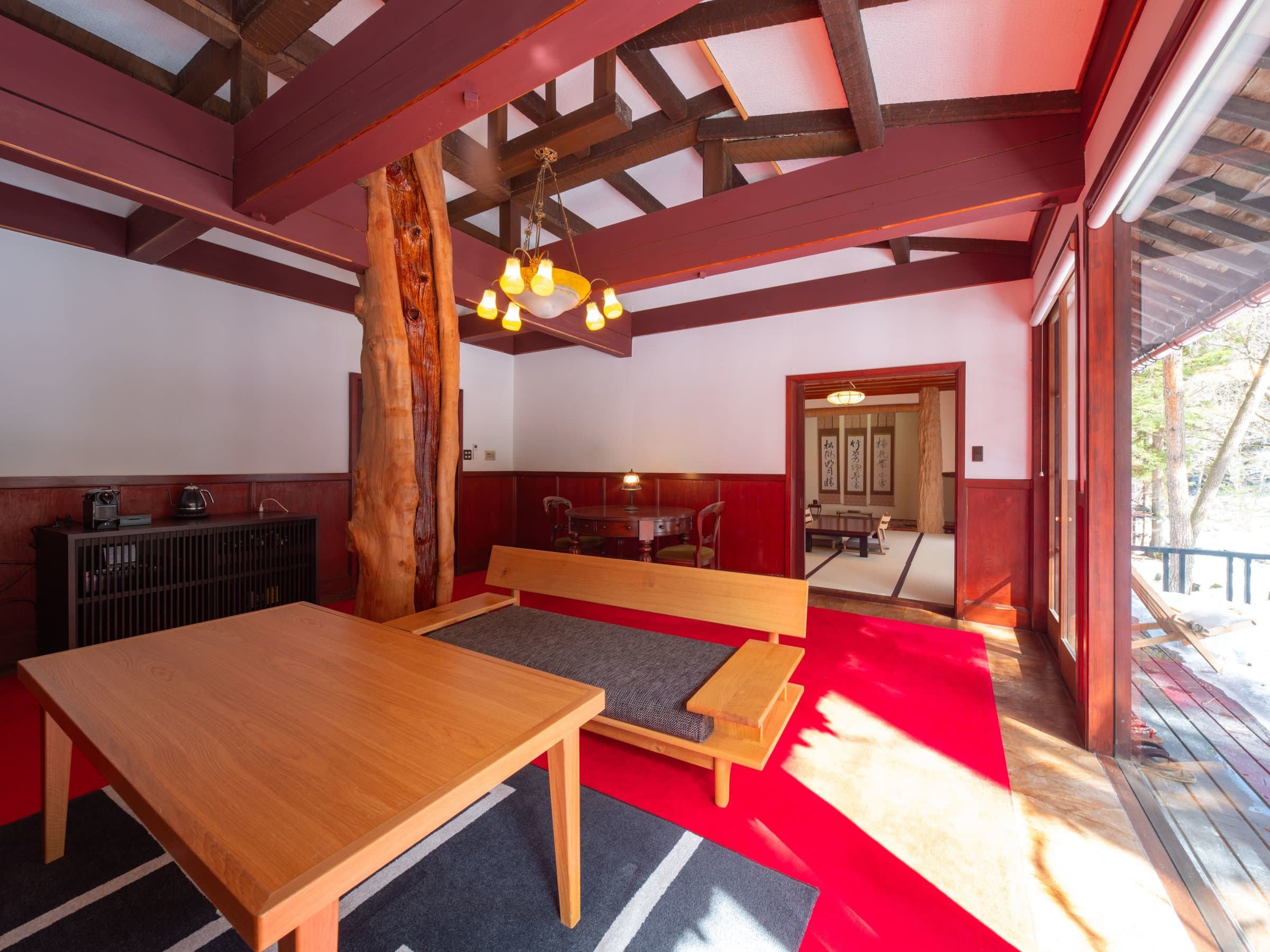
The building itself is honmune-zukuri traditional architecture — the thick hinoki cypress pillars and roof structure are visible throughout the interior, the kind of structural honesty that most modern ryokans cover behind drywall. Guests consistently note that the wooden frame creates a quietness that feels different from a concrete hotel room — an impression that makes sense when you consider what thick timber does to ambient sound, even if no one has published the acoustics data. Ten-course kaiseki dinner is included in the stay. Guest rating: 4.7 out of 5.0.
Pricing starts from ¥46,000 for two people, approximately ¥23,000 per person, with upper ranges likely reaching ¥25,000–¥40,000 per person with meals included . For a primer on ryokan dinner rhythm and what to expect at a ten-course kaiseki, see our kaiseki guide.
English support is limited — Kikunoyu books primarily through Japanese platforms like Jalan.net and Japanican. Trip.com and Klook list the property and provide English interfaces if that's easier. The property is small (12 rooms) and sells out quickly. If Jalan shows no availability, check Trip.com before assuming it's full.
Tattoo policy is unverified. The in-room private spring baths make communal bath restrictions a non-issue for soaking, though inquire directly before booking if this is a concern.
Pros: Live spring source in every room is genuinely rare; honmune-zukuri architecture; ten-course kaiseki included.
Cons: Limited English support; books primarily through Japanese platforms; 12 rooms sell fast.
Verdict: The most traditional in-room spring experience in Matsumoto. Book early, confirm English communication directly, and don't be put off by the Japanese-platform availability pages.
Utsukushigahara Onsen — adjacent district, Alps panoramas
 Pin to Pinterest
Utsukushigahara Onsen sits adjacent to Asama Onsen, about 20 minutes from Matsumoto Station by car. If you're weighing the best ryokans in Matsumoto by view rather than town atmosphere, this district tips the scales: 11 member properties, fewer shops than Asama, bigger buildings, and mountain panoramas that tend to be more open. If you're building a wider Nagano Alps itinerary that includes Hakuba and Snow Monkey country, our full Nagano ryokan guide covers those regions in depth.
Oiwakeya Ryokan — English-speaking staff, great value (from ¥17,650/person)
Oiwakeya Ryokan (追分屋旅館) has 14 rooms at 1145 Satoyamabe, Matsumoto — a member of the official Utsukushigahara Onsen Ryokan Association. The onsen includes an indoor mineral spring, an outdoor rotenburo, and private hot spring options. Water is alkaline.
The practical distinction here is English support: guest reviews on Booking.com (9.1/10) specifically mention staff who "went out of their way to speak English." For first or second-time visitors to Japan who are anxious about communication at check-in and during kaiseki dinner, that explicit guest feedback is worth something.
Private balconies with tatami flooring. Shinshu beef stone grill is available as an upgrade from the standard dinner course. From ¥17,650 per person per night (weekday, two guests, compact room, two meals) .
Pros: Confirmed English-speaking staff; genuine geothermal onsen; competitive pricing.
Cons: Utsukushigahara has less town character than Asama — quieter, fewer evening options.
Verdict: The standout choice for non-Japanese speakers who want genuine geothermal onsen without the slightly longer Asama Onsen bus journey.
Shinshu Shoho — largest inn in the district, Alps views from the bath (from ¥27,000/room)
Shinshu Shoho (翔峰) is a different proposition from every other Utsukushigahara property in this guide: 97 rooms, which makes it the largest ryokan in the district by a considerable margin. The scale shows up where it counts — panoramic Northern Alps views from the open-air baths, a free shuttle service, sauna, and a cosmopolitan breakfast buffet alongside the traditional Japanese banquet dinner. The bath views here, with the Alps and Matsumoto castle town spread below, are among the most open of any inn we researched.
The honest caveat is that English support is limited. Guest reviews note "few westerners and not much English spoken" — check-in logistics via a translation app are manageable, but this is not the place to expect bilingual staff assistance during kaiseki. Room rates run ¥27,000–¥110,000 per room per night .
Pros: 97 rooms with hotel-scale facilities, free shuttle, panoramic Alps bath views, sauna.
Cons: Limited English support; large scale means less of the intimate ryokan atmosphere.
Verdict: The right call for groups or travelers who want hotel-style scale — multiple bath facilities, a free shuttle, and those Alps panoramas — rather than the intimacy of a small inn. Not a fit if fluent English service or a cozy 10-room atmosphere is the priority.
Ryokan Sugimoto — underground passageways, TripAdvisor's top-ranked Utsukushigahara inn (from ~¥20,000/room)
Ryokan Sugimoto (旅館 すぎもと) sits at TripAdvisor #9 of 114 hotels in Matsumoto — the highest ranking of all Utsukushigahara ryokans in our research. The property is a member of both the Utsukushigahara Onsen Ryokan Association and the Selected Onsen Ryokan international site.
The detail guests mention most is the architecture: underground pathways connect the buildings. Most ryokans at this scale run rooms from a single corridor; Sugimoto routes guests through underground passages instead, and guest reviews describe stumbling through them with what sounds like genuine delight. The furniture throughout is described in reviews as carefully made rather than generic. Alkaline spring with indoor baths and private bath access. Guest reviews on TripAdvisor and Agoda repeatedly reach for the word "serene" — the kind of word that only appears when a property is small enough that you never hear other guests.
Pricing is approximately ¥20,000–¥45,000 per room per night based on Booking.com and Rakuten Travel ranges (approximately, 2026-08-23 — per-person half-board pricing with meals is unconfirmed and likely higher; check directly). Agoda score: 8.9/10. English support is moderate — for a small independent ryokan, confirm English communication capability when booking.
Pros: TripAdvisor #9 of 114 across all Matsumoto hotels; underground passageways are a genuine talking point; ¥20,000 room-rate entry.
Cons: Room count unverified; per-person with meals pricing not confirmed — actual cost likely higher than the room-rate figure suggests.
Verdict: The underground passageways alone are worth talking about afterwards; the ¥20,000 room-rate entry point makes it the most accessible choice in Utsukushigahara. For repeat Japan visitors who want an authentic independent ryokan over a brand-designed product.
City center — castle-district pick (no onsen, maximum walkability)
 Pin to Pinterest
Nunoya Ryokan — English-speaking landlady, 11 min walk to castle (from ~¥40,000/room)
Of all the best ryokans in Matsumoto covered in this guide, Nunoya is the one where the trade-off is most explicit: no natural hot spring onsen, but the castle at 11 minutes' walk.
Nine rooms in the Nakamachi historic merchant quarter, under 11 minutes' walk to Matsumoto Castle and under 0.6 miles from the station. Multiple TripAdvisor reviews single out the landlady's English as the differentiator — not just functional, but genuinely helpful for first-timers navigating the area. Booking.com score: 9.4/10.
Tatami rooms with modern amenities: washing machine and kitchen facilities. Intimate and personal in the way that only a 9-room property operated by a single host can be. Approximately ¥40,000–¥45,000 per room per night (TripAdvisor / Hotels.com, 2026-08-23, average $287/night USD). No shared onsen means the tattoo question is not applicable.
Books via Booking.com, Hotels.com, and Klook. TripAdvisor ranking: #15 of 114 hotels in Matsumoto.
Pros: 9.4/10 Booking.com score, English-first service, kitchen facilities, castle at walking distance.
Cons: No geothermal onsen. At ¥40,000–¥45,000 per room, you're paying a premium for location and English support rather than onsen quality.
Verdict: The only city-center pick in this guide, and the only verified English-first ryokan within walking distance of the castle. Choose this when sightseeing is the main event and you'd rather have a kitchen than a communal bath.
Tattoo policy at Matsumoto ryokans
Tip
None of the 11 inns in this guide have published English-language tattoo policies. That is the honest situation.
The standard Japanese rule applies: public communal baths prohibit visible tattoos. The practical workaround is to choose a property where private baths are built into every room — Kikunoyu (live spring source per room), Matsumoto Jujo Honbako wing (private balcony bath per room), and Tobira Onsen Myojinkan (12 of 44 rooms with private outdoor rotenburo). At these properties, you soak in the onsen spring water privately without any communal bath interaction.
KAI Matsumoto (Hoshino Resorts) is the property most likely to have a formal inclusive policy — the brand tends to accommodate international travelers — but verify directly before booking.
Nunoya Ryokan (city center) has no shared onsen and no restriction.
For a full breakdown of how to approach this at Japanese ryokans generally, see our guide to tattoo-friendly ryokans in Japan.
Getting to Matsumoto — and between your ryokan and the castle
From Tokyo: JR Limited Express Azusa from Shinjuku Station to Matsumoto, approximately 2 hours 35 to 40 minutes. Fare: ¥6,620 unreserved . Sixteen round trips daily; first departure from Shinjuku at 07:00, arriving Matsumoto at 09:38. Reserved seating recommended for peak travel dates.
From Nagoya: JR Limited Express Shinano from Nagoya to Matsumoto, approximately 2 hours. Fare approximately ¥7,330. Note: some timetable sources quote 3 hours for the full Nagoya–Nagano route, but Matsumoto is a mid-route stop, not the terminal — the Matsumoto leg is roughly 2 hours. If you're coming from Nagoya and considering a stop before or after Matsumoto, Takayama via Nagoya is also accessible and our Takayama ryokan guide covers that route.
Highway bus (budget option): Alpico/Keio Bus between Shinjuku (Busta) and Matsumoto Bus Terminal, approximately 3 hours 18 minutes. Fare ¥4,100–¥4,500 one-way (no round-trip tickets) . Note: Bus No. 5918 (9:50 Matsumoto departure) is suspended from September 1, 2026 — check the current timetable before booking.
Getting to your onsen district:
- Asama Onsen: Asama Line bus from Matsumoto Station, 20–25 minutes. Taxi approximately 15 minutes. Note: Kikyotei Yumotoya's station shuttle is currently suspended — use the bus or taxi.
- Utsukushigahara Onsen: approximately 20 minutes by car.
- Tobira Onsen: approximately 30 minutes by car. No public transport option exists.
Tip
Tip: If you're staying two nights in Asama Onsen, take a taxi on arrival (luggage, tiredness), then use the Asama Line bus freely for the rest of the stay. It runs regularly and is inexpensive.
Day trips from your Matsumoto ryokan base
Kamikochi is the main event for most travelers who include Matsumoto in an Alps itinerary. The bus from Matsumoto Bus Terminal takes approximately 70 minutes total (bus to Sawando, shuttle through the tunnel — private cars are prohibited beyond the Sawando Gate). Critical timing note: Kamikochi is open approximately May 3 through November 15 only. It closes to all visitors every winter. If your trip falls outside that window, the Kamikochi day trip is not available.
Narai-juku (Kiso Valley) is the easiest half-day from any Matsumoto ryokan: 30 minutes by JR Chuo Line to one of the best-preserved Edo-period post towns in Japan. Almost no planning required.
Tsumago-juku, further along the Nakasendo trail, takes about 50 minutes from Matsumoto by JR plus a connecting bus. The two post towns can be combined into a full-day walk if you're serious about the route.
Azumino — rice paddies, wasabi farms, cycling paths — is 20 minutes by local JR. Notably low-effort for how pastoral the scenery is.
Nagano city and Zenkoji Temple are 20 minutes by Limited Express Shinano — practical for a half-day if temple pilgrimage is on your list. For ryokan stays in Nagano city, Yudanaka, or Snow Monkey country, defer to our Nagano ryokan guide.
Winter ski access: Hakuba ski area is reachable by express bus from Matsumoto in approximately 90 minutes. For stays at the mountain itself, our guide to Hakuba ski ryokans covers the options there.
When to go: seasons and booking windows
- Sakura (late March – second week April): Matsumoto Castle in cherry blossom is a legitimate bucket-list image. Peak demand — book 3 to 4 months ahead. Prices surge across all tiers.
- Early summer (May): Kamikochi opens around May 3. Quieter than sakura, better for hikers and trekkers.
- Autumn (October – early November): The best overall window for ryokan guests. Kamikochi foliage peaks mid-October. The Shinshu Matsumoto Soba Festival takes over Matsumoto Castle Park in October, bringing soba chefs from across Japan. Prices run below sakura peak.
- Winter (December – February): Snow on the castle makes for striking photography. Kamikochi is closed. Norikura and surrounding ski areas are accessible from Matsumoto; Hakuba is 90 minutes by express bus.
- Best-value window: October weekdays — foliage season without sakura demand pricing.
- Book earliest: Among all the best ryokans in Matsumoto, KAI Matsumoto (newly renovated, 29 rooms, high initial demand) and Kikunoyu (12 rooms) sell out the fastest. Give yourself 2 to 3 months lead time for weekend stays during peak seasons.
FAQ
Frequently asked questions
Is Matsumoto worth an overnight ryokan stay, or is it a day trip from Tokyo?+
Strongly worth an overnight. The 2h35 Azusa from Shinjuku means a same-day return eats 5+ hours of travel for 2 to 3 hours of sightseeing. An overnight lets you visit the castle at opening (before tour groups arrive), eat a kaiseki dinner, soak in onsen, and depart the next morning for Kamikochi or the Kiso Valley. Two nights is better still if you're treating Matsumoto as a base — particularly if Asama Onsen or Tobira is the destination rather than just the castle.
Is Asama Onsen walking distance from Matsumoto Castle?+
No. Asama Onsen sits 4 to 5 km northeast of the castle, in the foothills above the city. The Asama Line bus from Matsumoto Station takes 20 to 25 minutes; taxi is about 15 minutes. It works fine as a base for castle sightseeing — you just add a bus or taxi leg, not a walk.
Do Matsumoto ryokans include meals?+
Most onsen ryokans in Asama Onsen and Utsukushigahara Onsen include dinner and breakfast (half-board) in the quoted per-person price. The yen prices in this article reflect half-board rates unless otherwise stated. City-center options like Nunoya Ryokan are room-only with kitchen facilities.
How far in advance should I book a Matsumoto ryokan?+
For sakura season (late March – April) and autumn foliage (October), book 3 to 4 months ahead. KAI Matsumoto (29 rooms, brand-new renovation with high initial demand) and Kikunoyu (12 rooms) sell out fastest. Midweek in shoulder season — May, late November, early December — can often be booked 2 to 3 weeks out.
Can I visit Kamikochi as a day trip from a Matsumoto ryokan?+
Yes, but only between approximately May 3 and November 15. Kamikochi closes to visitors completely every winter. If your dates fall outside that window, this day trip is not an option. During the open season, the bus from Matsumoto Bus Terminal takes about 70 minutes total; no private cars are permitted beyond the Sawando tunnel.
Which Matsumoto ryokan is best for travelers with tattoos?+
None of the 11 inns in this guide have published an English tattoo policy, so we can't give per-property guarantees. The most practical options: Kikunoyu (live spring source in every room), Matsumoto Jujo Honbako wing (private open-air balcony bath in every room), and Tobira Onsen Myojinkan (12 rooms with private rotenburo) all let you soak in actual geothermal spring water without entering a communal bath. KAI Matsumoto (Hoshino Resorts) is the most likely to have a formal inclusive policy — confirm directly. Nunoya Ryokan (city center, no shared onsen) has no restriction at all — making it the only city-center pick in this guide with zero communal-bath friction.
Ready to book?
More ryokan you can book
Compare live availability and prices across booking sites.
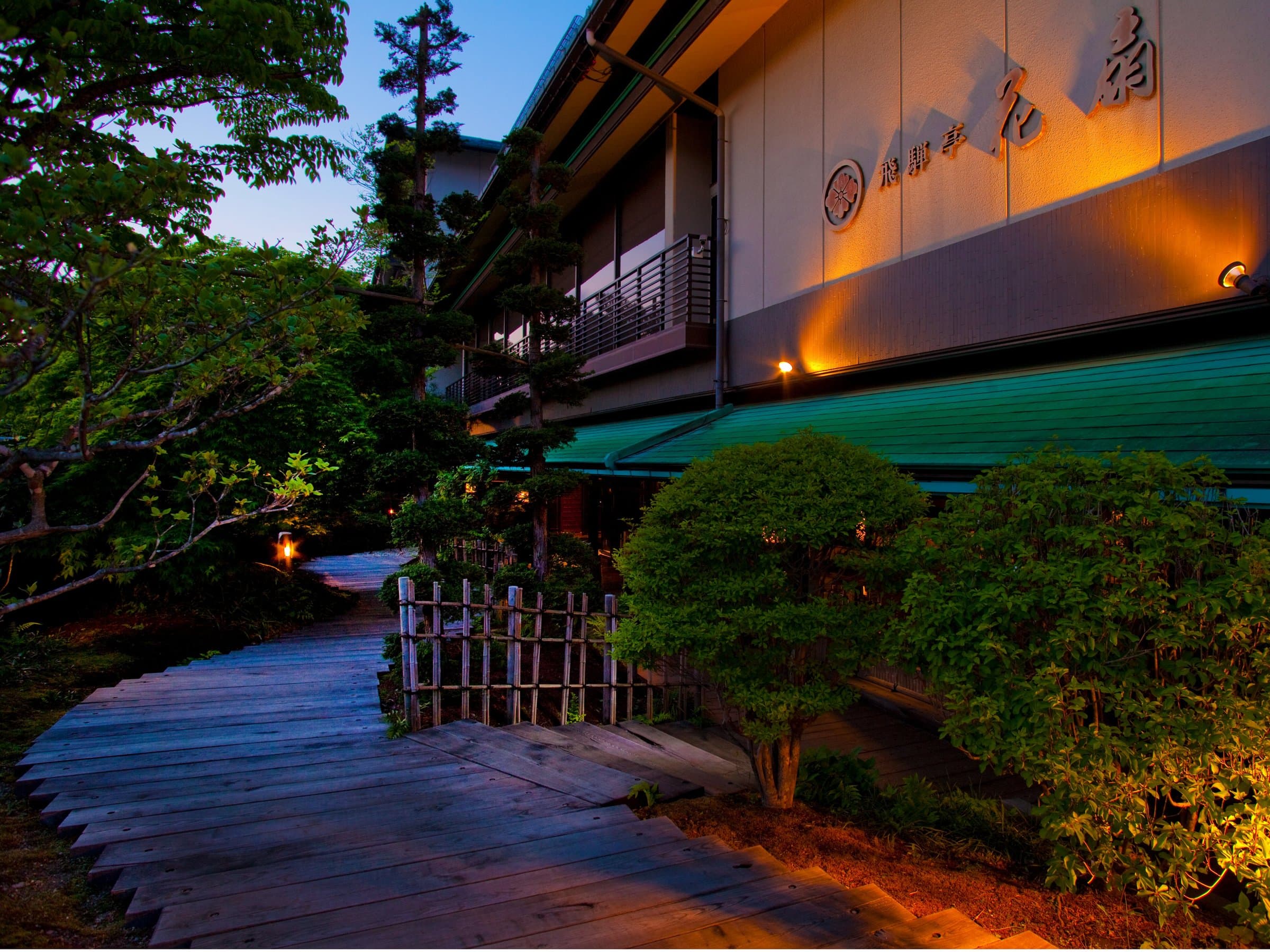
Hidatei Hanaougi
飛騨亭花扇
Takayama·Luxury
from US$350 · per person · per nightfrom ≈ US$700 total for 2 guests



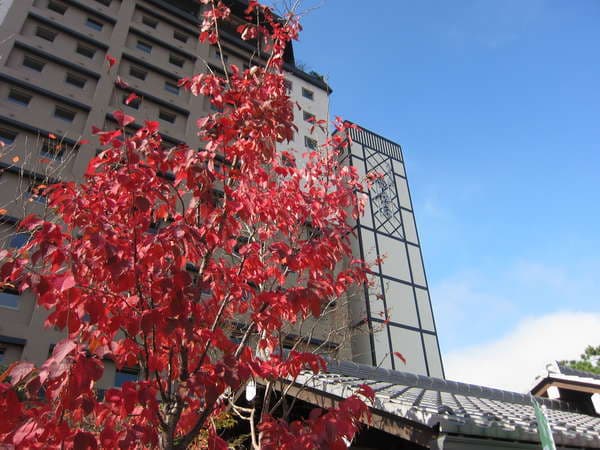
Takayama Ouan
飛騨花里の湯 高山桜庵
Takayama·Mid-Range
from US$120 · per person · per nightfrom ≈ US$240 total for 2 guests
Wanosato
倭乃里
Takayama·Luxury
from US$500 · per person · per nightfrom ≈ US$1,000 total for 2 guests
Booking links may earn us a commission at no extra cost to you.
Still deciding?
Browse ryokans across JapanBooking.com