If you're searching for the best onsen ryokans near Nagoya, the answer is usually the same: Gero Onsen, 1 hour 42 minutes by direct limited express train from Nagoya Station. Board the JR Hida, watch the Hida River gorge unfold outside the window, and you're stepping off into one of Japan's widely celebrated onsen towns before lunch.
But Gero isn't the only option — and for many travelers, it's not even the best one. This guide compares five gateway destinations: Gero, Takayama, Shirahone, and two stretch picks (Atami and Kanazawa) that most English guides ignore entirely. We give you real USD prices, transit fares verified July–October 2026, explicit tattoo policies for every pick, and an honest verdict on which town actually fits your trip length and budget. If you're coming in via Chubu Centrair Airport rather than Nagoya Station, we cover that too — a step most competing guides skip.
Arriving from Tokyo or Osaka instead? See our guides to best onsen ryokans near Tokyo and best onsen ryokans near Osaka.
Which Onsen Town is Best Near Nagoya? Quick-Verdict Comparison Table
The single most common question: Am I choosing the right town? Here's the honest side-by-side answer before we go deeper.
Tip
How to read this table: Prices are per person per night including two meals — breakfast plus kaiseki dinner. That's the standard ryokan pricing unit in Japan, and it's how every property in this guide is priced unless stated otherwise.
| Area | Train from Nagoya | Time | Fare (¥) | JR Pass | Water Type | Price/Person | Best For | Tattoos |
|---|---|---|---|---|---|---|---|---|
| Gero | Hida Ltd Express | ~1h42m | ¥4,900 | Yes | Sodium bicarbonate (bijin-no-yu) | $120–700 | First-timers, mid-budget, families | Cover-up options available |
| Takayama | Hida Ltd Express | ~2h33m | ¥6,340 | Yes | Alkaline beauty water (own source) | $49–1,200 | Culture-seekers, 2+ nights | Private-only options; cover-up at some |
| Shirahone | Shinano → bus (multi-leg) | ~3h+ | ¥7,300+ total (partial JR Pass covers Nagoya→Matsumoto only) | Partial | Milky-white carbonic sulfur | $95–650 | Onsen pilgrims, car drivers | Private-only options; one property unknown |
| Atami | Tokaido Shinkansen | 1h21m (3 Hikari/day); ~1h50m–2h (Kodama) | ¥8,970 | Yes | Coastal sodium-chloride | $153–600 | Coastal escape, couples | Cover-up options available |
| Kanazawa | Shirasagi + Hokuriku Shinkansen | ~3h | ¥9,080 | Yes | Alkaline (Yuwaku Onsen only) | $190+ | Golden Route add-on | Unknown — see caveat |
Fares are one-way reserved seat as of July 2026, except Atami's, checked on 24 October 2026. Reserved-seat fares vary by season.
Our editorial verdict in one sentence per area:
- Gero — Take this if you want onsen without complication. One night minimum; don't waste it on a day trip.
- Takayama — Take this if you want Edo-era Japan plus onsen. Worth the extra 50 minutes only if you have two nights to spend.
- Shirahone — Take this if milky-white sulfur water and mountain isolation matter more than ease of access. Car recommended.
- Atami — Take this if you want a coastal onsen escape from Nagoya with Pacific Ocean views; understand you're trading mountain atmosphere for the sea.
- Kanazawa — Take this for the castle town, not the onsen. Read the caveat before booking anything.
Tattoo policies change; always confirm directly when booking.
Gero Onsen Ryokans: Our Top 5 Picks (about 1h42m from Nagoya)
What Makes Gero Worth Visiting — the "Three Famous Hot Springs" Question
Gero's designation as one of Japan's Nihon Sanmeiyu (日本三名泉 — Three Famous Hot Springs, alongside Arima in Hyogo and Kusatsu in Gunma) isn't marketing copy. The designation traces to Confucian scholar Hayashi Razan, who served the Tokugawa shogunate in the early Edo period, and to earlier praise by Muromachi-period monk Banri Shukyu in his Baika Mujinzo writings. The town's hot spring history extends even further — Gero is said to have been discovered during the Engi era (901–923), giving it over a thousand years of bathing heritage.
The water itself matters. Gero's springs are a simple alkaline type, colorless and transparent, with pH 9 or higher. The sodium bicarbonate content softens the outer layer of skin — the bijin-no-yu (beauty water) description isn't whimsy. You notice it after the first bath.
The Hida River valley setting keeps temperatures mild for a mountain town, which is why the ryokans are right on the riverbank rather than perched on forested slopes. That riverside access also means most properties are flat walking distance from Gero Station — a convenience Takayama and Shirahone can't match.
Getting here: JR Hida Limited Express from Nagoya Station directly to Gero, approximately 1 hour 42 minutes, ¥4,900 one-way ordinary reserved seat. JR Pass fully covers this leg (a reserved seat is free of charge; outside the all-reserved periods you can ride a non-reserved car without booking). Around ten Hida departures per day from Nagoya. The HC85 hybrid diesel-electric series now runs all services on this route — the panoramic windows make the Hida valley section genuinely worth staying awake for.
Tip
Day trip or overnight? Covered in detail below, but the short answer: Gero is technically doable in a day, but one night transforms the experience. The evening kaiseki and 6am morning bath are where the ryokan actually happens.
Pick 1: Shogetsu (しょうげつ) — Best Adults-Oriented Riverside Stay
Rating: 9.6 / 556 reviews · Price: ~$120–350/person with 2 meals · Tattoo policy: Cover-up allowed in communal baths
Shogetsu writes its name in hiragana — しょうげつ — on its official site (shougetsu.jp), so that is how we refer to it here.
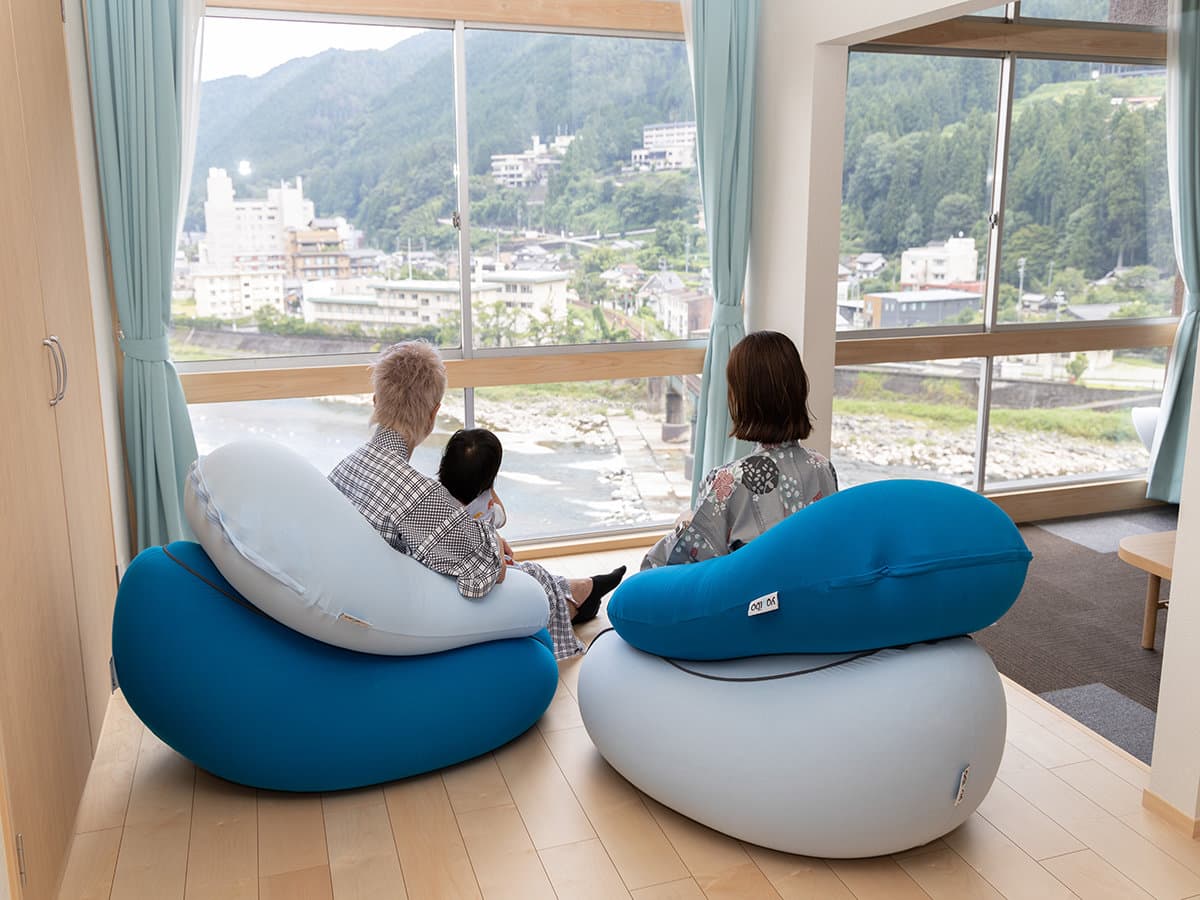
What makes Shogetsu stand out isn't just its rating — 9.6 from 556 reviews is among the highest credibility combinations in Gero. Every room faces the Hida River. The rotenburo is positioned to catch the river sound and the tree line on the opposite bank. This is an adults-oriented property; the atmosphere is calm, the service attentive. If you want a ryokan that feels less like a resort and more like someone's exceptionally well-run home, Shogetsu delivers that.
The cover-up policy in communal baths makes it one of the better options in Gero for tattooed travelers who don't want to default to a private bath all weekend. English service is solid.
Know before you book: 10 minutes from Gero Station on foot — not far, but further than Suimeikan. Room rates can spike significantly during autumn foliage weekends.
Pick 2: Suimeikan (水明館) — Best Grand Landmark Experience
Rating: 9.4 / 921 reviews · Price: ~$200–600/person with 2 meals · Tattoo policy: Private baths only in communal spaces
Suimeikan is three minutes from Gero Station and has the highest review volume of any property in town — 921 reviews is enough to trust the 9.4 average. This is Gero's flagship: three distinct hot-spring bath areas, a working Noh theater stage within the complex, and Hida beef restaurants on-site. The scale is unapologetic. You're not getting quiet intimacy here; you're getting variety, reliable service, and the closest thing to a full-resort experience in Gero.
The communal baths follow a private-only tattoo policy, but the in-room private onsen available in certain room categories means tattooed guests aren't shut out entirely — book the right room category.
Drawback: The size (this is a large property) means you'll sometimes feel like you're sharing with a conference group. Peak weekends book out fast. The Noh theater performances are schedule-dependent — confirm ahead if that's why you're choosing it.
Pick 3: Yunoshimakan (湯之島館) — Best Heritage Stay
Rating: 9.4 / 499 reviews · Price: ~$250–700/person with 2 meals · Tattoo policy: Private baths only
Yunoshimakan was built in 1931 in sukiya style by Hida artisans over three years. It was registered as a tangible cultural property (registered 1947) and has hosted former Emperor Showa in 1949 and former Emperor Akihito in 1977. The building sits on a forested hillside above the valley — arrive by taxi from the station (about 20 minutes) and you step out into something that looks more like a countryside estate than a ryokan.
The architecture is the experience: exposed beams, deep-shaded corridors, rooms that frame the valley view through latticed windows. The food is serious. This is the pick if you want to understand what a honkaku (authentic) Japanese ryokan was built to feel like, and you're willing to pay for it.
The honest trade-off: English service is limited. If you don't speak Japanese or aren't comfortable navigating a traditional ryokan with minimal English signage, Suimeikan or Shogetsu will be a less stressful stay. Worth it regardless if you come prepared.
Pick 4: Kawakamiya Kasuitei (川上屋花水亭) — Best Boutique Luxury
Rating: 9.4 / 191 reviews · Price: ~$300–570/person with 2 meals · Tattoo policy: Private baths only
Kawakamiya Kasuitei is Gero's boutique premium option — Meiji-era heritage feel, cantilevered rotenburo positioned directly above the Hida River, and kaiseki that local Japanese reviewers regularly rank among Gero's top three. The review count (191) is lower than Suimeikan's but the 9.4 rating holds its credibility. This is a smaller, more personal property than the grand flagships.
You're hovering above the river in that rotenburo — the wooden structure extends out over the gorge, and in autumn the foliage on the opposite bank turns at exactly the height of your eye line. It's the kind of bath moment you actually remember.
Drawback: Available only via Booking.com (no Trip.com listing). That limits your booking options and occasionally narrows the availability window you can see. Book early for foliage season.
Pick 5: Bosenkan (望川館) — Best for Tattoo-Conscious Travelers Needing Privacy
Rating: 8.1 / 2,245 reviews · Price: ~$200–400/person with 2 meals · Tattoo policy: Private baths only
A quick naming note before anything else: Bosenkan's correct kanji is 望川館 (ぼうせんかん). The official site at bosenkan.co.jp and the Gero Ryokan Cooperative listing both confirm this. We cite the correct name here because online confusion on this point is real.
Bosenkan has the highest review count of any Gero pick in this guide — 2,245 is a serious sample size, and while the 8.1 average is lower than the picks above, the volume gives that number credibility. This is a 76-room Showa-era property with solid, reliable execution rather than dramatic design statements.
The private onsen angle requires nuance: not all 76 rooms have in-room private baths. Approximately 8 rooms have private open-air baths, and those are the ones that matter for tattooed travelers. Book those room categories specifically and book them early — they're the first to go. Guests in standard rooms use the communal baths under a private-only tattoo policy, meaning they'd need a private reservation slot.
Seven minutes from Gero Station on foot. Priced from around $200 per person with meals, it's among the more accessible entry points for private onsen access in Gero.
The honest trade-off: Available via Booking.com only. The lower rating reflects a large mid-tier property rather than a boutique experience — don't expect the intimacy of Kawakamiya or the atmosphere of Yunoshimakan.
Day-Use Bathing in Gero: the Yumeguri Tegata Pass
For day-trippers and overnighters who want to sample multiple properties, Gero's Yumeguri Tegata (湯めぐり手形) pass grants access to three participating ryokan baths. The current price is approximately ¥1,300–1,500 depending on the package version and season — confirm current pricing at the Gero Station tourist information office or at gero-spa.com before your visit, as pricing varies.
Around 20 ryokans participate; the pass is valid for six months from purchase date. You buy it at the station tourist office, participating front desks, or souvenir shops in town. For a broader look at bathing without staying overnight, see our guide to day-use ryokan options in Japan.
Other options: Shirasagi-no-yu public bath charges approximately ¥430–470 for adults (open 10:00–21:00, closed Wednesdays). The free riverside footbath at Gero Bridge needs no planning and is perpetually busy in the late afternoon.
Browse all Gero Onsen ryokans → or see our deep-dive Gero guide.
Takayama Onsen Ryokans: Our Top 5 Picks (about 2h33m from Nagoya)
Why Takayama is the "Upgrade Choice" from Nagoya
Takayama is the same JR Hida Limited Express as the Gero leg — just stay on past Gero for another 50 minutes. The fare jumps from ¥4,900 to ¥6,340. What you buy with that extra time and money is significant: Sanmachi Suji (三町筋), a nationally designated Important Traditional Building Preservation District with sake breweries and lacquerware shops in Edo-era machiya merchant houses. The Hida-no-Sato open-air museum relocating gassho-zukuri farmhouses. A5 Hida beef served in the rooms. And, at one specific property, a private hot spring source that cannot be replicated elsewhere.
Our honest editorial rule: one night available → Gero is smarter. Two or more nights → Takayama earns every minute of the longer journey. The Edo old town alone needs two to three hours to walk properly; the folk museum another two hours; that's already more than a day without factoring in the onsen itself.
 Pin to Pinterest
Pick 1: Wanosato (倭乃里) — Michelin-Listed Farmhouse Luxury
Rating: 9.5 / 85 reviews · Price: ~$500–1,200/person with 2 meals · Tattoo policy: Not allowed in communal baths — private room onsen only
Wanosato is listed on the Michelin Guide website and holds a Michelin Key designation. It occupies a 160-year-old gassho-zukuri thatched farmhouse on the Miyagawa River, about 20 minutes by shuttle from Takayama Station. The farmhouse beams are original, the thatched roof is maintained by traditional craftspeople, and the kaiseki draws on Hida valley ingredients season by season.
This is the special-occasion pick — for an anniversary, a honeymoon, or the single blowout night of a Japan trip where you want the experience to be exceptional. The communal bath follows a strict tattoo-not-allowed policy; tattooed guests use the in-room private onsen, which is excellent and not a downgrade.
Drawback: The price ceiling of $1,200 per person per night puts this out of range for most trips. Book 8–12 weeks ahead for autumn weekends — it sells out.
Know before you book: The shuttle from Takayama Station runs on a limited schedule; confirm pickup times when you reserve. Missing it means a taxi, and the cab fare from the center of town adds up.
Pick 2: Hidatei Hanaougi (飛騨亭花扇) — The Property with Its Own Spring Source
Rating: 9.0 / 520 reviews · Price: ~$350–700/person with 2 meals · Tattoo policy: Private baths only
Hidatei Hanaougi is, by multiple guide accounts, the only ryokan in Takayama with its own private hot spring source — water drawn from 1,200 meters underground, with a silky alkaline quality described as bijin-no-yu similar to Gero's. This matters because the same spring water feeds the entire property, from the communal baths to the private room rotenburo. You cannot get this water at any other Takayama property.
For serious onsen enthusiasts, the provenance of the water is part of the point. 520 reviews at 9.0 is a reliable signal. English service is good. The communal baths use a private-only tattoo policy, but in-room private onsen are available.
Drawback: Not the most dramatic setting — this is a well-run, serious onsen property rather than an architectural statement. Come for the water, not the design.
Pick 3: Hanaougi Bettei Iiyama (花扇別邸いいやま) — All-Room Private Rotenburo
Rating: 9.2 / 290 reviews · Price: ~$400–800/person with 2 meals · Tattoo policy: Private baths only
Hanaougi Bettei Iiyama is adults-only and draws from the same Hanaougi spring source as Hidatei above. Every room has a private open-air rotenburo — you never share a bath here unless you want to. For couples, honeymooners, or anyone who regards the communal bath as a complication rather than an attraction, this is the cleanest solution in Takayama. The 290 reviews at 9.2 is a credible sample.
Drawback: Adults-only means no families with children. The premium for all-room private rotenburo access is real — budget-sensitive travelers will find better value at Takayama Ouan below.
Pick 4: Takayama Ouan (飛騨花里の湯 高山桜庵) — Best Mid-Range with Alps Views
Rating: 8.6 / 1,850 reviews · Price: ~$120–280/person with 2 meals · Tattoo policy: Cover-up allowed in communal baths
Takayama Ouan has the highest review count of any Takayama pick in this guide — 1,850 reviews gives the 8.6 average serious weight. The rooftop onsen delivers Northern Alps views that would be unremarkable in photographs but land differently when you're actually soaking in them. Five minutes from Takayama Station on foot. All tatami rooms. Solid English service.
The cover-up tattoo policy in communal baths makes this one of the better tattoo-accessible options in Takayama at this price point. If you're doing one night in Takayama and want the combination of value, views, and communal bath access with tattoos covered, Takayama Ouan is the straightforward choice.
Drawback: The rating reflects a competent mid-range city property, not a character-rich heritage stay. The building has less atmosphere than Wanosato or the Hanaougi properties.
Pick 5: Mercure Hida Takayama (メルキュール飛騨高山) — Most Accessible Entry Point
Rating: 8.9 / 1,613 reviews · Price: From $49/person · Tattoo policy: Cover-up allowed
A note on pricing: the Mercure operates more like an international hotel than a traditional ryokan, so the $49 entry price is likely per room rather than per person with two meals. Confirm the meal inclusion when booking. That said, three private open-air hot-spring baths on-site, rooftop onsen, and an Accor brand infrastructure mean international credit cards, reliable English, and the kind of check-in process that feels familiar.
For first-time ryokan visitors who are nervous about the language barrier, or for travelers who want the onsen experience without the full kaiseki protocol, the Mercure is the path of least resistance. Cover-up tattoo policy in shared facilities. Right beside JR Takayama Station.
Drawback: This is not a traditional ryokan stay. You won't get the same service cadence, room layout, or cultural experience as a dedicated ryokan property. It's the pragmatic pick, not the memorable one.
For more options and full pricing, see our Takayama area guide and deep-dive Takayama article. For a full breakdown of which Takayama and Gero properties accommodate tattoos in communal spaces, see our tattoo-friendly ryokan guide.
Shirahone Onsen Ryokans: For Serious Onsen Pilgrims (3h+ from Nagoya)
What Makes Shirahone's Water Unique — Milky-White Carbonic Sulfur Springs
The color is the first thing. Shirahone's water turns white — not through treatment, but through chemistry. Calcium bicarbonate in the spring reacts with dissolved CO₂ as the water emerges and cools, producing calcium carbonate that clouds the water to the color of whole milk. Hydrogen sulfide adds a faint egg-sulfur note and a second visual effect: the carbonic bubbles that cling to your skin in the outdoor bath. You can feel them forming and releasing.
No other accessible onsen destination from Nagoya produces this water. The local saying — "Bathe for three days at Shirahone and you will not catch a cold for three years" — appears on signage throughout the village and traces to Edo-period health traditions. The remoteness of the valley, the birch trees, the smell of sulfur in cold mountain air: this is what people who take onsen seriously come a long way to find.
The Honest Access Warning: Plan This Trip Carefully
Tip
Access warning: Shirahone is served by Alpico bus from Shin-Shimashima Station (the terminus of the Matsumoto Dentetsu private rail line). As of the 2026 green season (April 17 – November 15), Alpico runs a limited number of departures per day — multiple travel guides cite approximately four per day in each direction, though exact schedules should be confirmed at alpico.co.jp before travel. Miss the last bus and you have no practical option. In winter (approximately mid-November to mid-April), the bus service does not operate. Access in winter is by private car or taxi only.
Full routing from Nagoya: JR Shinano Limited Express Nagoya → Matsumoto (~1h40m, ¥5,000–6,000 est., JR Pass covers this leg). Then Matsumoto Dentetsu to Shin-Shimashima (~30 min, ¥730, separate ticket). Then Alpico bus Shin-Shimashima → Shirahone (~60 min, approximately ¥1,550–2,190 depending on route, separate ticket). Total: approximately three hours plus connection time. JR Pass covers only to Matsumoto. Total fare across all three legs: approximately ¥7,300–8,920 depending on JR class and bus route chosen.
We strongly recommend a rental car from Matsumoto if flexibility matters — about 70 minutes via Route 158, and you gain the ability to adjust your schedule around the baths rather than around a bus timetable.

Pick 1: Awanoyu Ryokan (泡の湯旅館) — The Iconic Outdoor Experience
Rating: 8.7 / 47 reviews · Price: ~$250–500/person with 2 meals · Tattoo policy: Private baths only
Awanoyu is the ryokan most people picture when they imagine Shirahone: the vast mixed-gender outdoor bath (konyoku) where the milky-white water sits against a backdrop of birch trees and, in winter, deep snow. The carbonic bubbles cling to every surface of skin. The bath is large enough that it rarely feels crowded, and the visual effect of the white water against the treeline is something that photographs only partially capture.
English service is limited — come prepared, or bring a translation app. The private-only tattoo policy applies to communal spaces; in-room private onsen options are available.
Drawback: Only 47 reviews — the sample size is small. The property is established and consistently mentioned in authoritative Japanese onsen guides, but the Western-language review count should be understood as a data limitation rather than a quality signal.
Pick 2: Yumoto Saito Ryokan (湯元齋藤旅館) — Oldest Ryokan Since 1738
Rating: 9.2 / 9 reviews · Price: ~$250–600/person with 2 meals · Tattoo policy: Private baths only
Yumoto Saito was established in 1738 and is the oldest ryokan in Shirahone. The property has 53 rooms, each named after a novelist or poet. Its own spring source has reportedly flowed since the Kamakura period (1185–1333) — the same water that Edo-period travelers came days on foot to reach.
Nine reviews is a very small sample. We're transparent about that: this is a data limitation, not a quality statement. The property's 280-year reputation, continuous ownership, and own spring source speak to something that review volume doesn't measure. For travelers who place value on provenance — on bathing in water that has been flowing and respected for centuries — Yumoto Saito is the choice.
English service is limited. Available via Trip.com only (no Booking.com listing).
Know before you book: The review count is thin enough that we can't give it the same confidence signal as Awanoyu or Yugawaso. Come for the history, not the online ratings.
Pick 3: Sansuikan Yugawaso (山水観 湯川荘) — Private Suspension Bridge Approach
Rating: 9.2 / 478 reviews · Price: From $95/person with 2 meals · Tattoo policy: Unknown — call ahead
Yugawaso has 478 reviews at 9.2 — the most credible sample of any Shirahone pick in this guide. The approach is its own event: a private suspension bridge over a mountain ravine, narrow enough that you cross single-file. The sound of the river below arrives before you're halfway across.
Once inside: four free private milky-white sulfur baths available to all guests, no additional booking required. From a practical standpoint, the private bath availability here effectively sidesteps the tattoo policy question — the property's communal-bath policy is unconfirmed in English-language sources. In practice, four free private baths means tattooed guests have a usable solution regardless of what the communal bath policy turns out to be — but confirm with the property before arrival. Available via Trip.com only.
The entry price from $95 per person with meals is the most accessible in Shirahone. Off-peak rates especially.
Drawback: No English-language staff confirmed. The suspension bridge is an attraction, but it also means luggage has to come across with you — plan accordingly.
Browse all Shirahone Onsen ryokans → or see our Shirahone deep-dive guide.
Stretch Picks: Atami (1h21m–2h) and Kanazawa (3h) — With Honest Caveats
Atami: A Coastal Onsen Gateway by Shinkansen
Every guide covering onsen near Nagoya ignores Atami. We don't know why. Atami sits on the Tokaido Shinkansen and is 1 hour 21 minutes from Nagoya on the three direct Hikari trains a day that stop there; the direct Kodama takes about 1 hour 50 minutes to 2 hours. The fare is ¥8,240 non-reserved ordinary car. JR Pass fully covers it.
Two things to understand before choosing Atami over Gero: First, the water type is different — coastal sodium-chloride springs facing the Pacific, not mountain bicarbonate springs in a river valley. The atmosphere is resort-coastal rather than traditional-mountain. Second, Atami is more expensive to reach (¥8,970 vs. Gero's ¥4,900, both with a reserved seat), and only the three daily Hikari beat the 1h42m Hida to Gero quoted above. The trade is ocean views for mountain atmosphere and Hida beef culture.
If you're connecting Nagoya to Tokyo or already spending time in the Tokaido corridor, Atami makes strong logistical sense. If you specifically want the Hida mountain experience, take the Hida to Gero instead.
 Pin to Pinterest
Pick 6: SOKI ATAMI — Best Modern Onsen with Tattoo Cover-Up
Rating: 9.3 / 1,489 reviews · Price: From $153/person · Tattoo policy: Cover-up allowed in shared areas
SOKI ATAMI is the standout Atami pick for international travelers: modern design, strong English service, 54 rooms each with a private hot-spring bath, cover-up tattoo policy in shared areas, and 1,489 reviews at 9.3 — the highest review count and a confidence level that matches the top Gero properties. Soaking in your own in-room thermal bath at a coastal resort above Sagami Bay is a sensory combination the mountain ryokans simply can't offer — sea air instead of cedar forest. The art-driven interiors lean contemporary rather than traditional, which suits travelers who want the onsen experience without navigating a full traditional ryokan protocol.
Drawback: The floor price of $153 is the entry point, but with 54 rooms and strong demand from the Japanese market, peak season rates climb substantially. Budget accordingly.
Pick 7: Atami Kakurezato (熱海の隠れ里) — Best Boutique Hideaway
Rating: 9.7 / 237 reviews · Price: ~$157–600/person with 2 meals · Tattoo policy: Private baths only
Eight rooms. Kakenagashi (free-flowing, non-recirculated) hot springs. A 9.7 rating from 237 reviews, which is the highest in the Atami inventory. Ten minutes from Atami Station. Kakurezato is the pick when boutique intimacy and rating confidence both matter more than a large communal bath scene.
The private-only tattoo policy in shared spaces means tattooed guests are using the in-room private baths, which in an eight-room property are the main event anyway. Available via Trip.com only (no Booking.com listing).
Drawback: Eight rooms means it books out fast. The intimacy that makes it special also means there's little buffer for mismatched expectations. Read recent reviews before committing.
For full details on both Atami properties and additional options, see our full Atami ryokan guide.
Kanazawa: Cultural City Stay, Not an Onsen Town — Read This First
Tip
Kanazawa caveat: Kanazawa is one of Japan's most compelling castle towns — Kenrokuen garden, the Higashi Chaya geisha district, Omicho fresh-fish market. But it is not an onsen destination. Most ryokans in central Kanazawa use heated baths from the city water supply, not true mineral springs. If you book a "ryokan" in Kanazawa city center expecting authentic onsen, you will likely be disappointed. The genuine hot-spring area near Kanazawa is Yuwaku Onsen (湯涌温泉), described as Kanazawa's oku-zashiki (inner retreat), 40 minutes by bus from Kanazawa Station. Only properties at Yuwaku qualify as real onsen ryokans near Kanazawa.
The Nagoya→Kanazawa route changed in March 2024. The Hokuriku Shinkansen extended to Tsuruga, which means the Shirasagi Limited Express now terminates at Tsuruga — you transfer to the Hokuriku Shinkansen for the final leg to Kanazawa. All seats on the Shirasagi are reserved-only since March 2024. Combined fare: ¥9,080. JR Pass covers both legs. Total time approximately three hours.
Position Kanazawa as a Golden Route extension — Osaka → Kyoto → Kanazawa → Nagoya circuits make good sense. As a dedicated Nagoya onsen escape, it's the most expensive and time-consuming option on this list.
Pick 8: Kanazawa Yuwaku Onsen Hyakurakuso (金沢湯涌温泉 百楽荘) — If Genuine Onsen Matters
Rating: 9.2 / 44 reviews · Price: From $190/person with 2 meals · Tattoo policy: Unknown — email ahead
Hyakurakuso is an adults-only 24-room property at Yuwaku Onsen — the only area near Kanazawa where we'd describe the onsen as genuine. Five private hot-spring baths plus in-room open-air baths in 14 of the 24 rooms. English service confirmed. The 44 reviews at 9.2 is a smaller sample, but the property is established and consistently cited by Japanese travel guides as Yuwaku's top option.
The tattoo policy is listed as unknown in our database. Email the property directly before booking if this matters — don't leave it to chance.
Drawback: If you need cultural Kanazawa and genuine onsen in the same trip, factor in the 40-minute additional bus ride from Kanazawa city to Yuwaku. This adds planning overhead. And at ¥9,080 plus transport within Kanazawa, this is the most expensive gateway destination in this guide per transit spend.
How to Get There from Nagoya Station — and from Chubu Centrair Airport
From Nagoya Station: Trains to Each Destination
The transit numbers in one place:
| Destination | Train | Time | Fare (¥ reserved) | JR Pass |
|---|---|---|---|---|
| Gero | JR Hida Ltd Express | ~1h42m | ¥4,900 | Yes |
| Takayama | JR Hida Ltd Express (same train, continue past Gero) | ~2h33m | ¥6,340 | Yes |
| Shirahone | JR Shinano → Matsumoto Dentetsu → Alpico bus | ~3h+ | ¥7,300+ total (partial JR Pass) | Partial |
| Atami | Tokaido Shinkansen (Hikari or Kodama) | ~1h21m (Hikari, 3/day) / ~1h50m–2h (Kodama) | ¥8,970 | Yes |
| Kanazawa | Shirasagi Ltd Express → Hokuriku Shinkansen (Tsuruga transfer) | ~3h | ¥9,080 | Yes |
Fares verified July 2026 [nagoyastation.com, kanazawastation.com, NAVITIME], except the Atami reserved fare, checked on 24 October 2026; reserved-seat fares vary by season. All times are approximate and depend on departure; check the JR Tokai timetable for exact schedules.
Gero and Takayama: The same Hida Limited Express train — now running the HC85 hybrid diesel-electric series — serves both. Gero gets roughly ten departures per day from Nagoya, and all of them continue to Takayama. During peak periods (Golden Week, Obon, Silver Week and the year-end/New Year holidays), all seats are reserved-only — the late October–November foliage season is busy, but non-reserved cars still run. Book ahead.
Kanazawa routing note: The Shirasagi now runs Nagoya → Tsuruga only. You transfer at Tsuruga Station to the Hokuriku Shinkansen Tsurugi service for the final leg to Kanazawa. Non-reserved seating on Shirasagi was discontinued in March 2024 — all seats reserved.
From Chubu Centrair Airport: The Missing Step Most Guides Skip
Most Nagoya onsen guides are written as if everyone arrives at JR Nagoya Station. Many international travelers don't. Chubu Centrair International Airport (NGO) serves international routes including direct flights from Seoul, Shanghai, Hong Kong, Singapore, Taipei, and Honolulu, plus domestic connections.
The step that guides omit:
1. Take the Meitetsu Airport Line from Chubu Centrair to Meitetsu Nagoya Station — approximately 28 minutes non-stop. Standard rapid fare: ¥870–890. The μ-SKY limited express is faster and reserves all seats with a supplement; current combined fare is ¥1,430 (as of 2026 Meitetsu contactless integration). The standard rapid is fine. 2. Meitetsu Nagoya Station and JR Nagoya Station are part of the same station complex. Walk between them (5–10 minutes) and board the relevant JR train.
Chubu Centrair to Gero total: approximately 2 hours 20 minutes, no transfers after Nagoya Station. JR Pass covers from Nagoya Station onward; the Meitetsu leg requires a separate ticket regardless of rail pass.
JR Pass Coverage Summary
- Gero and Takayama: Fully covered. Hida Limited Express ordinary car; reserved seats free of charge, and non-reserved cars need no booking outside the all-reserved periods.
- Atami: Fully covered. Tokaido Shinkansen ordinary car.
- Kanazawa: Fully covered. Both Shirasagi ordinary car and Hokuriku Shinkansen ordinary car via Japan Rail Pass.
- Shirahone: JR Pass covers only the Nagoya → Matsumoto leg (JR Shinano Limited Express). Matsumoto Dentetsu railway and Alpico bus to Shirahone require separate tickets.
Tourist Passes Worth Considering
The Takayama-Hokuriku Area Tourist Pass (¥19,800 per adult, 5 days) covers the Nagoya → Gero → Takayama corridor plus Shirakawa-go bus and Kanazawa area travel. For foreign visitors on Temporary Visitor Visa doing a Nagoya → Gero → Takayama → Kanazawa circuit, this pass is worth calculating against individual ticket prices.
The Japan Rail Pass nationwide covers all main routes in this article's primary destinations. For Shirahone-only trips, JRP is less efficient than individual tickets on the shorter legs.
Day Trip vs Overnight from Nagoya: The Honest Answer
Gero: Day Trip is Possible, Overnight is Far Better
The first train from Nagoya puts you in Gero around 9:00am; the last practical return runs around 8:00pm, giving you roughly 11 hours. That's enough time for a day-use bath session at two or three properties (Yumeguri Tegata, ¥1,300–1,500, confirm current pricing locally), the public bath at Shirasagi-no-yu (¥430–470), the free riverside footbath at Gero Bridge, and a bowl of keichan chicken at a local restaurant.
What you miss in a day: the evening kaiseki dinner, which at better ryokans is a two-hour orchestrated event. The 6:00am morning bath when the rotenburo is empty, the water is still steaming in cold air, and the river sounds from the opposite bank are the only noise. These are the actual heart of the ryokan experience. Miss these and you've paid for the train but not the experience.
Takayama and Shirahone: Overnight is Mandatory
Takayama is 2h33m each way from Nagoya. A day trip means 5 hours of commuting for a rushed 3–4 hour visit. The Sanmachi Suji old town alone asks for 2 hours. Hida-no-Sato folk museum asks for another 2. Add transit to a ryokan, check in, bath time — a day trip here is not worth doing. Minimum one night.
Shirahone isn't even a sensible day trip question. With limited bus departures per day, you'd arrive in early afternoon and need to leave on the last bus before dark. Two nights are ideal to justify the access effort. One night is the minimum that makes sense.
Atami as a day trip is possible and common from Nagoya — the MOA Museum of Art, Atami Sun Beach, and the plum garden (Atami Baien) make a solid half-day. But without the evening kaiseki ritual and morning bath, you're experiencing Atami the town rather than Atami the onsen destination.
Browse all Gero ryokans → for overnight booking options.
When to Go: Autumn 2026 and Winter 2026–27 Booking Calendar
Autumn Foliage Windows by Destination
We're writing this in late July 2026. Autumn foliage season is eight to twelve weeks away, and the best properties at Takayama and Shirahone are already seeing competition for October weekends.
Based on historical foliage patterns (specific 2026 forecasts don't exist yet in July):
- Shirahone / Okuhida (high elevation): Early to mid-October. Peaks earliest due to altitude — birch and larch turn gold before the lower valleys.
- Takayama: Mid-October. The Sanmachi Suji streetscape and nearby Okuhida valleys are at their most dramatic.
- Gero: Mid-to-late November. Lower elevation means a later, longer foliage season. Less crowded than Takayama in autumn.
- Atami: Late November to mid-December. Coastal mild climate; the MOA Museum garden is particularly good in late autumn.
Winter 2026–27: Snow Views and Onsen Season
Shirahone in winter — when accessible — is the most visually dramatic: the milky-white pools against deep snow, surrounded by bare birch trees, is the image that defines the place in people's minds. Access in winter is car only. The Alpico bus runs only April 17 – November 15. Road conditions on Route 158 can be significant in heavy snow years; check before driving.
Takayama under snow is its own reward. The Sanmachi Suji district's Edo-period streetscape in January or February, with snow on the latticed rooftops and the lanterns lit at dusk, is a completely different atmosphere from any other season. Gero is less dramatic visually in winter but the onsen quality is consistent year-round.
Booking Lead Times for Each Area
| Area | Weekday Normal | Autumn Weekends | Peak (Oct foliage) |
|---|---|---|---|
| Gero | 2–4 weeks | 4–6 weeks | 6–8 weeks |
| Takayama | 4–6 weeks | 6–8 weeks | 8–12 weeks (Wanosato, Iiyama) |
| Shirahone | 4–6 weeks year-round | Same | Same (small inventory fills fast) |
| Atami | 2–4 weeks | 3–5 weeks | 6+ weeks (Kakurezato 8-room) |
Tip
Writing in July 2026: If you're reading this now, autumn 2026 bookings at Takayama's top properties — Wanosato, Hanaougi Bettei Iiyama, Hidatei Hanaougi — are already competitive for October weekends. Book this week if October is the target.

Our Final Verdict: Choosing the Right Onsen Town Near Nagoya
Here's the decision tree, condensed:
First-timer with one night? → Gero. Direct train, excellent ryokan selection across every budget, easy town to navigate on foot. Book Shogetsu for the best combination of rating, price, and tattoo-accessibility.
Culture seeker with two nights? → Takayama. The Edo streetscape and Hida beef kaiseki justify the extra 50 minutes on the train. Wanosato for a special occasion; Hidatei Hanaougi for serious onsen; Takayama Ouan for mid-range value.
Serious onsen pilgrim willing to plan? → Shirahone. Milky-white carbonic water, mountain isolation, suspension-bridge approach at Yugawaso. Rent a car from Matsumoto if you can.
Want the sea instead of the mountains? → Atami via shinkansen. Ocean views, SOKI ATAMI for modern luxury with cover-up policy, Kakurezato for boutique intimacy.
Adding on to a Kanazawa cultural visit? → Yuwaku Onsen (Hyakurakuso) only — not city-center Kanazawa, where most "onsen" properties are heated baths in name only.
We built this guide as the definitive resource for finding the best onsen ryokans near Nagoya — real transit fares, honest property drawbacks, and the seasonal booking calendar no other English guide provides. We compared five areas, verified fares against current 2026 sources, corrected outdated pricing, and confirmed tattoo policies across 16 properties so you don't have to cross-reference five different guides. If you're planning a longer Japan itinerary, also see our guides to best onsen ryokans near Tokyo and best onsen ryokans near Osaka.
Two hours south of Nagoya the coast turns into Ise-Shima, which this page does not cover. Our sister site does: the rated stays of the shrine and pearl coast, including the one Aman built over an onsen.
More onsen ryokans we list in these areas
19 listed| Ryokan | From | Rating | Book |
|---|---|---|---|
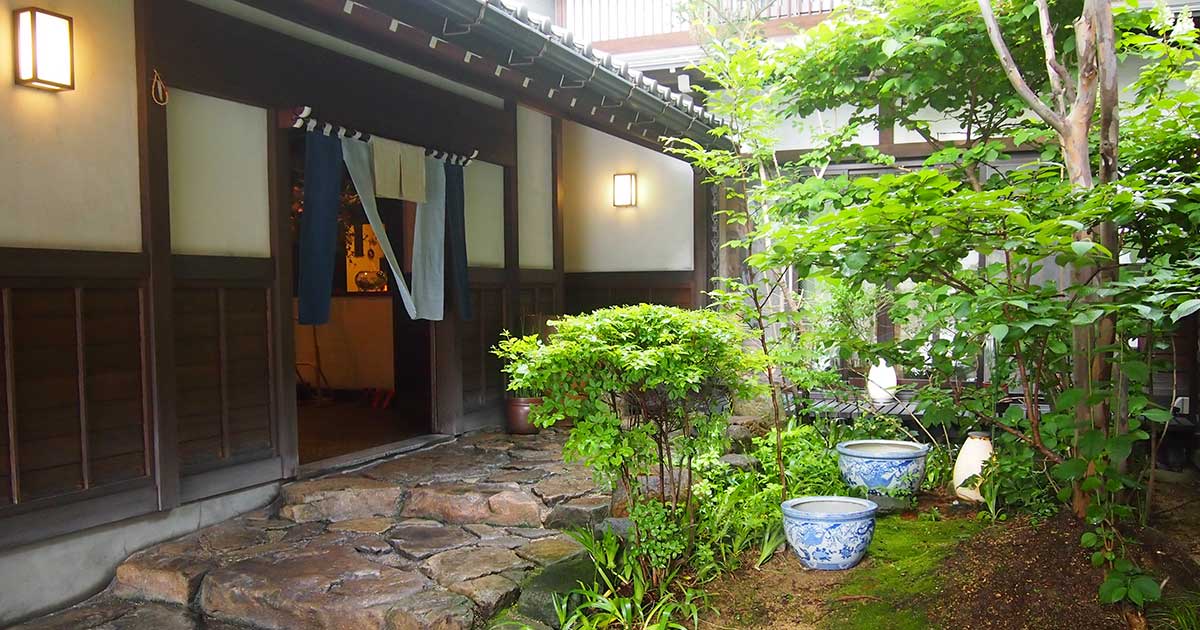 | from US$138/person/night≈ US$276 for 2 | 9.5 71 reviews | Book on Booking.com |
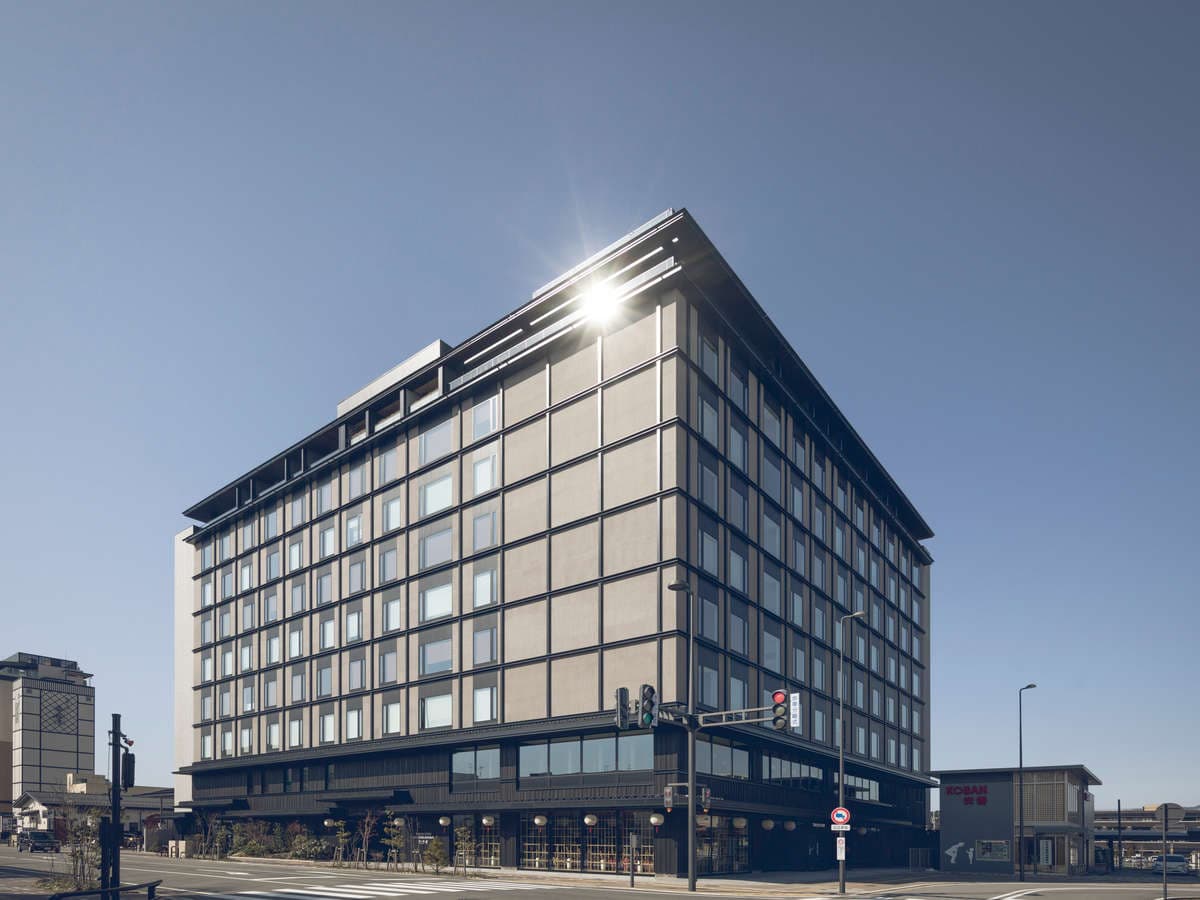 | from US$55/person/night≈ US$110 for 2 | 9.4 1,171 reviews | Book on Booking.com |
 | from US$100/person/night≈ US$200 for 2 | 9.4 562 reviews | Book on Trip.com |
 | from US$150/person/night≈ US$300 for 2 | 9.4 247 reviews | Book on Agoda |
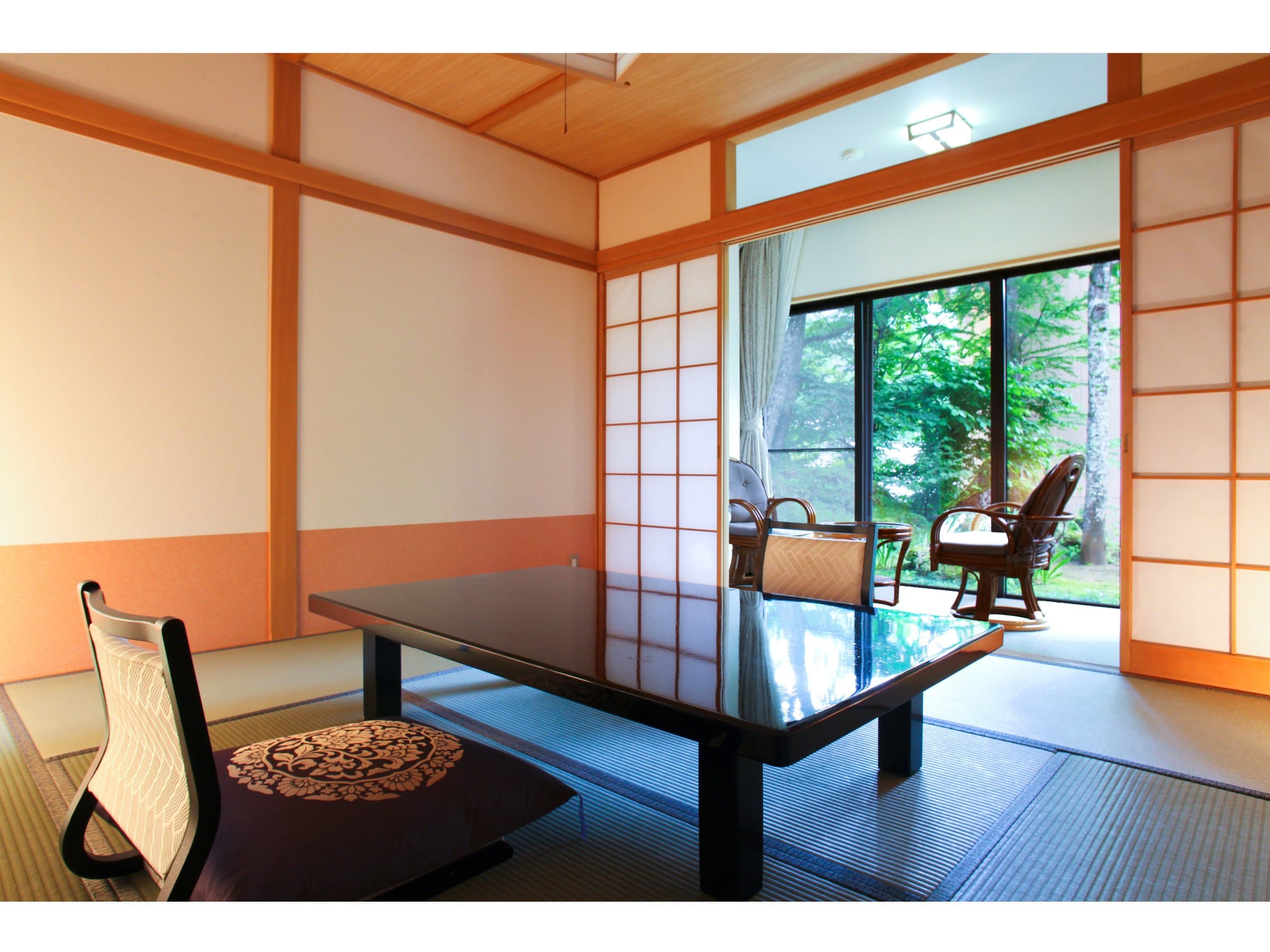 | from US$130/person/night≈ US$260 for 2 | 9.2 1,099 reviews | Book on Trip.com |
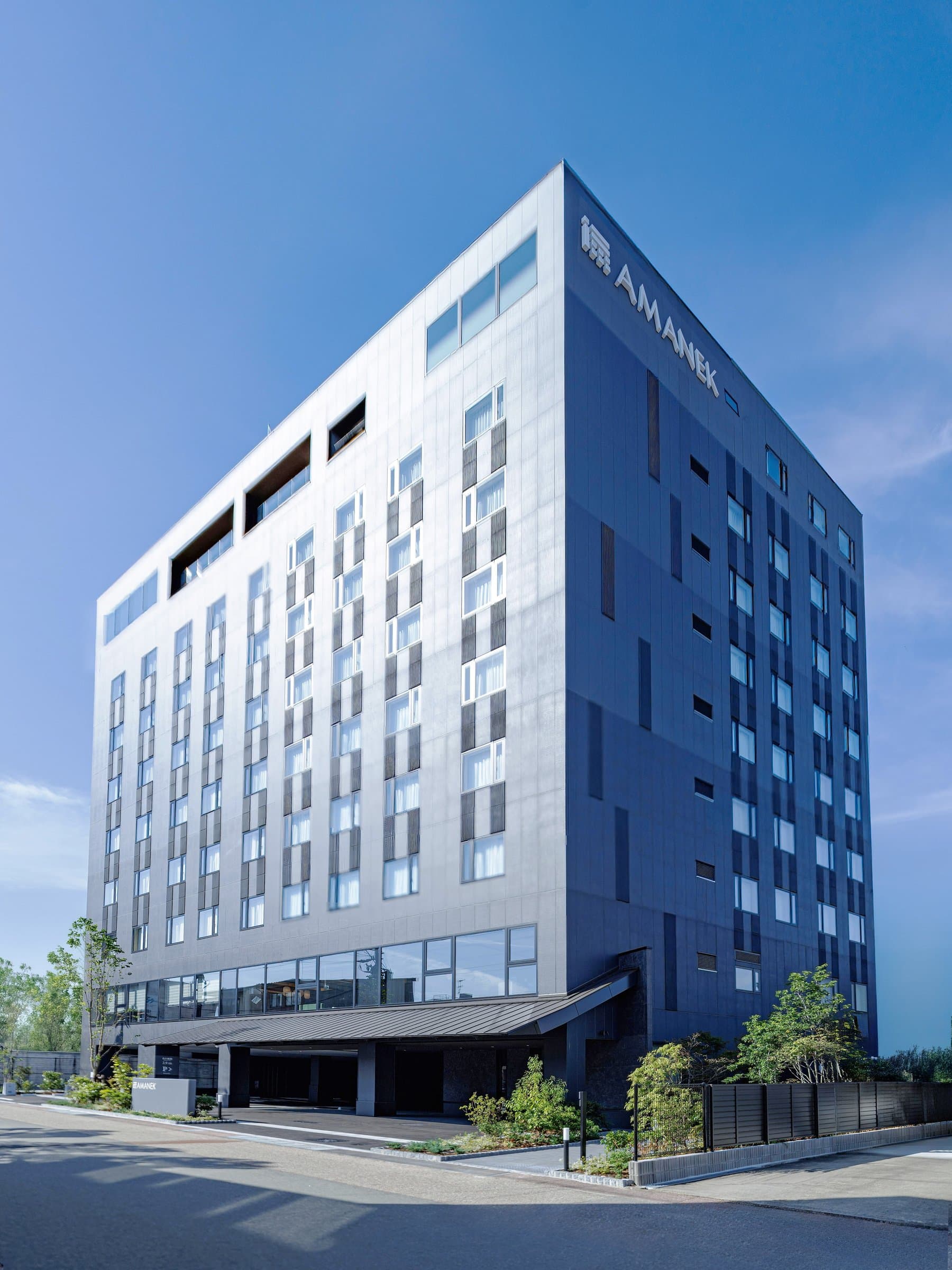 | from US$75/person/night≈ US$150 for 2 | 9.2 586 reviews | Book on Trip.com |
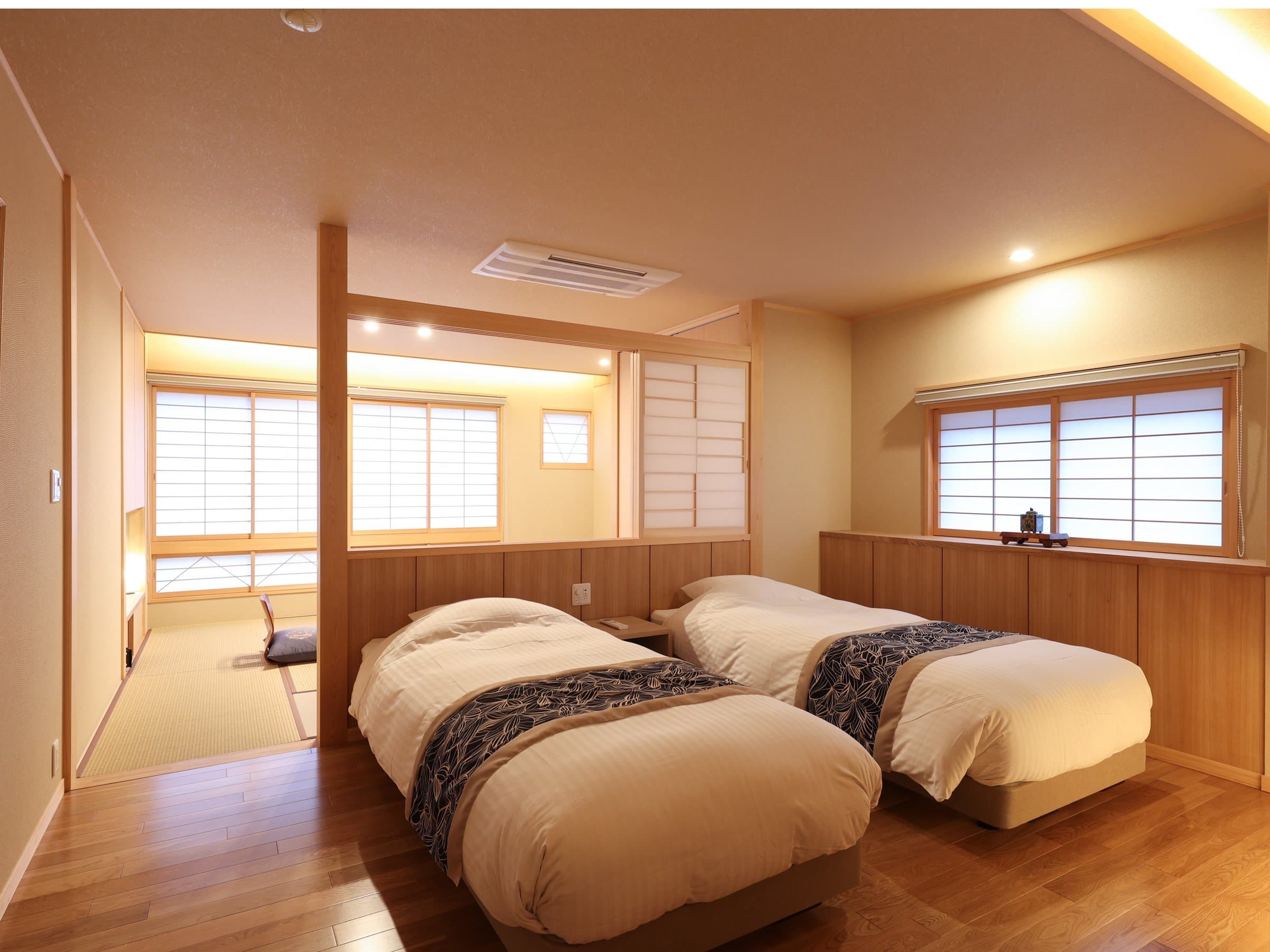 | from US$70/person/night≈ US$140 for 2 | 9.2 139 reviews | Book on Booking.com |
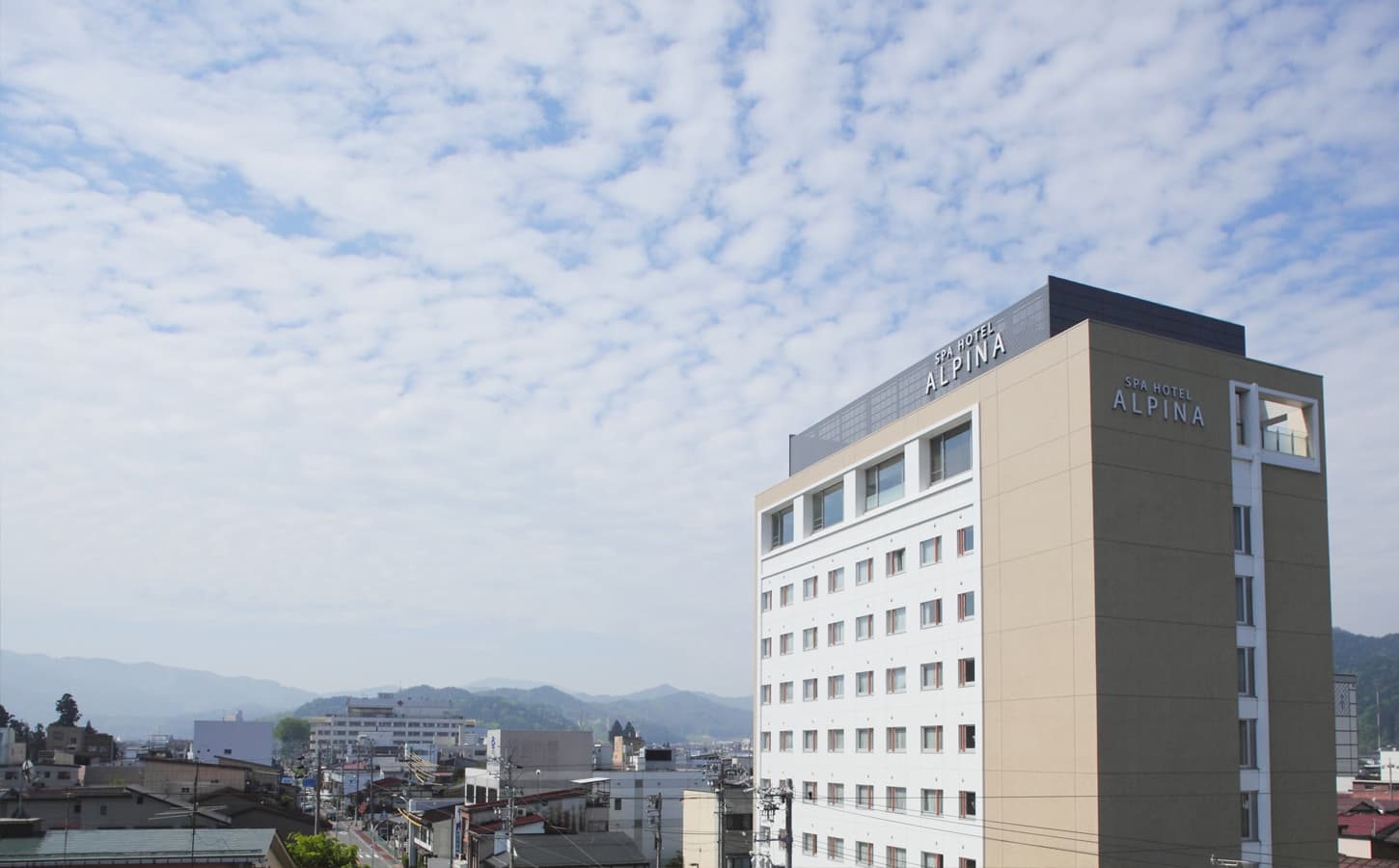 | from US$35/person/night≈ US$70 for 2 | 9.2 84 reviews | Book on Trip.com |
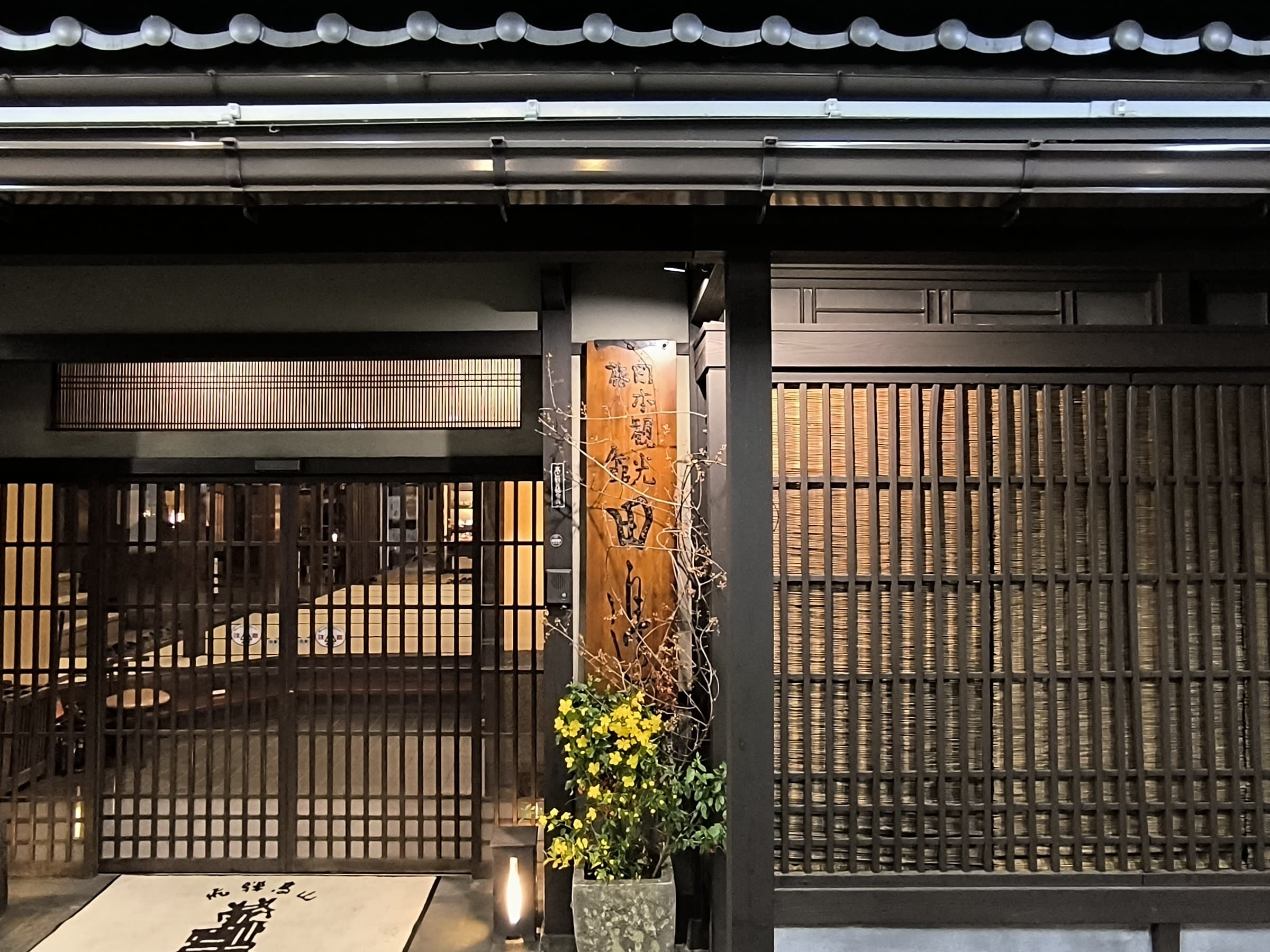 | from US$190/person/night≈ US$380 for 2 | 9.1 769 reviews | Book on Booking.com |
 | from US$149/person/night≈ US$298 for 2 | 9.1 380 reviews | Book on Trip.com |
 | from US$104/person/night≈ US$208 for 2 | 8.9 2,260 reviews | Book on Booking.com |
 | from US$191/person/night≈ US$382 for 2 | 8.9 482 reviews | Book on Agoda |
 | from US$53/person/night≈ US$106 for 2 | 8.8 4,895 reviews | Book on Booking.com |
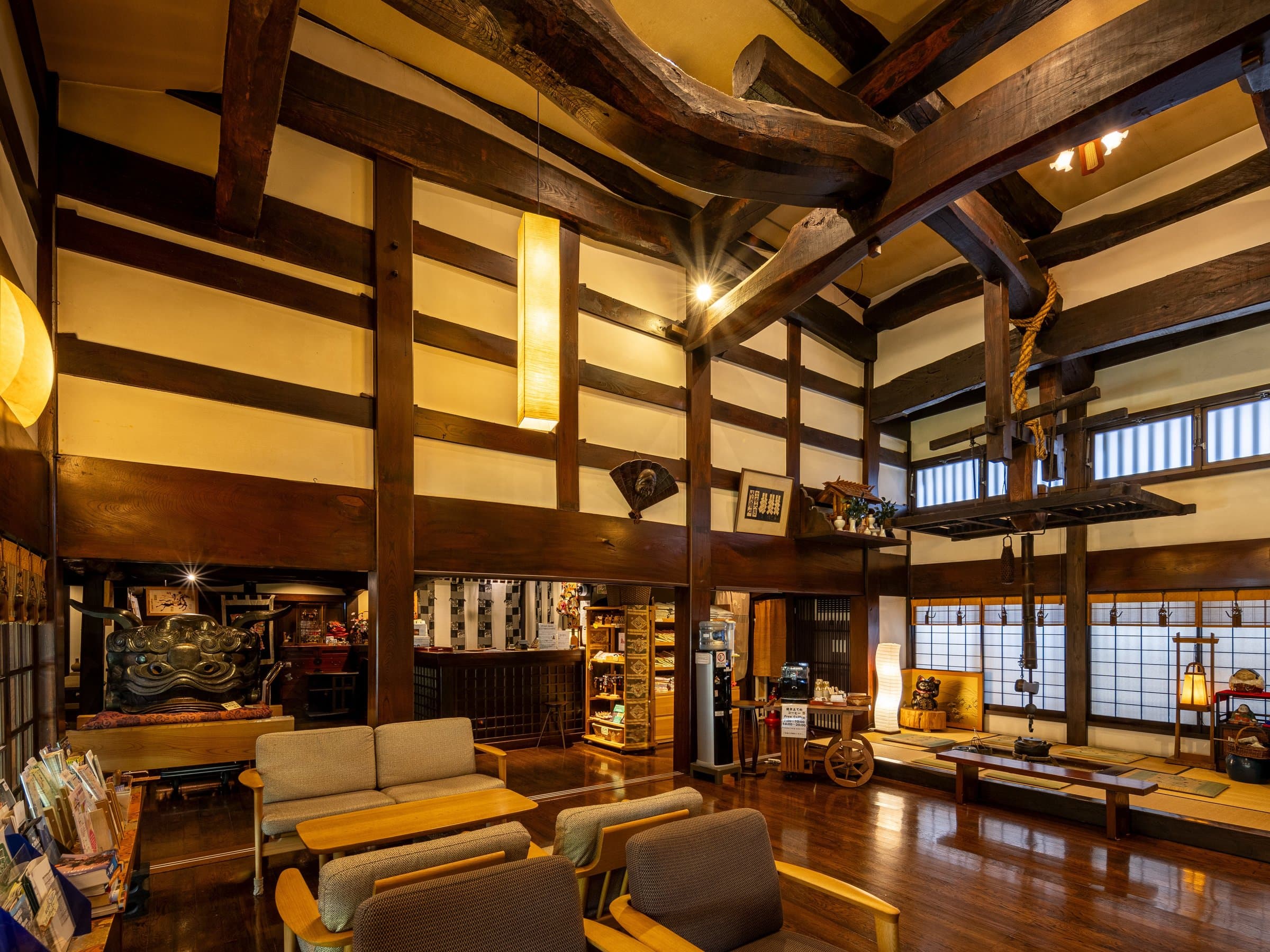 | from US$86/person/night≈ US$172 for 2 | 8.7 680 reviews | Book on Trip.com |
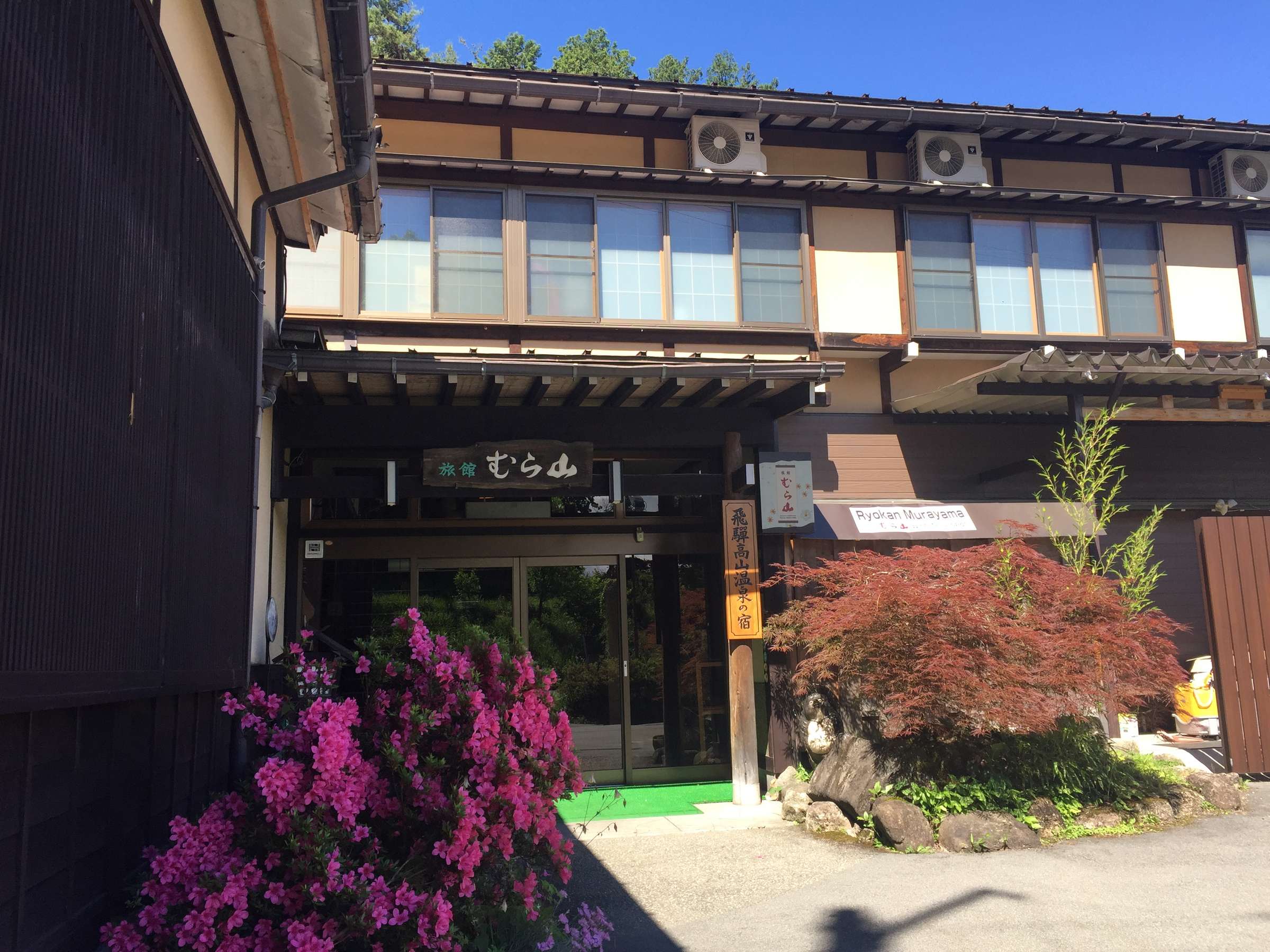 | from US$58/person/night≈ US$116 for 2 | 8.7 167 reviews | Book on Booking.com |
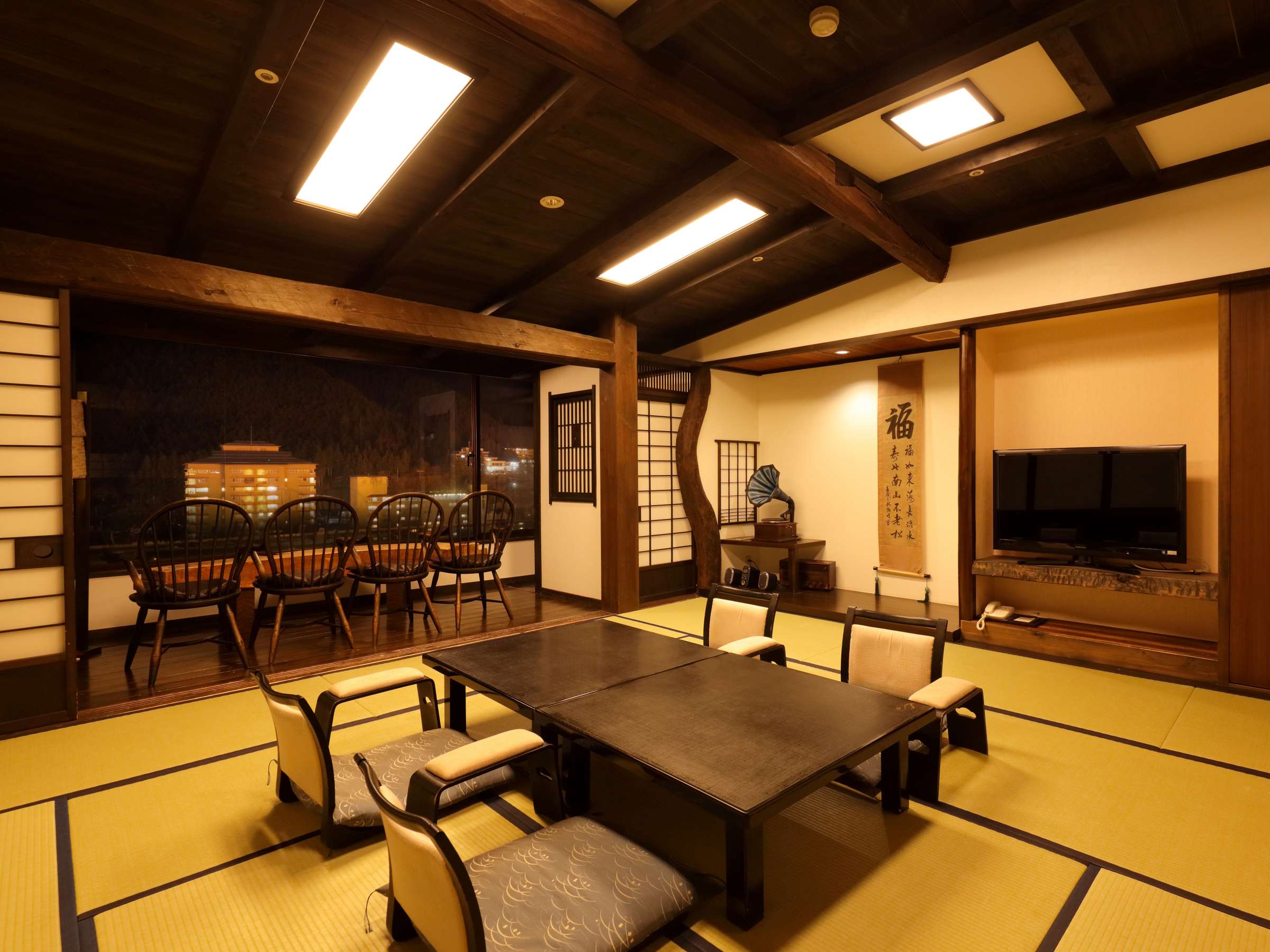 | from US$200/person/night≈ US$400 for 2 | 8.7 73 reviews | Book on Booking.com |
 | from US$200/person/night≈ US$400 for 2 | 8.6 28 reviews | Book on Booking.com |
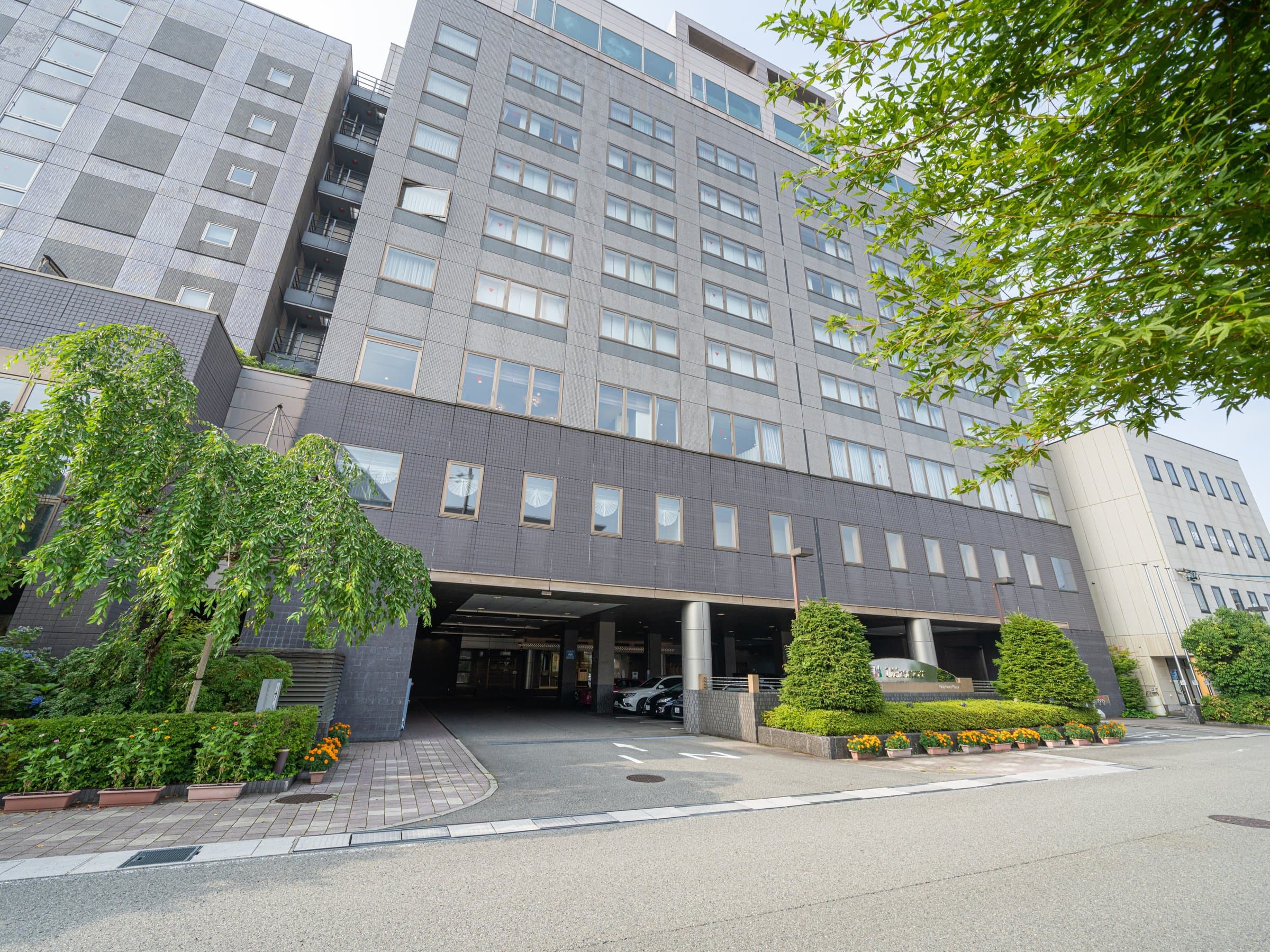 | from US$98/person/night≈ US$196 for 2 | 8.4 202 reviews | Book on Agoda |
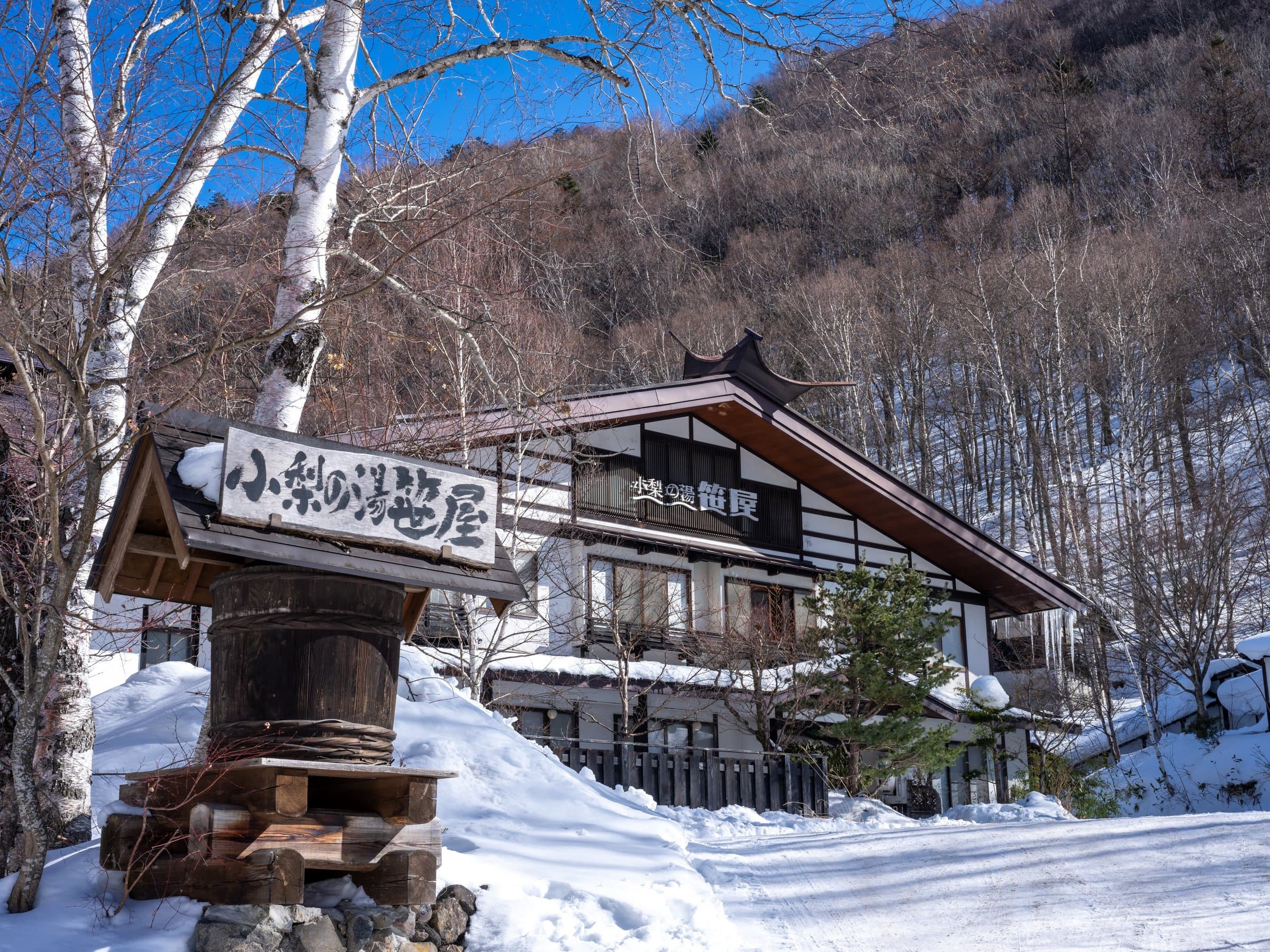 | from US$250/person/night≈ US$500 for 2 | 8.4 14 reviews | Book on Agoda |
Katsura no Yu Maruei Ryokan
Shirahone
Ogawaya
Gero
Shirafuneso Shintaku Ryokan
Shirahone
HOTEL AMANEK Hida Takayama
Takayama
Mutsumikan
Gero
Ryokan Tanabe
Takayama
Honjin Hiranoya Kachoan
Takayama
Takayama Green Hotel
Takayama
Honjin Hiranoya Kofukan
Takayama
Wat Hotel & Spa Hida Takayama
Takayama
Ryokan Asunaro
Takayama
Ryokan Murayama
Takayama
Sasara
Gero
Shirafune Grand Hotel
Shirahone
Hida Hotel Plaza
Takayama
Prices shown are approximate starting rates per person per night. We may earn a commission on bookings.
FAQ
Frequently asked questions
How far is Gero Onsen from Nagoya?+
Gero Onsen is approximately 1 hour 42 minutes from JR Nagoya Station by the JR Hida Limited Express, which runs around ten times per day. The one-way fare is ¥4,900 for an ordinary reserved seat. JR Pass holders ride free with a reserved seat ticket. Gero is a direct trip from Nagoya — no transfers required after boarding at Nagoya Station.
Is Gero Onsen worth visiting?+
Yes, with conviction. Gero is one of Japan's Three Famous Hot Springs (Nihon Sanmeiyu), a designation rooted in Edo-period scholarly assessment of water quality rather than a marketing committee. The sodium bicarbonate water has measurable skin-softening properties, the riverside ryokan selection covers every budget from around $120 to over $600 per person, and the journey from Nagoya is under two hours with no transfers. It justifies a minimum one-night stay; two nights lets you explore more of the town.
Can you do Gero Onsen as a day trip from Nagoya?+
Technically yes — the first train arrives around 9:00am and you can return by 8:00pm. The Yumeguri Tegata pass (¥1,300–1,500, confirm locally) grants day-use access to three participating ryokan baths, and the Shirasagi-no-yu public bath (¥430–470) is open until 9:00pm. What you miss is the evening kaiseki dinner and the 6:00am morning bath ritual — both of which are the actual core of the ryokan experience. We recommend at least one night to get full value from the journey.
What is the best onsen near Nagoya?+
For most visitors, Gero Onsen — 1h42m by direct train, sodium bicarbonate water, widest ryokan selection, easiest access. For those who want cultural depth and can commit to 2+ nights, Takayama edges ahead. For the rarest water chemistry in the region, Shirahone's milky-white carbonic springs have no equivalent near Nagoya. For a coastal alternative, Atami is 1h21m by shinkansen on the three direct Hikari a day (about 1h50m–2h by Kodama), but costs more to reach and offers a coastal rather than mountain experience.
How do I get from Nagoya to Takayama?+
Take the JR Hida Limited Express from JR Nagoya Station to JR Takayama Station — approximately 2 hours 33 minutes, ¥6,340 one-way reserved seat. JR Pass fully valid. This is the same train that stops at Gero; simply stay on board past Gero. All of the roughly ten Hida a day from Nagoya continue to Takayama. Check the JR Tokai timetable for current schedules.
Which onsen town is better: Gero or Takayama?+
For onsen alone: Gero. More ryokans, broader price range, 50 minutes closer. For the complete Japan cultural immersion: Takayama — Edo old town, Hida beef, Hida-no-Sato open-air museum, and one ryokan (Hidatei Hanaougi) with its own private spring source. Our rule: one night available → Gero. Two or more nights → Takayama earns the extra journey time. Don't try Takayama as a one-night standalone; the cultural assets require time.
Are there tattoo-friendly onsen near Nagoya?+
Yes, with nuance worth knowing. In Gero: Shogetsu (しょうげつ) allows tattoos with a cover-up (waterproof covering) in communal baths — one of the best mid-range options for tattooed travelers. Suimeikan, Yunoshimakan, Kawakamiya Kasuitei, and Bosenkan (望川館) offer private in-room onsen where tattoos aren't an issue. In Takayama: Mercure Hida Takayama and Takayama Ouan have cover-up policies in communal spaces. See our tattoo-friendly ryokan guide for the complete regional picture. Always confirm policies when booking — they can change.
How much does a night at a Gero ryokan cost?+
Gero spans a wider range than most visitors expect. Budget-tier properties like Mutsumikan start around $70 per person with two meals. Mid-range picks — Shogetsu, Bosenkan (望川館) — run approximately $120–350 and $200–400 per person respectively. Luxury properties like Yunoshimakan and Kawakamiya Kasuitei range from $250–700 per person. All prices include breakfast and kaiseki dinner, the standard Japanese ryokan pricing unit. See all Gero Onsen ryokans → for current availability.
What is Shirahone Onsen known for?+
Shirahone is known for its milky-white water — visually unlike any other major onsen in Japan. The color comes from calcium carbonate forming as the spring cools at the surface, combined with hydrogen sulfide that produces both the faint sulfur scent and the carbonic bubbles that adhere to skin in the outdoor bath. The local saying — "bathe three days at Shirahone and you won't catch a cold for three years" — has circulated since the Edo period. Shirahone is also the most remote onsen accessible from Nagoya, served by Alpico bus from Shin-Shimashima (limited departures, April to November only; car access only in winter).
How do I get from Chubu Centrair Airport to Gero Onsen?+
This is the step most Nagoya onsen guides skip. From Chubu Centrair Airport (NGO): take the Meitetsu Airport Line standard rapid to Meitetsu Nagoya Station — approximately 28 minutes, ¥870–890. Walk through to JR Nagoya Station (same complex, 5–10 minutes). Board the JR Hida Limited Express directly to Gero — approximately 1h42m. Total journey: approximately 2 hours 20 minutes, one transfer at Nagoya Station only. JR Pass covers from Nagoya Station onward; the Meitetsu leg requires a separate fare.
What is the closest onsen to Nagoya?+
Several hot-spring areas are roughly an hour from Nagoya Station. Nagaragawa Onsen, a riverside ryokan district in Gifu City, is about 20 minutes by JR to Gifu Station, then about 20 minutes by bus. Nagashima Onsen is about 50 minutes by direct bus from the Meitetsu Bus Center (traffic permitting), but it is a theme-park resort with large hotels, not a ryokan town. Yunoyama Onsen, a traditional ryokan town in Mie, is about an hour by Kintetsu train with a change at Kintetsu-Yokkaichi, then a 10-minute bus. Atami is not the closest: only three direct Hikari trains a day take 1 hour 21 minutes, the direct Kodama takes about 1 hour 50 minutes to 2 hours, and the unreserved fare is ¥8,240 one-way. Of the mountain onsen towns in this guide, Gero Onsen is the closest at 1 hour 42 minutes by direct JR Hida Limited Express — no transfers, ¥4,900 one-way with a reserved seat.
Do I need a JR Pass to get to Gero?+
No. The one-way fare from Nagoya to Gero is ¥4,900 — roughly ¥9,800 round trip — so Gero alone never justifies a Japan Rail Pass. Buy individual tickets. If Gero and Takayama are part of a longer circuit continuing to Kanazawa, the Takayama-Hokuriku Area Tourist Pass (¥19,800 for 5 days, foreign visitors only) usually beats the nationwide pass. Travelers who already hold a JR Pass for a Japan-wide trip can use it on this route freely.
Ready to book?
Book one of these top picks
Compare live availability and prices across booking sites.
Shogetsu
しょうげつ
Gero·Mid-Range
from US$120 · per person · per nightfrom ≈ US$240 total for 2 guests



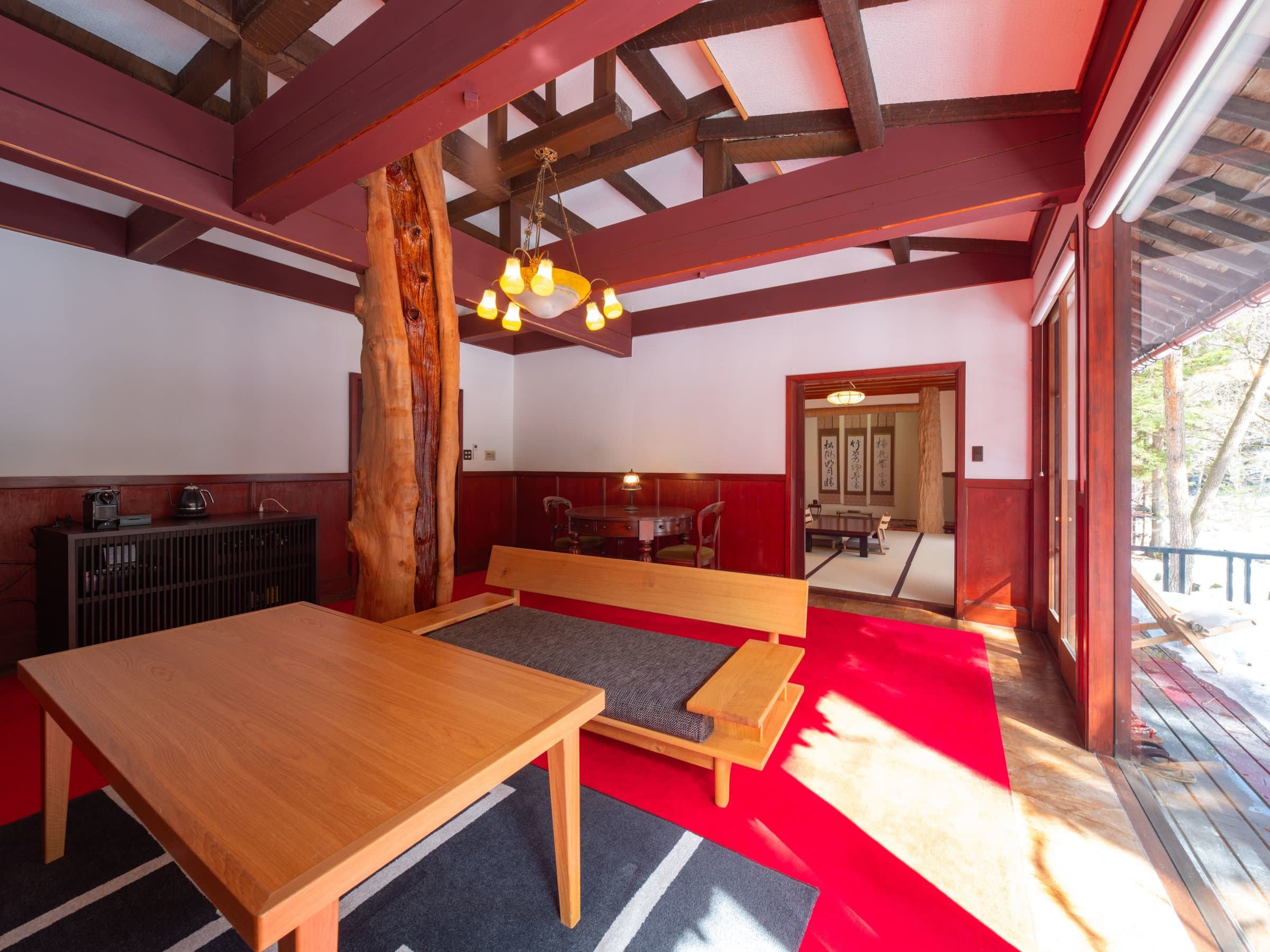
Wanosato
倭乃里
Takayama·Luxury
from US$500 · per person · per nightfrom ≈ US$1,000 total for 2 guests
Awanoyu Ryokan
泡の湯旅館
Shirahone·Luxury
from US$250 · per person · per nightfrom ≈ US$500 total for 2 guests
Booking links may earn us a commission at no extra cost to you.
Still deciding?
Browse ryokans across JapanBooking.com