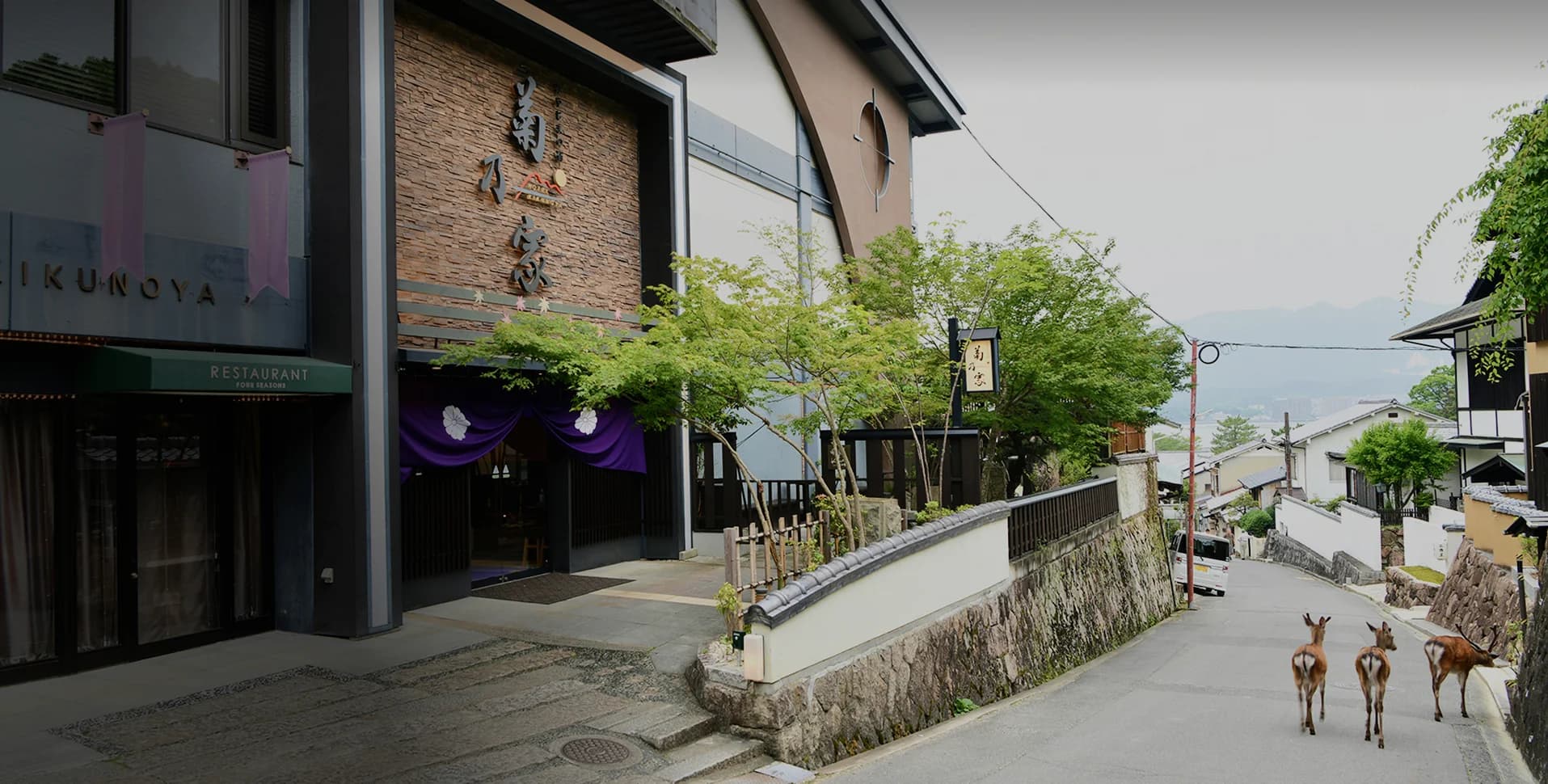
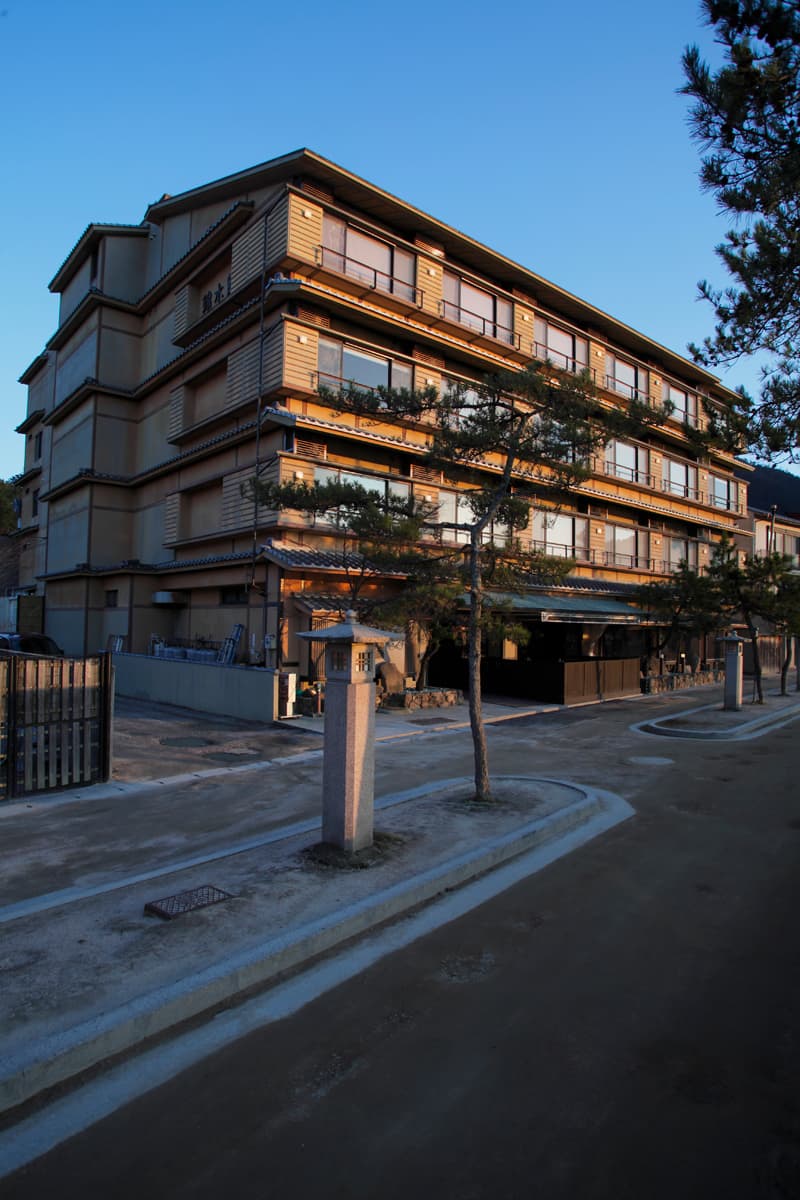
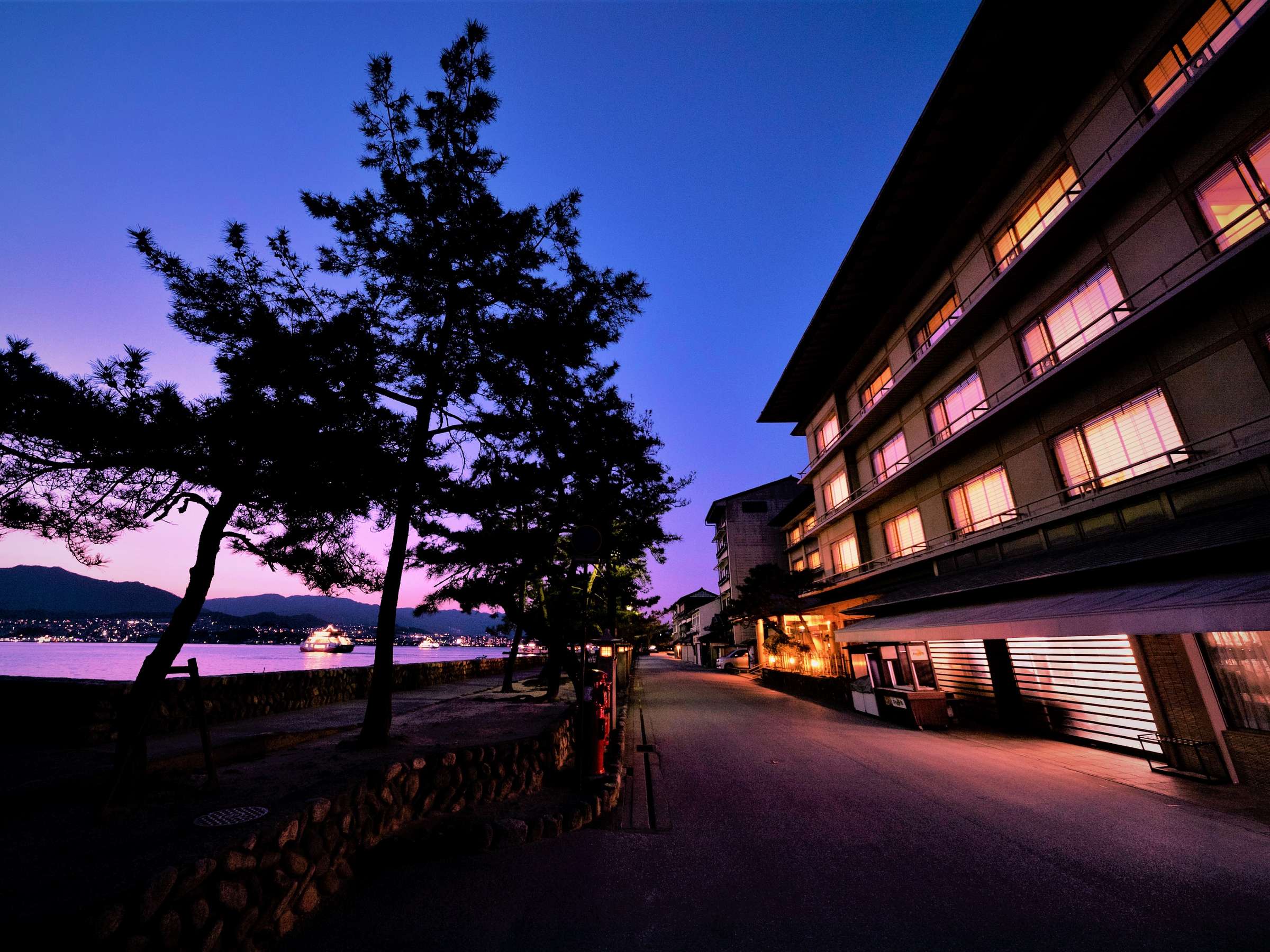
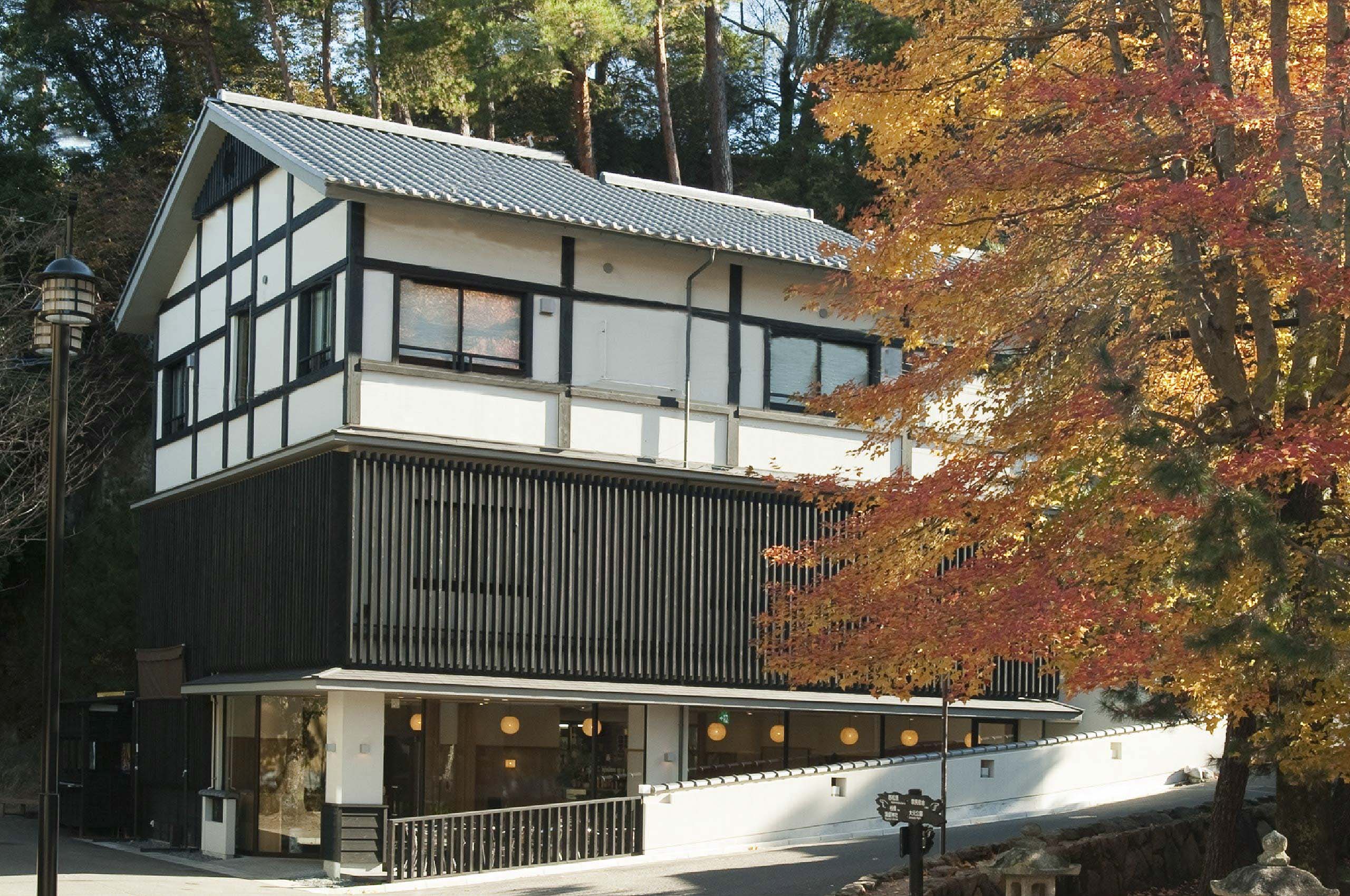
At 5:25pm on a Tuesday in November, the second-to-last day-tripper ferry pulled away from Miyajima with most of that afternoon's crowd on board. Within forty minutes, Omotesando — the souvenir street that had been shoulder-to-shoulder at lunch — was nearly empty. By 6pm I was walking back toward Itsukushima Shrine in a yukata and wooden geta, with three sika deer dozing on the seawall and the floodlit floating torii throwing a copper reflection across glassy water. There was nobody else in the frame.
That ninety-minute window between the last day ferry and dinner is the actual reason to book a ryokan on Miyajima. Day-trippers see the island between 10am and 5pm — busiest hours, fullest paths, longest queues. Ryokan guests see it from 5pm to 10am the next morning. It's a different island, and choosing where to sleep on it is the single biggest decision you can make about your Hiroshima trip. Last verified: May 2026.
Over the past four years I've stayed at five of the seven ryokans on this list — including two consecutive nights at Iwaso during the November maple peak — and the picks below reflect that direct experience, not desk research. This is the fifth installment of our best-ryokans-by-area series after Hakone, Kyoto, Takayama, and Yufuin.
This guide ranks seven ryokans across luxury, mid-range, and budget tiers — with honest weaknesses for each, the tide-and-check-in trick that no other guide explains, and the practical Hiroshima-to-island logistics most travelers underestimate. If you're new to ryokan culture entirely, our what to expect on your first ryokan stay guide covers the basics so this article can focus on what makes Miyajima specifically different.
The best ryokan in Miyajima is Iwaso — a 168-year-old luxury inn 4 minutes from Itsukushima Shrine with radium onsen baths, traditional Setouchi kaiseki, and a Momijidani garden setting. Budget travelers should book Sakuraya for boutique style under $200, sea-view seekers go to Jukeiso, and families fit best at Miyajima Grand Hotel Arimoto.
Tip
Disclosure: Japan Ryokan Guide earns a commission when you book through partner links. We don't accept payment from ryokans for inclusion or placement — every property here was selected on merit. The commission keeps the directory free in six languages.
Quick-Compare: 7 Miyajima Ryokans at a Glance
| # | Ryokan | Tier | From (USD) | Rooms | Walk to Shrine | Best For | |---|---|---|---|---|---|---| | 1 | Iwaso | Luxury | $350 | 41 | 4 min | First-timers wanting the historic onsen ryokan experience | | 2 | Jukeiso | Luxury | $280 | 30 | 15 min | Couples seeking sea views and torii sunsets | | 3 | Arimoto | Mid | $180 | 57 | 3 min | Groups and oyster-kaiseki hunters | | 4 | Itsukushima Iroha | Mid | $200 | 18 | 5 min | Couples wanting rooftop torii views | | 5 | Miyajima Seaside Hotel | Budget | $100 | 44 | 20 min | Families needing Western beds | | 6 | Sakuraya | Budget | $120 | 10 | 10 min | Boutique under-$300 stays | | 7 | Mikuniya | Budget | $50 | 8 | 5 min | Backpackers prioritizing the island over the kaiseki |
Why stay overnight on Miyajima instead of Hiroshima
Yes — staying overnight on Miyajima is the single biggest upgrade you can make to a Hiroshima trip. After the last group ferries leave around 5pm, day-trippers vanish and the island becomes yours: illuminated torii reflections until 11pm, deer roaming the empty shrine forecourt, and a 6am sunrise walk to the floating gate before any boats arrive. Day trips miss every one of these.
Most readers arrive at Miyajima from a Hiroshima Peace Memorial Park morning — the typical itinerary pairs the two on the same day, then transfers to a ryokan in Miyajima for the evening. The structural quiet of the island after 5pm is what makes that option dramatically better than commuting back to a Hiroshima hotel.
There is no 24-hour conbini on Miyajima. Roughly 90% of restaurants and shops on Omotesando close by 5pm, the same hour the day-tripper ferries fill up. Between 5pm and dawn, the only places still open are a handful of izakaya near the pier and the ryokans themselves — which is why a one-night-two-meals plan (一泊二食) is effectively mandatory rather than optional. The kaiseki dinner isn't an upsell; it's how you eat that night.
This structural quiet creates the experience that no day-trip article can sell you on. Itsukushima Shrine has been on the [UNESCO World Heritage list](https://whc.unesco.org/en/list/776/) since 1996 — recognized for what UNESCO calls a trinity of sea, shrine, and mountain backdrop. JNTO's official [Itsukushima Shinto Shrine page](https://www.japan.travel/en/world-heritage/itsukushima-shinto-shrine/) frames the same trinity for international visitors. [verified Source 2026-05-07] During the day you see the trinity through 10,000 other phones. Between 5pm and 10am, you mostly see it alone. JNTO data through November 2025 shows Japan welcomed over 39 million international visitors that year, and the Hiroshima–Miyajima corridor absorbed a significant share ([JNTO statistics](https://statistics.jnto.go.jp/en/graph/)). [verified Source 2026-05-07] The overnight is how you opt out of the daytime crush.
Tip
Plan your first evening for the 5pm to 6:30pm window. Day-trip ferries leave between 4 and 5pm, and that's when the island gets cinematic. Drop bags at your ryokan, change into yukata, and walk back to the shrine corridor before dinner service starts at 6pm. You'll have the lit torii almost to yourself.
How we picked these 7 ryokans
We screened every operating ryokan and ryokan-style hotel on Miyajima against four criteria: walking distance to Itsukushima Shrine or the ferry terminal, on-site bathing (public bath or in-room rotenburo), kaiseki centered on Setouchi seafood, and English-readable booking. Seven properties cleared the bar — three luxury, two mid-range, two budget — and they're the seven we recommend without hedging. Most picks are within five minutes of the Five-storied Pagoda (Gojunoto) and Senjokaku, the two architectural landmarks above the shrine forecourt.
No ryokan on this list paid to be included. Properties are drawn from our database of 224 vetted ryokans across 25 onsen destinations, ranked by lived experience and amenity data. For broader pricing context, our how Miyajima pricing compares to other onsen towns guide breaks down typical kaiseki ryokan rates across Japan.
A quick orientation on the price tiers you'll see below. Miyajima ryokans range from about $50 per night for a guesthouse bunk at Mikuniya to $900 per night for luxury suites at Iwaso. Mid-range traditional ryokans with kaiseki and onsen typically cost $200–$500 per person per night. Expect to pay 20–30% more than mainland Hiroshima for the privilege of being on the island. Most guests we hear from say it's worth it — for one night.
1. Iwaso — Best for first-time luxury ryokan-goers
Best for Couples on a milestone trip — the experience is theatrical, the service is quiet.
At a glance 41 rooms · ~$350–$900 USD · Founded 1854 · 4-min walk from Itsukushima Shrine through Momijidani Park.
Onsen Natural radium hot spring water in two indoor public baths plus reservable private *kashikiri* baths. Several main-building suites have an in-room private onsen (rotenburo) — the highest-tier option for a Miyajima ryokan with private onsen. (See our refresher on onsen etiquette before your first soak.)
Kaiseki Hiroshima-leaning Setouchi cuisine: anago (saltwater eel) prepared two ways, seasonal sashimi from the Inland Sea, and Hiroshima oysters in season. Breakfast is a proper multi-tray Japanese spread served in your room.
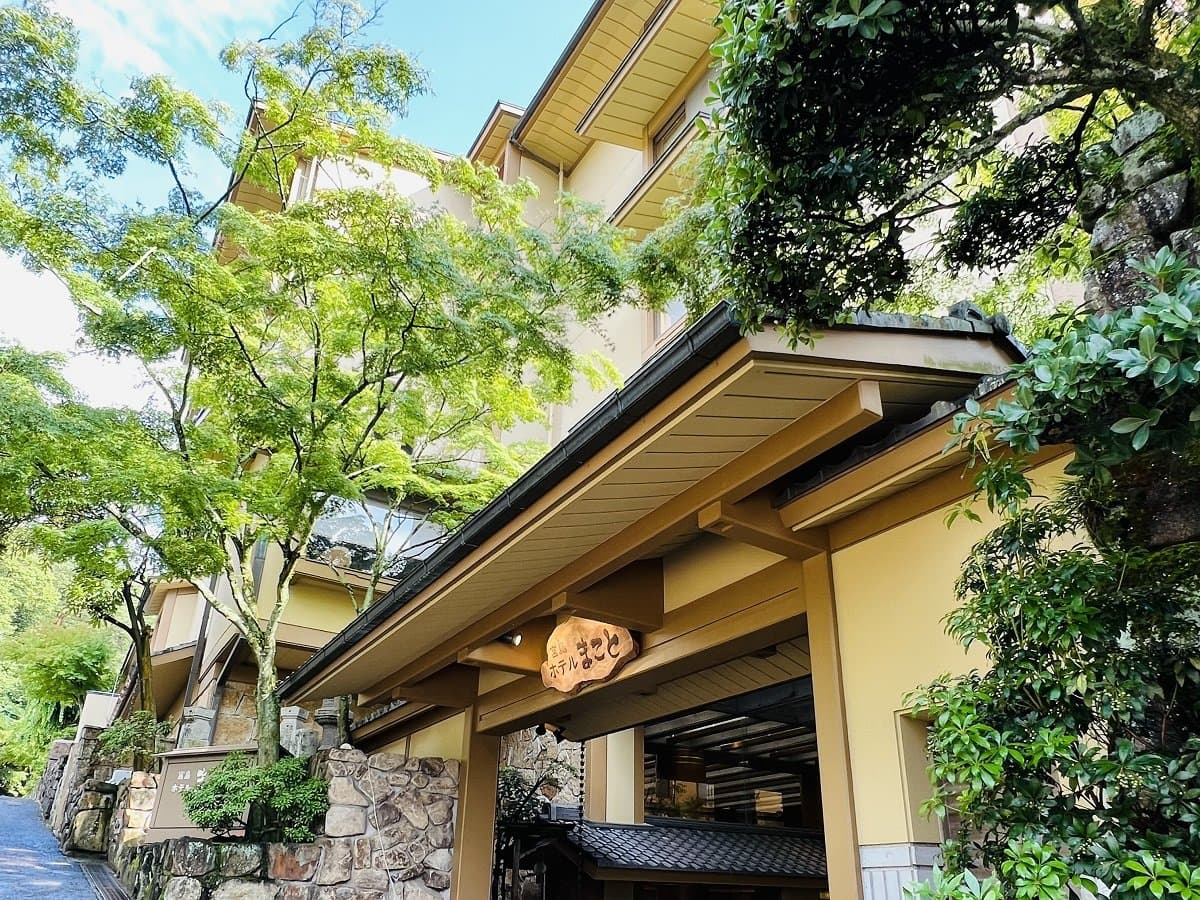
Standout Founded in 1854, Iwaso is the oldest ryokan on Miyajima and tucked into Momijidani Park at the base of Mount Misen. The annex (Hanare) and standalone cottages sit further into the maple forest, where deer wander past the windows in the early morning. Iwaso sits comfortably in the same league as the historic Hakone properties; if you're piecing together a multi-stop trip, our best ryokans in Hakone guide and our nationwide luxury ryokan rankings make natural companion reads.
Honest trade-off The cheapest rooms face inland with no view to speak of, and in foliage season the Momijidani-side rooms book out eight months ahead. If your dates are firm and those rooms are gone, ask for the annex (Bekkan) — same garden access, often released later. Rates run $350–$900 per person per night with two meals [approximate; verify current availability]. You can see Iwaso's room types and rates on our directory page.
Tip
Iwaso's Momijidani-side rooms book up eight months ahead for mid-November foliage. If you can't get them, request the annex (Bekkan) rooms — same garden access, often released later in the booking window. Booking by direct email in English is accepted; allow 48 hours for a reply during peak season.
2. Miyajima Seaside Hotel Jukeiso — Best for sea-view luxury and torii sunsets
Best for Couples and photographers who want the floating torii framed in their bedroom window at sunset.
At a glance 30 rooms · ~$280–$700 USD · Hilltop position about 1 km southwest of the ferry terminal · 15-min walk (or free shuttle) to Itsukushima Shrine.
Onsen Public and reservable private baths face the Seto Inland Sea, with the women's open-air rotenburo angled to catch the torii. *Kashikiri* private bookings are available for tattooed guests or couples who want the torii view alone.
Kaiseki Setouchi-classical: sashimi from the morning's catch, grilled seabream, anago in autumn, kaki in winter. Service is unhurried in the way only a 30-room ryokan can manage.
Standout Every guest room has a floor-to-ceiling window onto the Seto Inland Sea — and, framed dead center in many of those windows, the floating torii of Itsukushima Shrine. At high tide, around sunset, that view is the single most cinematic ryokan experience on the island. A complimentary shuttle runs between the ferry terminal and the property.
Honest trade-off The hilltop position that produces the view also produces stairs and inclines on the property. Guests with mobility constraints should request a lower-floor room and confirm step counts at booking. Sea-view rooms cost 20–30% more than inland-facing ones, and at sunset there is no contest worth the saving. Rates run $280–$700 per person per night with two meals [approximate; verify current availability]. You can check Jukeiso availability on our directory.
3. Miyajima Grand Hotel Arimoto — Best for oyster kaiseki and groups
Best for Groups of four-plus and oyster-hunters arriving in kaki season (November–February).
At a glance 57 rooms across multiple wings · ~$180–$500 USD · 3-min walk from Itsukushima Shrine · free shuttle from the ferry terminal.
Onsen A proper outdoor onsen with a view of the Inland Sea, plus indoor public baths. *Kashikiri* private baths are bookable at check-in for tattooed guests.
Kaiseki Per the prefecture's [official Dive Hiroshima guide](https://dive-hiroshima.com/en/feature/kaki-season/), kaki are at their peak November through February, with the Hiroshima Oyster Festival held in early February. [verified Source 2026-05-07] In late January I sat down to a kaiseki opening of three Hiroshima oysters served three ways — raw with ponzu, grilled in the half-shell, and battered into a single perfect kaki-furai — followed by a kaki no dote-nabe (oyster miso hotpot) cooked tableside. Off oyster season, the menu pivots to anago, Setouchi seabream, and conger eel sashimi. Breakfast is a proper Japanese ryokan breakfast spread served in a communal dining hall rather than in-room.
Standout The largest traditional-style hotel on Miyajima, with the scale to handle multi-generation groups and shorter lead times than Iwaso or Jukeiso. The oyster-forward kaiseki in season is the single best food experience on the island.
Honest trade-off Arimoto is closer to a large traditional hotel than a small artisan ryokan. Service is professional rather than personal, and the in-house ambience is more resort than retreat. For groups of four or more, that's an advantage; for honeymooners, less so. Rates run $180–$500 per person per night with two meals [approximate; verify current availability]. The full breakdown lives on our Miyajima Grand Hotel Arimoto room details page.
Tip
Visiting between December and February? Request the kaki no dote-nabe (oyster miso hotpot) add-on at booking. It's not always on the standard kaiseki and is the single best way to taste Hiroshima's signature ingredient — sweet oysters simmered in a miso ring around the hotpot, with tofu and seasonal vegetables added as the broth thickens.
4. Itsukushima Iroha — Best for couples on a mid-range budget
Best for Couples wanting central, photogenic, and walkable without paying full luxury rates.
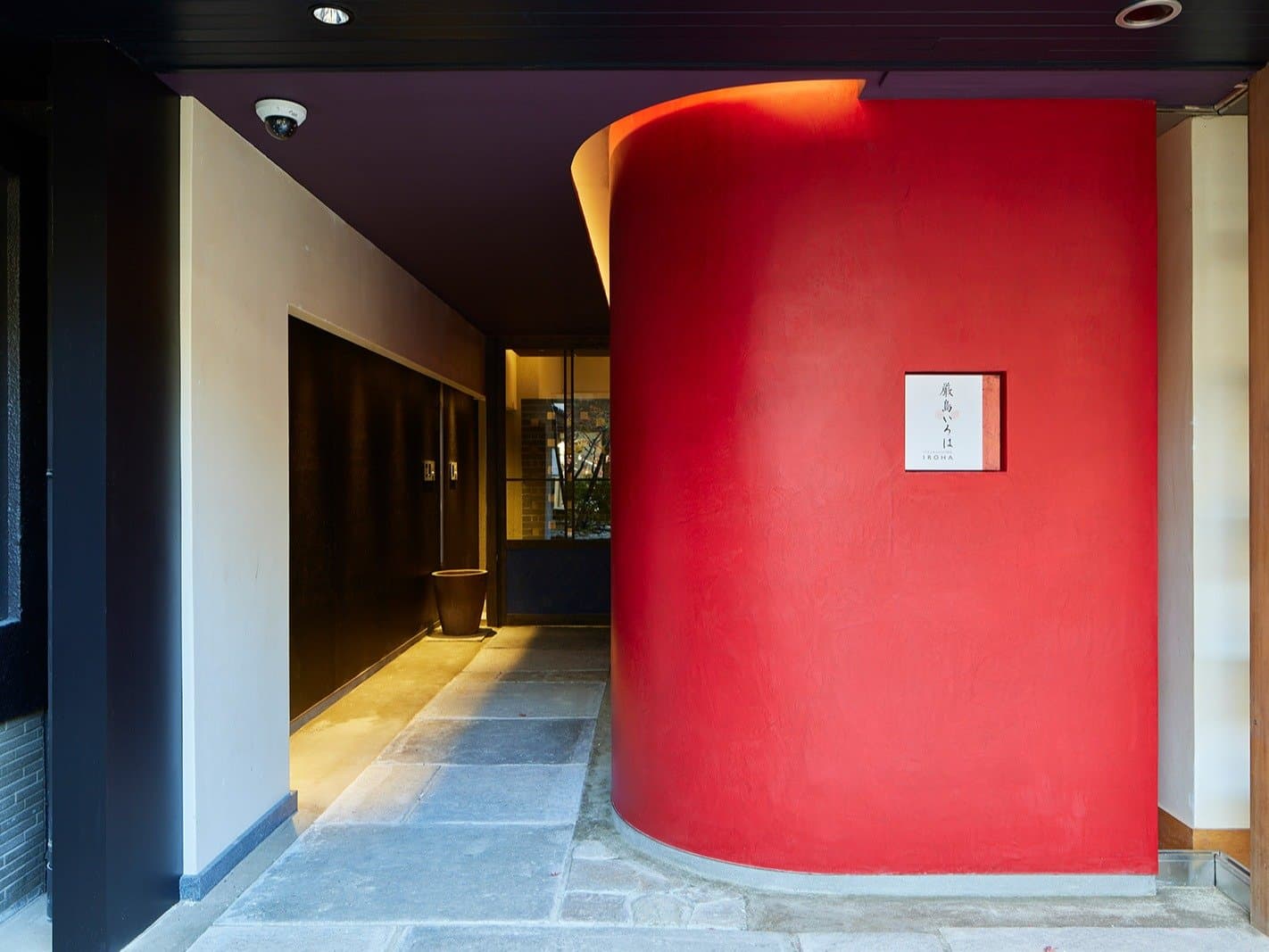
At a glance 18 rooms · ~$200–$500 USD · Dead center on Omotesando · 5-min walk from both Itsukushima Shrine and the ferry terminal.
Onsen A rooftop public bath looks out across the Inland Sea toward the torii, with a sunset window that alternates between the men's and women's bath on a daily rotation. No in-room rotenburo at this property. Tattoo policy on the rooftop bath is generally accommodating — confirm by email when booking.
Kaiseki Served in private alcoves rather than in-room — slightly less intimate than Iwaso's in-room service, but the food itself is strong, leaning into anago and Setouchi seafood with a few modern presentations. Rooms range from compact tatami doubles to larger tatami suites with private bathrooms.
Standout The rooftop onsen alternation is the entire reason to book Iroha: on the right schedule, you're soaking in mineral-rich water with the floating torii lit up in the foreground. Combined with the Omotesando location, this is the obvious mid-range pick for a Miyajima ryokan first-timer.
Honest trade-off Central means central. If your room faces Omotesando, you'll hear the late dinner crowd until around 9pm; rooms on the upper floors and the back of the building are quieter. Rates run $200–$500 per person per night with two meals [approximate; verify current availability]. You can see Itsukushima Iroha tatami suites on our directory.
Tip
The Iroha rooftop onsen has separated men's and women's hours, and the floating-torii sunset view alternates between them. Check the rotation card in your room at check-in and plan your soak around the schedule. Most guests miss this and end up with the inland-facing view at sunset; the difference between the two is the entire reason to book here.
5. Miyajima Seaside Hotel — Best for families and mixed-style travelers
Best for Families with school-age kids who want the ryokan experience without insisting that everyone sleep on a futon.
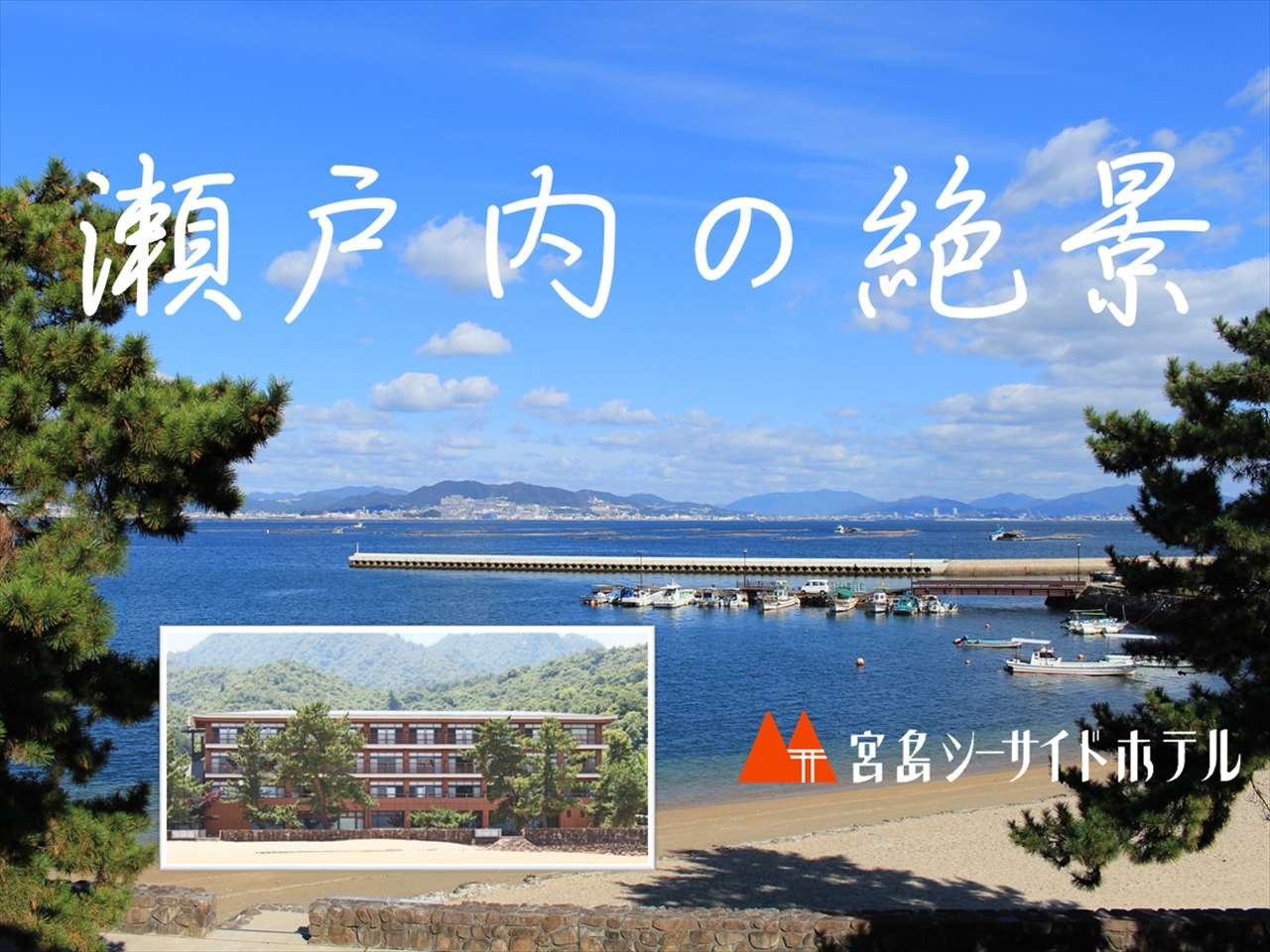
At a glance 44 rooms · ~$100–$280 USD · Oceanfront, short shuttle ride from the ferry terminal · 20-min walk along the seafront to Itsukushima Shrine. Don't confuse this with Jukeiso — they share part of a name only.
Onsen Sea-view public bath with decent rotation between indoor and outdoor sections. There's no in-room private onsen here.
Kaiseki Competent rather than spectacular — about what you'd expect from a 44-room property at this price tier. The dining accommodates picky eaters, and there's a karaoke room for the post-dinner stretch when the kids are still wired.
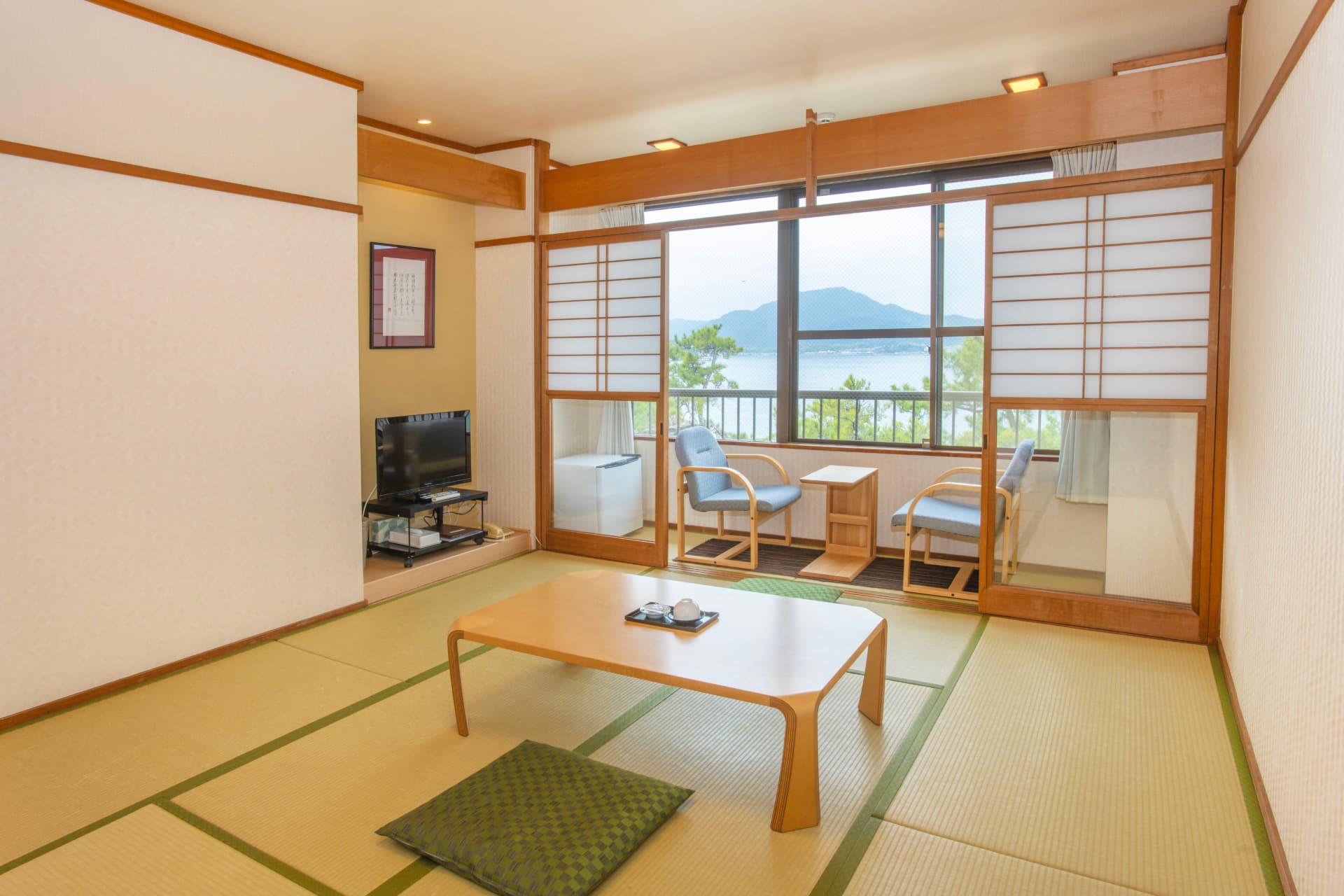
Standout Both Japanese tatami rooms and Western-style rooms with beds. Rooms are larger than the boutique alternatives. Free parking on the mainland side is a real advantage for guests who arrive by car before taking the ferry; very few Miyajima ryokans offer this.
Honest trade-off If you came for the historic-ryokan atmosphere with creaking wooden floors and a 160-year-old garden, this is a comfortable hotel that happens to serve Japanese food, not a heritage property. For an architectural ryokan experience on a budget, Sakuraya is closer to the brief. Rates run $100–$280 per person per night with two meals [approximate; verify current availability]. You can book the Miyajima Seaside Hotel through our directory.
6. Sakuraya — Best boutique ryokan under $300
Best for Travelers who want a small, family-run ryokan in Miyajima with home-style kaiseki rather than resort polish.
At a glance 10 rooms · ~$120–$280 USD · Near the waterfront · 10-min walk from Itsukushima Shrine.
Onsen No natural onsen — the ryokan uses a heated communal bath rather than a mineral hot spring. This is the main concession at this price tier.
Kaiseki Generous rather than refined. Expect three or four small Setouchi dishes — sashimi, simmered vegetables, grilled fish — followed by a hotpot or a substantial main, then rice, miso, and pickles. In oyster season the menu adds Hiroshima kaki to the spread.
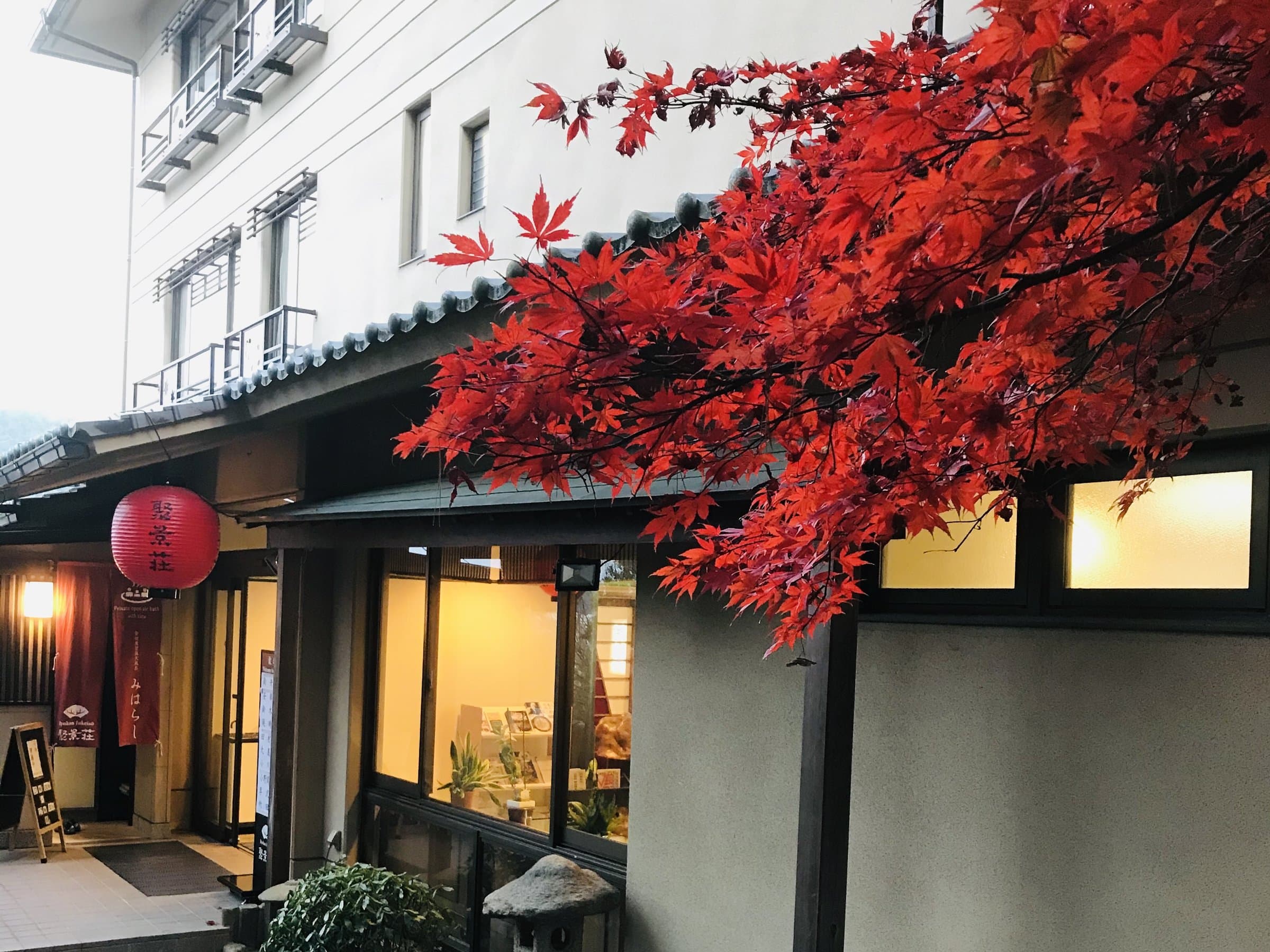
Standout The owner cooks much of the dinner. The futons are laid out by the same person who served you tea on arrival. Around 11pm on my second stay at Sakuraya I heard a soft thump against the wooden veranda — a young sika deer nosing around for the senbei wrapper I hadn't left out, because the front desk had warned me at check-in not to. Hatsukaichi has prohibited feeding the deer since 2008 and they are still hopeful. That's the kind of stay this is.
Honest trade-off No natural onsen, and only ten rooms means it books out quickly for foliage and oyster-season weekends. The room style is genuinely traditional — futon on tatami, no Western beds — which is the experience but also the deal-breaker for some travelers. Need to stretch a tight ryokan budget further? Our budget-ryokan tactics article goes deeper. Rates run $120–$280 per person per night with two meals [approximate; verify current availability]. You can browse Sakuraya's 10 boutique rooms on our directory page.
7. Miyajima Guest House Mikuniya — Best budget option under $150
Best for Backpackers and budget travelers who came to Miyajima for the island, not the kaiseki.
At a glance 8 rooms · ~$50–$150 USD · 5-min walk to both Itsukushima Shrine and Daisho-in Temple · traditional Japanese house with a small garden.
Onsen A heated bath rather than a true mineral spring. Shared bathrooms throughout. Tattoo policy is generally accepting.
Kaiseki None — guests typically eat at the few izakaya near the pier or pick up bento before the last ferry from the mainland. Breakfast is a la carte rather than a multi-course tray.
Standout For backpackers and budget travelers, Mikuniya at $50 a bunk is the cheapest place to stay on Miyajima island, full stop. Rooms split between private tatami spaces with futons and shared dormitory accommodations. At 5:50am on my last morning here I walked five minutes to the seabed exposed by low tide, and apart from a single photographer setting up a tripod, the empty sand under the floating torii was mine for thirty minutes — the kind of moment you only get from sleeping on the island. The staff are unusually helpful with island-tour suggestions and the 6am tide-walk timing.
If you're trying to compare Miyajima with Japan's top onsen destinations beyond Miyajima, Mikuniya's pricing is in line with budget guesthouses in Kinosaki or Nozawa Onsen — but the location next to a UNESCO World Heritage site is the differential.
Honest trade-off Shared bathrooms and a hostel atmosphere — fine if you came for the island, less fine if you came for the kaiseki and the in-room dinner service. The eight-room scale means it books out for foliage weekends faster than the larger properties. Rates run $50–$150 per person per night, room-only or breakfast-only [approximate; verify current availability]. You can see Mikuniya guesthouse rates from $50 on our directory.
How to choose: Momijidani, port-side, or hilltop?
Miyajima is small enough that no ryokan is meaningfully far from anywhere — the whole inhabited stretch is a forty-minute walk end to end — but the three micro-locations do create different stays.
Momijidani (Iwaso, near Mount Misen): primeval forest setting, three minutes from the shrine through the maple valley. Best for autumn foliage, mountain hiking access via the Daisho-in trail, and travelers prioritizing atmosphere over sea views. You won't see the torii from your room, but you'll walk to it through the most beautiful approach on the island.
Port-side and Omotesando (Iroha, Sakuraya, Mikuniya, Arimoto): the historic core. Easy walking access to the shrine, the shopping street, restaurants, and the ferry terminal. Best for first-timers who want to maximize what they can do on foot and minimize transit logistics. The trade-off is daytime crowds outside your door — though they vanish after 5pm.
Hilltop and seafront (Jukeiso, Miyajima Seaside Hotel): elevated views and sea access, with shuttle service to the ferry terminal and a fifteen- to twenty-minute walk (or shuttle) to the shrine. Best for sea-view sunsets, families wanting space, and travelers happy to trade walking convenience for the photograph from the bath. For a deeper Miyajima orientation beyond ryokans, see our full Miyajima area guide.
Tide tables: why your check-in date matters more than your check-in time
High tide on Miyajima typically peaks twice daily (~6am and ~6pm in spring), with tide levels above 250 cm fully submerging the floating torii's base. For the iconic photo, check the [Get Hiroshima tide tables](https://gethiroshima.com/museums-attractions/miyajima-tide-times/) and choose check-in dates when peak high tide falls during daylight hours, ideally late afternoon. [verified Source 2026-05-07]
Most Miyajima guides tell you to "check the tides." Almost none tell you to plan your booking date around them. The Itsukushima torii floats at high tide and stands on dry seabed at low tide, and the difference is dramatic — they are essentially two different photographs of two different shrines. The tide window shifts by about 50 minutes per day, which means a single overnight stay only gets you one of the two unless your timing is right.
The rule of thumb: a tide level of 250cm or more produces the floating effect (water laps the base of the torii pillars and reflects on the shrine corridor). A level of 100cm or less exposes the seabed and lets you walk to the gate's base. Anything in between is a partial. Check yours before booking, not after. Low tide on a Saturday morning means sharing the seabed with 200 other people; low tide on a Tuesday before 8am is genuinely empty.
The ryokan strategy that follows from this is the part nobody writes about. Book a night where you arrive at high tide and depart at low tide, or vice versa. Arrive in the late afternoon at high tide for the floating sunset; sleep over; walk to the gate's base on dry sand the next morning at 6am. That's the full Miyajima experience in one overnight, and it's a function of which date you book, not which ryokan. For travelers piecing together a luxury Japan tour, this same date-aware booking logic applies to any tide-dependent destination.
Tip
If you only have one tide window: prioritize high tide for the floating photo. Low-tide torii walking is fun but the iconic shot is the one with reflections. Aim for a check-in within two hours of a high tide of 250cm or more — sunset high tides between October and February are generally the most photogenic.
Getting to Miyajima: ferry, JR Pass, and the last boat
The route from Hiroshima Station to your ryokan on Miyajima is straightforward, and the JR Pass covers most of it.
Four steps, in order:
1. From Hiroshima Station, take the JR Sanyo Line to Miyajimaguchi Station — about 25 minutes, around 420 JPY, JR Pass valid. 2. Walk five minutes from the station to the ferry terminal at the water's edge. 3. Board the JR Miyajima Ferry (10 minutes, around 200 JPY, JR Pass valid). The competing Matsudai Kisen ferry runs the same route at the same fare but is not JR-Pass-covered. 4. From the Miyajima pier, walk 10–15 minutes along the seafront to Itsukushima Shrine — most ryokans on this list are within that same stretch, or offer free shuttles from the pier.
The last JR ferry leaves Miyajima at 10:14pm, with no service again until roughly 5:45am ([JR Miyajima Ferry timetable](https://jr-miyajimaferry.co.jp/en/timetable/)). [verified Source 2026-05-07] The timetable is irrelevant for the night you stay, but matters on the day you arrive and the day you leave. That 5:45am first boat is also why ryokan guests own the sunrise tide-walk: by the time the first day-trippers land, you've had ninety minutes alone on the seabed.
Visitor tax and luggage logistics. Since October 2023, every visitor over preschool age pays a [100 JPY visitor tax](https://another1000years-miyajima.jp/en/visitortax/index.html) at the ferry, collected by the boat operator and routed to Hatsukaichi City for environmental and shrine maintenance. A 500 JPY annual pass is available if you're returning. [verified Source 2026-05-07]
Luggage logistics matter more than most travelers expect. Coin lockers at Miyajimaguchi terminal are limited and fill up by mid-morning in peak season. The cleaner solution is to forward your big suitcase from a Hiroshima station hotel to your ryokan via Yamato Takkyubin (next-day delivery, around 2,000 JPY per bag), arriving on the island with only an overnight bag.
Tip
Buy a JR Pass before arriving in Japan if you're doing Tokyo–Kyoto–Hiroshima — the Hiroshima-to-Miyajimaguchi train AND the JR ferry are both included. The non-JR Matsudai Kisen ferry runs the same route at the same fare but charges separately. With the pass, you board both legs without buying a ticket.
What to eat beyond kaiseki: oysters, anago, and momiji manju
Miyajima has three signature foods, and you should try all three across an overnight stay.
Hiroshima oysters (kaki) are the headline. Per [Dive Hiroshima](https://dive-hiroshima.com/en/feature/kaki-season/), peak season runs November to February, and the Miyajima Oyster Festival is held in early February. Inside that window, every ryokan on this list incorporates kaki into the kaiseki — Arimoto goes hardest. The standalone experience worth slotting into a daytime walk is Yakigaki no Hayashi, the wood-fired grilled-oyster shop on Omotesando.
Anago-meshi (saltwater eel rice bowl) is the Miyajima local specialty alongside kaki. Most ryokan kaiseki includes anago in some form during autumn; the standalone version, served as a bowl of rice topped with sliced grilled eel, is the lunch to order before you board the ferry home. Ueno, near Miyajimaguchi station, runs the most famous anago-meshi counter in the prefecture.
Momiji manju are the souvenir food: maple-leaf-shaped sponge cakes filled with red bean, custard, or matcha cream, sold along Omotesando. Practical note: do not eat any of these outside on the island. Per the [Miyajima Tourist Association](https://www.miyajima.or.jp/english/pickup/heritage.html), the deer are wild and habituated to people; they will headbutt children for paper bags and have been known to eat wallets, ferry tickets, and maps. [verified Source 2026-05-07] Eat indoors or in your ryokan.
Tip
Deer warning: Miyajima deer are not Nara deer. They roam freely and have learned to associate paper bags with food. Do not eat outside, do not feed them, and never wave a map or ticket at face level — they will grab it. They're generally docile, but rutting season (October–November) brings more headbutts. Keep snacks zipped inside bags.
Best time of year to stay at a Miyajima ryokan
The four-season picture, in priority order for a one-night stay.
Mid-November for Momijidani autumn foliage. Iwaso's Momijidani-side rooms are the bullseye — the maple canopy turns electric orange around the second and third weeks of November, and the property's location inside the park means the foliage is your view. Book by July at the latest for these dates; late bookings rarely succeed.
Late January to early February for peak Hiroshima oysters. The kaiseki gets noticeably better at every property on this list during the kaki window, and Arimoto's oyster-forward menu is the single best food experience on the island. The trade-off is cold ferry crossings and shorter daylight; bring a coat and front-load your sightseeing into the morning. The Hiroshima Oyster Festival in early February is worth timing around.
Late March to early April for cherry blossoms. Tahoto Pagoda above Itsukushima Shrine is set inside a small grove of weeping cherries, and the contrast against the vermilion shrine is extraordinary. Book three to four months ahead.
Avoid August (humidity, crowds, jellyfish) and Golden Week (May 3–5) (holiday surcharges, books out four months early). Late May, June, September, and early December are the under-rated shoulder windows — fewer crowds, mid-tide schedules, and easier last-minute availability. Worth scanning everything else worth doing on Miyajima when you pick your dates.
Tip
Skip the ropeway crowds and walk down via Daisho-in Temple instead. The 1-hour descent through cedar forest, tucked-away shrines, and the rope-tied 'Henjokutsu' cave is one of Miyajima's quietest experiences — and you've already paid for the Miyajima Ropeway up. Mount Misen tops out at 535m, and the Daisho-in trail bypasses the ropeway-line bottleneck most day-trippers queue in.
Miyajima ryokan FAQ
Is it worth staying overnight on Miyajima instead of Hiroshima?
Yes, for one night, almost universally. The post-5pm island — illuminated torii, empty shrine corridor, deer at dusk — is the trip's most memorable hour and is invisible from a day trip. If you have only one night and want city nightlife, stay in Hiroshima. If you want the UNESCO experience without the daytime crush, stay on the island.
Do I need one night on Miyajima or two?
One night is plenty for the post-5pm window — you arrive in the late afternoon, get the lit torii and dinner, sleep over, and catch the sunrise tide walk before any day-tripper boats arrive. Book two nights only if you're hiking Mount Misen and visiting the Hiroshima Peace Memorial Park on the same trip; the extra evening lets you split those into separate days without rushing.
Which Miyajima ryokans have private in-room onsen (rotenburo)?
Iwaso's main-building suites have an in-room private onsen (rotenburo) — the only true ryokan in Miyajima with private onsen at the suite tier. For lower-cost private bathing, Iwaso, Arimoto, and Jukeiso all offer reservable *kashikiri* private baths bookable at check-in. Most other properties on the island use shared public baths only.
What is the cheapest ryokan on Miyajima?
Miyajima Guest House Mikuniya, from around $50 per night for a dorm bunk and roughly $80–$150 for a private tatami room. For a full ryokan experience with kaiseki dinner included, Sakuraya from $120 per person is the budget floor.
Which Miyajima ryokan has views of the floating torii from the room?
Jukeiso (sea-view rooms framing the torii directly), Itsukushima Iroha (rooftop onsen view, alternating by gender rotation), and select sea-facing rooms at Arimoto. Iwaso faces Momijidani Park and does not have a torii view from the rooms — the trade-off for being in the maple forest.
Do Miyajima ryokans have onsen / hot springs?
Most on this list do, but Miyajima itself isn't a major onsen destination. Iwaso has natural radium hot spring baths; Arimoto and Jukeiso have hot-spring-style outdoor and indoor baths; Iroha and the Seaside Hotel use heated mineral baths; Sakuraya and Mikuniya use heated communal baths rather than mineral onsen. If onsen is the priority, choose Iwaso or Arimoto.
Where exactly are these ryokans located?
Three are in or near the historic core (Iroha on Omotesando, Sakuraya near the waterfront, Mikuniya near Daisho-in Temple), one in Momijidani Park (Iwaso), one near the shrine (Arimoto), and two on the outer seafront (Jukeiso on the hilltop, Miyajima Seaside Hotel along the coast). All are within twenty minutes of Itsukushima Shrine on foot or by free shuttle.
Are Miyajima ryokans tattoo-friendly?
Policies vary. Iroha and Mikuniya are generally accepting. Iwaso and Arimoto request that visible tattoos be covered or that guests use private *kashikiri* baths, which are bookable at check-in for a small surcharge. Always email ahead — Japanese ryokans appreciate the heads-up and many will accommodate with a private bath reservation if asked.
What is the dress code for a Miyajima ryokan?
Casual day clothes for arrival and dinner. Your ryokan provides a yukata (cotton robe) and wooden geta on arrival, which are acceptable in public areas, the onsen, and on short walks around the island. Many guests wear yukata to the illuminated torii after dinner — the lanterns and the wooden footwear on the stone street is part of the experience.
What's the best month to stay at a Miyajima ryokan?
Mid-November for Momijidani autumn colors at Iwaso, late January through early February for peak oyster season at Arimoto, or late March to early April for cherry blossoms at Tahoto Pagoda. Avoid August (humidity) and Golden Week (May 3–5, holiday surcharges).
Final thoughts: sleeping in the shadow of the floating torii
The case for an overnight on Miyajima is structural rather than aspirational. The island runs on day-tripper time during the day and ryokan-guest time at night, and choosing where to sleep is how you choose which version of Miyajima you see. Iwaso for first-timers wanting the historic luxury benchmark. Jukeiso for sea-view sunsets framed in the room. Arimoto for oyster kaiseki and group-friendly scale. Iroha for couples on a mid-range budget who want the Omotesando location. Miyajima Seaside Hotel for families wanting Western beds. Sakuraya for the boutique, family-run experience under $300. Mikuniya for the budget traveler who came for the island, not the kaiseki.
The dates matter as much as the property. A November foliage night at Iwaso is a different trip from a late-January oyster night at Arimoto. Cross-check tide tables, kaki season, and your own foliage or sakura preferences before you commit.
When you're ready, jump to the individual ryokan pages linked above. If Miyajima is one stop in a longer trip, our guides to Japan's top onsen destinations and the best ryokans in Hakone round out the route.
11月某個週二的下午5點25分,當天倒數第二班載著日歸觀光客的渡輪駛離宮島,那個下午的人潮幾乎全數登船離去。不到四十分鐘,午餐時段還摩肩接踵的表參道紀念品商店街幾乎空無一人。下午6點,我已經穿著浴衣與木屐,走在返回嚴島神社的路上——三隻梅花鹿正在防波堤上打盹,打上燈光的海上大鳥居在如鏡水面上投下銅色倒影。整個畫面裡再沒有別人。
從末班日歸渡輪駛離到晚餐之間的這九十分鐘,正是您應該入住宮島旅館的真正理由。日歸遊客只能看見上午10點到下午5點的島嶼——最擁擠的時段、最壅塞的路徑、最漫長的排隊;旅館住客看到的,則是下午5點到隔日上午10點的宮島。那是另一座島嶼,而選擇在哪間旅館過夜,是您整趟廣島之旅最關鍵的單一決定。最後核實:2026年5月。
過去四年間,我在這份名單中的七間旅館裡住過五間——包括11月楓葉盛開時連續兩晚下榻岩惣——以下推薦皆來自親身體驗,而非紙上作業。這也是繼箱根、京都、高山、由布院之後,本系列「分區精選旅館」的第五篇。
本指南依奢華、中價位與平價三個級別,盤點七間宮島旅館——誠實點出每間的弱項、其他指南從未說明的「潮汐+入住時間」訣竅,以及多數旅客低估的廣島至宮島實際交通安排。如果您對旅館文化還完全陌生,建議先閱讀我們的第一次入住旅館完整指南,本文便能專注探討宮島獨有的特色。
宮島最佳旅館首推岩惣——這間擁有168年歷史的奢華老舖距離嚴島神社僅4分鐘路程,擁有鐳泉溫泉、傳統瀨戶內懷石料理,以及紅葉谷公園的絕佳位置。預算型旅客可選擇200美元以下的精緻小宿櫻屋;追求海景者請鎖定聚景莊;攜家帶眷則最適合宮島格蘭飯店有もと。
Tip
揭露聲明: Japan Ryokan Guide 在您透過合作連結預訂時可獲得佣金。我們不接受旅館付費收錄或排序——本文每間旅館皆依品質擇優選入。佣金收入用以維持本目錄六種語言版本的免費瀏覽。
快速比較:宮島7間旅館一覽
| # | 旅館 | 級別 | 起價(美元) | 客房數 | 步行至神社 | 適合對象 | |---|---|---|---|---|---|---| | 1 | 岩惣 | 奢華 | $350 | 41 | 4分鐘 | 想體驗歷史溫泉旅館的初訪者 | | 2 | 聚景莊 | 奢華 | $280 | 30 | 15分鐘 | 追求海景與大鳥居夕陽的情侶 | | 3 | 有もと | 中價位 | $180 | 57 | 3分鐘 | 多人團體與牡蠣懷石愛好者 | | 4 | 嚴島いろは | 中價位 | $200 | 18 | 5分鐘 | 想看屋頂大鳥居景觀的情侶 | | 5 | 宮島Seaside Hotel | 平價 | $100 | 44 | 20分鐘 | 需要西式床鋪的家庭 | | 6 | 櫻屋 | 平價 | $120 | 10 | 10分鐘 | 300美元以下的精緻小宿 | | 7 | 三國屋 | 平價 | $50 | 8 | 5分鐘 | 把島嶼擺在懷石料理之前的背包客 |
為何要在宮島過夜,而非住廣島?
是的——在宮島過夜是您能為廣島之旅做的最大升級。 末班團體渡輪在下午5點左右駛離後,日歸遊客即刻消失,整座島嶼歸您所有:點燈的大鳥居倒影持續到晚上11點、梅花鹿漫步在空無一人的神社前廣場,加上清晨6點船班還沒抵達前,您可以獨享走到海上鳥居的散步時光。日歸行程完全錯過這些。
大多數讀者是從廣島和平紀念公園的早晨行程出發前往宮島——典型行程會把這兩處安排在同一天,傍晚再轉往宮島旅館。下午5點後島上那種結構性的寧靜,讓這個選項遠遠優於通勤回廣島的飯店。
宮島沒有24小時便利商店。表參道約九成的餐廳與商店在下午5點關門,正好就是日歸渡輪客滿載離島的時刻。下午5點到隔天清晨之間,島上仍然營業的只剩碼頭附近幾間居酒屋與旅館本身——這正是「一泊二食(含早晚餐)」方案實際上是必選而非可選的原因。懷石晚餐並非加價選項,而是當晚您唯一能用餐的方式。
這份結構性寧靜,造就了任何日歸行程文章都無法販售的體驗。嚴島神社自1996年起列入[聯合國教科文組織世界遺產](https://whc.unesco.org/en/list/776/)——獲評理由是教科文組織所稱「海、社、山」三位一體的背景。日本國家旅遊局(JNTO)官方[嚴島神社頁面](https://www.japan.travel/en/world-heritage/itsukushima-shinto-shrine/)也以同樣的三位一體框架向國際旅客介紹此地。[資料來源驗證 2026-05-07] 白天您是隔著一萬支手機鏡頭在看這份三位一體;下午5點到上午10點之間,您多半是獨自欣賞。JNTO截至2025年11月的數據顯示,日本當年迎來逾3,900萬人次的國際旅客,廣島—宮島走廊吸納了相當可觀的比例([JNTO統計](https://statistics.jnto.go.jp/en/graph/))。[資料來源驗證 2026-05-07] 過夜,就是您退出白天人潮擁擠的方式。
Tip
請將第一晚規劃在下午5點到6點半的黃金時段。日歸渡輪在下午4到5點之間離港,那正是島嶼進入電影感氛圍的時刻。先到旅館放下行李,換上浴衣,趁6點晚餐開始前走回神社參道。打上燈光的大鳥居幾乎是您獨享的。
我們如何篩選這7間旅館
我們以四個標準逐一檢視宮島島上所有營業中的旅館與旅館式飯店:步行至嚴島神社或渡輪碼頭的距離、館內入浴設施(大浴場或客房露天風呂)、以瀨戶內海鮮為主軸的懷石料理,以及英文可讀的訂房系統。最終有七間通過門檻——三間奢華、兩間中價位、兩間平價——也就是本文毫無保留推薦的這七間。多數選擇皆位於五重塔與千疊閣(位於神社前廣場上方的兩座建築地標)步行五分鐘範圍內。
本名單中沒有任何旅館付費入選。所有物件皆從本站收錄、橫跨25個溫泉地、224間經過審查的旅館資料庫中,依實住經驗與設施數據評選而出。若想了解更廣泛的價位脈絡,請參考宮島與其他溫泉鄉的價格比較指南,內含全日本懷石旅館的典型房價分析。
簡單說明以下會出現的價位概念。宮島旅館每晚價格從三國屋背包房約50美元,到岩惣的奢華套房約900美元不等。 含懷石與溫泉的中價位傳統旅館,每人每晚約200至500美元。預期會比廣島本土飯店多付20至30%,作為「能住在島上」的代價。我們聽到的多數住客都認為——至少住一晚——絕對值得。
1. 岩惣 — 首訪奢華旅館者的最佳選擇
最適合 紀念日旅行的情侶——體驗具戲劇性,服務極為靜謐。
簡覽 41間客房 · 約350–900美元 · 創業於1854年 · 步行4分鐘穿過紅葉谷公園即達嚴島神社。
溫泉 兩座室內大浴場提供天然鐳泉溫泉,加上可預約的「貸切」私人浴池。本館多間套房附客房私人露天風呂——是宮島旅館中具備客房私人溫泉的最高等級選項。(在第一次泡湯前,建議先參考我們的溫泉禮儀指南。)
懷石料理 偏廣島系的瀨戶內海風味:星鰻(穴子)兩吃、瀨戶內海應季生魚片,以及產季的廣島牡蠣。早餐是端上客房、層層托盤的正統日式組合。
最大亮點 創業於1854年的岩惣是宮島最古老的旅館,藏身於彌山山腳下的紅葉谷公園內。別館(離れ)與獨棟小屋更深入楓林,清晨可見梅花鹿走過窗前。岩惣與箱根的歷史名宿屬於同一檔次;如果您正在規劃多站旅程,我們的箱根旅館推薦與全國奢華旅館排行是天然的延伸閱讀。
誠實取捨 最便宜的客房面內陸、幾乎無景;楓葉季時面紅葉谷側的客房通常會在八個月前訂滿。如果您日期已定且這些房型已售完,可以詢問別館(同樣享有庭園動線,常於較晚才開放)。價格約每人每晚350至900美元(含早晚餐)[參考價;請確認當前空房]。可在我們的目錄頁查看岩惣的房型與價格。
Tip
岩惣面紅葉谷側的客房在11月楓葉旺季前八個月便會被訂走。如果訂不到,請改詢問別館——同樣享有庭園動線,且常在較晚的訂房週期才釋出。可直接以英文電郵預訂;旺季回覆時間請預留48小時。
2. 宮島Seaside Hotel 聚景莊 — 海景奢華與大鳥居夕陽的最佳選擇
最適合 想把海上大鳥居框入臥房窗景的情侶與攝影愛好者。
簡覽 30間客房 · 約280–700美元 · 位於渡輪碼頭西南約1公里的山坡上 · 步行15分鐘(或免費接駁車)至嚴島神社。
溫泉 大浴場與可預約的私人浴池皆面向瀨戶內海,女湯露天風呂角度正好對著大鳥居。「貸切」私人浴池可供有刺青的客人或想獨享大鳥居景的情侶預約。
懷石料理 經典瀨戶內路線:當日早晨直送的生魚片、烤鯛魚、秋季星鰻、冬季牡蠣。30間客房規模才能維持那種不疾不徐的服務節奏。
最大亮點 每間客房都擁有面向瀨戶內海的落地窗——而其中許多窗戶的正中央,就框著嚴島神社的海上大鳥居。漲潮時的夕陽時刻,這個畫面是島上最具電影感的旅館體驗,無人能敵。渡輪碼頭與旅館之間有免費接駁車。
誠實取捨 帶來絕景的山坡位置,也意味著館內有不少階梯與斜坡。行動不便的客人請於訂房時要求低樓層客房並確認階梯數。海景房比內陸側貴20至30%,但夕陽時刻完全不存在「省下這筆錢值不值」的問題。價格約每人每晚280至700美元(含早晚餐)[參考價;請確認當前空房]。可在目錄頁查詢聚景莊空房。
3. 宮島格蘭飯店 有もと — 牡蠣懷石與多人團體的最佳選擇
最適合 4人以上團體,以及在牡蠣季(11月至2月)造訪的牡蠣獵人。
簡覽 多翼建築共57間客房 · 約180–500美元 · 步行3分鐘即達嚴島神社 · 渡輪碼頭免費接駁。
溫泉 一座可眺望瀨戶內海的露天風呂,加上室內大浴場。「貸切」私人浴池可於入住時預約,方便有刺青的客人使用。
懷石料理 根據廣島縣官方[Dive Hiroshima指南](https://dive-hiroshima.com/en/feature/kaki-season/),牡蠣旺季為11月至2月,廣島牡蠣祭則在2月初舉行。[資料來源驗證 2026-05-07] 1月底時,我曾在這裡享用以三種方式呈現的廣島牡蠣懷石開場——生牡蠣佐橘醋、半殼烤、以及一顆完美的炸牡蠣(kaki-furai),緊接著是桌邊烹調的牡蠣味噌火鍋(kaki no dote-nabe)。離牡蠣季時菜單則轉向星鰻、瀨戶內鯛魚與星鰻生魚片。早餐是正統日式旅館早餐,於共用餐廳供應,而非客房。
最大亮點 全宮島規模最大的傳統風飯店,能容納跨世代的家庭團體,預訂前置時間也比岩惣或聚景莊短。產季的牡蠣懷石是島上最棒的單次美食體驗。
誠實取捨 有もと比較接近大型傳統飯店,而非小型職人旅館。服務專業而非貼身,整體氛圍更像度假村而非靜養所。對4人以上的團體是優勢;蜜月情侶則未必。價格約每人每晚180至500美元(含早晚餐)[參考價;請確認當前空房]。完整資訊見宮島格蘭飯店有もと房型詳情頁面。
Tip
12月至2月造訪?訂房時請加點牡蠣味噌火鍋(kaki no dote-nabe)。它並非每套懷石都有,卻是品嚐廣島招牌食材的最佳方式——以味噌圍成圓圈,將鮮甜牡蠣慢煮其中,湯汁濃郁後再放入豆腐與時令蔬菜。
4. 嚴島いろは — 中價位情侶的最佳選擇
最適合 想要位置中央、上鏡又方便步行,但不想付頂級奢華價的情侶。
簡覽 18間客房 · 約200–500美元 · 位於表參道正中央 · 步行5分鐘即達嚴島神社與渡輪碼頭。
溫泉 屋頂大浴場可遠眺瀨戶內海與大鳥居,每日輪換男女湯,讓夕陽時段在兩邊交替。本館客房不附露天風呂。屋頂大浴場的刺青規定通常較有彈性——請於訂房時以電郵確認。
懷石料理 在私人包廂式座位中供應,而非客房內——比岩惣的房內服務略少一些私密感,但料理本身扎實,以星鰻與瀨戶內海鮮為主軸並加入幾道現代呈現。客房從緊湊的雙人榻榻米房到附私人衛浴的大型榻榻米套房皆有。
最大亮點 屋頂溫泉的男女輪換,正是預訂いろは的全部理由:碰上對的時段,您就能一邊浸泡富礦泉水,一邊欣賞前方亮燈的大鳥居。加上表參道的位置,這是宮島旅館初訪者中價位的不二之選。
誠實取捨 「中央」就是真的中央。如果您的客房面向表參道,晚餐人潮的喧鬧聲會持續到晚上9點左右;高樓層與建築背側的客房較為安靜。價格約每人每晚200至500美元(含早晚餐)[參考價;請確認當前空房]。可在目錄頁查看嚴島いろは榻榻米套房。
Tip
いろは屋頂溫泉男女湯時段分開,而面向大鳥居夕陽的視角會在兩邊輪換。請在入住時查看客房內的輪換表,並依此安排泡湯時間。多數客人忽略這點,最後在夕陽時刻只能看到內陸側的視野;這兩種景觀的差距,就是您預訂這裡的全部理由。
5. 宮島Seaside Hotel — 家庭與混搭風格旅客的最佳選擇
最適合 帶學齡子女、想體驗旅館卻不堅持全家睡布團的家庭。
簡覽 44間客房 · 約100–280美元 · 海濱位置,距渡輪碼頭短程接駁 · 沿海岸步行20分鐘至嚴島神社。請勿與聚景莊混淆——兩者只有名稱部分相同。
溫泉 海景大浴場,室內外動線輪替合理。本館客房不附私人溫泉。
懷石料理 稱職而非驚豔——大致符合此價位、44間客房規模的水準。餐飲可配合挑食客人,餐後還有卡拉OK房可供小朋友還精力旺盛時消磨。
最大亮點 兼有日式榻榻米房與西式床鋪客房。客房比精品旅館更寬敞。本州側免費停車對搭車前轉乘渡輪的客人是實實在在的優勢;宮島旅館中提供此服務者極少。
誠實取捨 如果您是衝著歷史旅館的木地板嘎吱聲與160年老庭園而來,這裡是一間舒適、剛好供應日式料理的飯店,而非具備傳承意義的物件。若想在預算內體驗建築型旅館,櫻屋更貼近這個訴求。價格約每人每晚100至280美元(含早晚餐)[參考價;請確認當前空房]。可透過我們的目錄預訂宮島Seaside Hotel。
6. 櫻屋 — 300美元以下的最佳精緻旅館
最適合 想要小規模、家族經營,提供家常風懷石(而非度假村光鮮服務)的旅客。
簡覽 10間客房 · 約120–280美元 · 鄰近海濱 · 步行10分鐘至嚴島神社。
溫泉 無天然溫泉——本館使用的是加熱的共用浴池,而非礦泉。這是此價位的主要妥協。
懷石料理 量足而非精緻。您會看到三、四道瀨戶內小菜——生魚片、燉煮蔬菜、烤魚——接著是火鍋或主菜,最後配上白飯、味噌湯與漬物。產季時菜單會加入廣島牡蠣。
最大亮點 主廚就是民宿主人。鋪布團的人,正是入住時為您奉茶的同一位。我第二次入住櫻屋時,晚上11點左右聽到木製外廊傳來輕微撞擊聲——一隻年輕的梅花鹿正在嗅探我並未留在外面的仙貝包裝紙,因為櫃檯入住時已警告過我不能那麼做。廿日市市自2008年起便禁止餵食鹿群,至今他們仍懷抱希望。這就是這間旅館的氣味。
誠實取捨 沒有天然溫泉,且僅10間客房意味著楓葉與牡蠣季的週末很快就會訂滿。客房風格非常傳統——榻榻米鋪布團、無西式床——這是體驗本身,但對某些旅客也是無法接受的條件。需要把預算壓更低?我們的省錢旅館秘訣文章有更深入的內容。價格約每人每晚120至280美元(含早晚餐)[參考價;請確認當前空房]。可瀏覽櫻屋10間精緻客房。
7. 宮島Guest House 三國屋 — 150美元以下的最佳預算選擇
最適合 為了島嶼本身、而非懷石料理而來宮島的背包客與預算旅客。
簡覽 8間客房 · 約50–150美元 · 步行5分鐘可到嚴島神社與大聖院 · 帶有小庭院的傳統日式民居。
溫泉 加熱浴池而非真正的礦泉。全館共用衛浴。刺青規定通常寬鬆。
懷石料理 無——客人通常在碼頭附近少數幾間居酒屋用餐,或在搭末班渡輪離開本州前帶上便當。早餐是單點,而非多品托盤。
最大亮點 對背包客與預算旅客而言,三國屋每晚50美元的床位是宮島島上最便宜的住宿,沒有之一。 房型分為附布團的私人榻榻米房與共用通鋪兩種。在這裡的最後一個早晨,清晨5點50分我步行五分鐘走到退潮露出的海床上,除了一位架腳架的攝影師外,海上大鳥居下那片空蕩沙地獨屬於我三十分鐘——這種時刻,只有在島上過夜才能擁有。館方在介紹島內行程與清晨6點退潮散步的時機上,特別熱心。
如果您想拿宮島跟宮島以外的日本頂級溫泉地做比較,三國屋的價格與城崎或野澤溫泉的青年旅館相當——但「就在世界遺產旁邊」的位置就是其差異化。
誠實取捨 共用衛浴與青旅氛圍——若您是衝著島嶼來的,這完全沒問題;若您要的是懷石與房內晚餐服務,便不適合。8間客房的規模意味著楓葉週末訂房比大型物件更早額滿。價格約每人每晚50至150美元,純住宿或附早餐[參考價;請確認當前空房]。可查看三國屋50美元起的客房。
如何選擇:紅葉谷、港邊還是山坡?
宮島幅員夠小,沒有任何旅館會距離主要景點太遠——整段有人居住的範圍從一頭走到另一頭只要四十分鐘——但三個微區位確實會帶來不同的住宿體驗。
紅葉谷(岩惣,鄰近彌山): 原生森林環境,穿過楓葉谷僅需3分鐘即達神社。最適合秋天楓葉、由大聖院步道入山的健行旅客,以及把氛圍擺在海景之前的人。您的房間看不到大鳥居,但走過去的路是全島最美的參道。
港邊與表參道(いろは、櫻屋、三國屋、有もと): 歷史核心地帶。可步行抵達神社、商店街、餐廳與渡輪碼頭。最適合想用雙腳走遍宮島、減少交通安排的初訪者。代價是門外的白天人潮——所幸下午5點之後就會散去。
山坡與海濱(聚景莊、宮島Seaside Hotel): 居高臨下的視野與海岸動線,配備渡輪碼頭接駁車,步行(或搭接駁)約15至20分鐘可達神社。最適合追求海景夕陽的人、想要寬敞空間的家庭,以及願意以步行便利換取浴池窗景的旅客。若想了解旅館以外的宮島完整面貌,請參考宮島地區完整指南。
潮汐表:為何入住「日期」比入住「時間」更重要
宮島每天通常有兩次滿潮(春季約清晨6點與傍晚6點),潮位高於250公分時,海上大鳥居的基座會完全沒入水中。 想拍下經典畫面,請查閱[Get Hiroshima潮汐表](https://gethiroshima.com/museums-attractions/miyajima-tide-times/),並選擇滿潮高峰落在白天、最理想是傍晚的入住日期。[資料來源驗證 2026-05-07]
大多數宮島指南只會告訴您「請查潮汐」,幾乎沒有人提醒您把訂房日期繞著潮汐安排。嚴島的大鳥居在漲潮時漂浮、在退潮時站立於乾涸海床——兩者差異懸殊,就像兩座不同神社的兩張不同照片。潮汐窗口每天約偏移50分鐘,意味著住一晚只能看到其中一種,除非您算準時機。
常用準則:潮位250公分以上會出現浮起效果(水拍打鳥居柱基並倒映在參道上);潮位100公分以下則露出海床,可走到鳥居底下。介於兩者之間就是部分潮位。請於訂房前確認,不是訂完才查。星期六上午退潮意味著您要與兩百個人共享海床;星期二早上8點前退潮,才是真正的清靜。
衍生出的旅館攻略,是其他人從未談及的部分。請預訂一個「漲潮抵達、退潮離開」或反向組合的日期。 傍晚漲潮抵達看夕陽下的浮起鳥居;過夜;隔天清晨6點走在乾沙上抵達鳥居底部。這就是一晚過完整宮島的方法,關鍵在您訂的日期,而非您訂的旅館。對正在拼湊豪華日本行程的旅客而言,這套「依日期訂房」的邏輯適用於任何受潮汐影響的目的地。
Tip
如果只能對上一個潮汐窗口:請優先選滿潮,以拍下浮起的經典照。退潮時走到大鳥居下雖然有趣,但具代表性的那張照片是有倒影的那張。盡量讓入住時間落在250公分以上的滿潮前後兩小時內——10月至2月之間的夕陽滿潮,通常最具畫面感。
前往宮島:渡輪、JR Pass與末班船
從廣島車站到您宮島旅館的路線非常直接,且大部分行程JR Pass皆可使用。
四個步驟,依序如下:
1. 從廣島車站搭乘JR山陽本線到宮島口車站——車程約25分鐘,票價約420日圓,JR Pass可用。 2. 自車站步行5分鐘至海濱的渡輪碼頭。 3. 搭乘JR宮島渡輪(10分鐘,票價約200日圓,JR Pass可用)。同路線另有競爭對手「松大汽船」,票價相同但不包含於JR Pass。 4. 從宮島碼頭沿海濱步行10至15分鐘抵達嚴島神社——本文多數旅館皆位於這段路程內,或提供免費接駁車。
末班JR渡輪於晚上10點14分自宮島離港,下一班約清晨5點45分才復駛([JR宮島渡輪時刻表](https://jr-miyajimaferry.co.jp/en/timetable/))。[資料來源驗證 2026-05-07] 您過夜當晚不需擔心時刻表,但抵達日與離開日很重要。清晨5點45分這班首發船,也是旅館住客能獨享日出退潮散步的原因:日歸客抵達時,您已經獨自在海床上待了九十分鐘。
入島稅與行李安排。 自2023年10月起,凡學齡前以上的訪客皆須在渡輪繳交[100日圓入島稅](https://another1000years-miyajima.jp/en/visitortax/index.html),由船公司代收後撥給廿日市市,用於環境與神社維護。如多次造訪可購買500日圓年票。[資料來源驗證 2026-05-07]
行李安排比多數旅客預期更重要。宮島口車站的投幣置物櫃數量有限,旺季在上午中段就會用盡。較乾淨的解法,是用大和宅急便將大行李箱從廣島車站附近的飯店寄到旅館(隔日送達,每件約2,000日圓),上島時只帶一個過夜小包。
Tip
如果您預計走「東京—京都—廣島」路線,請在抵達日本前購買JR Pass——廣島至宮島口的列車與JR渡輪皆包含在內。非JR的松大汽船同路線同票價,但須另付費。持JR Pass便能無票上車兩段。
懷石之外的食物:牡蠣、星鰻與紅葉饅頭
宮島有三道招牌食物,建議您在過夜行程中三者都嘗到。
廣島牡蠣(kaki) 是頭牌。根據[Dive Hiroshima](https://dive-hiroshima.com/en/feature/kaki-season/),旺季是11月至2月,宮島牡蠣祭於2月初舉行。在這個窗口內,本文每間旅館的懷石都會納入牡蠣——有もと最為徹底。值得在白天散步時排進的單點體驗,是表參道上炭火直烤牡蠣老店「燒がき的林」。
穴子飯(星鰻飯,星鰻蒲燒蓋飯) 是與牡蠣並列的宮島在地名物。多數旅館懷石在秋季會出現星鰻;單點版則是一碗白飯鋪上烤星鰻片,最適合搭末班渡輪離島前的午餐。位於宮島口車站附近的「うえの」,是縣內最知名的穴子飯老舖。
紅葉饅頭 是伴手禮:楓葉造型的海綿小蛋糕,內餡有紅豆、卡士達或抹茶奶油,沿表參道販售。實用提醒:在島上請勿在戶外食用任何食物。根據[宮島觀光協會](https://www.miyajima.or.jp/english/pickup/heritage.html),當地鹿群屬野生但已習慣人類;牠們會為了紙袋而衝撞兒童,並有吃下錢包、渡輪票與地圖的紀錄。[資料來源驗證 2026-05-07] 請在室內或您的旅館內用餐。
Tip
鹿群警告: 宮島的鹿不是奈良的鹿。牠們自由漫步,並學會把紙袋與食物連結起來。請勿在戶外進食、勿餵食,更不要在臉部高度揮舞地圖或票券——牠們會直接搶走。鹿群通常溫馴,但發情期(10月至11月)會更容易撞人。零食請拉鍊收進包內。
入住宮島旅館的最佳季節
依「住一晚」的優先順序,四季風景大致如下。
11月中旬,紅葉谷的秋楓。 岩惣面紅葉谷側的客房就是中靶心——楓葉樹冠在11月第二、三週轉為電光橙,旅館位於公園內,楓景就是您的窗景。請最遲於7月前訂房;遲訂幾乎不可能成功。
1月下旬至2月初,廣島牡蠣巔峰。 牡蠣季時,本文每間旅館的懷石都會明顯升級,有もと的牡蠣主軸菜單則是島上單一最佳美食體驗。代價是寒冷的渡輪航行與較短的白晝;請帶上厚外套,並把觀光集中在上午。2月初的廣島牡蠣祭值得排進行程。
3月下旬至4月初,櫻花。 嚴島神社上方的多寶塔被一小片垂枝櫻包圍,與朱紅神社的對比格外震撼。請於3至4個月前訂房。
請避開8月(潮濕、人潮、水母)與黃金週(5月3至5日)(假期加價、四個月前售罄)。5月下旬、6月、9月與12月初是被低估的肩季——人潮較少、潮汐時段適中、臨時訂房也較容易成功。決定日期時,也值得查看宮島值得做的其他事。
Tip
請避開纜車人潮,改從大聖院步道下山。這條一小時的下山路穿越杉樹林、隱身森林的小社,以及繩索綁起的「遍照窟」洞窟,是宮島最寧靜的體驗之一——而且您已經為宮島纜車買過上山票了。彌山標高535公尺,大聖院步道可避開大多數日歸客排隊的纜車瓶頸。
宮島旅館FAQ
在宮島過夜比住廣島值得嗎?
是的,住一晚幾乎是普遍的最佳選擇。下午5點後的島嶼——亮燈大鳥居、空無一人的神社參道、暮色中的鹿群——是整趟旅程最難忘的時刻,且日歸完全看不到。如果只有一晚而想體驗都會夜生活,請住廣島;想看世界遺產卻不想被日間人潮淹沒,就住島上。
宮島應該住一晚還是兩晚?
要捕捉下午5點後的時段,住一晚就足夠——傍晚抵達、看亮燈鳥居、用晚餐、過夜,隔天清晨在日歸船尚未抵達前走完退潮散步。如果同行還要登彌山與走訪廣島和平紀念公園,再考慮住兩晚;多一個夜晚可以把這兩件事拆成兩天而不致匆忙。
哪幾間宮島旅館有客房私人溫泉(露天風呂)?
岩惣本館套房附客房私人露天風呂——是宮島唯一在套房等級配備客房私人溫泉的真正旅館。若要較低價的私人入浴選項,岩惣、有もと與聚景莊皆提供入住時可預約的「貸切」私人浴池。其他旅館多僅提供共用大浴場。
宮島最便宜的旅館是哪間?
宮島Guest House 三國屋,通鋪床位每晚約50美元起,私人榻榻米房約80至150美元。若要含懷石晚餐的完整旅館體驗,櫻屋每人120美元起是預算下限。
哪幾間宮島旅館的客房可看到海上大鳥居?
聚景莊(海景房直接框住鳥居)、嚴島いろは(屋頂大浴場依男女輪換可見),以及有もと部分海景房。岩惣面紅葉谷公園,客房看不到鳥居——這是換取「身在楓林之中」的取捨。
宮島旅館有溫泉/溫泉嗎?
本文多數旅館都有,但宮島本身並非主要溫泉地。岩惣有天然鐳泉;有もと與聚景莊有溫泉風的室內外浴池;いろは與Seaside Hotel採用加熱礦泉浴;櫻屋與三國屋則使用加熱共用浴池而非礦泉。如以溫泉為首要考量,請選岩惣或有もと。
這些旅館確切位置在哪裡?
三間在歷史核心區附近(いろは在表參道、櫻屋鄰近海濱、三國屋鄰近大聖院)、一間在紅葉谷公園(岩惣)、一間鄰神社(有もと),另外兩間在外圍海濱(聚景莊位山坡、宮島Seaside Hotel沿海岸)。所有物件皆在嚴島神社步行20分鐘或免費接駁範圍內。
宮島旅館對刺青友善嗎?
各家政策不一。いろは與三國屋通常較寬鬆。岩惣與有もと要求遮蓋明顯刺青,或請使用入住時可加價預約的「貸切」私人浴池。請務必先以電郵詢問——日本旅館感激事先告知,且若主動提出,多家會以私人浴池預約來配合。
入住宮島旅館的服裝規定?
抵達與晚餐皆穿日常便服即可。旅館會於入住時提供浴衣(棉質和服)與木屐,可在館內公共空間、浴場與島上短程散步時穿著。許多客人晚餐後會穿浴衣前往亮燈的大鳥居——燈籠光下的浴衣與石板路上的木屐聲,正是體驗的一部分。
入住宮島旅館的最佳月份是?
11月中旬可賞岩惣紅葉谷的秋楓、1月下旬至2月初可享有もと的牡蠣巔峰,或3月下旬至4月初到多寶塔賞櫻。請避開8月(潮濕)與黃金週(5月3至5日,假期加價)。
結語:在海上大鳥居的影子下入眠
在宮島過夜的理由是結構性的,而非情懷性的。白天島嶼按日歸客的時鐘運作、夜晚則由旅館住客的時鐘接手,您選擇在哪裡入眠,就決定了您看見的是哪一種宮島。岩惣——首訪者想要歷史奢華指標。聚景莊——把海景夕陽框入客房窗。有もと——牡蠣懷石與多人團體規模。いろは——中價位想住表參道的情侶。宮島Seaside Hotel——想要西式床鋪的家庭。櫻屋——300美元以下的精緻家族經營體驗。三國屋——為島嶼而非懷石而來的預算旅客。
日期與旅館同樣重要。11月楓葉夜的岩惣與1月底牡蠣夜的有もと,是兩趟截然不同的旅程。請在訂房前對照潮汐表、牡蠣季,以及您自己對楓葉或櫻花的偏好。
準備好了,就點進上方各旅館的個別頁面。如果宮島只是更長旅程中的一站,我們的日本頂級溫泉地指南與箱根旅館推薦能為您把整條路線串起來。
FAQ
Frequently asked questions
Is it worth staying overnight on Miyajima instead of Hiroshima?+
Yes, staying overnight on Miyajima is a significant upgrade to a Hiroshima trip. After 5pm, day-trippers leave, and the island transforms, offering illuminated torii reflections until 11pm, deer roaming empty shrine forecourts, and a peaceful 6am sunrise walk to the floating gate before crowds arrive. This unique, quiet experience is entirely missed by day trips.
What is the best ryokan in Miyajima for first-time luxury travelers?+
Iwaso is recommended as the best luxury ryokan for first-timers. Founded in 1854, it's a 168-year-old inn located 4 minutes from Itsukushima Shrine in Momijidani Park. It offers radium onsen baths and traditional Setouchi kaiseki. Rates typically range from $350–$900 per person per night, including two meals, providing a theatrical and historic experience.
How do I get to Miyajima from Hiroshima Station?+
From Hiroshima Station, take the JR Sanyo Line to Miyajimaguchi Station, a 25-minute trip costing around 420 JPY (JR Pass valid). Walk five minutes to the ferry terminal, then board the JR Miyajima Ferry for a 10-minute ride (200 JPY, JR Pass valid). From Miyajima pier, most ryokans are within a 10-15 minute walk or offer free shuttles.
Which Miyajima ryokans offer views of the floating torii from the room?+
Jukeiso offers direct views of the floating torii from its sea-view rooms. Itsukushima Iroha provides a rooftop onsen view of the torii, which alternates between men's and women's bath times. Select sea-facing rooms at Miyajima Grand Hotel Arimoto also offer torii views. Iwaso, located in Momijidani Park, does not have torii views from its rooms.
When is the best time of year to visit Miyajima for a ryokan stay?+
Mid-November is ideal for Momijidani autumn foliage, especially at Iwaso. Late January to early February is best for peak Hiroshima oysters, with Arimoto offering excellent oyster kaiseki. Late March to early April provides beautiful cherry blossoms around Tahoto Pagoda. Avoid August due to humidity and crowds, and Golden Week (May 3–5) due to surcharges and high demand.
比起只在廣島住宿,在宮島過夜會更值得嗎?+
是的,在宮島過夜能讓您的廣島之旅大大升級。下午五點後,一日遊的遊客會離開,島嶼會煥然一新,提供直到晚上十一點的點燈鳥居倒影、在空曠神社前庭漫步的鹿群,以及在人群湧入前,清晨六點前往海上鳥居的寧靜散步。這種獨特而寧靜的體驗是當天往返的行程無法感受到的。
對於第一次到宮島的奢華旅客,最推薦哪間日式旅館?+
岩惣(Iwaso)被推薦為首次入住的奢華旅客最佳選擇。這間創立於1854年的旅館,已有168年歷史,位於紅葉谷公園內,距離嚴島神社僅4分鐘路程。它提供鐳溫泉浴和傳統的瀨戶內海懷石料理。房價通常為每人每晚350至900美元,包含兩餐,提供戲劇性且充滿歷史感的住宿體驗。
從廣島車站要怎麼前往宮島?+
從廣島車站,搭乘JR山陽本線到宮島口車站,車程約25分鐘,費用約420日圓(JR Pass可用)。步行五分鐘至渡輪碼頭,再搭乘JR宮島渡輪,航程約10分鐘(200日圓,JR Pass可用)。抵達宮島碼頭後,大多數日式旅館都在10到15分鐘的步行距離內,或提供免費接駁服務。
宮島有哪些日式旅館的房間能看到海上鳥居?+
聚景莊(Jukeiso)的海景房可直接欣賞到海上鳥居。嚴島いろは(Itsukushima Iroha)則提供屋頂溫泉的鳥居景觀,男女湯時間會交替。宮島格蘭飯店有本(Miyajima Grand Hotel Arimoto)的部分海景房也能看到鳥居。而位於紅葉谷公園的岩惣(Iwaso),其房間則沒有鳥居景觀。
一年當中,什麼時候最適合到宮島住日式旅館?+
十一月中旬是欣賞紅葉谷秋葉的最佳時機,尤其在岩惣。一月下旬到二月初最適合品嚐廣島牡蠣,有本飯店提供美味的牡蠣懷石料理。三月下旬到四月初,多寶塔周圍櫻花景色優美。請避免八月,因濕熱且人潮眾多;黃金週(5月3日至5日)也建議避開,因會加價且需求量大。