Quick Comparison
9 picks| Ryokan | From | Rating | Book |
|---|---|---|---|
 | from US$302/person/night≈ US$604 for 2 | 9.2 23 reviews | Book on Trip.com |
 | from US$235/person/night≈ US$470 for 2 | 9.6 206 reviews | Book on Trip.com |
 | from US$350/person/night≈ US$700 for 2 | 9.3 245 reviews | Book on Booking.com |
 | from US$200/person/night≈ US$400 for 2 | 9.3 61 reviews | Book on Agoda |
 | from US$250/person/night≈ US$500 for 2 | 9.5 381 reviews | Book on Agoda |
 | from US$200/person/night≈ US$400 for 2 | 9.1 209 reviews | Book on Trip.com |
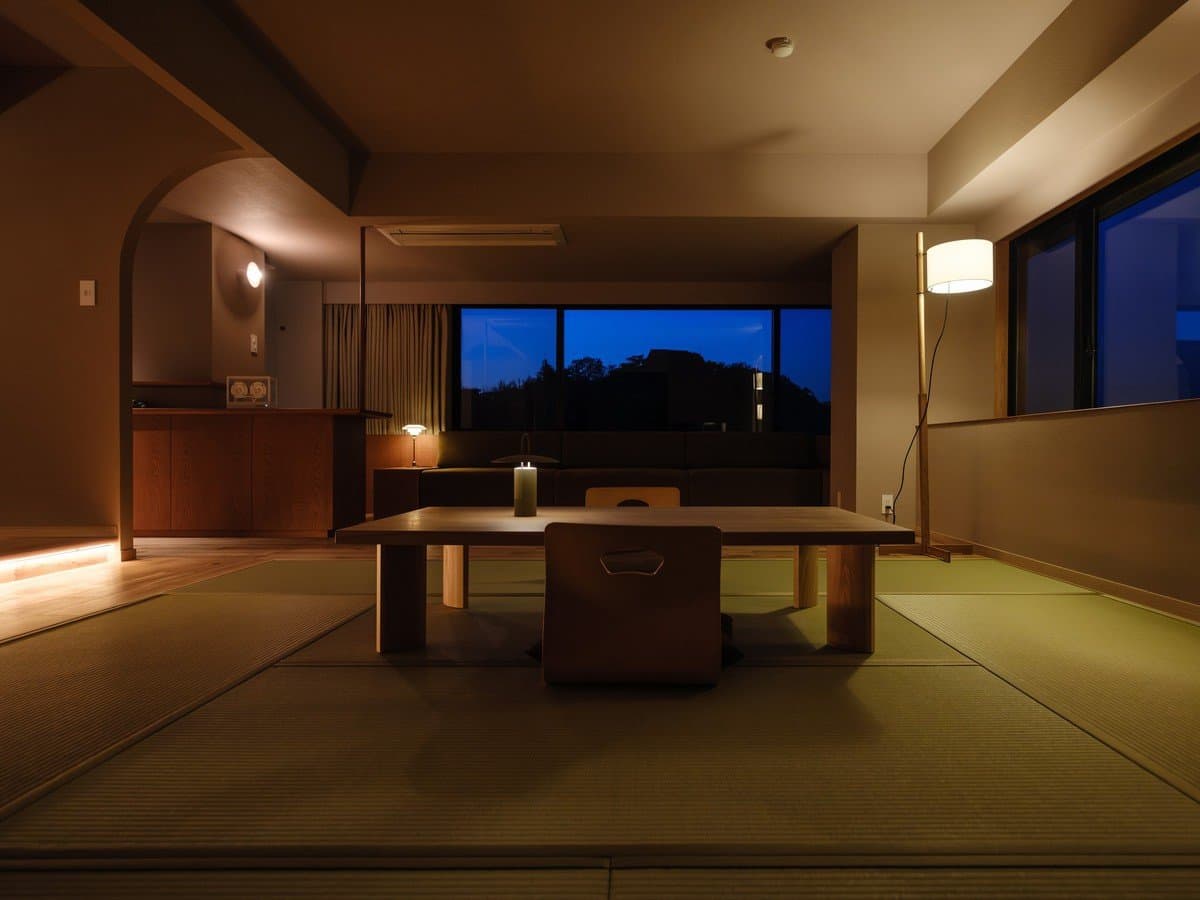 | from US$150/person/night≈ US$300 for 2 | 9.3 239 reviews | Book on Booking.com |
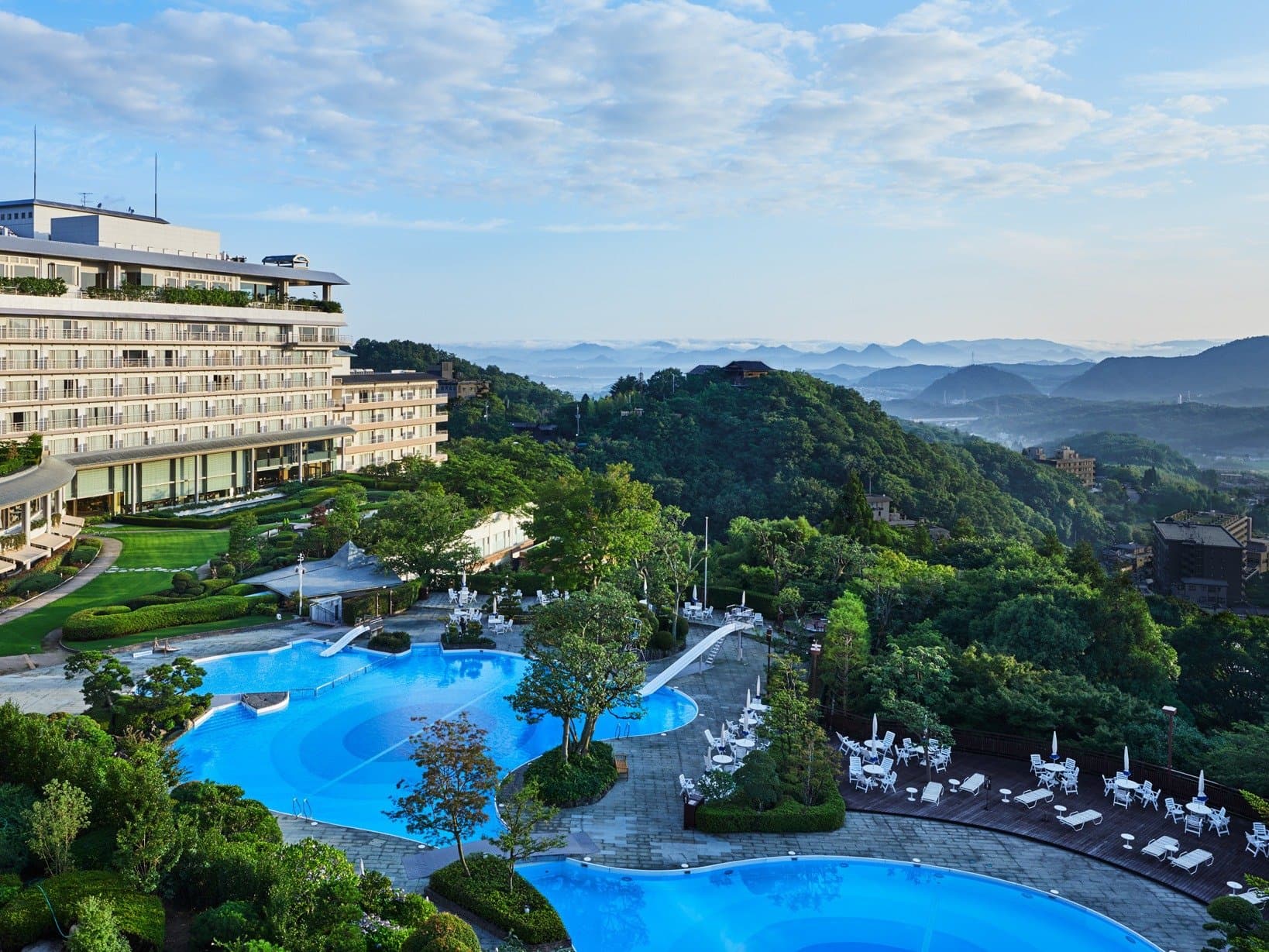 | from US$200/person/night≈ US$400 for 2 | 9.6 199 reviews | Book on Booking.com |
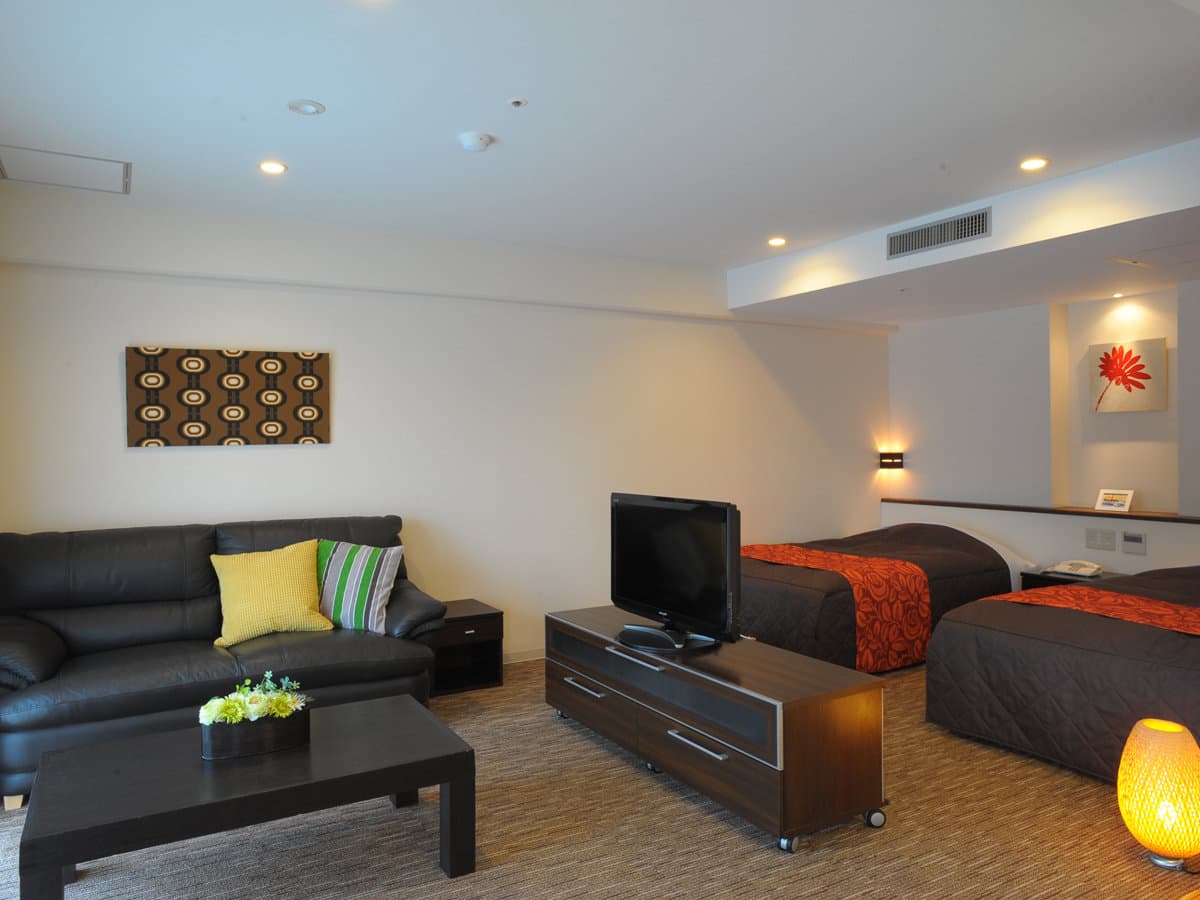 | from US$100/person/night≈ US$200 for 2 | 8.4 21 reviews | Book on Trip.com |
Nakanobo Zuien
Arima
Hyoe Koyokaku
Arima
Taketoritei Maruyama
Arima
Gekkoen Yugetsusanso
Arima
Negiya Ryofukaku
Arima
Arima Grand Hotel
Arima
Prices shown are approximate starting rates per person per night. We may earn a commission on bookings.
In the early evening, the last Hankyu Bus from Sannomiya drops its day-trippers at Arima Onsen Bus Terminal and turns around. Within twenty minutes, Yumotozaka — the cobblestone slope that is crowded at lunch — is almost empty, and you can walk toward Tosen-jinja in a yukata, steam from the kinsen vents curling through paper-lantern light.
That ninety-minute window is the actual reason to book a ryokan in Arima. Day-trippers see the town between 11am and 5pm, when the Kin-no-Yu queue runs forty deep. Ryokan guests see it from 5pm to 10am the next morning. It is a different town, and choosing where to sleep is the single biggest decision you can make about a Kansai itinerary. Last verified: May 7, 2026.
This is the seventh installment of our best-ryokans-by-area series after the floating-torii overnight at Miyajima, Hakone, Kyoto, Takayama, Yufuin and Kusatsu's sulfur waters.
This guide ranks nine ryokans across luxury, mid-range and budget tiers — with honest weaknesses for each, the kinsen-towel staining warning no English source spells out, and the structural reason day-trips from Osaka are the worst version of Arima. Our first-time ryokan guide covers the basics so this can focus on what makes Arima different. Travelers pairing Arima with the ancient capital can also browse our Nara stays for monastic Buddhist-cuisine ryokans.
The best ryokan in Arima Onsen is Nakanobo Zuien's adults-only retreat — a luxury inn with both kinsen and ginsen baths, Kobe beef kaiseki and a no-children policy across all 50 rooms. Heritage seekers should book Tocen Goshobo, an 800-year-old literary inn; design lovers want Gekkoen Korokan with its retro-modern stained-glass suites; budget travelers fit best at the modern, budget-friendly Maple Arima. For the other 1,000-year onsen claim, see the Dogo Onsen ryokan list on Shikoku. Want the bath in your room? See our Arima Onsen ryokans with private onsen — six verified picks with private kinsen or ginsen baths, three of them every-room.
Tip
Disclosure: Japan Ryokan Guide earns a commission when you book through partner links. We do not accept payment from ryokans for inclusion or placement — every property here was selected on merit. Commission keeps the directory free in six languages.
Quick-Compare: 9 Arima Onsen Ryokans at a Glance
| # | Ryokan | Tier | From (USD) | Best For |
|---|---|---|---|---|
| 1 | Nakanobo Zuien | Luxury | $302 | Adults-only stays with both waters |
| 2 | Tocen Goshobo | Luxury | $235 | 800-year heritage and literary kaiseki |
| 3 | Gekkoen Korokan | Luxury | $350 | Retro-modern design and private rotenburo |
| 4 | Hyoe Koyokaku | Mid | $200 | 700-year heritage at mid-range scale |
| 5 | Taketoritei Maruyama | Mid | $250 | Intimate hillside kaiseki with both waters |
| 6 | Gekkoen Yugetsusanso | Mid | $200 | Riverside scenery on a mid-range budget |
| 7 | Negiya Ryofukaku | Mid | $150 | Maple-view rooms under $400 |
| 8 | Arima Grand Hotel | Mid | $200 | Families and panoramic Mt. Rokko views |
| 9 | Maple Arima | Budget | $100 | Budget-friendly modern stay with ginsen |
For broader pricing context across Japan's top onsen destinations, our ryokan cost-per-night guide breaks down typical kaiseki rates.
Why stay overnight in Arima instead of day-tripping from Osaka or Kobe
Yes — staying overnight in Arima is the single biggest upgrade you can make to a Kansai trip. After the last day-tripper buses leave around 5pm, Yumotozaka empties, the Kin-no-Yu queue dissolves, and the lantern-lit old town belongs to ryokan guests. Day-trippers get one rushed bath and a 90-minute ride home. Overnight guests get three to four bath sessions, a Kobe beef kaiseki, and a 6:30am soak with mountain mist over Mt. Rokko.
The math is straightforward. A day trip from Osaka costs roughly 2,800 yen for the round-trip Hankyu Bus plus 800 yen for Kin-no-Yu — and misses everything Arima was built for. Most luxury and mid-tier ryokans cost 30,000–80,000 yen per person, including Kobe beef kaiseki, breakfast and unlimited bath access. Why a ryokan beats a hotel is mostly an Arima argument.
The town is a narrow valley designed since the 8th century around overnight bathing and kaiseki dining, with documents stretching back to the eighth century (JNTO). Public bathhouses close by 10pm and old-town shops shut around 6pm. Without a ryokan room you have nowhere to be after dinner — but with one, the corridor between Tosen-jinja and Taikobashi Bridge becomes the quietest hour of the day.
Pair the stay with our Kinosaki picks for a 2-stop Hyogo onsen circuit if you want crab kaiseki to balance the Kobe beef.
Kinsen vs Ginsen: Arima's two waters, explained
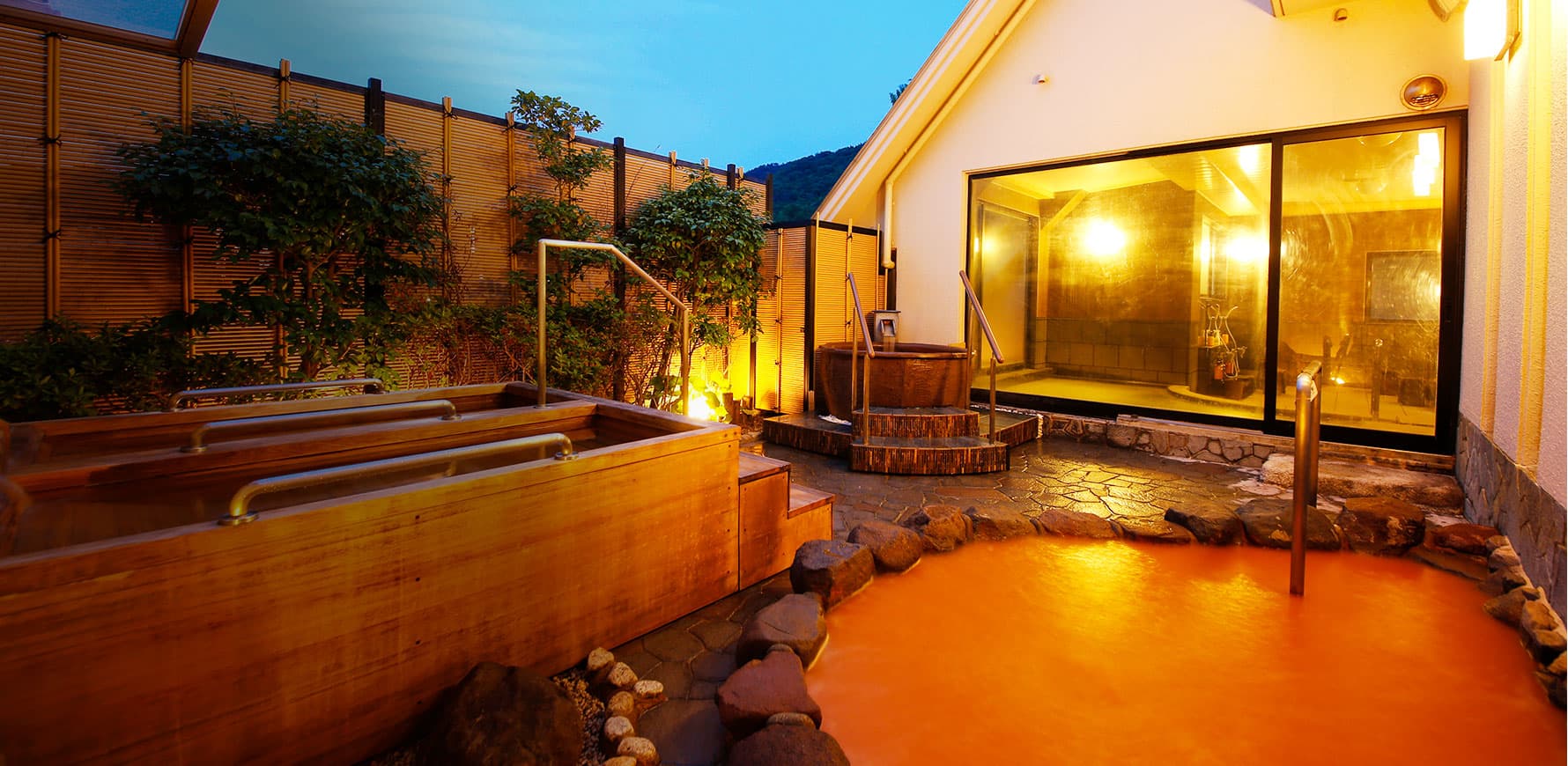
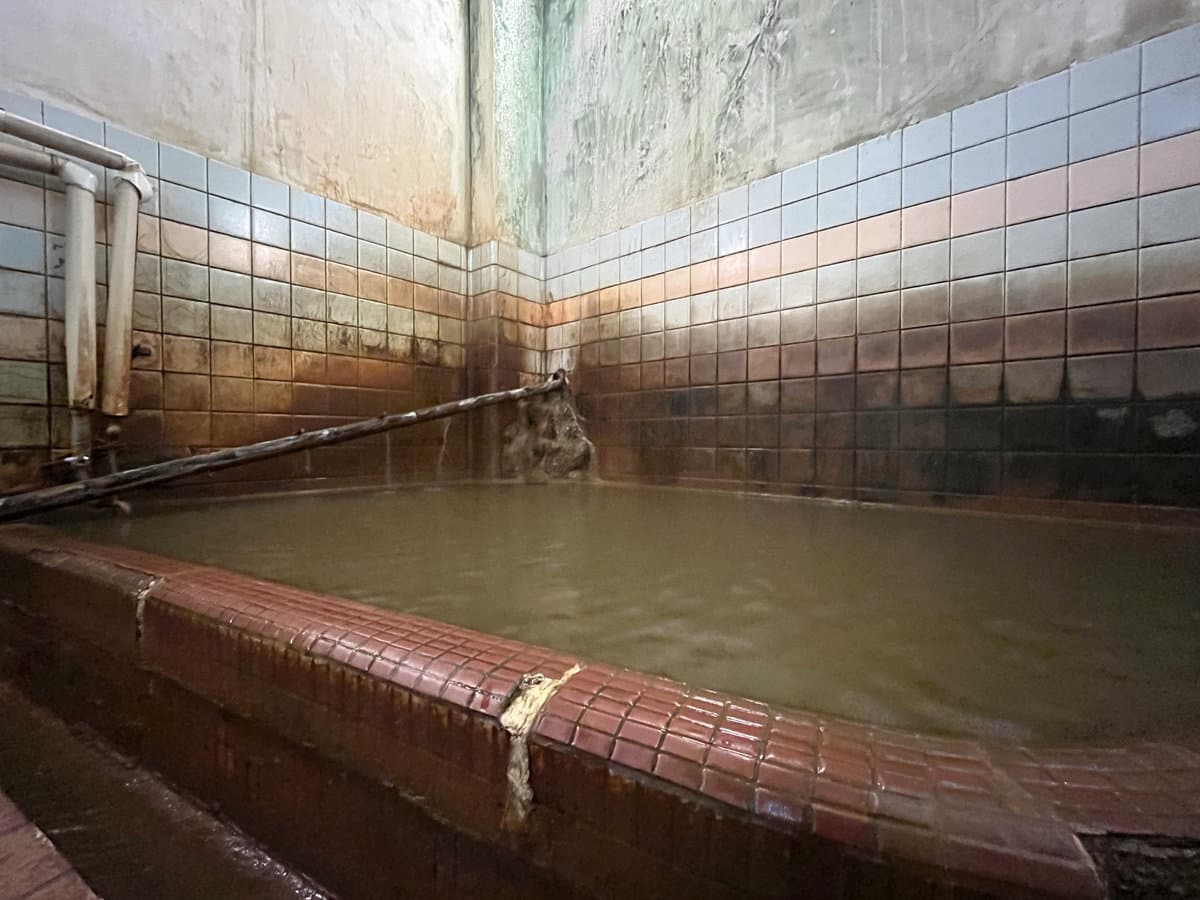
Kinsen (金泉, golden spring) is iron-and-salt water that oxidises rust-brown on contact with air, with roughly twice the salinity of seawater. Ginsen (銀泉, silver spring) is colourless and contains carbonic acid plus trace radon, lighter on the skin and globally rare. Most top Arima ryokans pipe both into separate baths so guests can compare in a single stay.
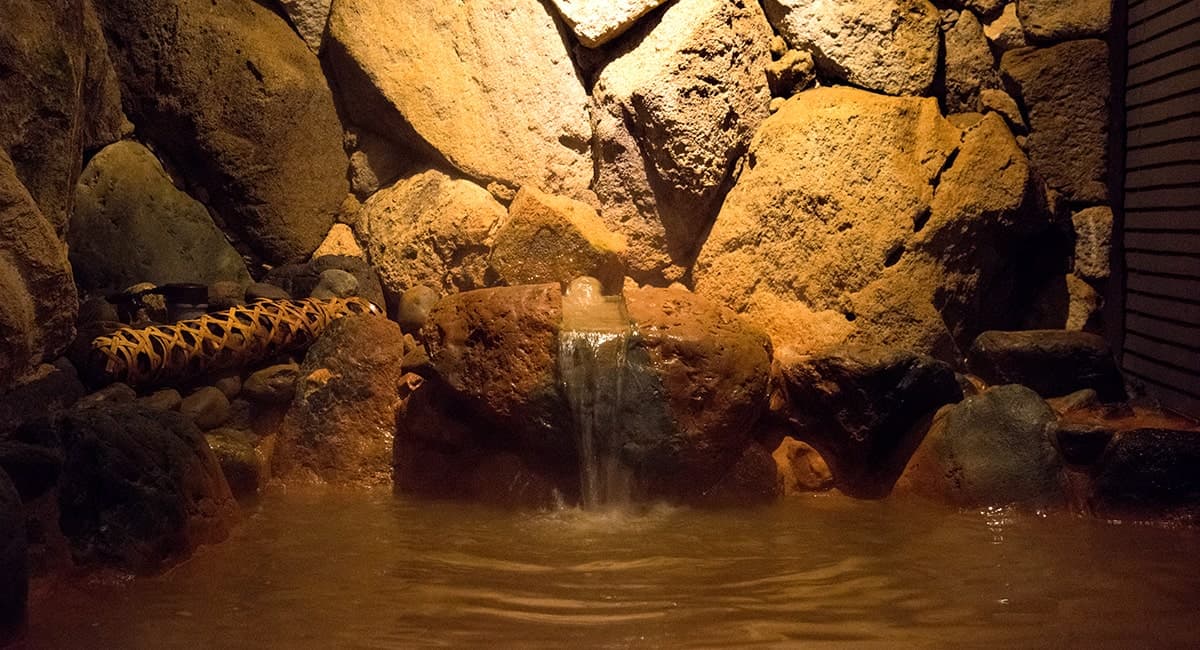
Kinsen is the photogenic one. Step out of a kinsen rotenburo and your skin glows pink-red for twenty minutes; salt residue tastes of ocean on the lips, with salt content running 1.5 to 2 times that of seawater (Visit Arima Onsen Tourism Association). Geologically it is fossil seawater rising via Philippine Plate subduction, with moisture warmed by the Earth's mantle some 60 kilometers below the surface (Nippon.com).
Ginsen is the one most travelers under-rate. The water looks like tap water for the first 90 seconds. Then carbonic acid bubbles cling to forearm hair like champagne, and a faint metallic tingle runs up the calves — the trace radon. Skin emerges silkier than salt-stiff. Carbonated radon springs of Arima's profile contain seven of the nine therapeutic onsen components recognised in Japanese hot-spring classification (Visit HYOGO).
If you are flying across the world for an onsen, ginsen is the rarer water — the carbonated-plus-radon profile in a single bath is essentially globally unique to Arima. New to public bathing? Our onsen etiquette refresher for first-time foreign guests covers the towel rules.
Not every Arima ryokan offers both. Maple Arima pipes only ginsen. Tocen Goshobo's signature is its lithium-rich tansan sub-type. Nakanobo Zuien, Hyoe Koyokaku, Taketoritei Maruyama and Negiya Ryofukaku all offer both — check water type before you book.
Tip
The kinsen towel will stain — that is normal. Iron in the gold spring permanently dyes light cotton ochre on contact. Most ryokans hand you a dark sacrificial towel, but English signage rarely explains why. Bring an old black or brown towel if you also want to dry off without ruining a hotel-grade one, and never wear a white yukata into a kinsen rotenburo. Local order: kinsen first (warming), ginsen after (carbonate finish).
How we picked these 9 ryokans
We screened every operating ryokan in Arima (and our nearby Nara area picks for travelers pairing both stops) against five criteria: a verified on-site source for kinsen or ginsen, walking distance to Yumotozaka, kaiseki centred on certified Kobe beef or Hyogo wagyu, English-readable booking, and 200+ reviews averaging 4.0+ across two platforms. Nine properties cleared the bar.
No ryokan on this list paid to be included. Properties are drawn from our database of vetted ryokans. The peer post — best ryokans in Beppu — and the Japan-wide ryokan ranking — covers the Kyushu side, and our nationwide luxury ryokan rankings frame Arima against Hakone and Kyoto.
Arima ryokans range from about $100 per night at the modern budget tier (Maple Arima) to $900 at luxury suites with in-room kinsen rotenburo (Gekkoen Korokan, Nakanobo Zuien). Mid-range typically runs $200–$500; luxury $300–$900. Arima skews more expensive than Beppu or Kinosaki — the floor is roughly where Beppu's mid-tier ceiling sits.
1. Nakanobo Zuien — Best for adults-only luxury with both waters
Best for Couples and solo travelers prioritising silence and adults-only kinsen luxury.
At a glance 50 rooms · ~$302–$800 USD · Founded 1872 · 4-min walk from Yumotozaka · Water: kinsen + ginsen.
Onsen Two indoor public baths plus reservable kashikiri; select suites have an in-room kinsen rotenburo. Both waters are piped into separate halls so you can do the locals' kinsen-first, ginsen-finish order.
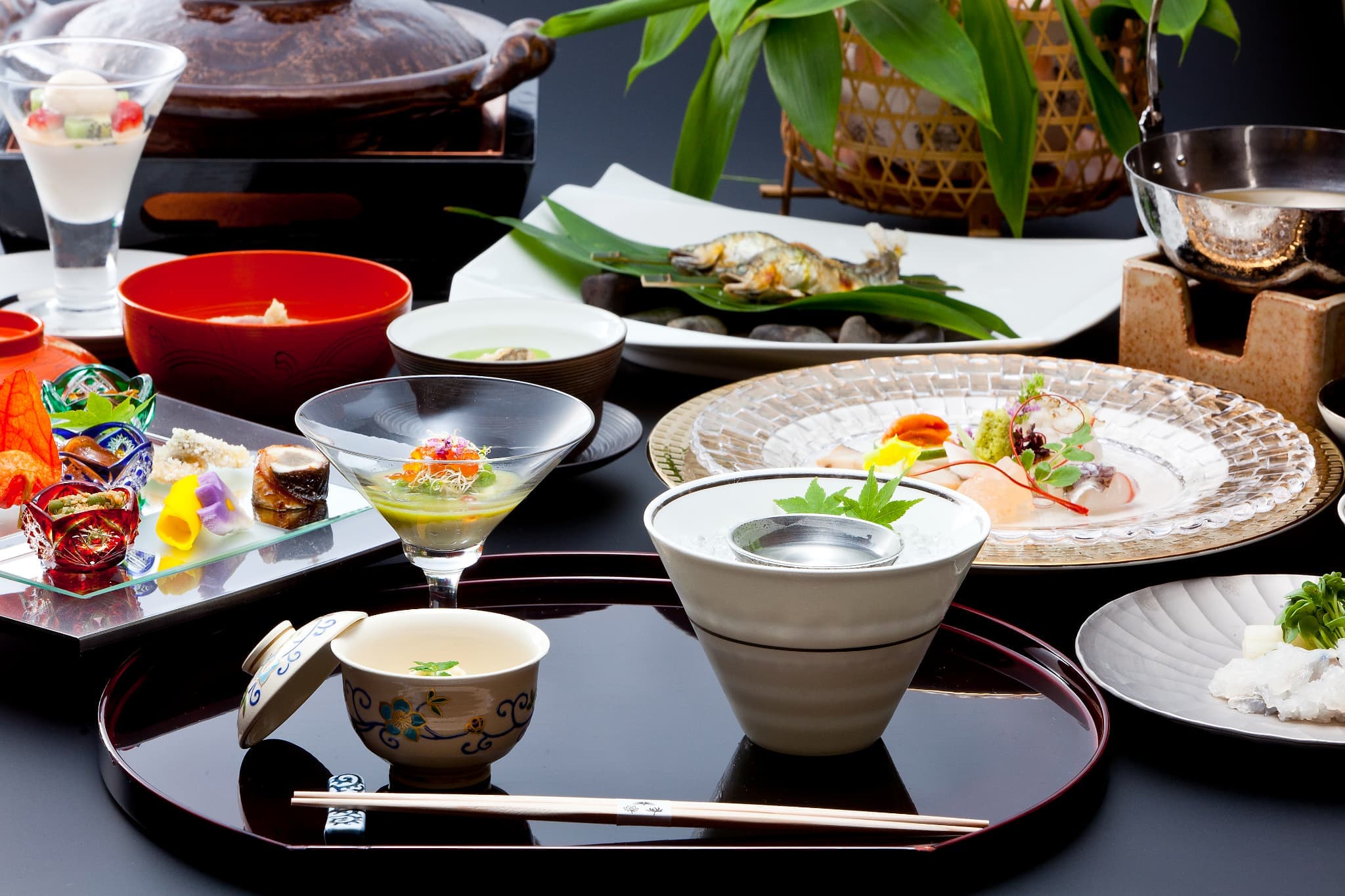
Kaiseki Hyogo-prefecture certified Kobe beef anchors the kaiseki — served as ishiyaki (stone-grilled) or shabu-shabu by season, in private dining alcoves rather than in-room.
Standout Adults-only across all 50 rooms — a no-children policy almost no other Arima ryokan enforces. For a milestone trip the silence is the product. Our adults-only and couples-friendly stays guide makes a natural companion.
Honest trade-off No children under 13. Cheapest rooms are mountain-side without a kinsen rotenburo; in-room kinsen suites book out 4–6 months ahead for November. If your dates are firm, request a standard suite plus a kashikiri at check-in. Rates run $302–$800 per person per night with two meals [approximate; verify current availability]. You can see Nakanobo Zuien's adults-only suite types on our directory.
Tip
Adults-only kinsen suites at Nakanobo Zuien sell out 6 months ahead for mid-November maple weeks. Set a calendar alert for May 1 if you want a Saturday in mid-November; the property opens that window to repeat guests first. If kinsen-suites are gone, book a standard suite and add a kashikiri at check-in — Nakanobo does not charge extra for kashikiri reservations.
2. Tocen Goshobo — Best for 800-year heritage and literary kaiseki
Best for Travelers who care about lineage — Goshobo has hosted writers and politicians since the Kamakura period.
At a glance 20 rooms · ~$235–$600 USD · Founded around 1191 · 2-min walk from Kin-no-Yu · Water: kinsen + tansan-sen (lithium-rich sub-type).
Onsen A private kinsen rotenburo (Tsukimi-no-Yu), an indoor kinsen bath, and a signature lithium-rich tansan bath that almost no other Arima ryokan offers. Kashikiri at check-in.
Kaiseki The standard plan opens with a Kobe beef tataki, moves through Inland Sea sashimi, and centres on a Kobe beef shabu-shabu over the property's own well water. Served in private sukiya-style dining rooms. Ask for a Nada sake flight to match the Kobe beef, and if local pairings are your priority, see our roundup of ryokans built around a serious sake cellar.
Standout Goshobo's founding date of 1191 makes it among Japan's oldest continuously operating ryokans. Junichiro Tanizaki, Yosano Akiko and Showa-era prime ministers signed the guest book before you got here. The lithium-rich tansan-sen is a sub-type you have not soaked in before. Our Japanese ryokan breakfast spread covers the morning side.
Honest trade-off The 800-year heritage building means wooden floors creak, stairs are steep, accessibility is limited. Rooms vary; some retain early-20th-century plaster, others were renovated in the 2010s. Confirm the room category at booking. Rates run $235–$600 per person per night with two meals [approximate; verify current availability]. You can browse Tocen Goshobo's heritage rooms on our directory.
3. Gekkoen Korokan — Best for retro-modern design and Mt. Rokko views
Best for Design-led couples who want stained-glass interiors, mountain views and an in-room rotenburo without sacrificing kaiseki.
At a glance 30 rooms · ~$350–$900 USD · 6-min walk from Yumotozaka · Water: kinsen + ginsen via shared rights with sister property Yugetsusanso.
Onsen Three bath halls including a Mt. Rokko-view rotenburo angled to catch the maple ridge at sunset. Top-tier rooms have private in-room kinsen baths; mid-tier rooms add reservable kashikiri.
Kaiseki The Full Moon Kaiseki pairs Kobe tenderloin with whole Ise lobster in season, served in-room or in alcoves. Of roughly 5,500 Tajima cattle slaughtered annually, only ~3,000 pass certification — A or B yield score, BMS 6 or higher, and a carcass weight cap (Kobe Beef Marketing & Distribution Promotion Association).
Standout Stained-glass accents, Showa-era retro-modern furniture, and a Mt. Rokko view almost no other Arima property delivers. If Nakanobo Zuien is the silent retreat and Goshobo is the museum, Korokan is the architectural showpiece.
Honest trade-off Hilltop position means stairs and inclines. Cheapest rooms face inland with limited mountain visibility and no in-room rotenburo; pay the upgrade for a Mt. Rokko-side room — the view from the bath is the reason to book here. Rates run $350–$900 per person per night with two meals [approximate; verify current availability]. You can check Gekkoen Korokan's stained-glass suites on our directory.
4. Hyoe Koyokaku — Best for 700-year heritage at mid-range scale
Best for First-time Arima visitors who want heritage credentials at a mid-range price point, with three distinct bath halls to explore.
At a glance 129 rooms · ~$200–$600 USD · Founded around 1336 · 3-min walk from Yumotozaka · Water: kinsen + ginsen.
Onsen Three separate complexes — Ichi-no-Yu, Ni-no-Yu and San-no-Yu — each with kinsen and ginsen sections, rotated by gender across morning and evening. A single overnight gives you all three. The most bath variety of any Arima property.
Kaiseki Hyogo wagyu by default with a certified Kobe beef supplement — 3,000–8,000 yen to swap the sirloin for an A5 fillet. Served in a communal dining hall rather than in-room.
Standout Run by the Hyoe family across 17 generations, this is the long-history mid-range pick. Structure an evening around variety — kinsen at Ichi-no-Yu before dinner, ginsen at Ni-no-Yu after, San-no-Yu's rotenburo at 6:30am.
Honest trade-off Peak weekends bring queues at popular bath halls, and the dining hall at full occupancy feels more banquet than kaiseki. For intimacy at this price, the intimate 29-room Taketoritei Maruyama is the alternative. Rates run $200–$600 per person per night with two meals [approximate; verify current availability]. You can see Hyoe Koyokaku's three bath halls on our directory.
5. Taketoritei Maruyama — Best for intimate hillside kaiseki with both waters
Best for Couples who want kashikiri private baths, both kinsen and ginsen, and a 29-room scale that keeps the corridors quiet.
At a glance 29 rooms · ~$250–$600 USD · Hillside · 8-min walk to Kin-no-Yu · Water: kinsen + ginsen.
Onsen Eight free reservable kashikiri baths plus public kinsen and ginsen halls — the highest kashikiri-to-room ratio in Arima. Select rooms have private open-air ginsen baths. Tattoo policy accommodated through kashikiri at no extra charge.
Kaiseki Hyogo wagyu standard with a Kobe beef upgrade; in-room dining is the default — the differentiator from Hyoe Koyokaku at the same tier. 9–11 courses anchored by a Kobe beef shabu-shabu or stone-grill main.
Standout Eight kashikiri baths effectively privatise your bathing for the whole stay — one before dinner, one after, one at 6:30am. For tattooed travelers and couples who want privacy without the in-room rotenburo cost, this is the most efficient pick.
Honest trade-off The hillside walk is uphill on the way back, which matters in summer humidity or after kaiseki. No shuttle; book a taxi from Arima Onsen station if mobility is a concern. The cheapest rooms have no private rotenburo. Rates run $250–$600 per person per night with two meals [approximate; verify current availability]. You can book Taketoritei Maruyama's kashikiri baths on our directory.
6. Gekkoen Yugetsusanso — Best for riverside scenery on a mid-range budget
Best for Travelers who want a small-scale riverside ryokan with kinsen access and Gekkoen design polish at half the Korokan price.
At a glance 16 rooms · ~$200–$500 USD · Riverside on the Taki River · 5-min walk from Yumotozaka · Water: kinsen.
Onsen Three bath areas including a kinsen rotenburo overlooking the Taki River. Reservable kashikiri at check-in. No on-site ginsen — cross to Kin-no-Yu (¥800) for the silver water.
Kaiseki Hyogo wagyu with a certified Kobe beef upgrade; in-room dining available for an additional supplement. The style leans toward sumiyaki (charcoal-grill) rather than shabu-shabu.
Standout The riverside setting is the differentiator. From the rotenburo you watch the Taki River fold around the slope and the maple ridge above; in November foliage drops directly into the water from the windows. At 16 rooms the scale is closer to a small luxury ryokan than the 30+ room Korokan one minute uphill.
Honest trade-off No on-site ginsen — kinsen-only, meaning an extra walk and ¥700 to Gin-no-Yu for the full two-waters experience. Riverside rooms are the ones to book; back rooms face the slope. Rates run $200–$500 per person per night with two meals [approximate; verify current availability]. You can see Gekkoen Yugetsusanso on the riverside on our directory.
7. Negiya Ryofukaku — Best for maple-view rooms under $400
Best for Couples who want a maple-framed view from the room, both waters on-site, and a price ceiling that rarely crosses $400.
At a glance 21 rooms · ~$150–$400 USD · Hillside · 6-min walk from Yumotozaka · Water: kinsen + ginsen.
Onsen Both kinsen and ginsen in separate baths plus reservable kashikiri private baths. Tattoo policy is accommodating via kashikiri reservation — confirm by email. The kinsen rotenburo faces the maple slope.
Kaiseki Hyogo wagyu with a Kobe beef upgrade plan; the Negiya house style adds a yuba (tofu skin) course that is not standard at most Arima ryokans, and the kaiseki usually runs 9 dishes.
Standout Maple-tree-framed rooms — the hillside position produces views that turn electric orange in mid-November. For the maple-tree-framed rooms of Negiya Ryofukaku at this price tier with both waters on-site, this is the best value pick on the list.
Honest trade-off Stairs both inside and on the approach. Cheapest rooms are mountain-facing without the maple view; for koyo, pay the upgrade for a maple-side room. Rates run $150–$400 per person per night with two meals [approximate; verify current availability]. You can check Negiya Ryofukaku's maple-side rooms on our directory.
8. Arima Grand Hotel — Best for families and panoramic Mt. Rokko views
Best for Families with school-age children and groups of four-plus who want Western-bed options, a seasonal outdoor pool, and the largest panoramic onsen in town.
At a glance 246 rooms · ~$200–$500 USD · Upper slope · 10-min walk (free shuttle) · Water: kinsen + ginsen.
Onsen A 9th-floor panoramic onsen with kinsen and ginsen baths overlooking the Mt. Rokko range — the largest bath complex of any Arima ryokan. Kashikiri at check-in. Tattoo policy generally tolerant.
Kaiseki Buffet and kaiseki options both available. Kaiseki includes Hyogo wagyu with a Kobe beef supplement; the buffet adds Kobe beef carving stations during peak season. Family plans include kid-friendly udon and karaage.
Standout Tatami and Western-bed rooms across 246 keys — the largest property in Arima, with scale for multi-generation groups. The seasonal outdoor pool (summer only) is the family draw, and the 9th-floor panoramic onsen is the single best mountain view from any bath in town. For Arima Grand Hotel for panoramic Mt. Rokko views at family scale, this is the easy pick. If you're building a wider itinerary around the kids, it's also our Kansai family flagship pick among the region's most child-friendly stays.
Honest trade-off Closer to a large traditional hotel than a small artisan ryokan. Service is professional rather than personal; the ambience is more resort than retreat. For honeymooners chasing the historic atmosphere, Nakanobo Zuien or Goshobo is the brief. Rates run $200–$500 per person per night with two meals [approximate; verify current availability].
9. Maple Arima — Best budget-friendly modern stay with ginsen
Best for Budget travelers who want their own ginsen source and six bath types under $250 — research-verified, not stayed.
At a glance 64 rooms · ~$100–$250 USD · 7-min walk from Yumotozaka · Water: ginsen (own source).
Onsen Six bath types from the property's own ginsen source — indoor and outdoor rotenburo, jet baths and a sauna. No kinsen on-site; walk to Kin-no-Yu (¥800) for the gold spring. Tattoo policy generally tolerant.
Kaiseki Plans include kaiseki with a Kobe beef supplement at booking; standard plans use Hyogo wagyu. Dining is buffet or set-menu rather than multi-tray.
Standout For budget travelers, Maple Arima is the cheapest place to stay in Arima with a real on-site ginsen source — the only sub-$200 option that does not depend on the public bathhouses. Six bath types is double most mid-tier properties; modern Western-style rooms with private bathrooms. Free shuttle from Arima Onsen station. Practical budget ryokan tactics apply: book midweek, skip the kaiseki upgrade.
Honest trade-off No kinsen on-site, no in-room rotenburo, no historic atmosphere. Closer to a budget onsen hotel than a heritage property; buffet kaiseki is a meaningful step down. Research-verified, not stayed; details cross-checked against the official site May 7, 2026. Rates run $100–$250 per person per night with two meals [approximate; verify current availability]. You can browse Maple Arima from $100 on our directory.
Kobe beef kaiseki: what to expect on the 7-course tray
A typical Arima ryokan kaiseki runs 7–11 courses around a Kobe beef centrepiece — usually shabu-shabu, ishiyaki (stone grill) or sumiyaki (charcoal grill). Standard plans default to Hyogo wagyu; certified Kobe beef is almost always a 3,000–8,000 yen supplement. The supplement is worth it for the marbling difference.
Real Kobe beef on the kaiseki tray is identifiable before you taste it: marbling is so fine that A5 fat starts to render against your fingertip when you pick up a slice for shabu-shabu. Arima sits inside the Kobe beef production region, so most luxury and mid-tier ryokans list certified Kobe beef on their menus — but the default plan often serves Hyogo regional wagyu, which is excellent but not technically Kobe.
Nakanobo Zuien, Tocen Goshobo and Gekkoen Korokan generally include Kobe beef in the standard kaiseki at upper room tiers. Hyoe Koyokaku, Taketoritei Maruyama, Negiya Ryofukaku, Yugetsusanso, Arima Grand Hotel and Maple Arima default to Hyogo wagyu and offer Kobe beef as an upgrade. Ask for 'certified Kobe beef' (神戸ビーフ) by name at booking.
The seven-course pattern: opening sakizuke, Inland Sea sashimi, a clear soup, a charcoal-grilled fish, a Kobe beef main, a tempura or rice dish, miso soup with pickles, a small dessert. Vegetarian alternatives exist on request but require 7+ days lead time.
Tip
Request the Kobe beef supplement at booking, not at check-in. The 3,000–8,000 yen swap from default sirloin to an A5 certified Kobe fillet is the single highest-value upgrade for kaiseki-focused readers. Most ryokans need the supplement noted 3+ days ahead so the kitchen can sort the supply chain. Email the property with 神戸ビーフ・コース変更希望 in the subject line, or use the booking form's special-request field. At check-in is too late.
How to choose: old-town, hillside, or riverside?
Arima is small enough that no ryokan is far from anywhere — Yumotozaka end-to-end is a fifteen-minute walk — but the three micro-locations create different stays.
Old-town and Yumotozaka core (Tocen Goshobo, Hyoe Koyokaku, Nakanobo Zuien): the historic centre. Two-to-four-minute walks to Kin-no-Yu and Tosen-jinja, the most photogenic lantern-walk access, the highest density of tansan-senbei shops. Best for first-timers who want to maximise what they can do on foot. The trade-off is daytime crowds outside your door — though they vanish after 5pm.
Hillside (Taketoritei Maruyama, Negiya Ryofukaku, Arima Grand Hotel, Gekkoen Korokan): elevated views and a quieter atmosphere, with five-to-ten-minute walks to the old town. Best for maple-foliage views and travelers happy to trade walking convenience for the view from the bath. Mt. Rokko sunsets land best here.
Riverside (Gekkoen Yugetsusanso): the Taki River setting at the foot of the slope. Best for a smaller-scale stay with foliage dropping directly into the water in November. Cross-check the full Arima area guide and our best ryokans for couples when you pick dates.
Couples wanting kinsen water to themselves should start with our list of Arima ryokans with private onsen.
The 5pm vanishing act: what changes when day-trippers leave
Buses arrive in waves between 11am and 3pm. By 5pm the last Hankyu service leaves, and the town empties over the next twenty minutes. This is the single best argument for booking a ryokan.
Before 5pm: Yumotozaka is shoulder-to-shoulder, Kin-no-Yu and Gin-no-Yu run thirty-minute queues. After 5pm: bath queues collapse to walk-in, the senbei shops pack up by 6pm, and the cobblestone slopes between Tosen-jinja and Taikobashi Bridge clear out. Paper lanterns switch on around 6:30pm; steam from the kinsen vents drifts through the lamplight, and you can hear the Taki River from the lanes for the first time all day.
A ryokan-issued yukata, a pair of geta, and a 30-minute loop — Tosen-jinja, Yumotozaka, Taikobashi Bridge, the Taiko-no-Ashiyu footbath — is the trip's defining 30 minutes. The lantern-lit version of Arima is only available to overnight guests, and it is the version Toyotomi Hideyoshi knew when he rebuilt the town in the late 16th century after fires and earthquakes damaged the village (Feel Kobe).
For the morning side: 6:30am at any upper-slope ryokan gives you mountain mist rolling off Mt. Rokko, an empty Kin-no-Yu queue at the 8am opening, and a Yumotozaka you can walk at your own pace before the 10:30am bus arrives. Most regulars book two nights for exactly this reason.
Not staying but still want to experience Arima's waters? Several ryokans on this list accept day-use hot spring ryokan visits during daytime hours — a good option if your itinerary won't stretch to an overnight.
Old-town walk: lanterns, Tansan water, and Toyotomi Hideyoshi
Arima's old town has been a hot-spring resort for at least 1,300 years, and the buildings you walk past date roughly to the 17th-century rebuild after Hideyoshi's interventions (Visit Arima Onsen Tourism Association). Three short walks anchor an evening between dinner and bath.
The Yumotozaka loop. Walk down the slope past Mitsumori Honpo (since 1907) and the tansan-senbei stalls, and stop at the Tansan-sen public fountain — naturally carbonated mineral water bubbling out of the rock, the namesake of the carbonated rice cracker you have been smelling all day. Locals fill bottles from it.
Taiko-no-Ashiyu free footbath. Right outside Kin-no-Yu is Taiko-no-Ashiyu — a free outdoor kinsen footbath, plus Taiko-no-Insenba, a free drinking fountain where you can taste raw kinsen. Salty, mildly metallic, almost like weak miso broth. Most visitors queue inside Kin-no-Yu for 800 yen without realising the footbath outside is the same water, free, and almost always empty after 5pm (Feel Kobe).
Tosen-jinja and Hideyoshi's heritage. Tosen-jinja sits at the top of Yumotozaka, dedicated in part to Toyotomi Hideyoshi, who rebuilt Arima after the 1581 fire. Stone monuments commemorate his wife Nene, after whom the Nene-no-michi back lane is named. The themed Taiko-no-Yu bath complex up the slope pumps from the same source as every ryokan here — the 2,750 yen admission is better spent on an extra kaiseki course.
Tip
Skip the Taiko-no-Yu Theme Park; do the free Taiko-no-Ashiyu footbath instead. The 26-bath Taiko-no-Yu (admission 2,750 yen weekday) opened in 2002 and pumps from the same source as every ryokan on this list. If you have already paid for a kinsen-and-ginsen ryokan, Taiko-no-Yu adds crowds, not water. The free outdoor Taiko-no-Ashiyu footbath outside Kin-no-Yu is the same kinsen, ten minutes of soak time, and almost always empty after 5pm. Spend the saved 2,750 yen on the Kobe beef supplement instead.
Getting to Arima: Hankyu bus, Hokushin Line, and the Mt. Rokko cable car
Arima is one of the easiest onsen towns to reach from a major city — three transit options, all under 90 minutes from Osaka and 30–60 minutes from Kobe.
1. Direct highway bus from Osaka. Hankyu Bus runs roughly hourly from Hankyu Umeda or Shin-Osaka to Arima Onsen Bus Terminal — 60 minutes, around 1,400 yen, no transfers. JR Bus runs a similar service. Recommended for arrival with luggage.
2. Train from Kobe-Sannomiya via the Hokushin Line. From Kobe-Sannomiya, subway one stop to Tanigami, transfer to the Hokushin Kyuko / Shintetsu Arima Line, ride to Arima-Onsen Station — 30 minutes total, around 940 yen. JR Pass does not cover the Shintetsu portion.
3. The scenic route: Mt. Rokko Cable Car + Rokko-Arima Ropeway. Take the Rokko Cable Car up Mt. Rokko (10 minutes), connect via the summit bus, then descend via the Rokko-Arima Ropeway (12 minutes). 75 minutes including transfers, and the gondola views over the Inland Sea on a clear day are the reason to do it once. The Arima-Rokko 1-Day Pass from Sannomiya bundles the route at around 2,560 yen.
From Tokyo: Shinkansen to Shin-Kobe (~2h45m), then a 30-minute taxi or the Hokushin Line. Pair with the broader Kansai onsen-towns landscape for a 4–5-day circuit, or jump south to the best ryokans in Yufuin on the Beppu side. For the full Kansai onsen landscape alongside every other region of Japan, see our complete Japan onsen destinations guide.
Tip
Take the bus in, take the ropeway out. The Hankyu Bus from Umeda is faster, cheaper and luggage-friendly for arrival — one seat, 60 minutes. The Mt. Rokko Cable Car + Arima Ropeway combo is the scenic descent, best done on the day you check out, when you have already dropped luggage. The Arima-Rokko 1-Day Pass (~2,560 yen from Sannomiya) covers both legs of the cable + ropeway loop, and you finish at Sannomiya for dinner without doubling back.
Best time of year to stay at an Arima ryokan
The four-season picture, in priority order for a one-night stay.
Mid-November for Zuihoji Park maples. The maple canopy turns electric orange in the second and third weeks of November, and the hillside ryokans (Negiya Ryofukaku, Taketoritei Maruyama, Korokan) frame the foliage from the room. Koyo peak inflates rates 30–50% and books out four to six months ahead — set a calendar alert for May 1.
Late January to early February for peak Kobe beef and Mt. Rokko snow. Winter wagyu is at its richest, the kaiseki upgrades noticeably across every property on this list, and Mt. Rokko occasionally dusts with snow visible from the panoramic baths. The Tenjin Matsuri ladle-pour ritual at Tosen-jinja on January 2 is the local festival worth timing around — free, 6am, ryokan-guest-only-feeling crowd.
Late March to early April for Zenpukuji cherry blossoms. The Zenpukuji grove behind the old town turns pale pink for about ten days. Pair with sakura at Himeji Castle for a Hyogo cherry circuit.
Avoid Golden Week (May 3–5) and Obon (mid-August) — holiday surcharges, books out four months early. Late May, June, September and early December are the under-rated shoulder windows: fewer crowds, rates 20–30% below peak.
Arima ryokan FAQ
Is it worth staying overnight in Arima Onsen instead of day-tripping from Osaka?
Yes — for one night, almost universally. Day-trippers see one bath and ride 90 minutes home. Overnight guests get the post-5pm lantern-lit lanes, three to four bath sessions, a Kobe beef kaiseki, and a 6:30am soak with Mt. Rokko mist.
What is the difference between kinsen and ginsen?
Kinsen (金泉) is iron-and-salt water that oxidises rust-brown on contact with air. Ginsen (銀泉) is colourless and contains carbonic acid plus trace radon, lighter on the skin and globally rarer. Locals soak kinsen first, ginsen after. Nakanobo Zuien, Hyoe Koyokaku, Taketoritei Maruyama and Negiya Ryofukaku pipe both.
How do I get to Arima Onsen from Osaka or Shin-Osaka?
Direct Hankyu Bus from Umeda or Shin-Osaka — 60 minutes, ~1,400 yen, no transfers. From Kobe-Sannomiya, subway to Tanigami, transfer to the Hokushin Line and Shintetsu Arima Line — 30 minutes, ~940 yen. JR Pass does not cover Shintetsu.
Which Arima ryokan is best for Kobe beef kaiseki?
Nakanobo Zuien, Tocen Goshobo and Gekkoen Korokan generally include certified Kobe beef in the standard kaiseki at upper room tiers. Hyoe Koyokaku, Taketoritei Maruyama, Negiya Ryofukaku and Arima Grand Hotel default to Hyogo wagyu and offer Kobe beef as a 3,000–8,000 yen upgrade.
Are there adults-only ryokans in Arima Onsen?
Yes — Nakanobo Zuien is the canonical adults-only luxury pick, no-children across all 50 rooms. Most other Arima ryokans accept families.
Are Arima ryokans tattoo-friendly?
Policy varies. Kin-no-Yu and Gin-no-Yu prohibit visible tattoos. Maple Arima and Arima Grand Hotel are tolerant in the public baths; Taketoritei Maruyama, Negiya Ryofukaku and Hyoe Koyokaku accommodate via reservable kashikiri at no extra charge.
Which Arima ryokans have private in-room rotenburo?
Nakanobo Zuien (kinsen suites), Gekkoen Korokan (top-tier) and Taketoritei Maruyama (open-air ginsen) are the three with true in-room rotenburo. Hyoe Koyokaku, Negiya Ryofukaku, Arima Grand Hotel and Yugetsusanso offer reservable kashikiri instead.
What is the cheapest ryokan in Arima Onsen?
Maple Arima from around $100 per person — the only sub-$200 option with its own on-site ginsen source. Expect $150 minimum for a full kaiseki plan. Arima lacks the $50 hostel tier of Kinosaki or Beppu.
Final thoughts: sleeping in Japan's oldest hot-spring town
The case for an overnight in Arima is structural rather than aspirational. The town runs on day-tripper time during the day and ryokan-guest time at night, and choosing where to sleep is how you choose which version of Arima you see. Nakanobo Zuien for adults-only luxury with both waters. Tocen Goshobo for 800-year heritage and literary kaiseki. Gekkoen Korokan for retro-modern design and Mt. Rokko views. Hyoe Koyokaku for 700-year heritage at mid-range scale. Taketoritei Maruyama for intimate kashikiri-rich kaiseki. Gekkoen Yugetsusanso for the riverside foliage trade. Negiya Ryofukaku for maple-view rooms under $400. Arima Grand Hotel for families and the 9th-floor panoramic onsen. Maple Arima for the budget floor with on-site ginsen.
Dates matter as much as property. A November maple weekend at Negiya Ryofukaku is a different trip from a late-January Kobe beef night at Nakanobo Zuien. Cross-check the koyo calendar and your tolerance for kinsen towel staining before you commit.
When you are ready, jump to the individual ryokan pages above, or browse all Arima ryokans on our area page. If Arima is one stop in a longer trip, pair it with Kinosaki Onsen for a 2-stop Hyogo onsen circuit — crab kaiseki on one side of the prefecture, gold and silver waters on the other. Arima is also one vertex of the Nihon Sandai Meisen — Japan's three great celebrated springs documented by Hayashi Razan in 1662. The other two are Kusatsu (most acidic water in Japan, full guide) and Gero Onsen (alkaline bijin-no-yu, the newest complete guide on site). All prices, hours and access details verified May 7, 2026. Confirm Kobe beef supplements when booking.
Arima sits inside a wider Kansai field of 39 rated stays. To widen the search from here, our sister site covers the rated stays of Kyoto, Nara and Ise-Shima.
Every other ryokan we list here
7 listed| Ryokan | From | Rating | Book |
|---|---|---|---|
 | from US$515/person/night≈ US$1,030 for 2 | 9.5 36 reviews | Book on Trip.com |
 | from US$230/person/night≈ US$460 for 2 | 9.4 186 reviews | Book on Booking.com |
 | from US$518/person/night≈ US$1,036 for 2 | 9.4 18 reviews | Book on Trip.com |
 | from US$193/person/night≈ US$386 for 2 | 9.3 209 reviews | Book on Booking.com |
 Okuno Hosomichi (Arima Onsen Tenchi no Yado Oku no Hosomichi) Arima EN OKPrivate bath (type unconfirmed) | from US$217/person/night≈ US$434 for 2 | 9.1 89 reviews | Book on Trip.com |
 | from US$78/person/night≈ US$156 for 2 | 9.0 215 reviews | Book on Agoda |
 | from US$95/person/night≈ US$190 for 2 | 8.9 56 reviews | Book on Trip.com |
Ginsuiso Choraku
Arima
Motoyu Ryusenkaku
Arima
Prices shown are approximate starting rates per person per night. We may earn a commission on bookings.
Ready to book?
Book one of these top picks
Compare live availability and prices across booking sites.
Nakanobo Zuien
中の坊 瑞苑
Arima·Luxury
from US$302 · per person · per nightfrom ≈ US$604 total for 2 guests



Tocen Goshobo
陶泉 御所坊
Arima·Luxury
from US$235 · per person · per nightfrom ≈ US$470 total for 2 guests
Gekkoen Korokan
月光園 鴻朧館
Arima·Luxury
from US$350 · per person · per nightfrom ≈ US$700 total for 2 guests
Booking links may earn us a commission at no extra cost to you.
FAQ
Frequently asked questions
Is it worth staying overnight in Arima Onsen instead of day-tripping from Osaka?+
Yes, staying overnight is the single biggest upgrade. Day-trippers see Arima between 11am and 5pm, missing the quiet, lantern-lit old town after 5pm. Overnight guests experience 3-4 bath sessions, a Kobe beef kaiseki, and a 6:30am soak with mountain mist, seeing a different version of the town.
What is the difference between Arima Onsen's kinsen and ginsen waters?+
Kinsen (golden spring) is iron-and-salt water that oxidizes rust-brown, with roughly twice the salinity of seawater. Ginsen (silver spring) is colorless, containing carbonic acid and trace radon, feeling lighter on the skin and globally rarer. Many top Arima ryokans like Nakanobo Zuien offer both for guests to compare.
How do I get to Arima Onsen from Osaka or Kobe?+
From Osaka, take a direct Hankyu Bus from Umeda or Shin-Osaka (60 minutes, ~1,400 yen). From Kobe-Sannomiya, take the subway to Tanigami, then transfer to the Hokushin Line and Shintetsu Arima Line (30 minutes, ~940 yen). The JR Pass does not cover the Shintetsu portion.
Which Arima ryokans offer certified Kobe beef kaiseki?+
Nakanobo Zuien, Tocen Goshobo, and Gekkoen Korokan generally include certified Kobe beef in their standard kaiseki at upper room tiers. Other ryokans like Hyoe Koyokaku, Taketoritei Maruyama, Negiya Ryofukaku, and Arima Grand Hotel offer it as a 3,000–8,000 yen upgrade from Hyogo wagyu.
Are there adults-only ryokans available in Arima Onsen?+
Yes, Nakanobo Zuien is the canonical adults-only luxury ryokan in Arima Onsen, enforcing a no-children policy across all 50 rooms. This ensures a silent retreat experience for couples and solo travelers. Most other Arima ryokans on the list accept families.
What is the most budget-friendly ryokan in Arima Onsen?+
Maple Arima is the cheapest ryokan, starting from around $100 per person, and is the only sub-$200 option with its own on-site ginsen source. It offers six bath types and modern Western-style rooms, though it lacks kinsen and a historic atmosphere.
Still deciding?
Browse ryokans across JapanBooking.com