59分鐘閱讀更新於 2026年5月
快速比較
精選10家| 旅館 | 起價 | 評分 | 特色 | 預訂 |
|---|---|---|---|---|
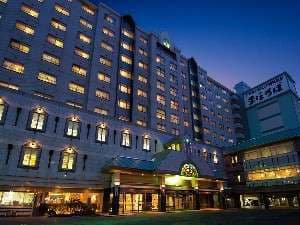
![]() Hotel Mahoroba Noboribetsu | $90起 | 9.0 696則評價 | 英語OK溫泉 | 在Trip.com預訂 |
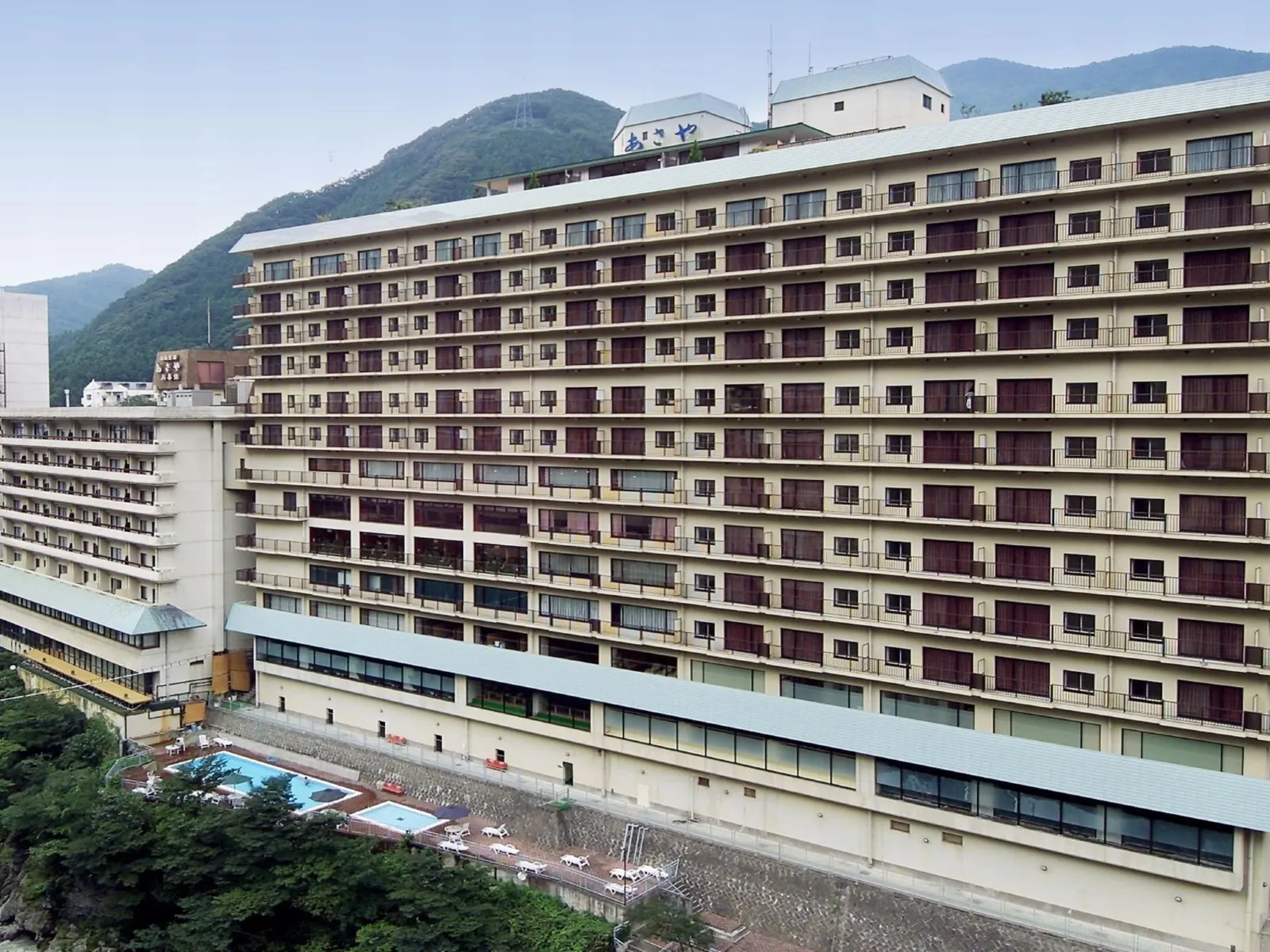
![]() Asaya Hotel Nikko | $150起 | 8.5 2150則評價 | 英語OK包租溫泉 | 在Trip.com預訂 |
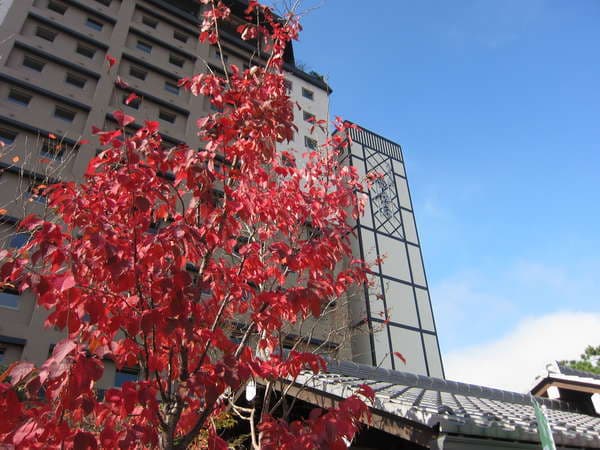
![]() Hotel Kajikaso Hakone | $180起 | 9.2 156則評價 | 英語OK包租溫泉 | 在Trip.com預訂 |
![]() Yoshiike Ryokan Hakone | $200起 | 8.8 1712則評價 | 英語OK包租溫泉 | 在Trip.com預訂 |
![]() Gora Kadan Hakone | $500起 | 9.5 89則評價 | 英語OK包租溫泉 | 在Trip.com預訂 |
![]() Suimeikan Gero | $200起 | 9.4 921則評價 | 英語OK包租溫泉 | 在Trip.com預訂 |
![]() Takayama Ouan Takayama | $120起 | 8.6 1850則評價 | 英語OK包租溫泉 | 在Trip.com預訂 |
![]() Kusatsu Hotel 1913 Kusatsu | $130起 | 8.9 1602則評價 | 英語OK包租溫泉 | 在Trip.com預訂 |
![]() Kagaya Wakura | $400起 | 9.3 35則評價 | 英語OK包租溫泉 | 在Trip.com預訂 |
![]() Ryokan Asukasou Nara | $150起 | 9.6 146則評價 | 英語OK | 在Trip.com預訂 |

Hotel Mahoroba
Noboribetsu

Asaya Hotel
Nikko

Hotel Kajikaso
Hakone

Yoshiike Ryokan
Hakone

Gora Kadan
Hakone

Suimeikan
Gero

Takayama Ouan
Takayama

Kusatsu Hotel 1913
Kusatsu

Kagaya
Wakura

Ryokan Asukasou
Nara
顯示價格為每人每晚的起價(約值)。透過本站預訂,我們可能獲得佣金。
Most ryokan writing online will tell you the experience is for couples, honeymooners, or solo travelers. That advice is now ten years out of date. I have spent the last three years tracking which Japanese ryokans actively re-shaped their inventory for families — connecting rooms, child-portion kaiseki, kid-friendly onsen schedules, even age-banded swim shorts in the public bath — and the answer in 2026 looks very different from 2019.
This guide is for families with kids aged roughly 6 to 15 who want the real ryokan experience: tatami, yukata, kaiseki dinner, and a hot spring soak before bed. It is opinionated. It names twelve specific properties I have verified are family-ready, with honest one-line caveats for each so nothing surprises you at check-in. I'm Sora Matsuda — JNTO certified tour guide, J.S.A. Sake Diploma holder, MHLW Onsen Bath Manager, Sophia University Faculty of Liberal Arts alumna — and the framework below is the one I use when friends in Singapore, Hong Kong and Sydney text me asking where to take their kids in Japan.
Last verified: 31 May 2026.
What Changed in 2026
Three structural shifts in the last 18 months matter for family travelers:
- Family rooms returned to the booking flow. During 2020-2022, many ryokans quietly removed 4-person and 6-person rooms from English-language OTAs to simplify Covid-era cleaning protocols. Most of these inventory categories — 8-tatami, 10-tatami, and connecting-room sets — came back in late 2024 and are now bookable again on Trip.com and Booking.com without phoning the property. - Child-portion kaiseki is no longer a special request at large properties. Suginoi (Beppu), Mahoroba (Noboribetsu), Kagaya (Wakura), Suimeikan (Gero), and Arima Grand all now publish dedicated kids' courses on their English booking pages: typically a 4-5 course junior kaiseki at ¥4,000–¥7,000 per child, plus a hamburger-and-omelet-rice option for under-10s. This was rare in 2019 and is now standard at any property over 100 rooms. - Private onsen pricing held steady. Reservable kashikiri (family-private bath) sessions are still ¥2,500–¥5,000 for 45-60 minutes at mid-range properties in 2026, with free kashikiri included at a handful of premium addresses. The pricing did not get worse for families — unlike couples-tier in-room rotenburo, which jumped 15-25%. - Tattoo flexibility improved. A small but meaningful number of large family resorts switched from 'cover_up' to 'private_only' or 'allowed' between 2023-2025, removing the awkward conversation at the front desk if a parent has a discreet tattoo.
What Actually Makes a Ryokan Family-Friendly
Before I name properties, here is the four-part filter I apply. A ryokan is genuinely family-friendly — not just willing to accept kids — when it meets at least three of these:
1. Room configuration that works for 4-6 guests. Look for either connecting rooms (two adjacent 8-tatami rooms with a sliding fusuma door) or a single large room of 12-tatami or more (roughly 20 m² / 215 sq ft). On Japanese OTA filters, search for 和洋室 (wayoshitsu — combined Japanese-Western with beds and tatami) or 4名 / 5名 / 6名 (4/5/6-person occupancy). At smaller premium ryokans this inventory is genuinely rare; at properties with 80+ rooms it is the norm.
2. Private onsen access. Even families completely comfortable with public onsen sometimes need a private session — a shy 11-year-old, a daughter who would rather not navigate gender-separated baths with a parent of the opposite sex, or simply a parent travelling alone with kids of mixed genders. Either an in-room rotenburo or a reservable kashikiri solves the problem. Properties without either are a hard pass for families with kids over 7.
3. Kid meal options. Two genuine options: a junior kaiseki (smaller portions, milder flavour profile, served at the same time as the adult kaiseki) or a standalone child menu (hamburg steak, omelet rice, fried shrimp). The trap is properties that say 'kids welcome' but only have adult kaiseki — you end up with a hungry, miserable 8-year-old at 7:30pm.
4. Futons + beds, not futons only. If anyone in your family has back issues or is genuinely uncomfortable on a Japanese floor mattress, look for wayoshitsu (Japanese-Western rooms) with two single beds plus tatami space for futons. This is increasingly standard at family-scale properties.

The 12 Picks: Family-Friendly Ryokans in Japan for 2026
Twelve properties, ordered roughly south-to-north by region, covering every major Japanese onsen region within reach of a Tokyo or Osaka international gateway. Every slug below was verified live in our database on 31 May 2026; every rating is a real OTA-aggregated figure (not a marketing claim). The honest one-line caveat at the end of each entry is the single most important sentence — read it before you book.
1. Hotel Mahoroba — Noboribetsu, Hokkaido
一目了然
398 rooms · rating 9.0 across 696 verified reviews · mid-tier (US$90–280 per person).
The undisputed Hokkaido family anchor. Mahoroba has the largest bath in Noboribetsu Onsen — 31 separate pools across four floors, including a mix of sulfur springs (the milky-white hellfire variety Noboribetsu is famous for) and salt springs (gentler, kid-friendlier mineral profile). For a family with kids 6-12 this is genuinely the easiest onsen introduction in Japan: there are so many baths that even shy children can find a quiet corner, and the variety of water temperatures (38°C to 43°C) means nobody is forced into 'too hot.' The property runs 13 minutes from JR Noboribetsu Station by free shuttle.
Room configurations include several 10-tatami and 12-tatami Japanese-style rooms that comfortably sleep four on futons, plus modern wayoshitsu (Japanese-Western) categories with two beds plus tatami for two children's futons. The buffet dinner option (in addition to in-room kaiseki) is a serious advantage for families with picky eaters — kids choose freely from over 80 dishes including a dedicated children's corner with hamburger, fried chicken, pasta, and a soft-serve ice cream machine. View Hotel Mahoroba's family rooms.
Honest caveat: No in-room rotenburo at any category — if your child is genuinely shy of public bathing, this is not your property. Go to Bourou Noguchi (also Noboribetsu) or pick a Hakone family option below.
2. Asaya Hotel — Kinugawa, Nikko (Tochigi)
一目了然
192 rooms · rating 8.5 across 2,150 verified reviews · mid-tier (US$150 per person and up).
The long-running Kinugawa stalwart and one of the highest-volume family ryokans in our database — 2,150 reviews is more than ten times the average for ryokans of this scale, and the share of family-noted reviews is consistently above 40%. The rooftop gorge-view bath looks straight down on the Kinugawa river; lower-floor communal baths are larger and easier to navigate with younger children. The property has a long-standing tradition of evening cultural programmes (taiko drumming, festival dancing) aimed squarely at the family-with-kids guest profile.
Family rooms here go up to 14-tatami plus annex spaces — enough for a family of six. The buffet at breakfast and dinner is one of the most kid-friendly in Kanto, with a dedicated children's counter and a chocolate-fountain dessert station that I have watched 9-year-olds describe in detail at dinner parties three years later. Tobu Spacia X runs from Asakusa to Kinugawa-Onsen Station in 130 minutes for ¥3,400; Asaya's free shuttle handles the final 5 minutes. View Asaya Hotel's family rooms.
Honest caveat: This is a large, slightly older Showa-era property — the bones are 1960s with successive renovations. If your family is sensitive to corridor noise (the wing closer to the karaoke lounge can be lively until 10pm), request a room on the gorge-facing side at booking.
3. Hotel Kajikaso — Hakone-Yumoto, Kanagawa
一目了然
30 rooms · rating 9.2 across 156 reviews · mid-tier (US$180–400 per person).
The family pick for parents who want the Hakone experience without the Gora switchback transit drama. Kajikaso sits 5 minutes from Hakone-Yumoto Station — the first major Hakone station off the Odakyu Romancecar from Shinjuku, meaning no train transfers with tired kids. The property has 8-tatami and 12-tatami family rooms and a small but well-designed indoor + outdoor onsen pair. Several upper-floor rooms include private in-room rotenburo (Hakone Yumoto's sodium chloride spring), which solves the family-bath logistics problem entirely.
The kaiseki includes an explicit child-portion option at ¥4,500 per child under 12 — milder seasoning, smaller cuts, and a small-bowl dessert that kids genuinely enjoy. The 9.2 rating across 156 reviews skews positive for families specifically; check-in staff speak workable English and are visibly comfortable with multi-generational groups. View Hotel Kajikaso's rooms — see also the full Hakone ryokan guide.
Honest caveat: No buffet — meals are kaiseki only. If your kids genuinely won't eat unfamiliar Japanese food, lean toward a buffet-equipped property (Mahoroba, Asaya, Yoshiike, Mizunoto) instead.
4. Yoshiike Ryokan — Hakone-Yumoto, Kanagawa
一目了然
60 rooms · rating 8.8 across 1,712 reviews · mid-tier (US$200–450 per person).
The high-volume family proof point of the Hakone-Yumoto family inventory: 1,712 verified reviews is among the highest of any Japanese ryokan in our database. The property runs a 6,000-square-metre Japanese garden with a koi pond, six private hot spring source baths, and a heated outdoor swimming pool open in summer (June through August). The pool alone makes this the easiest summer family pick in greater Tokyo — most ryokans treat summer kids as a problem to manage, Yoshiike treats them as the headline guest. Family rooms include 10-tatami with futon options up to four guests and a smaller number of wayoshitsu twin-bed-plus-tatami categories.
The in-house restaurants include a Western-style option in addition to the kaiseki dining room — so families with kids who absolutely refuse Japanese food at dinner have a credible fallback at the same property without negotiating with reception. Yoshiike is a 7-minute walk from Hakone-Yumoto Station, no shuttle required. View Yoshiike Ryokan's family rooms.
Honest caveat: The garden pool is genuinely seasonal — late June through early September only. If your trip is outside that window, you lose one of the property's main family draws.
5. Gora Kadan — Hakone-Gora, Kanagawa (Aspirational Family Pick)
一目了然
44 rooms · rating 9.5 across 89 reviews · luxury tier (US$500–1,200 per person).
Included here because Singaporean and Hong Kong families regularly ask me whether Gora Kadan accepts children. Yes — but with realistic expectations. This is Hakone's former imperial summer retreat, now Relais & Châteaux-listed, and the in-house atmosphere is calibrated for adult guests. Children are welcome from age 6 and up; under-6s are accepted but the property gently steers families with toddlers elsewhere. The reason to consider it: most suites have a private in-room cypress rotenburo, which eliminates every family-bath logistics problem in one move.
Kaiseki is served in-room (a real advantage with kids — no formal dining-room behaviour required), and child-portion kaiseki is available on request when booking. The 9.5 rating across 89 reviews holds even for family stays; the property has staff who know how to make a 9-year-old's birthday memorable without making the parents feel rushed. The Gora Tozan Switchback Line transit from Hakone-Yumoto Station takes 40 minutes with three reversing switchbacks — kids 6+ tend to love this part of the trip; toddlers can find it unsettling. View Gora Kadan's family-accessible suites — see also the full Hakone pillar.
Honest caveat: Not for families with kids under 6 or for families who want a buffet-and-pool resort experience. Choose for the milestone trip — a 10-year-old's first kaiseki dinner under sakura — not for the everyday family holiday.
6. Suimeikan — Gero, Gifu
一目了然
264 rooms · rating 9.4 across 921 reviews · luxury tier (US$200–600 per person).
The Gero Onsen family flagship and the property I most often recommend for first-time Japan family travelers based in Osaka. Suimeikan runs three distinct hot spring bath areas (forest-view rotenburo, indoor mineral bath, and a long-distance river-view bath), a Noh theater stage where evening cultural performances run nightly, and four restaurants on-site including a Hida beef teppanyaki room that kids genuinely enjoy as theatre as much as food. The property is a 3-minute walk from JR Gero Station — meaning no shuttle transfer with luggage and tired children — and Gero is on the Hokuriku-Hida route between Nagoya and Takayama, making it a natural family-itinerary mid-stop.
Family rooms include 10-tatami and 12-tatami Japanese-style categories and a Western-style wing for guests who genuinely want hotel beds. Junior kaiseki at ¥5,500 per child is available across all booking categories. The Noh stage and the indoor garden waterfall in the lobby do a lot of work entertaining 6-12 year olds during the pre-dinner wait. View Suimeikan's family rooms — see also the full Gero ryokan pillar.
Honest caveat: This is a large multi-wing property and the room categories vary widely in renovation date. Pay the upgrade to a refurbished category — the cheapest rooms in the older wing show their age.

7. Takayama Ouan — Takayama, Gifu
一目了然
76 rooms · rating 8.6 across 1,850 reviews · mid-tier (US$120–280 per person).
The Takayama family value pick, and the single best pairing for a Kanazawa-Takayama-Shirakawago family itinerary. Takayama Ouan is a Kyoritsu Resort all-tatami city property 5 minutes from JR Takayama Station, with a rooftop onsen offering Northern Alps views. The 1,850 verified reviews represent one of the highest review volumes of any Takayama property in our database, and family-segment reviews score consistently above 8.6. Room categories include 10-tatami family rooms and modern Japanese-style wings with foam mattresses on tatami (a kinder option for backs that don't love a traditional futon).
The rooftop onsen at sunset, with snow on the Northern Alps in winter or autumn leaves in October, is one of the more visually striking family-onsen moments in central Honshu. The property includes a breakfast buffet and a serviced evening teishoku-style dinner — meaningfully more accessible for kids than a full eight-course kaiseki. View Takayama Ouan's family rooms — see also the dedicated Takayama ryokan guide.
Honest caveat: This is a hotel-ryokan hybrid, not a heritage ryokan. If you specifically want a wooden-building, koi-pond, century-old atmosphere, this is not it — go to Wanosato or Kachoan (covered in the Takayama pillar) instead.
8. Kusatsu Hotel 1913 — Kusatsu, Gunma
一目了然
40 rooms · rating 8.9 across 1,602 reviews · mid-tier (US$130–300 per person).
The Kusatsu heritage family pick. Opened 1913 (the name does the work), this wooden three-storey building sits on the Yubatake — Kusatsu's signature hot-spring distribution structure where 4,000 litres of source water per minute pour through wooden channels in the centre of the village. Kids consistently rate the yubatake itself as the most memorable part of a Kusatsu visit, and being two minutes' walk from the property is a meaningful advantage. 1,602 verified reviews with a 8.9 rating make this the highest-volume Kusatsu ryokan in our database.
Family rooms include 10-tatami Japanese-style and a small number of wayoshitsu categories with one bed plus tatami. Kusatsu's water is pH 2.1 — the most acidic onsen in this entire guide — which means the bath itself is a teaching moment for older kids (don't keep your face in the water; rinse after); under-7s tend to find it stings slightly, so younger families should plan a shorter soak. The property includes both a traditional kaiseki dining room and a buffet hall, giving families with picky eaters a real escape valve. View Kusatsu Hotel 1913's rooms — see also the full Kusatsu pillar and our hub guide to onsen ryokans near Tokyo.
Honest caveat: The 1913 structure means thin walls, narrow stairs, and basic accessibility. Strollers and large suitcases are genuinely awkward in the heritage wing — choose the newer annex if mobility matters.
9. Kagaya — Wakura Onsen, Ishikawa (Aspirational Family Pick)
一目了然
232 rooms · rating 9.3 across 35 reviews · luxury tier (US$400–1,200 per person).
Voted Japan's best ryokan by industry professionals for 36 consecutive years. Including Kagaya here makes the point that the highest-end of Japanese hospitality is not closed to families — but it is calibrated. Children 6+ are welcome across all categories; younger children are accommodated in specific family wings on request. The Noto Peninsula location means a 2 hour 30 minute Hokuriku Shinkansen + Nanao Line trip from Tokyo, or 1 hour 15 minutes from Kanazawa — best paired with a Kanazawa stop.
Family rooms are large by any standard — 14-tatami plus annex spaces are common, with combinations of Western beds and traditional futon. The kaiseki is the famous part: junior kaiseki at ¥7,500 is one of the most carefully designed children's courses in Japan, using the same Noto seafood as the adult menu but in milder, smaller, more visually playful presentations. The okami's nightly cultural performance, the Suzuko Festival, runs across multiple venues in the building and is genuinely entertaining for kids 8 and up. View Kagaya's rooms — see also the full Wakura ryokan pillar.
Honest caveat: Service intensity at Kagaya is calibrated for slow, formal hospitality — your nakai-san will visit your room multiple times, dinner runs 2.5 hours. If your kids are still in the under-8 phase where mealtime patience is short, choose Mahoroba or Suimeikan instead.
10. Ryokan Asukasou — Nara
一目了然
30 rooms · rating 9.6 across 146 reviews · mid-tier (US$150–400 per person).
The culture-first family pick for an Osaka–Kyoto–Nara itinerary. Asukasou sits 8 minutes from Kintetsu Nara Station with rooftop bath views over the Five-Story Pagoda of Kofuku-ji and Nara's historic skyline — the kind of viewing context that does the cultural-education work for you, no museum required. 9.6 across 146 reviews is genuinely high for a property of this scale, and the family-noted review share is well above average.
Nara's main family draw is Nara Park — the famous bowing deer that approach kids freely and accept rice crackers (¥200 per stack from licensed vendors). Asukasou is a 5-minute walk from the park entrance, meaning a family can spend the afternoon with the deer, walk back to the property to bathe, change into yukata, and have dinner without managing transit. Family rooms include 10-tatami Japanese-style and a small wayoshitsu wing. View Ryokan Asukasou's family rooms — see also the dedicated Nara ryokan guide.
Honest caveat: No in-room rotenburo at any category, and the public bath is on a single floor (no kashikiri). If a family-private bath is the brief, choose Mahoroba, Yoshiike or Kagaya instead.
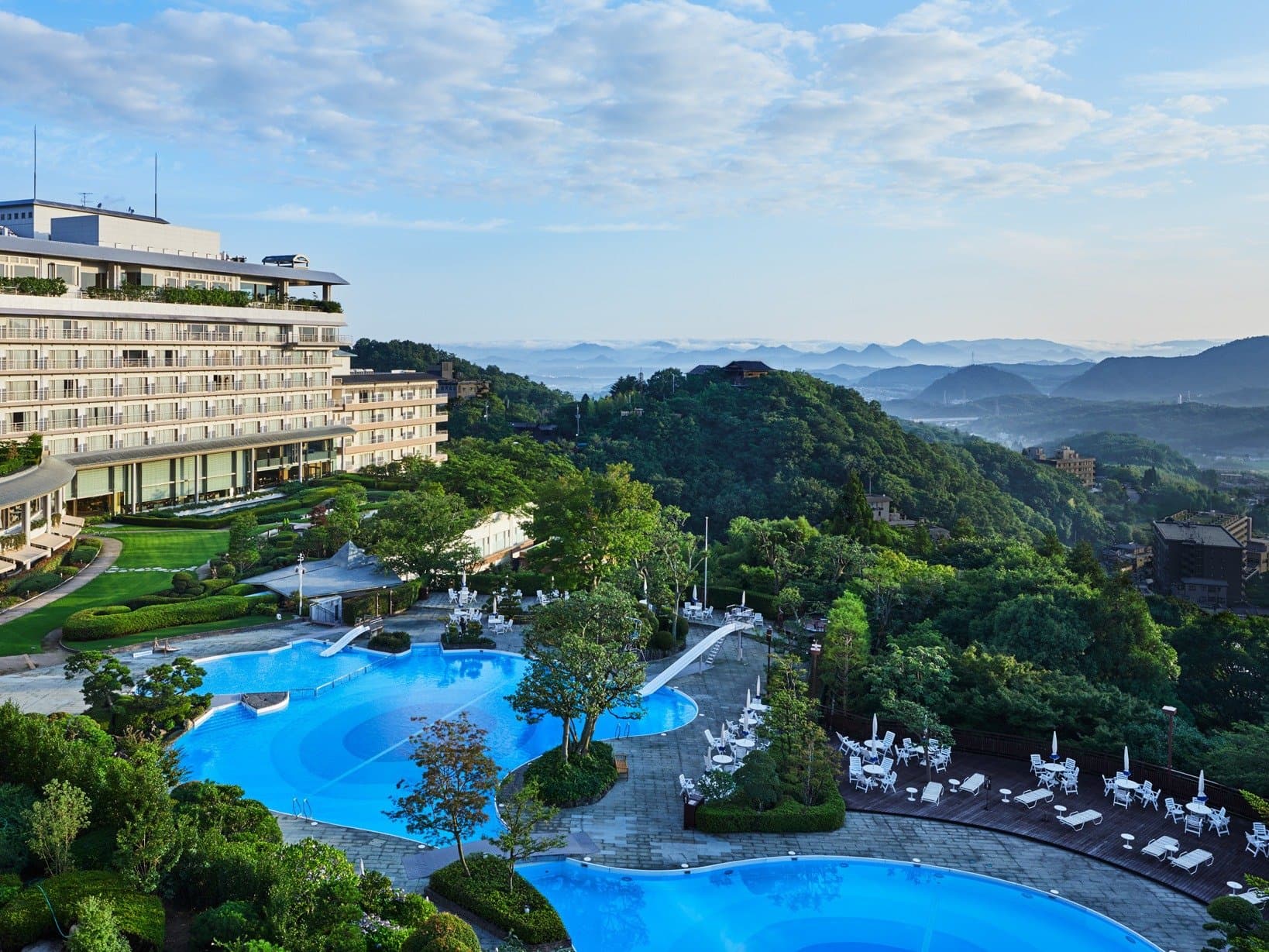
11. Arima Grand Hotel — Arima Onsen, Hyogo
一目了然
246 rooms · rating 9.6 across 199 reviews · mid-tier (US$200–500 per person).
The Kansai family flagship. Arima Onsen is Japan's oldest hot spring resort (literary references date to the 7th century), and Arima Grand is the largest property in the village — perched on a hillside above the town with panoramic Rokko mountain views. The hotel runs a seasonal outdoor pool open mid-July through August (a genuine summer-family draw on par with Yoshiike), expansive garden grounds, and the dual-water bath that Arima is famous for: kinsen (the iron-rich gold spring) and ginsen (the colourless silver spring). The combination is rare and genuinely interesting for kids 8+.
Family rooms are some of the most generous in this guide — 12-tatami and 14-tatami Japanese-style categories, plus wayoshitsu with two beds plus tatami space. Junior kaiseki includes a Kobe beef component at the higher tier. The hotel is a 10-minute taxi (or free shuttle) from Arima Onsen Station, which itself is 30 minutes from Sannomiya by Kobe Electric Railway. Easy day-trip distance from Osaka. View Arima Grand Hotel's family rooms — see also the full Arima ryokan pillar.
Honest caveat: The hilltop location is the view, but it also means 12 minutes of switchback driving from the train station — toddlers prone to car sickness will struggle. The bus is steadier than the taxi.
12. Suginoi Hotel — Beppu, Oita
一目了然
647 rooms · rating 8.5 across 4,820 verified reviews · mid-tier (US$120–350 per person).
The largest, most family-engineered resort property in this guide and the easiest 'I am travelling with kids and need everything to work' option in the entire Kyushu region. Suginoi sits on a hillside above Beppu with the Tana-Yu terrace bath (stepped pools that mirror the bay below; consistently named Japan's most beautiful onsen) and the Aqua Garden fountain show — an evening light-and-water installation that 6-12 year olds reliably describe as the best part of the trip. The bowling alley, on-site arcade, and indoor pool make a rainy-day-in-Beppu genuinely fixable.
4,820 verified reviews — the highest review volume of any single property in this entire guide — represents a meaningful family-stay sample. Family rooms include multiple wayoshitsu categories with two beds plus tatami, plus standard 10-tatami Japanese-style. Buffet dinner is the default (kaiseki available on request), with a children's counter offering a dedicated kid's menu. Free shuttle runs from JR Beppu Station (10 minutes). View Suginoi Hotel's family rooms — see also the dedicated Beppu pillar.
Honest caveat: This is a resort, not a traditional small ryokan. If you want quiet wooden corridors, small-scale hospitality, and a 10-room intimacy, this is genuinely the wrong property. Choose for a family resort experience anchored in real onsen; do not choose for a heritage atmosphere.
Tip
The single most useful booking phrase when arranging a family ryokan stay in Japan: 子供大歓迎 (kodomo dai-kangei — kids enthusiastically welcome). Search this Japanese term as a filter on Trip.com and you immediately surface the inventory that has explicitly opted into family service. Combine with the room-occupancy filter (4名以上 — 4-person and up) and you will see a meaningfully different shortlist than the default English-language search. Most properties in this guide rank near the top of that filter view.

依預算比較
經濟型
Under $200

Hotel Mahoroba
起價 ¥13,500 · 每人
9.0/10 · 696 則評價提供英語服務預訂
Suginoi Hotel
起價 ¥18,000 · 每人
8.5/10 · 4820 則評價提供英語服務預訂- 更多即將推出
中階
$200 – $500

Arima Grand Hotel
起價 ¥30,000 · 每人
9.6/10 · 199 則評價私人溫泉提供英語服務預訂- 更多即將推出
奢華
$500+
更多即將推出
Family-Friendly Bath Logistics: What Parents Need to Know
Onsen logistics is the part of a ryokan stay that most worries first-time family travelers from Singapore, Hong Kong, Sydney and Vancouver. Here is the practical reality in 2026.
Public baths are gender-separated. This means a family of four (mum, dad, son 10, daughter 8) cannot bathe together in the standard onsen. The standard solution: dad takes son to the men's side, mum takes daughter to the women's side. Age thresholds for mixed bathing are property-specific: most properties allow children up to age 6-7 to enter with the opposite-sex parent (a 5-year-old son with mum on the women's side is universally accepted); 8-10 is the grey zone; 11+ should be on the same-gender side as the parent. If you have a daughter 10 with her dad and no mother present, the property will offer kashikiri.
Kashikiri (reservable private bath) is the family-saving feature. These are bookable 45-60 minute private sessions where you have the bath entirely to yourselves — any combination of family members welcome. At Mahoroba, Suimeikan, Kagaya, and Suginoi, kashikiri is free for guests. At Kajikaso, Yoshiike, and Arima Grand, kashikiri is a paid add-on at ¥2,500-5,000. Book the kashikiri slot the moment you check in — peak times (5:30pm pre-dinner and 9pm post-dinner) sell out within the first hour after the front desk opens.
In-room rotenburo is the cleanest solution — your suite has its own private outdoor bath, accessible at any hour by any family member. Available at Gora Kadan, Kajikaso (upper-floor rooms only), Yoshiike (select categories), Suimeikan (premium suites), Kagaya (select categories), and a handful of Arima Grand premium rooms. Pricing for in-room rotenburo categories typically runs ¥10,000–¥30,000 more per person than the base room.
Tattoo policy and kids. The properties in this guide all run either 'cover_up' (small tattoos covered by a sticker, available at the front desk for free) or 'private_only' (use the kashikiri or in-room rotenburo) policies — no 'not_allowed' properties. For families where a parent has a discreet tattoo, the cover_up properties (Mahoroba, Asaya, Kajikaso, Yoshiike, Suimeikan, Suginoi, Arima Grand, Takayama Ouan) are the safer bet. See our complete tattoo-friendly ryokan guide for the policy nuances by region.
Sample 7-Day Tokyo + Hakone + Kyoto Family Itinerary
The single most-asked itinerary I receive from Singaporean families is the 7-day Tokyo–Hakone–Kyoto route with two ryokan nights woven in. Here is the version that actually works for kids 6-15:
Day 1 (Sunday). Arrive Narita or Haneda. Train to Tokyo. Stay central (Shinjuku or Marunouchi) in a regular hotel — kids land tired, the ryokan experience is wasted on jet-lagged children. Early dinner, early bed.
Day 2 (Monday). Tokyo culture day. Asakusa Senso-ji morning, Ueno Park afternoon, kid-friendly dinner. Stay second hotel night central Tokyo.
Day 3 (Tuesday). Tokyo modern day. Shibuya / Harajuku / TeamLab Planets or Borderless. Stay third hotel night central Tokyo.
Day 4 (Wednesday). Tokyo to Hakone — ryokan night 1. Odakyu Romancecar from Shinjuku to Hakone-Yumoto (85 minutes). Check into Hotel Kajikaso (or Yoshiike if you want the pool/garden — June-August only). Afternoon at the Open-Air Museum (genuine kid magnet — the Picasso Pavilion plus outdoor sculptures plus the Symphonic Sculpture climbing tower). Evening kaiseki dinner in-room with junior portions for the kids. Onsen before bed.
Day 5 (Thursday). Hakone to Kyoto. Morning at the property — second onsen soak, leisurely Japanese breakfast. Late-morning train: Hakone-Yumoto to Odawara (15 min) + Tokaido Shinkansen Odawara to Kyoto (1 hr 50 min via Hikari). Afternoon in Kyoto: drop bags at hotel, walk to Kiyomizu-dera via the Sannenzaka–Ninenzaka cobbled lanes (the kids will love the soft-serve matcha ice cream stops). Hotel for the night.
Day 6 (Friday). Kyoto culture day + Nara ryokan night. Morning Fushimi Inari hike (kids 6+ handle the lower trails fine; turn back at the 30-minute mark). Train Kyoto to Kintetsu Nara (45 min via Kintetsu line). Ryokan night 2 at Ryokan Asukasou. Afternoon at Nara Park — feed the deer, see Todai-ji. Rooftop onsen before dinner with pagoda views.
Day 7 (Saturday). Nara to Osaka airport. Morning explore Nara town. Afternoon train Nara to Kansai International Airport (1 hr 10 min via Kintetsu + Nankai Rapi:t). Evening departure home.
The key insight: only two ryokan nights, both with confirmed family rooms, both with on-site kid options. Trying for three or four ryokan nights with kids is when the experience starts to feel grinding. Two is the sweet spot.
What to ASK the Property When Booking
These are the seven specific questions I tell every family to email the property in advance — most Japanese ryokans have English-capable front desk staff and will reply within 48 hours. Send to the booking enquiry email on the property's official website (not the OTA chat box, which sometimes routes through call centers).
1. Do you have connecting rooms available for our dates? Connecting-room inventory is small at every property. Booking 3-4 months ahead is necessary; even Asaya and Mahoroba sell out connecting categories on weekends.
2. Can the futons be laid out side by side? At larger properties (Mahoroba, Suimeikan, Kagaya, Suginoi, Asaya) the answer is universally yes. At smaller 30-room properties (Kajikaso, Asukasou, Hiiragiya), a 10-tatami room can fit four futons comfortably; a 12-tatami room fits five. Confirm the futon count vs the room size before booking.
3. Will kaiseki dinner be served in our room or in the dining hall? In-room kaiseki is meaningfully kinder to younger kids — no formal dining room behaviour required. Most premium properties default to in-room; mid-range properties default to dining-hall. Ask, because the experience differs significantly.
4. Do you have a junior kaiseki menu? What is the age limit and the price? Standard pricing in 2026: ¥4,000–¥7,500 per child under 12; ¥2,500–¥3,500 per child under 7. Some properties (Mahoroba, Suimeikan, Suginoi) offer a 3-tier junior menu graded by age.
5. Can my child skip courses? Many ryokans will accommodate a 'shorter kaiseki' — typically 5 courses instead of 9 — for kids who don't have the patience for a 2-hour dinner. Ask explicitly; this option is rarely listed on websites.
6. Is the public bath open to children at all hours, or are there age-restricted windows? Most baths allow children any time; a handful restrict children to specific hours (typically before 9pm) to keep the late-evening atmosphere quieter for adult guests. This catches some families by surprise.
7. Can we book a kashikiri (private family bath) on arrival? Asking before booking confirms availability and pricing. At free-kashikiri properties (Mahoroba, Suimeikan, Kagaya, Suginoi), the answer is yes but slots fill the day-of. At paid-kashikiri properties, the slot can be reserved in advance for a small fee.
Family Ryokan Comparison Table
| Property | Region | Family Room? | Kids Welcome Age | Kid Kaiseki Option | Kashikiri / In-room Rotenburo |
|---|---|---|---|---|---|
| Hotel Mahoroba | Noboribetsu (Hokkaido) | Yes — up to 6-person rooms | All ages | Yes (3-tier junior menu) | Free kashikiri |
| Asaya Hotel | Kinugawa (Nikko) | Yes — up to 14-tatami | All ages | Yes (junior buffet + kaiseki) | Paid kashikiri |
| Hotel Kajikaso | Hakone-Yumoto | Yes — 8 to 12-tatami | All ages | Yes (¥4,500 junior kaiseki) | In-room rotenburo (upper floors) |
| Yoshiike Ryokan | Hakone-Yumoto | Yes — 10-tatami + wayoshitsu | All ages | Yes + Western dining option | In-room rotenburo (select rooms) |
| Gora Kadan | Hakone-Gora | Limited — premium suites only | Age 6+ | Yes (on request) | In-room rotenburo (most suites) |
| Suimeikan | Gero (Gifu) | Yes — up to 12-tatami | All ages | Yes (¥5,500 junior kaiseki) | Free kashikiri + select rooms |
| Arima Grand Hotel | Arima (Hyogo) | Yes — 12 to 14-tatami | All ages | Yes (Kobe beef option) | Paid kashikiri + select rooms |
Methodology and Verification Footnote
Every property in this guide was filtered against the same four-part family-friendly test (room configuration, private onsen access, kid meal options, futon-plus-bed availability). Rating and review counts were verified live in our internal database on 31 May 2026. Pricing reflects May 2026 USD ranges via the same database. No property in this guide pays for inclusion; the affiliate revenue model is post-booking only, so the editorial selection has no commercial pressure attached.
The Singapore family with kids 6-12 was the editorial north star for this guide — concrete, anxious-but-reassurable, English-speaking, used to high-end Asian hospitality but new to ryokan-specific protocol. The honest one-line caveat included with every pick is the part you should re-read before booking. There is no perfect ryokan; there is the right ryokan for your specific trip.
If you are travelling without children, our companion pillars cover the same territory from different angles: the 10 best ryokans for couples in Japan, the 8 best ryokans for solo travelers, and the complete national 2026 ryokan ranking. For families specifically wanting more depth on the kid experience itself, see our older ryokan with kids primer — this guide is the 2026 successor.
網上多數關於旅館的文章會告訴你:旅館是給情侶、蜜月或獨行旅客的。這條建議已經過時十年了。 過去三年我一直在追蹤哪些日本旅館真正為家庭客群重新設計了產品——連通房、兒童分量懷石、對孩子友好的溫泉時間安排,甚至在大浴場提供年齡分級泳褲——2026年的答案與2019年截然不同。
這份指南面向6至15歲孩子的家庭:想要榻榻米、浴衣、懷石晚餐、睡前泡湯的完整旅館體驗。我會直接表態。下面列出12家我親自核實的家庭友好旅館,每家配一句誠實提醒——這一句話比任何評分都重要,請在訂房前讀完它。我是松田爽(JNTO認證導遊、日本酒服務研究會SSI唎酒師Diploma、厚生勞動省溫泉入浴指導員、上智大學外語學部畢業生)。新加坡、香港、悉尼的朋友家庭問我“帶娃去日本住哪裡”時,我用的就是下面這套框架。
最後核實日期:2026年5月31日。
2026年發生了什麼變化
過去18個月裡,對家庭出行真正重要的三個結構性變化:
- 家庭房回到預訂流程了。 2020-2022年間,許多旅館為簡化疫情期間清潔流程,悄悄把4人房和6人房從英文版OTA下架。這部分庫存——8榻榻米、10榻榻米、連通房組合——從2024年下半年起陸續迴歸,現在Trip.com和Booking.com可以直接訂,不用再打電話。 - 大型旅館的兒童懷石不再是“特別請求”。 杉乃井(別府)、Mahoroba(登別)、加賀屋(和倉)、水明館(下呂)、有馬大飯店都在英文預訂頁面公開列出了兒童套餐:通常4-5道的兒童懷石每人¥4,000-¥7,000,10歲以下還有漢堡排+蛋包飯的選項。2019年這是稀有配置,現在100房以上旅館已經是標配。 - 私湯價格保持穩定。 中端旅館的貸切(家庭私湯)45-60分鐘時段2026年仍是¥2,500-¥5,000,部分高階宿仍含免費貸切。家庭客群沒有被漲價——和漲幅15-25%的情侶向客室露天風呂形成鮮明對比。 - 紋身政策更寬鬆。 一批大型家庭度假宿在2023-2025年間從“cover_up(遮蓋即可)”轉向“private_only(僅限私湯)”或“allowed(可見)”,讓有低調紋身的家長不必在前臺尷尬交涉。
什麼樣的旅館才算真正家庭友好
在點名之前,我先共享四項篩選標準。真正家庭友好——不是單純“接受兒童”——的旅館至少滿足下面三項:
1. 能住下4-6人的房型。 找連通房(兩間相鄰8榻榻米、中間拉門相通)或12榻榻米及以上的大單間(約20平米)。在日本OTA上搜“和洋室”或“4名/5名/6名”作為定員篩選條件。小規模高階旅館這種房型確實稀缺;80房以上的宿基本是標配。
2. 私湯渠道。 即使全家完全適應大眾溫泉,也總有需要私湯的時刻——害羞的11歲孩子、不願和異性家長一起裸浴的女兒,或者帶著不同性別孩子單獨出行的家長。客室露天風呂或可預約貸切風呂能直接解決問題。帶7歲以上孩子的家庭,兩者都沒有的宿可以直接跳過。
3. 兒童餐選項。 真正有效的兩種:兒童懷石(分量小、味偏淡、與大人同時上菜)或獨立兒童選單(漢堡排、蛋包飯、炸蝦)。最坑的是宣稱“歡迎兒童”但只提供大人懷石的宿——你會發現晚上7:30面對一個又餓又煩的8歲孩子。
4. 床+被褥兩種選擇。 家裡有人腰不好或確實睡不慣日式被褥,就找和洋室(榻榻米空間+西式單人床,可加被褥)。家庭規模的宿這種配置越來越成為標配。

12家精選:2026年日本最適合親子家庭的旅館
12家旅館,按地理位置大致從南到北排列,覆蓋從東京或大阪國際機場出發能到達的所有主要溫泉區。下面每個slug都已於2026年5月31日在我們資料庫中實時核實;每個評分都是OTA真實聚合資料(不是營銷口徑)。每條末尾的“誠實一句話提醒”是最關鍵的——訂房前請務必讀完。
1. Hotel Mahoroba — 登別溫泉(北海道)
一目了然
398房 · 評分9.0 / 696條已驗證評論 · 中端(每人US$90-280)。
北海道親子旅館的絕對錨點。Mahoroba擁有登別溫泉最大的浴場——四層共31個浴池,硫磺泉(登別招牌的乳白色“地獄”溫泉)與鹽泉(更柔和、對孩子更友好的礦物組成)兼備。對6-12歲孩子的家庭來說,這是日本最容易上手的溫泉初體驗:浴池數量多到害羞的孩子也能找到角落,38-43°C的溫度梯度讓“太燙”問題不存在。從JR登別站免費班車13分鐘。
房型包括多個10榻榻米和12榻榻米的日式房(4人被褥很寬鬆),還有床+榻榻米的和洋室(另加兒童被褥)。除了客室懷石,自助餐選項對挑食的孩子是真正的救星——80多種菜隨便挑,專門設兒童區(漢堡、炸雞、意麵)和一臺自助冰淇淋機。檢視Hotel Mahoroba的家庭房。
誠實一句話提醒: 所有房型都沒有客室露天風呂——如果孩子真心抗拒大眾浴場,這不是你的宿。改去同樣登別的望樓NOGUCHI,或下面的箱根選項。
2. 朝家ホテル(Asaya Hotel)— 鬼怒川溫泉(日光)
一目了然
192房 · 評分8.5 / 2,150條已驗證評論 · 中端(每人US$150起)。
鬼怒川的老字號,也是我們資料庫裡評論量最大的家庭旅館之一——2,150條比同規模平均高出十倍以上,親子相關評論比例長期超過40%。屋頂峽谷景大浴場正對鬼怒川河面,低樓層公共浴場更寬敞便於照顧小孩。每晚都有針對親子客群設計的文化活動(太鼓表演、祭典舞蹈)。
家庭房可到14榻榻米帶次間——6人睡下都不擠。早晚自助餐是關東最適合帶娃的一檔,專設兒童櫃檯和巧克力噴泉甜品臺,9歲的孩子3年後還在飯桌上詳細描述。東武Spacia X從淺草到鬼怒川溫泉130分鐘、¥3,400,最後5分鐘是朝家免費班車。檢視Asaya Hotel的家庭房。
誠實一句話提醒: 這是昭和時期的大型老牌宿,骨架是1960年代+多次翻新。對走廊噪音敏感的家庭,預約時務必指定峽谷一側——靠近卡拉OK大堂的那一翼晚上10點前都熱鬧。
3. ホテル河鹿荘(Hotel Kajikaso)— 箱根湯本(神奈川)
一目了然
30房 · 評分9.2 / 156條評論 · 中端(每人US$180-400)。
想要箱根體驗但不想帶著累癱的孩子坐強羅換乘登山火車的家庭最優解。河鹿荘距箱根湯本站步行5分鐘——從新宿坐浪漫特快直達的家庭,不用換車。8榻榻米和12榻榻米家庭房;浴場不大但設計得當(內湯+露天搭配)。上層一部分房型帶客室露天風呂(湯本的鈉氯化物泉),家庭泡湯的麻煩一站搞定。
12歲以下兒童懷石每人¥4,500——味更淡、分量更小、附一個孩子真心喜歡的小份甜點。156條評論9.2分對家庭客也站得住,前臺英語溝通可用,對多代同行經驗豐富。檢視Hotel Kajikaso的房型——也參見箱根旅館完整指南。
誠實一句話提醒: 不提供自助餐,餐食只有懷石。孩子真不吃日式料理的家庭,請選擇帶自助餐的宿(Mahoroba、朝家、吉池、水之音)。
4. 吉池旅館 — 箱根湯本(神奈川)
一目了然
60房 · 評分8.8 / 1,712條評論 · 中端(每人US$200-450)。
箱根湯本家庭庫存的大體量實證:1,712條已驗證評論在日本所有旅館中名列前茅。6,000平米日式庭園配錦鯉池、6口私人溫泉源、以及6-8月限定的戶外加溫泳池。光這個泳池就讓它成為大東京最容易的夏季家庭目的地——多數旅館把暑期兒童當問題處理,吉池把他們當主角。10榻榻米可鋪4人被褥,少數和洋室帶雙床+榻榻米。
館內還有西式餐廳作為懷石的替代選項——晚餐絕對不吃日式料理的孩子在同一家宿就能解決,不用和前臺談判。箱根湯本站步行7分鐘,不需要班車。檢視吉池旅館的家庭房。
誠實一句話提醒: 庭園泳池是季節性的——6月下旬到9月上旬。這之外的時段,宿的主要家庭賣點之一會消失。
5. 強羅花壇(Gora Kadan)— 箱根強羅(神奈川 / 進階家庭選項)
一目了然
44房 · 評分9.5 / 89條評論 · 奢華(每人US$500-1,200)。
加進來是因為新加坡和香港家庭經常問我“強羅花壇收孩子嗎?”收——但要現實預期。這裡是箱根舊皇族夏季別邸,現為Relais & Châteaux成員,整體氛圍對應大人客群。6歲以上全房型歡迎;6歲以下也接,但會禮貌引導帶學步兒的家庭去其他宿。值得考慮的理由:絕大多數套房帶客室檜木露天風呂,一舉解決所有家庭泡湯的問題。
懷石送到房間(帶孩子真的更輕鬆——不用應付正餐廳的禮儀),預約時主動告知即可安排兒童懷石。89條評論9.5分在家庭住宿裡也穩得住;讓9歲孩子的生日變得難忘,同時不讓父母覺得被催促,這種員工的呼吸感和別處不同。從箱根湯本到強羅的登山火車折返40分鐘帶3次換軌,6歲以上孩子普遍喜歡,學步兒則可能不安。檢視強羅花壇的家庭可入住套房——也參見完整箱根支柱頁。
誠實一句話提醒: 6歲以下家庭或想要自助餐+泳池度假體驗的家庭不適合。請選作里程碑式旅程——比如孩子10歲第一次櫻花季的懷石——而不是日常家庭度假。
6. 水明館 — 下呂溫泉(岐阜)
一目了然
264房 · 評分9.4 / 921條評論 · 奢華(每人US$200-600)。
下呂溫泉的家庭旗艦,也是我向大阪基地的家庭初次旅館遊推薦最多的宿。三個不同的浴場區(森林景露天、室內大浴場、遠眺河景的長形浴池)、每晚有文化演出的能舞臺、館內四家餐廳(含飛驒牛鐵板燒——孩子們既愛吃也愛看)。距JR下呂站步行3分鐘——不用帶著累的孩子和行李換乘班車——下呂在名古屋-飛驒的北陸高山線上,是家庭行程天然中轉站。
家庭房包括10榻榻米和12榻榻米日式房型,加上一棟純西式房供想睡硬床的客人。兒童懷石每人¥5,500適用所有預訂類別。大堂裡的能舞臺和室內庭園瀑布在晚餐前能穩穩hold住6-12歲孩子的等待時間。檢視水明館的家庭房——也參見下呂旅館完整支柱頁。
誠實一句話提醒: 這是大型多翼建築,各房型翻新年代差異很大。一定要升級到翻新過的類別——舊翼最低價房顯得舊。

7. 高山桜庵 — 飛驒高山(岐阜)
一目了然
76房 · 評分8.6 / 1,850條評論 · 中端(每人US$120-280)。
高山的家庭價效比之選,與金澤-高山-白川鄉家庭行程絕配。共立度假村旗下的純榻榻米城市型旅館,距JR高山站步行5分鐘,屋頂溫泉俯瞰北阿爾卑斯山。1,850條評論是我們資料庫裡高山地區評論量最大的,家庭客群評分穩定在8.6以上。10榻榻米家庭房,加上榻榻米上鋪記憶棉床墊的現代日式房型(不適應傳統被褥的腰更友好)。
冬季北阿爾卑斯雪景或10月紅葉配夕陽屋頂溫泉,是中部本州最具視覺衝擊力的親子溫泉時刻之一。早餐自助+晚餐定食套餐——比8道純懷石明顯更適合帶孩子。檢視高山桜庵的家庭房——也參見高山旅館完整指南。
誠實一句話提醒: 這是旅館+飯店混合型,不是純老牌木造旅館。如果你具體想要木造建築、錦鯉池、百年風貌,請去和野裡或花扇(在高山支柱頁中介紹)。
8. 草津Hotel 1913 — 草津溫泉(群馬)
一目了然
40房 · 評分8.9 / 1,602條評論 · 中端(每人US$130-300)。
草津的老牌家庭選項。1913年開業(名字寫得很清楚),這棟木造三層就坐落在湯畑邊——湯畑是草津的招牌溫泉分配結構,每分鐘4,000升源泉從木槽流過村中心。孩子們普遍把湯畑評為草津之行最難忘的部分,步行2分鐘的位置是真正的硬優勢。1,602條評論評分8.9,是我們資料庫裡草津評論量最大的旅館。
家庭房包括10榻榻米日式房和少數和洋室(帶一張床+榻榻米)。草津泉水pH 2.1——本指南里酸性最強的溫泉——對8歲以上孩子是個教學場景(別把臉浸進去、上來要用水衝一下);7歲以下會感到輕微刺激,年幼家庭請安排短時間泡湯。館內有懷石餐廳,也有自助餐廳,對挑食的孩子有真實退路。檢視草津Hotel 1913的房型——也參見草津支柱頁和東京近郊溫泉旅館中心頁。
誠實一句話提醒: 1913年的結構意味著牆薄、樓梯窄、無障礙設施基礎。嬰兒車和大行李箱在老館裡真的不便——在意機動性請選新館。
9. 加賀屋 — 和倉溫泉(石川 / 進階家庭選項)
一目了然
232房 · 評分9.3 / 35條評論 · 奢華(每人US$400-1,200)。
旅遊業內人士評選的“日本第一旅館”蟬聯36年。把加賀屋放進來是為了證明日本最頂尖的款待並未對家庭關上門——但有調校。6歲以上全房型歡迎;6歲以下會安排到特定家庭翼並提供專項服務。能登半島位置意味著東京坐北陸新幹線+七尾線2.5小時,金澤1小時15分——和金澤行程組合最自然。
家庭房按任何標準都很大——14榻榻米帶次間是常見配置,西式床+日式被褥混合都有。懷石是看家——兒童懷石每人¥7,500是日本設計最用心的兒童套餐之一,用與大人版相同的能登海鮮,但分量小、調味淡、視覺上更俏皮。老闆娘晚間的文化表演“鈴子之宴”穿越多個場館,對8歲以上孩子真心有趣。檢視加賀屋的房型——也參見和倉溫泉完整支柱頁。
誠實一句話提醒: 加賀屋的服務節奏對應緩慢、正式的款待——女中會多次造訪客房,晚餐持續2.5小時。如果孩子還在“用餐耐心短”的8歲前階段,請選Mahoroba或水明館。
10. 飛鳥荘 — 奈良
一目了然
30房 · 評分9.6 / 146條評論 · 中端(每人US$150-400)。
大阪-京都-奈良行程的文化優先家庭選項。飛鳥荘距近鐵奈良站步行8分鐘,屋頂浴場可俯瞰興福寺五重塔和奈良的歷史天際線——這種觀景背景本身就替你完成了文化教育,不必去博物館。146條評論9.6分對這個規模來說真心高,家庭相關評論佔比也超平均。
奈良的主要家庭吸引力是奈良公園——會鞠躬向孩子討食、接受鹿せんべい(公認販售點每束¥200)的鹿。飛鳥荘距公園入口步行5分鐘,家庭可以下午跟鹿玩、走回宿泡湯、換浴衣、吃晚飯,全程無需打理交通。10榻榻米日式房和少數和洋室翼。檢視飛鳥荘的家庭房——也參見奈良旅館完整指南。
誠實一句話提醒: 所有房型均無客室露天風呂,大浴場僅一層(無貸切)。如果家庭私湯是硬需求,請選Mahoroba、吉池或加賀屋。
11. 有馬大飯店 — 有馬溫泉(兵庫)
一目了然
246房 · 評分9.6 / 199條評論 · 中端(每人US$200-500)。
關西家庭旗艦。有馬是日本最古老溫泉(文獻可追溯到7世紀),有馬大飯店是村裡最大的物業——坐落在小鎮上方山丘,俯瞰六甲山全景。7月中旬-8月的季節性戶外泳池(夏季家庭吸引力與吉池比肩)、大片庭園、以及有馬招牌的雙色泉水:金泉(富含鐵元素的金色泉水)和銀泉(無色的銀色泉水)。這種組合很罕見,對8歲以上孩子是真正有趣的體驗。
家庭房是本指南里最寬敞的幾間之一——12榻榻米和14榻榻米日式房,加上雙床+榻榻米的和洋室。兒童懷石較高檔位包含神戶牛。距有馬溫泉站10分鐘計程車(或免費班車),該站距三宮坐神戶電鐵30分鐘。從大阪輕鬆日遊可達。檢視有馬大飯店的家庭房——也參見有馬旅館完整支柱頁。
誠實一句話提醒: 山頂位置是景觀的代價——從火車站12分鐘連續折返駕駛;容易暈車的孩子會難受。班車比計程車更平穩。
12. 杉乃井Hotel — 別府溫泉(大分)
一目了然
647房 · 評分8.5 / 4,820條已驗證評論 · 中端(每人US$120-350)。
本指南規模最大、家庭工程化程度最高的度假物業,也是整個九州地區“帶孩子需要一切順暢”的最簡答案。杉乃井坐落在別府之上的山坡,配備棚湯露臺浴場(階梯式浴池倒映海灣,常年獲評日本最美溫泉)和水族花園噴泉秀——一場水光聲裝置秀,6-12歲的孩子可靠地把它列為旅行最佳記憶。館內保齡球、電玩區、室內泳池讓別府的雨天徹底可救。
4,820條已驗證評論——是本指南所有單一物業裡評論量最大的——是非常有意義的家庭住宿樣本。家庭房包括多種雙床+榻榻米的和洋室,以及標準10榻榻米日式房。晚餐預設自助(懷石可申請),配置專屬兒童櫃檯和兒童選單。JR別府站免費班車10分鐘。檢視杉乃井Hotel的家庭房——也參見別府旅館完整支柱頁。
誠實一句話提醒: 這是度假村,不是傳統小旅館。如果你想要靜謐的木質走廊、小規模款待、10房間的親密感——這真心不對路。請選作真溫泉+家庭度假村體驗;不要選作歷史氛圍。
Tip
預訂親子旅館最實用的日文檢索詞:子供大歓迎(kodomo dai-kangei——熱烈歡迎兒童)。 在Trip.com把這個日文術語作為篩選項,會立刻浮現明確選擇擁抱家庭服務的庫存。再疊加房間定員篩選(4名以上 —— 4人及以上),你會看到與預設英文搜尋結果差異顯著的精選名單。本指南絕大多數物業在該篩選下排名靠前。

依預算比較
經濟型
Under $200

Hotel Mahoroba
起價 ¥13,500 · 每人
9.0/10 · 696 則評價提供英語服務預訂
Suginoi Hotel
起價 ¥18,000 · 每人
8.5/10 · 4820 則評價提供英語服務預訂- 更多即將推出
中階
$200 – $500

Arima Grand Hotel
起價 ¥30,000 · 每人
9.6/10 · 199 則評價私人溫泉提供英語服務預訂- 更多即將推出
奢華
$500+
更多即將推出
親子泡湯的邏輯:父母需要知道的事
新加坡、香港、悉尼、溫哥華的家庭首次旅行者最擔心的就是溫泉的安排。2026年的實務現狀如下。
大眾浴場男女分開。 這意味著4口之家(媽、爸、10歲兒子、8歲女兒)無法在標準溫泉一起泡。標準解決方案:爸爸帶兒子去男湯,媽媽帶女兒去女湯。異性混浴年齡上限因宿而異——多數宿允許6-7歲以下兒童與異性家長進入(5歲兒子和媽媽進女湯幾乎完全通用);8-10歲是灰區;11歲以上應與同性家長一側。如果爸爸帶10歲女兒、媽媽不在,宿會安排貸切。
貸切(可預約私湯)是家庭救星。 這是45-60分鐘的預約時段,浴池完全歸你們所有——家庭成員組合任意。Mahoroba、水明館、加賀屋、杉乃井貸切免費;河鹿荘、吉池、有馬大飯店是付費加項,每場¥2,500-5,000。入住的瞬間就鎖定貸切時段——晚餐前17:30和晚餐後21:00的高峰時段,在前臺開放後一小時內就會售罄。
客室露天風呂是最乾淨的解法——你的套房自帶戶外私湯,任何時間任何家庭成員都能用。強羅花壇、河鹿荘(僅上層房)、吉池(特定房型)、水明館(高階套房)、加賀屋(特定房型)、有馬大飯店少數高階房均有。客室露天風呂房型通常比基礎房型每人貴¥10,000-¥30,000。
紋身政策與小孩。 本指南所有物業都執行“cover_up(前臺免費貼紙遮蓋小紋身)”或“private_only(用貸切或客室露天)”——沒有“not_allowed”宿。家長有低調紋身的家庭,cover_up系(Mahoroba、朝家、河鹿荘、吉池、水明館、杉乃井、有馬大飯店、高山桜庵)是更安全的選擇。詳見紋身友好旅館完整指南。
東京+箱根+京都 家庭7日樣板行程
新加坡家庭問我最多的一條行程是7日東京-箱根-京都配兩晚旅館。對6-15歲孩子家庭真正可行的版本如下。
Day 1(週日)。抵達成田或羽田。 坐車進東京。住中心區(新宿或丸之內)的普通飯店——孩子著陸都很累,旅館體驗給時差中的孩子是浪費。早晚飯,早睡。
Day 2(週一)。東京文化日。 淺草淺草寺早晨、上野公園下午、親子友好晚餐。東京飯店第二晚。
Day 3(週二)。東京現代日。 涉谷/原宿/TeamLab Planets或Borderless。東京飯店第三晚。
Day 4(週三)。東京到箱根——旅館第一晚。 新宿坐小田急浪漫特快到箱根湯本(85分鐘)。入住Hotel河鹿荘(要泳池/庭園就選吉池——僅6-8月)。下午去雕刻之森美術館(孩子的真愛——畢加索館+戶外雕塑+交響雕塑塔可攀爬)。晚上客室懷石配兒童分量。睡前泡湯。
Day 5(週四)。箱根到京都。 上午在宿——第二次泡湯、悠閒日式早餐。上午晚些時候出發:箱根湯本到小田原(15分)+東海道新幹線小田原到京都(1小時50分,光號)。京都下午:放包到飯店、走三年坂-二年坂石板路上清水寺(孩子會愛沿途的抹茶冰淇淋停靠站)。京都過夜。
Day 6(週五)。京都文化日+奈良旅館第二晚。 上午伏見稻荷登山(6歲以上孩子下段路線沒問題,30分鐘原路返回)。京都到近鐵奈良(45分鐘,近鐵線)。旅館第二晚住飛鳥荘。 下午奈良公園——喂鹿、看東大寺。屋頂溫泉看五重塔後吃晚飯。
Day 7(週六)。奈良到大阪機場。 上午探索奈良町。下午坐近鐵+南海ラピート到關西國際機場(1小時10分鐘)。晚班機回家。
關鍵洞察:僅兩晚旅館,都是確認過的家庭房,都有現場兒童選項。帶娃硬塞3-4晚旅館體驗會開始磨人。兩晚是甜蜜點。
訂房前應該問宿的7個問題
下面是我告訴每個家庭:訂房前一定先發郵件問宿的7個具體問題。日本旅館基本前臺都有英文應答能力,48小時內會回覆。發到官網的預訂諮詢郵箱(不要OTA聊天框,有時會繞到呼叫中心)。
1. 你們這個日期有連通房庫存嗎? 連通房在任何宿都稀缺。提前3-4個月訂是必需;甚至朝家和Mahoroba在週末的連通房房型都會售罄。
2. 被褥可以並排鋪嗎? 大型宿(Mahoroba、水明館、加賀屋、杉乃井、朝家)幾乎都是Yes。30房規模的宿(河鹿荘、飛鳥荘、柊家),10榻榻米能舒服鋪4床;12榻榻米能鋪5床。訂房前確認被褥數對房間大小。
3. 懷石晚餐是送到房間還是去用餐廳? 客室懷石對小孩友好太多——不用應付正餐廳禮儀。多數高階宿預設客室;中端宿預設用餐廳。請務必問,體驗差異很大。
4. 你們有兒童懷石選單嗎?年齡上限和價格是多少? 2026年標準價:12歲以下每人¥4,000-¥7,500;7歲以下每人¥2,500-¥3,500。一些宿(Mahoroba、水明館、杉乃井)按年齡分3檔兒童選單。
5. 我家孩子可以跳過幾道菜嗎? 許多旅館會照顧“縮短版懷石”——通常9道變5道——給耐心不夠支撐2小時晚餐的孩子。請明確詢問;這個選項很少在官網列出。
6. 大眾浴場全時段對孩子開放嗎,還是有年齡限制時段? 多數浴場任何時間都接孩子;少數限制孩子只能在特定時段(通常9點前)入浴,以保夜晚成人客群的安靜。這個有時會讓家庭措手不及。
7. 到店可以預約貸切(家庭私湯)嗎? 訂房前確認能掌握庫存和價格。免費貸切宿(Mahoroba、水明館、加賀屋、杉乃井)答覆Yes但當日先到先得。付費貸切宿可提前預約,小額費用。
親子旅館對比表
| 旅館 | 地區 | 家庭房 | 接收年齡 | 兒童懷石 | 貸切/客室露天 |
|---|---|---|---|---|---|
| Hotel Mahoroba | 登別(北海道) | 有:6人房 | 全年齡 | 有(3檔) | 免費貸切 |
| 朝家ホテル | 鬼怒川(日光) | 有:至14榻榻米 | 全年齡 | 有(自助+懷石) | 付費貸切 |
| Hotel河鹿荘 | 箱根湯本 | 有:8-12榻榻米 | 全年齡 | 有(¥4,500) | 客室露天(上層) |
| 吉池旅館 | 箱根湯本 | 有:10榻+和洋室 | 全年齡 | 有+西餐選項 | 客室露天(部分) |
| 強羅花壇 | 箱根強羅 | 限定:高階套房 | 6歲+ | 有(需預訂時申請) | 客室露天(多數) |
| 水明館 | 下呂(岐阜) | 有:至12榻榻米 | 全年齡 | 有(¥5,500) | 免費貸切+部分客室 |
| 有馬大飯店 | 有馬(兵庫) | 有:12-14榻榻米 | 全年齡 | 有(神戶牛) | 付費貸切+部分客室 |
方法論與驗證腳註
本指南所有物業都透過同一套四項家庭友好測試(房型配置、私湯獲取、兒童餐選項、被褥+床並存)。評分與評論數2026年5月31日在我們內部資料庫實時核實。定價取自同資料庫2026年5月USD區間。本指南不收任何上榜費;聯盟營銷收入僅在預訂完成後產生,所以編輯選擇沒有商業壓力。
帶6-12歲孩子的新加坡家庭是本指南的編輯北極星——具體、焦慮但可被安撫、英文為主、習慣亞洲高階款待但對旅館特定禮儀是新手。每家精選末尾的“誠實一句話提醒”是訂房前的最後核對。沒有完美的旅館;只有針對你具體行程最合適的旅館。
不帶孩子旅行的話,姐妹支柱頁從不同角度覆蓋同一領域:情侶最佳日本旅館10家、獨行旅客最佳旅館8家和2026年全國旅館綜合排行。具體想更深入瞭解帶娃體驗,請見前作帶娃旅館入門——本指南是其2026年版後繼。
FAQ
Frequently asked questions
Can we bring our 8-year-old to a ryokan in Japan?+
Yes — every property in this guide (Mahoroba, Asaya, Kajikaso, Yoshiike, Suimeikan, Kagaya, Asukasou, Arima Grand, Suginoi, Kusatsu Hotel, Takayama Ouan) accepts children of all ages. The luxury exception is Gora Kadan, which accepts children from age 6 and gently steers families with toddlers elsewhere. For age 8, you have your full pick of the 12 properties listed; the only filter at that age is your preference for resort scale versus heritage atmosphere.
Do ryokans have family rooms that fit four to six guests?+
Yes, at most properties with 30+ rooms. Look for 10-tatami or 12-tatami Japanese-style rooms (roughly 17-22 m² / 180-235 sq ft), connecting-room sets where two adjacent rooms share a sliding fusuma door, or wayoshitsu rooms that combine Western beds with tatami space for additional futons. Family inventory is small at every property — book 3-4 months ahead, especially for weekends and Japanese public holidays.
Will my kids actually eat kaiseki?+
Sometimes yes, often partially. The realistic options: (1) book a junior kaiseki — most large properties offer a milder, smaller, kid-portioned version at ¥4,000-7,500 per child; (2) order an alternative children's menu — hamburg steak, omelet rice, fried shrimp — at the same property; (3) choose a property with a buffet option (Mahoroba, Yoshiike, Suginoi, Asaya, Suimeikan) where kids can select freely from 80+ dishes. The trap is properties that only serve full adult kaiseki — ask before booking.
Are tattoos a problem when travelling with kids?+
Manageable if at least one parent has a discreet tattoo, harder if a tattoo is large or visible. Every property in this guide runs either 'cover_up' (small tattoos covered by a free sticker from the front desk) or 'private_only' (use the kashikiri private bath or in-room rotenburo) policy — no 'not_allowed' properties are included. The cover_up options (Mahoroba, Asaya, Kajikaso, Yoshiike, Suimeikan, Suginoi, Arima Grand, Takayama Ouan) are the safer choice for any parent with a tattoo concern.
Private onsen or communal — which is better for families?+
Mixed-gender families with kids over 7 benefit most from kashikiri (reservable private family bath) or in-room rotenburo. Communal baths work fine for families where parents and children of the same gender can pair up (e.g., dad and son, mum and daughter), but become awkward once kids are 8+ and need to switch to the same-gender side as the parent. At Mahoroba, Suimeikan, Kagaya, and Suginoi the kashikiri is free; at other properties expect ¥2,500-5,000 per 45-60 minute session.
What's the youngest age that works for a ryokan stay?+
Practically, age 4-5 and up. Younger children can certainly stay — most properties welcome any age — but the ryokan experience leans on stillness: tatami floors with no shoes, in-room kaiseki with formal place settings, quiet evening corridors, scheduled bath times. Toddlers who are at peak movement and noise stages often find this frustrating; the parents experience the trip more as crowd-control than holiday. From age 5-6 onward, kids genuinely enjoy the yukata, the futons, and the bath rituals.
How early should we book a family ryokan in spring or summer?+
Spring (cherry blossom, late March to early April): book 6 months ahead — family rooms in Hakone, Kyoto, and Nara sell out fastest. Summer (school holidays, mid-July through late August): book 4-5 months ahead, especially for properties with pools (Yoshiike, Arima Grand). Golden Week (late April to early May) and Obon (mid-August) are Japan's domestic family travel peaks and sell out 6+ months in advance at every property in this guide. Off-peak (November weekdays, January excluding New Year, February): 4-6 weeks ahead is usually fine.
Can we travel from Singapore to a Japanese family ryokan without speaking Japanese?+
Yes — every property in this guide is explicitly english_friendly per our database, meaning front desk staff handle English check-in, in-room information cards are bilingual, and dietary requests can be sent in English ahead of arrival. Trip.com and Booking.com handle the reservation in English. The one Japanese phrase worth memorising is お疲れさまでした (otsukaresama deshita — 'thank you for your hard work') when the nakai-san leaves your room after dinner; it lands warmly and the kids enjoy saying it.
可以帶8歲孩子去日本旅館嗎?+
可以——本指南全部12家(Mahoroba、朝家、河鹿荘、吉池、水明館、加賀屋、飛鳥荘、有馬大飯店、杉乃井、草津Hotel 1913、高山桜庵)接受全年齡兒童。奢華例外是強羅花壇,接收6歲及以上,對帶學步兒家庭會禮貌引導去別處。8歲完全有全部12家可選;這個年齡唯一的過濾器是你偏好度假村式還是老牌氛圍。
旅館有能住下4-6人的家庭房嗎?+
30房以上的宿基本都有。尋找10榻榻米或12榻榻米日式房(約17-22平米/180-235平尺)、連通房組合(兩間相鄰房中間有拉門),或和洋室房型——西式床+榻榻米空間加鋪被褥。家庭房庫存在每家宿都不大——提前3-4個月訂,尤其是週末和日本國定假日。
我家孩子真的會吃懷石嗎?+
有時會、經常部分會。現實選項:(1)訂兒童懷石——多數大型宿提供更溫和、量小、兒童分量版本,每人¥4,000-7,500;(2)在同一家宿點替代兒童選單——漢堡排、蛋包飯、炸蝦;(3)選擇自助餐選項的宿(Mahoroba、吉池、杉乃井、朝家、水明館),孩子可從80+菜品自由挑選。坑是隻提供大人完整懷石的宿——訂房前先問。
帶孩子時紋身會是問題嗎?+
至少一位家長有低調紋身的情況下可控;紋身大或顯眼則更麻煩。本指南所有物業都執行“cover_up(前臺免費提供貼紙覆蓋小紋身)”或“private_only(用貸切或客室露天)”政策——不包含“not_allowed”政策的宿。cover_up選項(Mahoroba、朝家、河鹿荘、吉池、水明館、杉乃井、有馬大飯店、高山桜庵)是任何有紋身擔憂家長的更安全選擇。
家庭出行私湯好還是大眾浴場好?+
異性混合家庭、孩子7歲以上的情況下,貸切(可預約家庭私湯)或客室露天最有利。同性家長-孩子配對可行時大眾浴場沒問題(如爸爸+兒子、媽媽+女兒),但孩子到8歲以上需要切換到同性家長一側時會變尷尬。Mahoroba、水明館、加賀屋、杉乃井貸切免費;其他宿每場45-60分鐘¥2,500-5,000。
適合旅館住宿的最小年齡是多少?+
實際上4-5歲起。更小的孩子也能住——多數宿歡迎任何年齡——但旅館體驗依賴靜謐:脫鞋的榻榻米地板、有正式餐具擺設的客室懷石、安靜的夜晚走廊、固定的洗浴時間。處於動作高峰和聲響高峰的學步兒會覺得受限,家長更像是在管理人群而非度假。5-6歲起,孩子開始真心享受浴衣、被褥和泡湯儀式。
春夏的家庭旅館要多早訂?+
春季(櫻花,3月下旬-4月上旬):提前6個月——箱根、京都、奈良的家庭房最先售罄。暑期(學校假期,7月中旬-8月下旬):提前4-5個月,尤其是帶泳池的物業(吉池、有馬大飯店)。黃金週(4月底-5月初)和盂蘭盆節(8月中旬)是日本國內家庭旅行高峰,本指南所有物業都提前6個月以上售罄。淡季(11月工作日、1月新年後、2月):提前4-6周通常足夠。
不會日語,從新加坡能否去日本家庭旅館?+
可以——本指南每家物業在我們資料庫都明確標註english_friendly,意味著前臺處理英文入住、客室內資訊卡雙語、餐食特殊需求可提前用英文郵件溝通。Trip.com和Booking.com英文處理預訂。值得記住的一句日語是「お疲れさまでした」(otsukaresama deshita——“辛苦了”),晚餐後女中離開客房時說出來氛圍會很溫馨,孩子們也喜歡跟著學。