74分鐘閱讀更新於 2026年6月
快速比較
精選10家| 旅館 | 起價 | 評分 | 特色 | 預訂 |
|---|---|---|---|---|
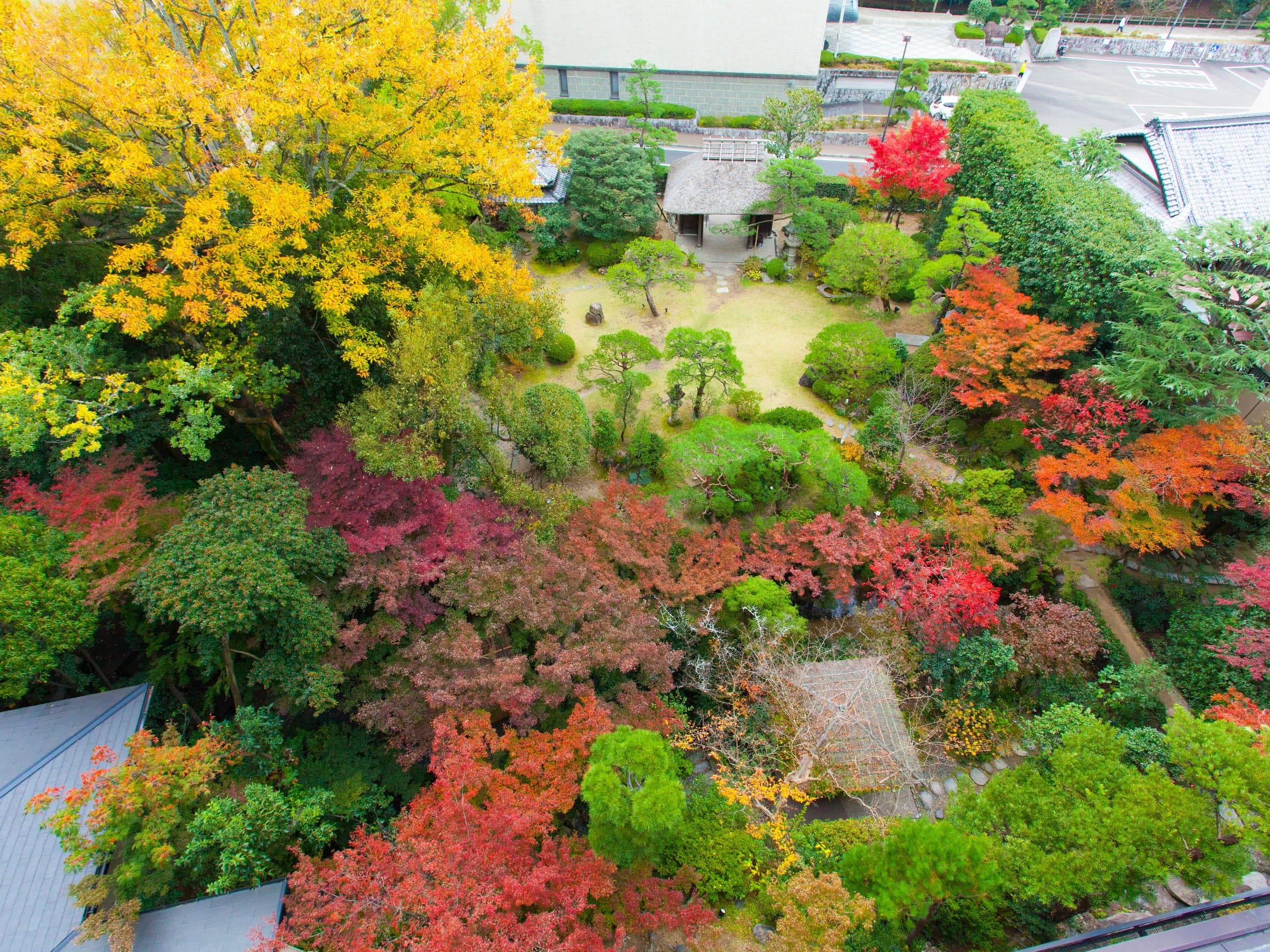
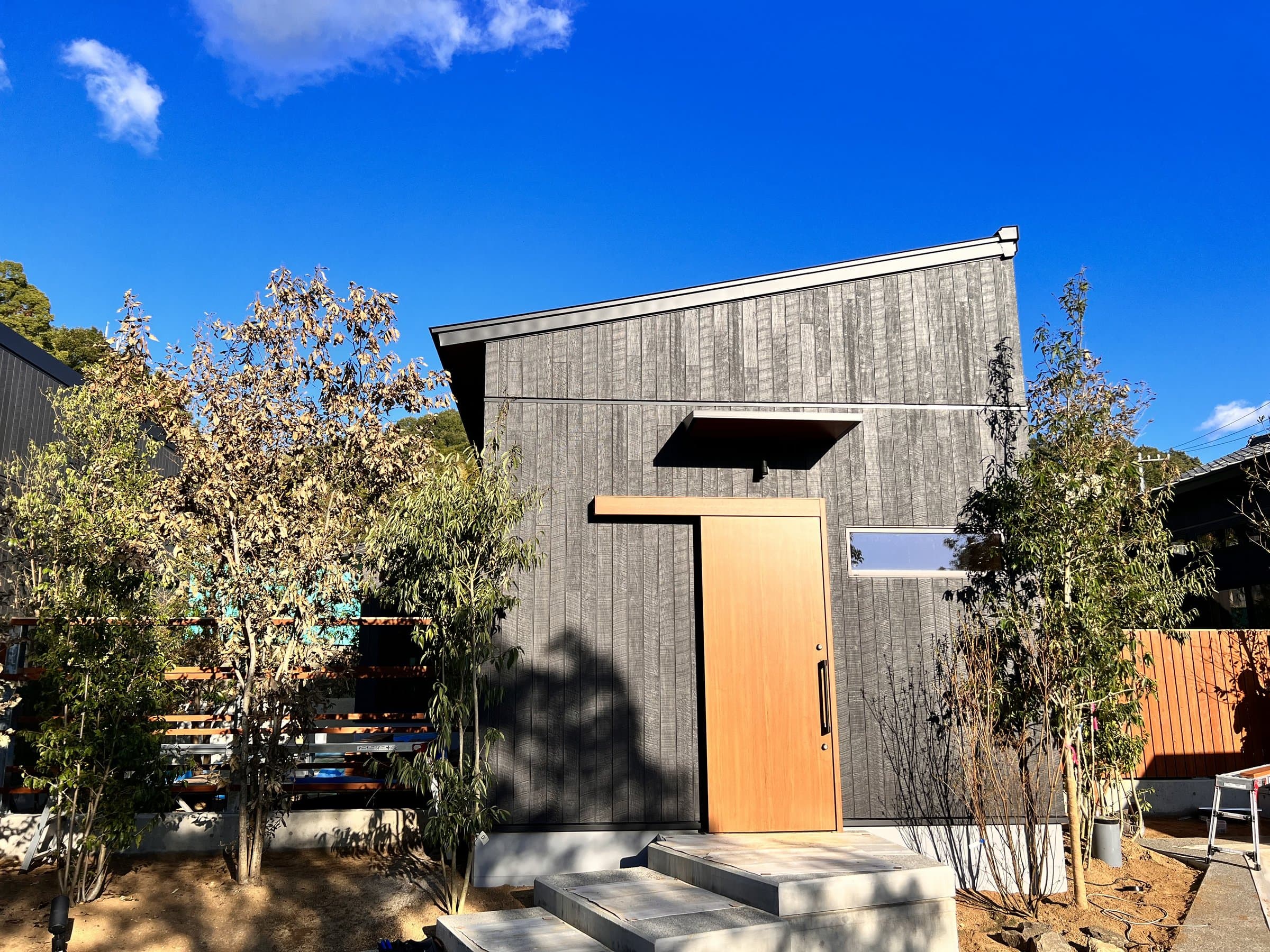
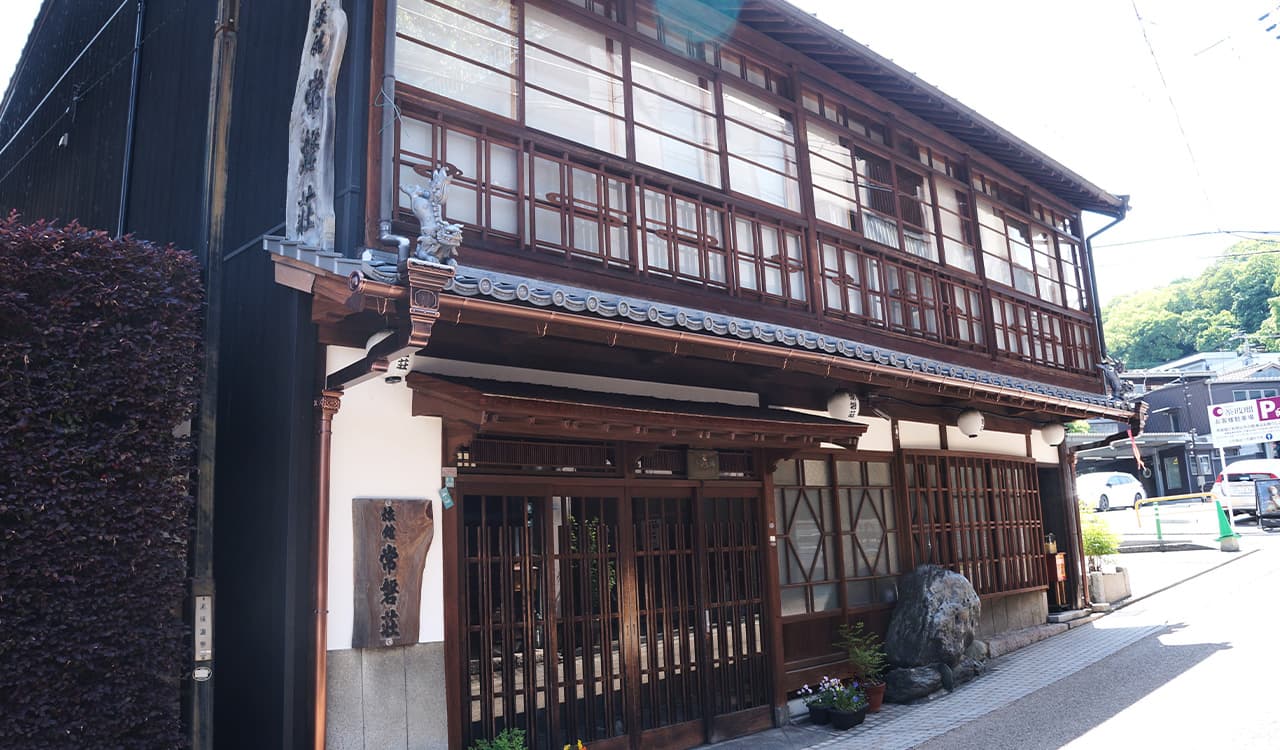
| $160起 | 9.6 116則評價 | 英語OK溫泉 | 在Trip.com預訂 | |
| $350起 | 9.6 14則評價 | 英語OK包租溫泉 | 在Trip.com預訂 | |
![]() Yamatoya Besso Dogo | $250起 | 9.1 43則評價 | 英語OK包租溫泉 | 在Trip.com預訂 |
![]() Dogo Miyu Dogo | $280起 | 9.4 10則評價 | 英語OK包租溫泉 | 在Trip.com預訂 |
![]() Dogokan Dogo | $200起 | 9.2 71則評價 | 英語OK包租溫泉 | 在Trip.com預訂 |
![]() Yamatoya Honten Dogo | $180起 | 9.5 141則評價 | 英語OK溫泉 | 在Trip.com預訂 |
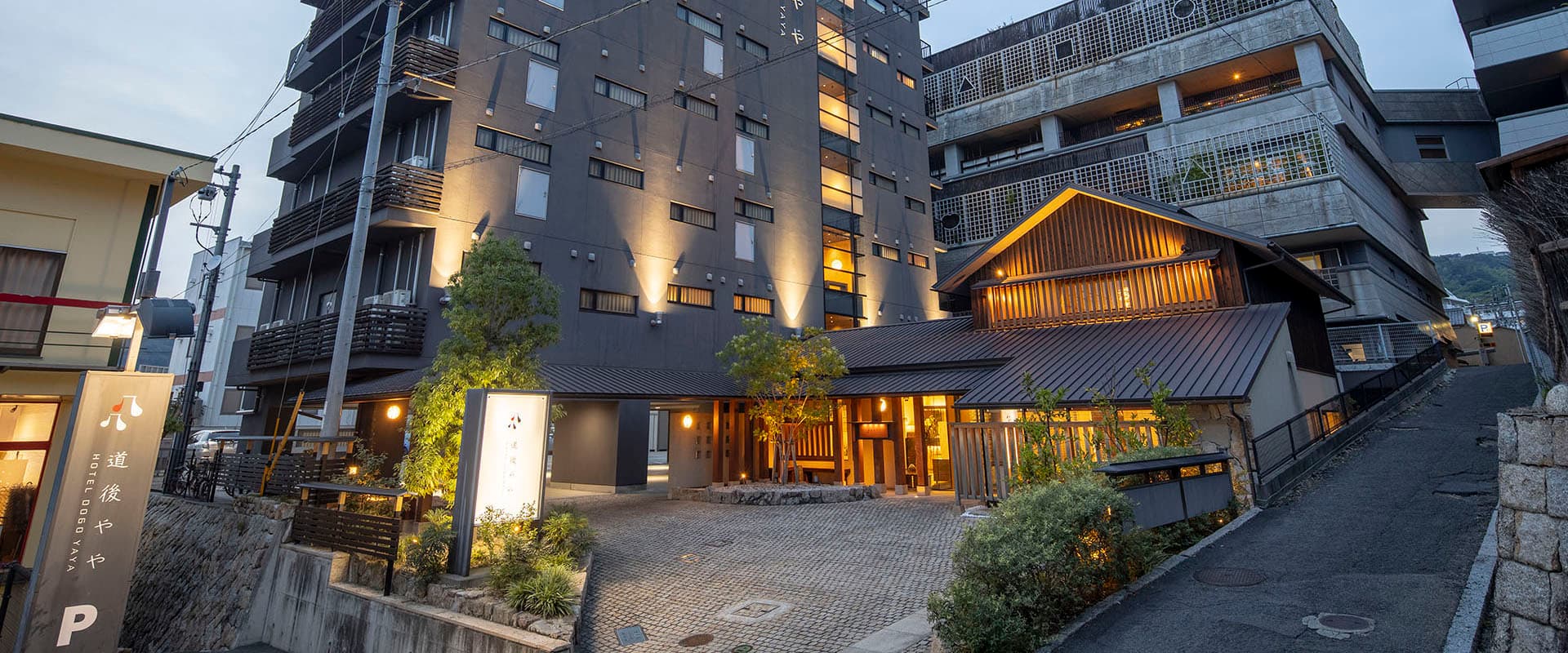
| $200起 | 9.2 88則評價 | 英語OK包租溫泉 | 在Trip.com預訂 | |
![]() Chaharu Dogo | $100起 | 8.5 66則評價 | 英語OK溫泉 | 在Trip.com預訂 |
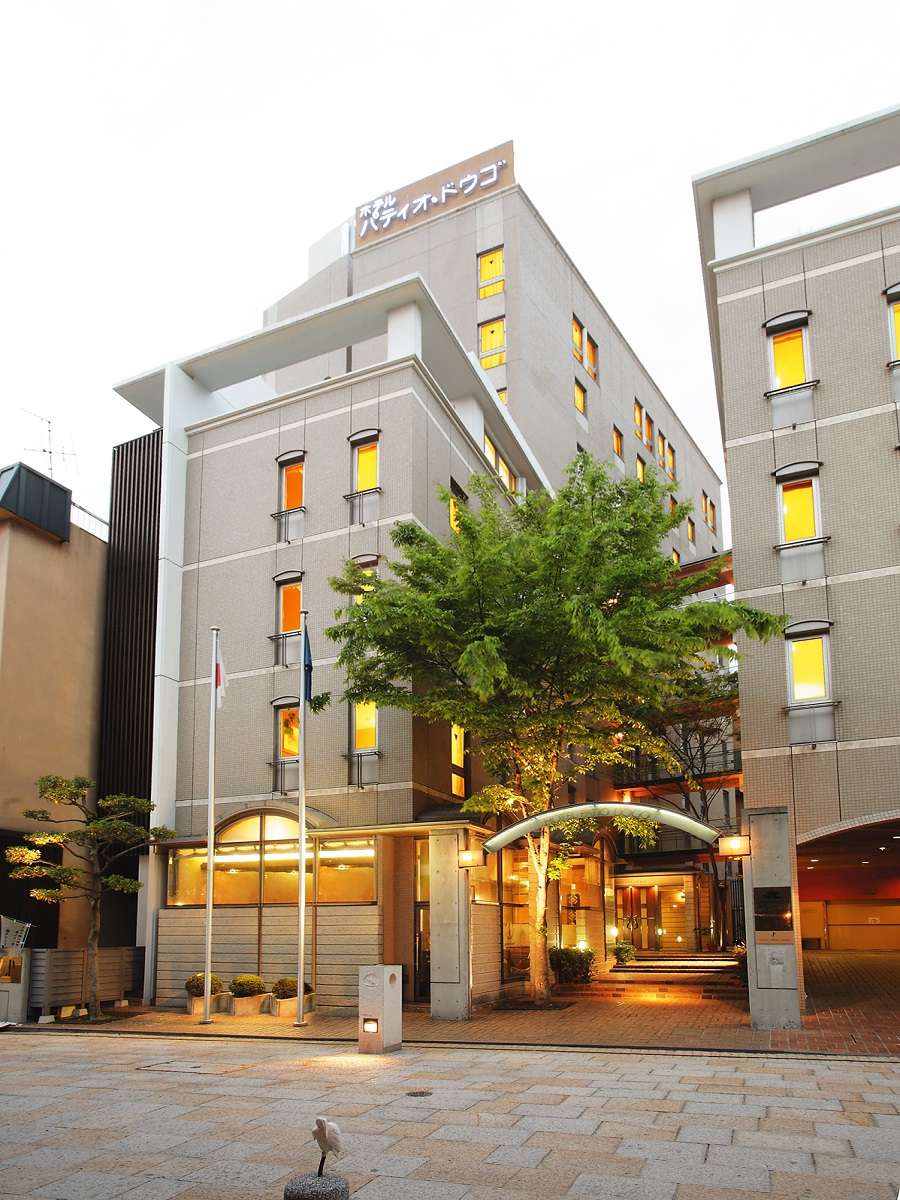
| $100起 | 9.6 361則評價 | 英語OK溫泉 | 在Trip.com預訂 | |
| $80起 | 9.0 39則評價 | 英語OK溫泉 | 在Trip.com預訂 |

Yamatoya Besso
Dogo

Dogo Miyu
Dogo

Dogokan
Dogo

Yamatoya Honten
Dogo

Chaharu
Dogo
顯示價格為每人每晚的起價(約值)。透過本站預訂,我們可能獲得佣金。
Japan recorded its first documented onsen in Dogo. The *Man'yoshu* poetry anthology of 759 CE and the *Kojiki* chronicle of 712 CE both name the spring at Dogo as among the oldest in the nation — a bathing tradition stretching back more than 3,000 years. That is the deepest documented hot-spring pedigree in the country, and it still runs beneath the same district in Matsuyama where you will be booking a room. Last verified: May 25, 2026.
At the center of this district stands the Dogo Onsen Honkan, a labyrinthine three-story wooden bathhouse built in 1894 during the Meiji era. It is the bathhouse Hayao Miyazaki of Studio Ghibli visited in 2001 and cited as the architectural inspiration for Yubaba's spirit-world bathhouse in *Spirited Away* (2001). It is also the only public bathhouse in Japan to have served an Emperor — the private Yushinden bath chamber built for Emperor Meiji in 1899 still stands, now accessible to the public for a ¥1,500 entry tier.
The Honkan closed in January 2020 for a major preservation project — a ¥3.2 billion structural renovation of the 130-year-old Meiji-era timber frame. The Dogo Onsen Honkan fully reopened on December 12, 2024. The renovation restored the original architecture while adding accessible ramps, expanded foreign-visitor facilities, and an English-language audio guide . Competitor articles have not updated to reflect this. We have.
For Soseki Natsume readers: his 1906 novel *Botchan* is set partly in Matsuyama, and the protagonist bathes at Dogo Onsen routinely. The tram line running from Matsuyama Station to Dogo Onsen today — the Botchan Ressha — is named after the character. For the full list of hotels in Dogo Onsen across price tiers, see our complete Dogo accommodations directory.

The best ryokan in Dogo Onsen is Funaya — founded 1627, Japan's Imperial Family and Natsume Soseki among its historical guests, a Noh-stage garden, and a two-minute walk to the Honkan. For total private-onsen luxury with every suite featuring its own rotenburo, Bettei Oborozukiyo is the most exclusive property in Dogo (19 suites, adults-only). For panoramic city views from a rooftop bath steps from the Honkan, Chaharu offers the best mid-range value. For every-room private outdoor bath at a 2018 opening, Dogo Miyu is the modern-luxury pick.
Tip
Disclosure: Japan Ryokan Guide earns a commission when you book through partner links. No ryokan paid to be included or ranked. Prices shown are per-room per-night, two people, half-board (dinner + breakfast), based on published rack rates as of May 2026.
Honkan Reopens 2024: What Changed After the 5-Year Renovation
The Dogo Onsen Honkan is fully open as of December 12, 2024. After a ¥3.2 billion preservation project spanning nearly five years, the 1894 Meiji-era wooden bathhouse has been structurally restored and upgraded for contemporary visitors .
Key changes introduced with the reopening:
- Full architectural restoration — the original cypress-and-timber Meiji frame, the three-story turret, and the Shinto-inspired decorative elements have been preserved in their pre-closure state. The building received no modern-aesthetic alteration. - Accessible ramps — new accessible pathways installed throughout for wheelchair users and guests with limited mobility. - Expanded foreign-visitor facilities — multilingual signage updated throughout; coin lockers added in the entrance lobby. - English-language audio guide — QR-code activated audio tour now available on personal smartphones, covering the bathhouse history, the Yushinden Imperial chamber, and the Meiji-era legacy connecting the building to Soseki Natsume's *Botchan*. - Increased non-bathing tour capacity — the upper-floor heritage tour (which includes the Yushinden viewing corridor) now runs more frequently and can be booked online. - No reservation required for standard bathing entry — the Honkan remains walk-in, daily from 6:00 AM to 11:00 PM.
Entry fees (post-renovation, verified May 2026): Day bath ¥460 (ground-floor Kami-no-Yu public bath) · ¥1,250 (includes upper-floor Bocchan-no-ma room and 2F corridor) · ¥1,500 (includes the Yushinden Imperial chamber viewing). Towel rental ¥50; towel purchase ¥200.
Tip
Best time to visit the Honkan: Early morning (6:00–8:00 AM) before tour groups arrive. The pre-dawn soaking atmosphere in the stone Kami-no-Yu bath — originally reserved for nobility — is the experience most guidebooks skip.
Quick-Compare: 15 Dogo Onsen Ryokans at a Glance
| # | Ryokan | Tier | From (USD) | Walk to Honkan | Best For |
|---|---|---|---|---|---|
| 1 | Funaya | Luxury ¥¥¥¥ | $160 | 2 min | Heritage + Imperial-guest legacy |
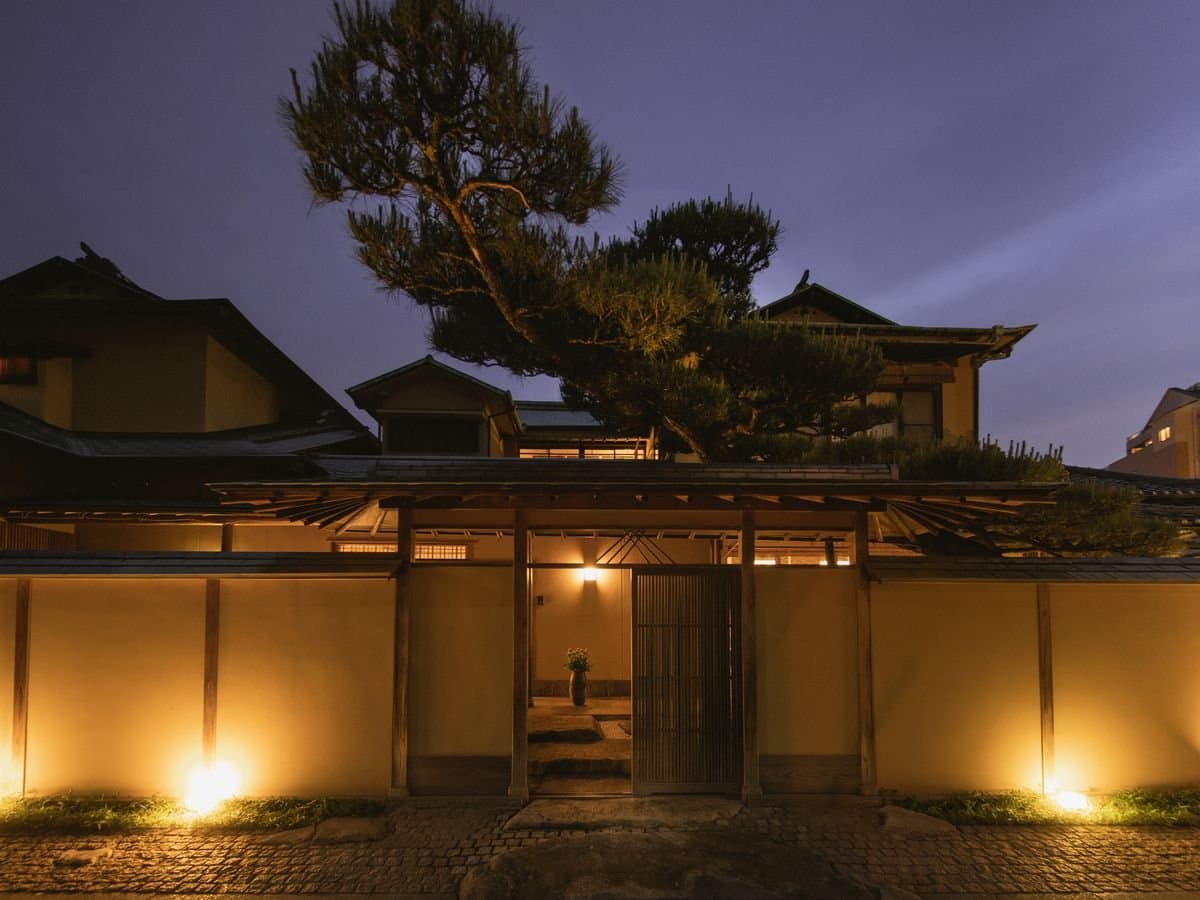
| 2 | Bettei Oborozukiyo | Ultra ¥¥¥¥¥ | $350 | 8 min | Private rotenburo every suite |
| 3 | Yamatoya Besso | Luxury ¥¥¥¥ | $250 | 5 min | Personal attendant + craft beer |
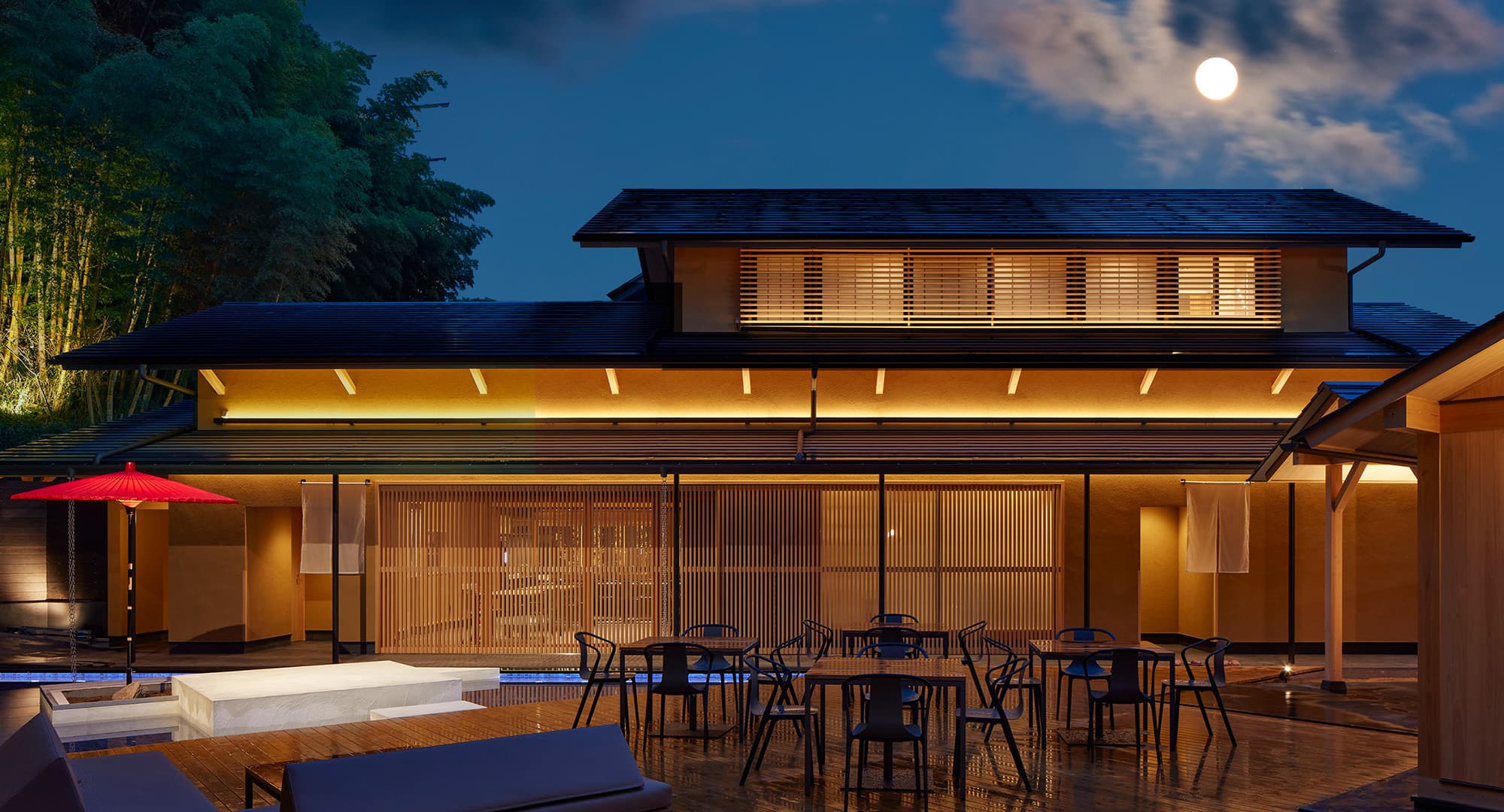
| 4 | Dogo Miyu | Luxury ¥¥¥¥ | $280 | 5 min | Every room private outdoor onsen |
| 5 | Dogokan | Luxury ¥¥¥ | $200 | 7 min | Kisho Kurokawa design + hilltop views |
| 6 | Yamatoya Honten | Luxury ¥¥¥ | $180 | 3 min | 1868 founding + in-house Noh stage |
| 7 | Yachiyo | Mid-Luxury ¥¥¥ | $200 | 7 min | All 34 rooms private open-air bath |
| 8 | Chaharu | Mid ¥¥ | $100 | 5 min | Rooftop panoramic bath + best value |
| 9 | Hotel Kowakuen Haruka | Mid ¥¥ | $100 | 1 min | Direct elevator to Honkan |
| 10 | Oku-Dogo Ichiyutei | Mid ¥¥ | $130 | 20 min | Forest onsen retreat, Oku-Dogo district |
| 11 | Seiryuso | Mid ¥¥ | $110 | 10 min | Quiet hillside + natural spring garden |
| 12 | Tarumi Honkan | Mid ¥¥ | $120 | 6 min | Family-run traditional inn near Honkan |
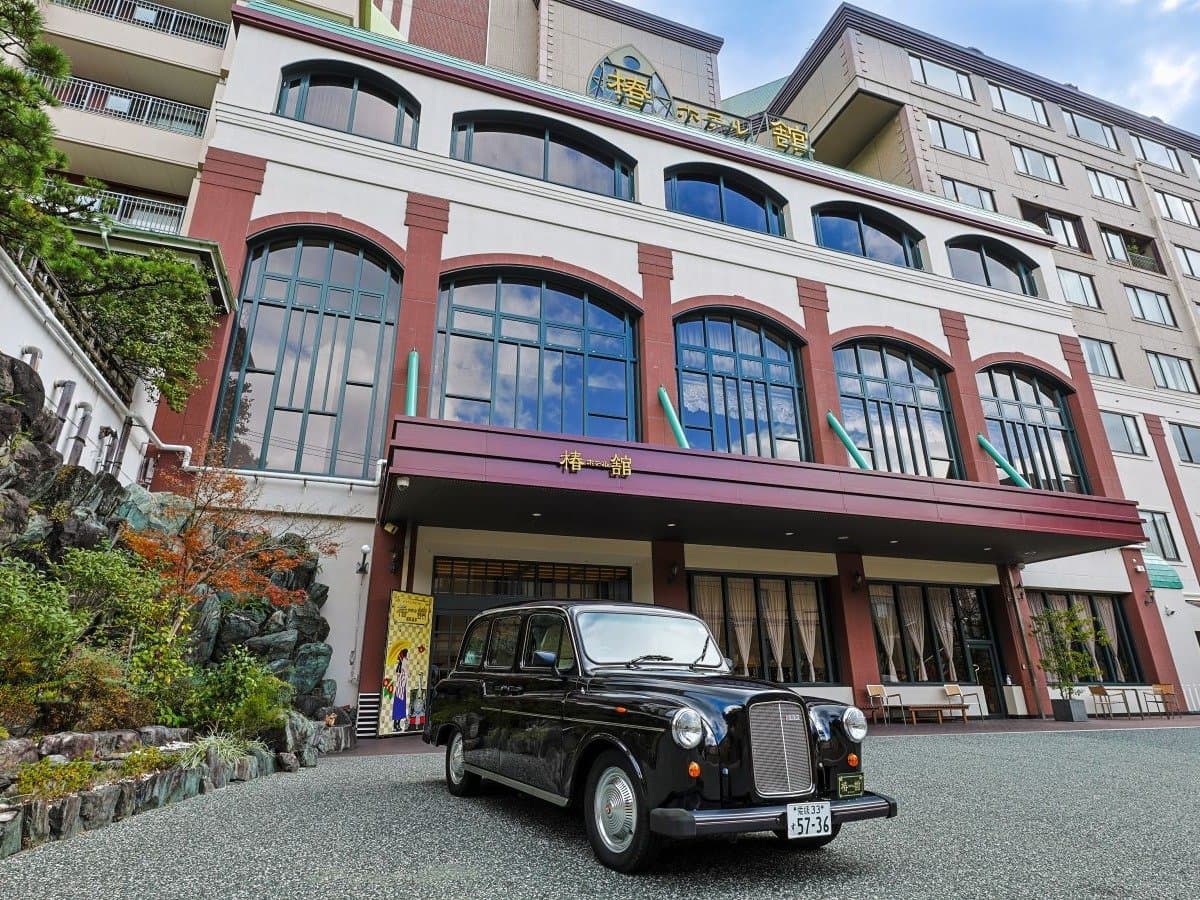
| 13 | Old England Dogo Yamanote Hotel | Budget-mid ¥–¥¥ | $80 | 4 min | British-Japanese heritage + budget value |
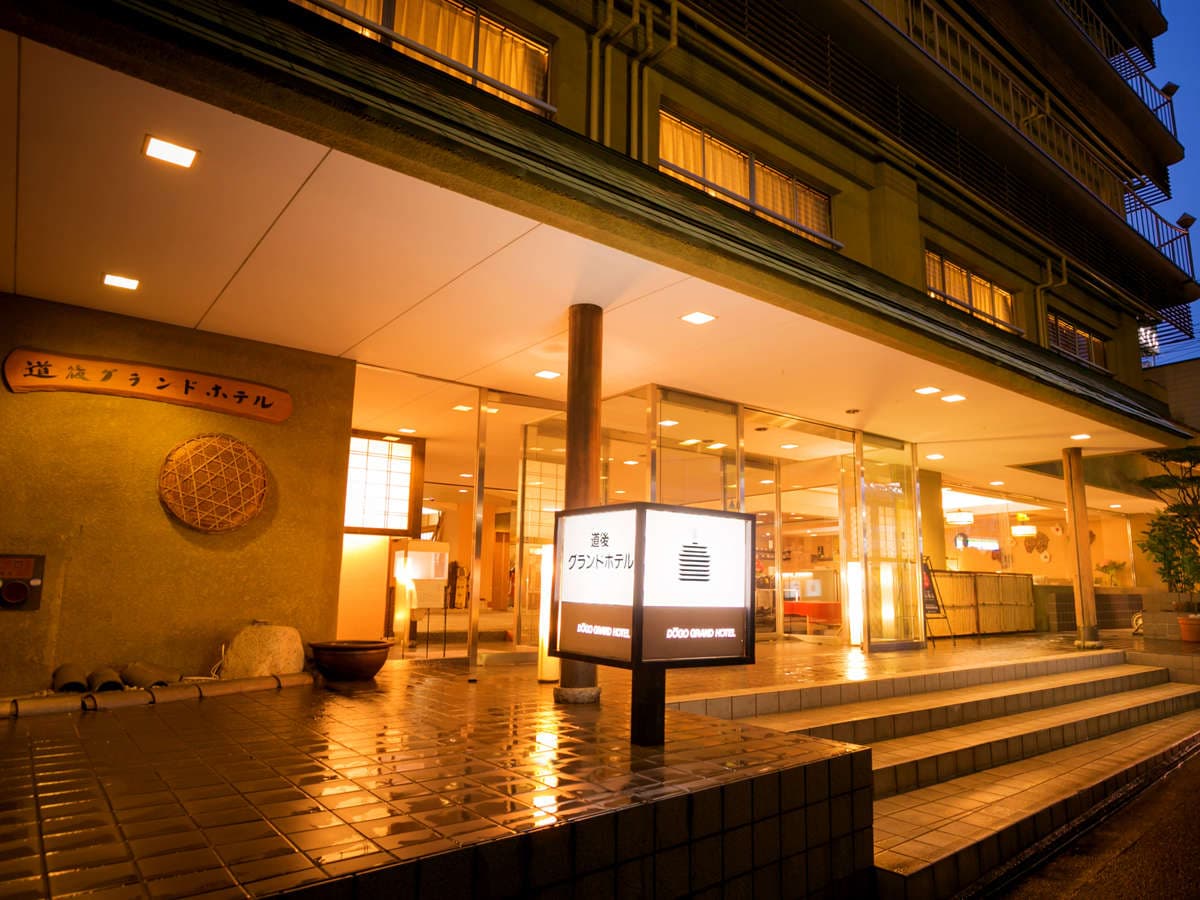
| 14 | Dogo Grand Hotel | Budget ¥ | $70 | 8 min | Large onsen facility + flexible meal plans |
| 15 | Dogo Onsen Imadabei | Budget ¥ | $65 | 5 min | Lowest price point with natural spring water |
How we verified these 15 ryokans
We screened every operating ryokan in the Dogo Onsen district against five criteria: proximity to the Honkan, in-house onsen quality, kaiseki strength highlighting Ehime and Setouchi seasonal ingredients, English-accessible booking, and value at each tier. Fifteen properties cleared the bar across four price tiers.
No ryokan paid to be included. Properties are drawn from our database of 224 vetted ryokans across 25 onsen destinations in Japan. Prices shown are per-room per-night, two people, half-board (dinner + breakfast), May 2026 rack rates. For broader context on what ryokan pricing covers nationally, see how much does a ryokan cost in 2026.
1. Funaya — Best for heritage prestige and Imperial-guest legacy
Best for Travelers who want the most historically weighted ryokan in Dogo — Imperial-family visits, literary connections, and a Noh stage in the garden. ¥¥¥¥
At a glance 58 rooms · ~$160–$450 USD · Founded 1627 · 2-min walk to Honkan · Garden with stream and Noh stage.
- Founded in the Edo period (1627); nearly 400 years of continuous hospitality - Japan's Imperial Family among historical guests; Natsume Soseki's *Botchan* characters bathed at the adjacent Honkan during his Matsuyama period - 100% natural free-flowing spring water onsen baths — undiluted, alkaline, silky texture - Kaiseki showcases Ehime's Setouchi seafood: sea bream (tai), oysters, and seasonal mountain vegetables - English-speaking front desk staff; Western-friendly amenities - Tattoo policy: private baths available on request
Funaya's gardens are the finest in the Dogo district — a meandering stream, stepping stones, and the Noh stage used for seasonal performances. From the garden, the Honkan's Meiji-era turret is visible over the rooftops: a two-minute walk that summarizes the whole Dogo experience. The public baths are fed by undiluted spring water at the temperature the ground produces it, giving the water a silky-alkaline texture distinct from diluted baths in larger facilities.
Honest trade-off: The heritage rooms skew traditionally Japanese; guests seeking contemporary design or in-room private baths should look at Bettei Oborozukiyo or Yamatoya Besso instead.
2. Bettei Oborozukiyo — Best for private rotenburo in every suite
Best for Couples on a milestone trip — or anyone for whom total privacy and in-room outdoor soaking is non-negotiable. ¥¥¥¥¥
At a glance 19 suites · ~$350–$800 USD · Adults-only · 8-min walk to Honkan · Every suite: private rotenburo + terrace + massage chair.
- Every one of 19 suites features a private open-air hot spring bath, wooden terrace deck, and massage chair - Adults-only property — strictly maintained - Seasonal kaiseki with Ehime-sourced ingredients; sake pairing options - Eight-minute walk to the Honkan is the longest on this list — and completely irrelevant once you're in your suite's rotenburo - Booking often requires phone or Japanese-language reservations; plan 3–6 months ahead
This is the most exclusive address in Dogo. Nineteen individually designed suites means no two rooms are identical, and the privacy ratio approaches the level of ultra-ryokan hospitality that usually requires a Kyoto address. If you're combining a Kyoto ryokan stay with Dogo, Oborozukiyo is the appropriate prestige equivalent on the Shikoku end.
Honest trade-off: No public communal baths on-site; the experience centers entirely on the in-suite rotenburo. For guests who want the sociable public-bath culture of Dogo, Funaya or Yamatoya Honten serves better.
3. Yamatoya Besso — Best for personal attendant service and intimate scale
Best for Guests who want the full omotenashi attendant experience — a dedicated room server throughout your stay — at a mid-luxury scale. ¥¥¥¥
At a glance 19 rooms · ~$250–$650 USD · 5-min walk to Honkan · Personal attendant per room · Craft beer on tap included.
- Dedicated room attendant assigned per guest room for the full stay — a rare luxury tier most ryokans only offer at the ultra end - Private open-air hot spring baths in select room categories - Complimentary craft beer on tap — a signature detail that surprises guests - Elegant Japanese rooms; spacious compared to historic buildings nearby - 19 rooms keeps the property intimate and staff ratios high
Yamatoya Besso's genius is scale. At 19 rooms with one attendant per room, it delivers an experience that would cost double at a Tokyo or Kyoto equivalent. The craft beer on tap is genuinely waiting for you in the room. The kaiseki emphasizes the Setouchi sea route's premium ingredients, especially the tai sea bream for which Ehime Prefecture is nationally famous.
Honest trade-off: The walk to the Honkan is five minutes — manageable, but slightly removed from the immediate Honkan-district atmosphere of Funaya or Yamatoya Honten.
4. Dogo Miyu — Best for every-room private outdoor onsen (opened 2018)
Best for Travelers who want a private outdoor onsen on their own terrace, modern interiors, and panoramic city views without the ultra-luxury price tag. ¥¥¥¥
At a glance 30 rooms · ~$280–$600 USD · Opened 2018 · 5-min walk to Honkan · All 30 rooms: private open-air onsen bath.
- Every single room features a private open-air onsen bath on the terrace — rare at this scale - Top-floor large scenic bath with panoramic views of Matsuyama City and surrounding mountains - Modern Japanese design with tatami floors and contemporary fittings - Elevated hillside position gives all rooms city views - Newest full-ryokan opening in the Dogo core district (2018)
Miyu was designed from the ground up around the private-onsen concept — plumbing, terrace dimensions, and sight-lines all serve that purpose rather than being retrofitted. The panoramic top-floor common bath is worth using even if you have a private bath below: the view of Matsuyama city at dusk, with the castle on its hill to the northwest, is distinct from anything inside the Honkan.
Honest trade-off: Modern design lacks the historical patina of Funaya or Yamatoya Honten; for Meiji-era atmosphere, look elsewhere.
5. Dogokan — Best for Kisho Kurokawa architecture and resort-scale bathing
Best for Architecture enthusiasts and guests who want the widest variety of bathing options under one roof — including a hilltop rotenburo with castle views. ¥¥¥
At a glance 90 rooms · ~$200–$500 USD · Designed by Kisho Kurokawa · 7-min walk to Honkan · Cascading baths, jacuzzi, sauna, rooftop rotenburo.
- Designed by the internationally acclaimed Metabolist architect Kisho Kurokawa, whose buildings appear in cities worldwide - Extensive onsen complex: cascading baths, reclining baths, sauna, jacuzzi, and large outdoor rooftop rotenburo - Nine 7th-floor rooms each with unique garden private open-air baths - 90-room scale means facilities are resort-level without the intimacy loss of a business hotel - Kaiseki highlights Ehime seasonal ingredients; alternative Western menu available
Dogokan sits on a slight hill above the Honkan district — seven minutes down on foot. The architectural USP is genuine: Kurokawa's Metabolism aesthetic, with its modular geometric forms, gives the building a look unlike any other ryokan in Japan. For guests who appreciate design pedigree alongside an impressive onsen facility, this is the only property in Dogo that delivers both.
Honest trade-off: Scale works against intimacy — 90 rooms means hotel-wide corridors, especially at check-in peaks. Not the place for a quiet retreat.
6. Yamatoya Honten — Best for Meiji heritage and in-house Noh theater
Best for First-time ryokan guests who want a comprehensive traditional experience: wide onsen variety, classical performance culture, and three-minute Honkan access. ¥¥¥
At a glance 90 rooms · ~$180–$380 USD · Founded 1868 · 3-min walk to Honkan · In-house Noh stage (seasonal performances).
- Founded in the first year of the Meiji era (1868); 157 years of operation - The only ryokan in Dogo with its own full-scale Noh theater stage; seasonal performances held for guests - Extensive public baths drawing from the Dogo alkaline spring water source - Rooms in both Japanese and Western styles — practical for guests not accustomed to futon floor sleeping - Three-minute walk to the Honkan; one of the three best-positioned properties on this list - Kaiseki emphasizes Setouchi seafood including Ehime-farmed yellowtail and seasonal mountain vegetables
Yamatoya Honten best captures the full breadth of Dogo cultural heritage without requiring a top-tier budget. The Noh performances — even partial or rehearsal sessions — are not tourism props; they are practiced on the stage regularly. Book a room facing the garden side of the property if available.
Honest trade-off: At 90 rooms, the experience is comfortable rather than intimate. Private baths are not available in standard room categories.
7. Dogo Onsen Yachiyo — Best for all-room private outdoor bath at mid-luxury
Best for Guests who want every-room private open-air onsen at mid-luxury pricing, plus in-room kaiseki dining delivered to the room. ¥¥¥
At a glance 34 rooms · ~$200–$400 USD · Opened 2018 · 7-min walk to Honkan · All rooms: private open-air bath + in-room kaiseki option.
- All 34 rooms feature private open-air onsen baths on their terrace - In-room kaiseki dining option — courses brought and served in-room rather than a shared dining hall - Modern Japanese interiors with tatami floors and spacious layouts - Hillside position gives most rooms elevated views - 2018 opening; contemporary facilities throughout
Yachiyo and Dogo Miyu are Dogo's two modern all-private-bath properties from 2018. Yachiyo is the better pick if in-room kaiseki dining is the priority — the logistics of having courses arrive on a tray rather than eating communally can make the difference on a slow, rainy Dogo evening. The terrace baths are purpose-built to room dimensions rather than retrofitted.
Honest trade-off: Seven-minute walk to the Honkan; hillside position means the return is uphill.
8. Chaharu — Best for rooftop panoramic bath and mid-range value
Best for Mid-range travelers who want the most dramatic onsen view in Dogo — Chaharu's 10th-floor open-air bath overlooks Matsuyama Castle — without the luxury-tier price. ¥¥
At a glance 66 rooms · ~$100–$280 USD · 5-min walk to Honkan · 10th-floor rooftop open-air bath · First in Dogo to feature rooftop open-air onsen.
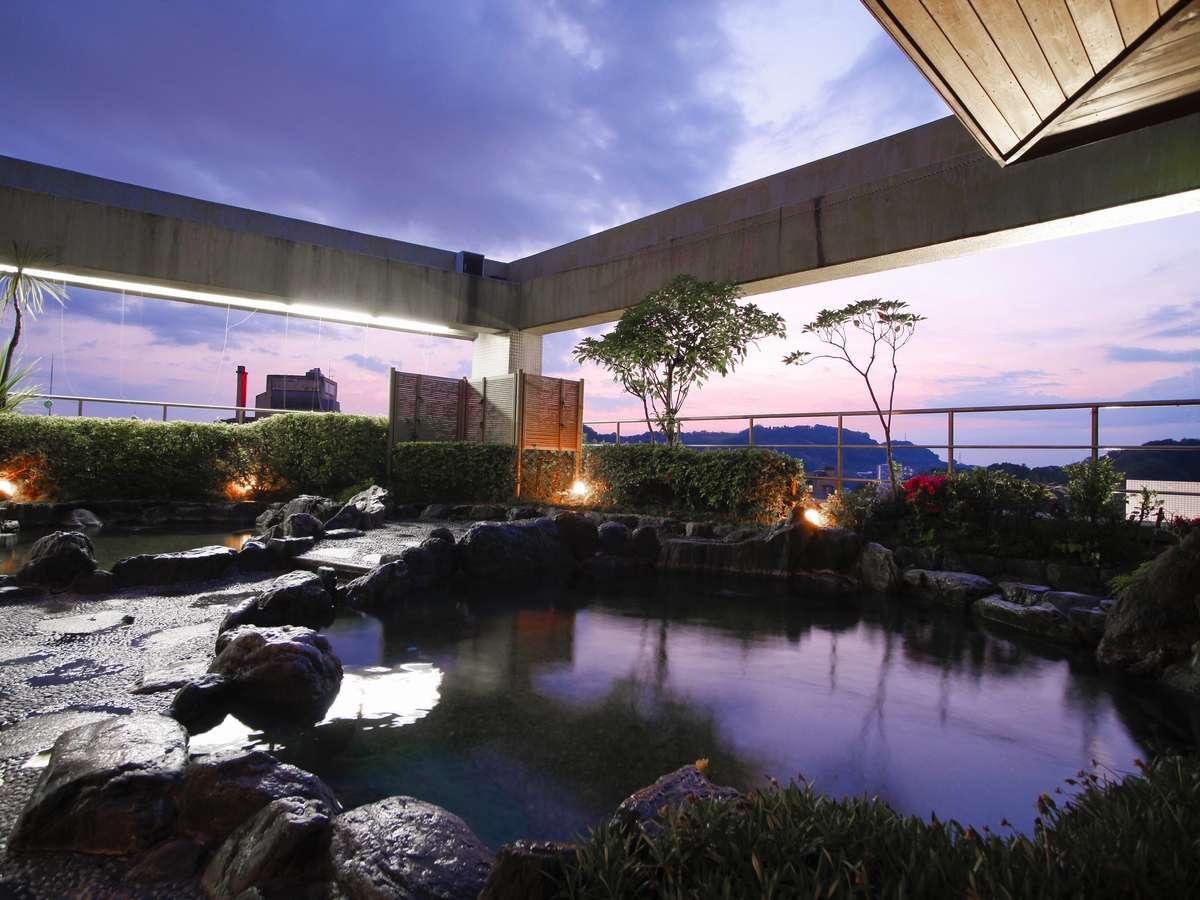
- Chaharu was the first ryokan in Dogo to introduce a rooftop open-air bath — the 10th-floor rotenburo has 270-degree views of Matsuyama City and the castle - 66 rooms across four categories, from standard Japanese rooms to western-bed options - Tea-ceremony aesthetic influences the interior design - Five-minute walk to the Honkan through the covered shotengai shopping arcade - Reliable English-language staff; popular with international visitors
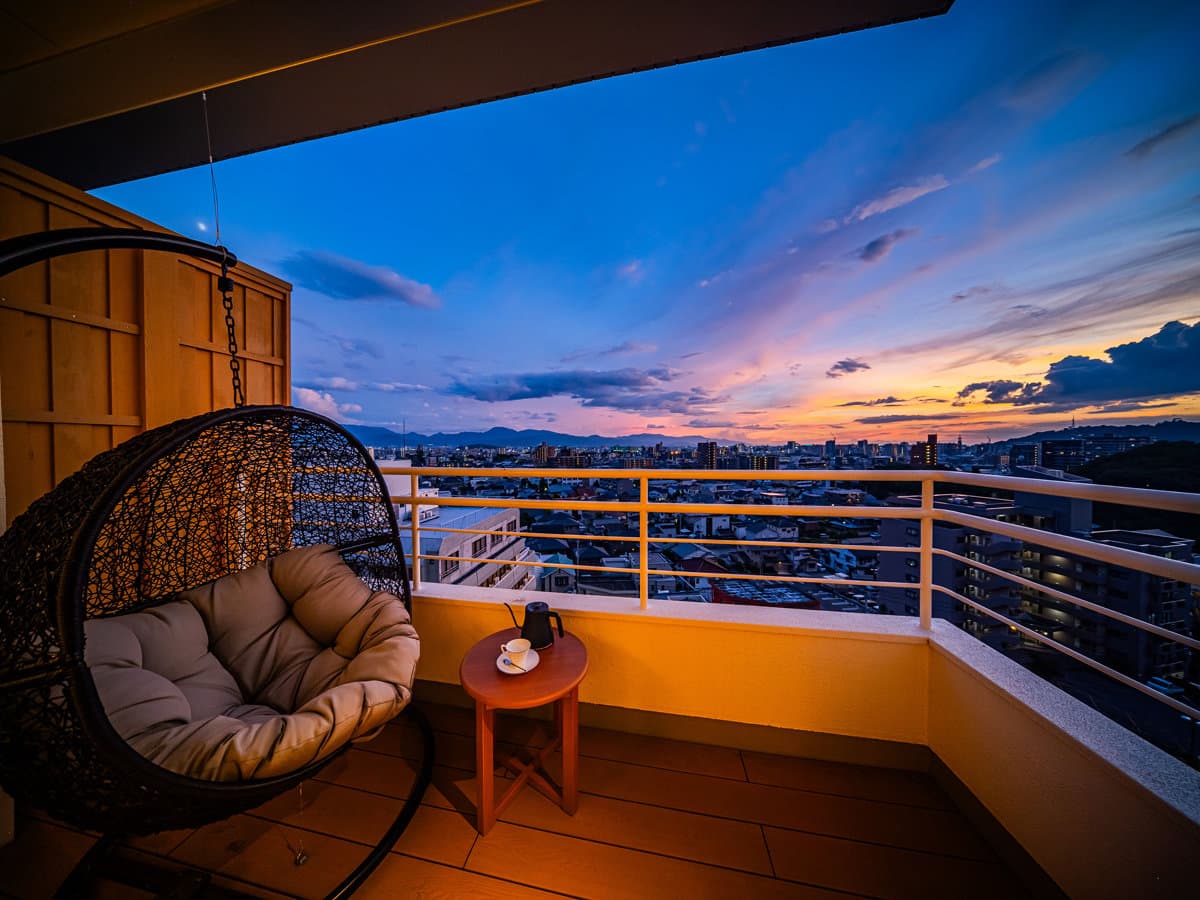
Chaharu is the best mid-range pick in Dogo for a single reason: that rooftop bath. Just before sunset, looking northwest toward Matsuyama Castle with the city spreading below — it is as good an onsen view as Dogo produces. The in-house baths and kaiseki are competent; the Honkan proximity and rooftop experience carry the stay.
Honest trade-off: In-house baths (excluding the rooftop) are standard hotel-onsen quality. Guests who want exceptional in-house bathing should choose Funaya or Dogokan.
9. Hotel Kowakuen Haruka — Best for proximity (direct elevator to Honkan)
Best for Guests for whom physical proximity to the Honkan is the priority — including those with limited mobility who want direct covered access. ¥¥
At a glance 84 rooms · ~$100–$300 USD · Rebuilt 2019 · 1-min to Honkan via private elevator · Eco-conscious design.
- Uniquely connected to the Dogo Onsen Honkan via a private hotel-operated elevator — the only property in Dogo with direct covered access - Rebuilt in 2019 with eco-conscious design principles - Top-floor panoramic bath with views north toward the Seto Inland Sea on clear days - 84 rooms; hotel-ryokan hybrid quality - Accessible-design emphasis throughout; good choice for guests with mobility considerations
The elevator connection to the Honkan is genuinely useful rather than a gimmick — on a rainy Dogo evening, walking to the 1894 bathhouse without stepping outside is a practical advantage no other property can match. The 2019 rebuild means facilities are fresh. For guests who want the Honkan experience maximized — bathing there before the crowds, returning via the elevator — this is the logistics-optimal pick.
Honest trade-off: The property is hotel-scale rather than intimate-ryokan; the experience is closer to a design hotel with onsen access than traditional ryokan atmosphere.
10. Oku-Dogo Ichiyutei — Best for forest onsen retreat away from the crowds
Best for Travelers who want the Dogo area but with forest-setting tranquility — Oku-Dogo's separate district offers a completely different atmosphere from the town center. ¥¥
At a glance ~$130–$350 USD · Oku-Dogo district · 20-min from Honkan by taxi · Forest-setting hot spring · River-side outdoor baths.
- Located in the Oku-Dogo (inner Dogo) district, a separate hot-spring area with its own source water distinct from the main Dogo spring - River-facing outdoor baths in a forested valley setting; completely different environment from town-center Honkan district - Onsen water from the Oku-Dogo source has slightly different mineral composition — higher sulfur notes — from the main Dogo spring - Best for guests combining the Honkan visit with a forest-retreat night; taxi required to reach the Honkan - Significantly quieter and less crowded than town-center properties
Oku-Dogo is Dogo's answer to a two-spring itinerary — town-center night for Honkan access, forest-district night for mountain-onsen atmosphere. Compare with our best ryokans in Arima guide and the Arima onsen area inventory for how spring-district contrasts work in Japan's onsen culture. For Japan's full onsen geography, see Japan onsen by region.
Honest trade-off: The Honkan visit requires planning rather than spontaneity; yukata walks are not possible from this distance.
11. Seiryuso — Best for hillside quiet and natural spring garden setting
Best for Guests who want a traditional family-run inn atmosphere, a natural garden setting, and the Honkan within walking distance without paying luxury rates. ¥¥
At a glance ~$110–$260 USD · 10-min walk to Honkan · Traditional Japanese garden · Family-run operation.
- Family-run traditional ryokan on a quiet hillside in the Dogo district - Natural Japanese garden with stone lanterns and seasonal plantings - In-house baths draw from the Dogo alkaline source - Kaiseki meals emphasizing local Ehime ingredients - Ten-minute walk to the Honkan through the shotengai arcade and main street
Seiryuso wins on atmosphere rather than facilities — a family-run place where the okami greets guests personally and the garden changes with each season. The spring-water quality and garden setting compensate for the modest onsen scale. For the onsen etiquette basics applicable to all public-bath visits, that guide is worth reading before your first Honkan soak.
Honest trade-off: Facilities are traditional rather than modern; no private baths, no rooftop views.
12. Tarumi Honkan — Best for traditional family-run feel near the Honkan
Best for Travelers who want a genuinely local ryokan experience — not a hotel that calls itself a ryokan — at a mid-range price point. ¥¥
At a glance ~$120–$280 USD · 6-min walk to Honkan · Family-run traditional style · Dogo spring water baths.
- Traditional family-run ryokan in the Dogo district with authentic omotenashi hospitality - Baths draw from the Dogo alkaline spring source; small but well-maintained - Kaiseki meals with Ehime-sourced ingredients served in traditional room style - Six-minute walk to the Honkan via the covered shopping arcade - Lower room count than large-scale properties means more personalized service
Tarumi Honkan represents the mid-tier that makes Dogo Onsen accessible for travelers who want the cultural experience without the luxury-tier commitment. This is the type of property where the okami personally explains which Honkan entry tier to choose and when to go for the lightest crowds — the local knowledge a large-scale hotel front desk rarely offers.
Honest trade-off: Facilities are modest; this is a mid-range traditional inn, not a design property or modern luxury build.
13. Old England Dogo Yamanote Hotel — Best for budget-mid with British-Japanese heritage
Best for Budget-conscious travelers who want natural Dogo onsen water and the historic Honkan within four minutes, with the quirky bonus of a British-themed interior. ¥
At a glance 73 rooms · ~$80–$180 USD · Established 1885 · 4-min walk to Honkan · Western-style rooms + Dogo hot spring baths.
- Originally founded as Kawakichi Ryokan in 1885 — one of the older operating establishments in Dogo - All guest rooms are Western-style with beds rather than futon floors — practical for guests not comfortable with floor sleeping - Natural hot spring facilities drawing from the Dogo source - British colonial aesthetic in public areas: a historical curiosity from Meiji-era Japanophilia - Four-minute walk to the Honkan; genuinely convenient location
The British theme is less curated interior design and more historical inheritance — the Meiji era's enthusiasm for Western aesthetics produced genuinely strange property combinations in Japanese spa towns. At Yamanote Hotel, this means British club furniture alongside Japanese ofuro baths. For budget travelers the value is strong: natural Dogo spring water, genuine proximity, and an international atmosphere. If you're a first-time ryokan visitor, our first-time ryokan guide covers everything to expect.
Honest trade-off: The least traditionally Japanese property on this list. Guests seeking authentic ryokan atmosphere should go mid-range instead.
14. Dogo Grand Hotel — Best for budget with large onsen facility access
Best for Budget travelers who want access to a proper large-scale onsen facility and the Honkan close enough to walk, without kaiseki requirements. ¥
At a glance ~$70–$160 USD · 8-min walk to Honkan · Large onsen baths · Dinner/breakfast optional add-on plans.
- Larger-scale onsen hotel with extensive communal bath facilities drawing from the Dogo spring source - Dinner and breakfast available as optional add-on plan — more flexible than the full-board kaiseki requirement at most ryokans - Eight-minute walk to the Honkan along the main Dogo shopping street - Good base for day-trippers who want a ryokan-adjacent experience without full kaiseki commitment - English booking access via international platforms
Dogo Grand Hotel is the practical pick for travelers whose Dogo visit is one night in a Shikoku itinerary — Matsuyama Castle in the morning, Honkan in the evening, move on the next day. The flexible meal plans mean you can book dinner only, try the Honkan's public bath, and keep costs manageable. See day use ryokan in Japan for options if you want to experience the onsen without an overnight stay.
Honest trade-off: Hotel-scale rather than ryokan atmosphere; no kaiseki-quality dining included.
15. Dogo Onsen Imadabei — Best for budget no-frills base near the Honkan
Best for Budget travelers who simply want a clean, friendly base five minutes from the Honkan, with natural spring water access and no complications. ¥
At a glance ~$65–$140 USD · 5-min walk to Honkan · Small scale · Natural Dogo onsen water · Friendly local atmosphere.
- Small family-run ryokan a five-minute walk from the Honkan - Natural Dogo spring water baths; small but genuine in-house facility - Breakfast typically included; dinner optional - Lowest entry price point on this list for natural Dogo onsen water access - English booking access via international platforms
Imadabei is the honest choice for budget travelers who understand that the Dogo Onsen Honkan — now fully restored and reopened — is itself the bathing centerpiece. You don't need an elaborate in-house onsen if you're spending your evening in the 1894 Meiji bathhouse. Optimize for location and price; spend the money on the ¥1,500 Yushinden-tier Honkan entry, not on room amenities. For a broader budget planning framework, see budget ryokan tips.
Honest trade-off: No luxury amenities, limited English support at the property itself. Bring Japanese-language screenshots of your reservation details.
Spirited Away: Dogo Onsen's Connection to Studio Ghibli
No English-language article covers this with sufficient depth, so here it is in full.
Hayao Miyazaki, the Studio Ghibli director, visited Dogo Onsen in 2001 while *Spirited Away* (千と千尋の神隠し, *Sen to Chihiro no Kamikakushi*) was in late production. In his own accounts and in the published histories of the film, Miyazaki cited the Honkan's architecture as a key visual reference for Yubaba's bathhouse — the labyrinthine, multi-story wooden structure where the protagonist Chihiro works among spirits. The three-story turret, the latticed windows, the elevated wooden corridors, and the sense of a building that has been added onto over centuries by no particular plan — all of this is present in both the Honkan and in the film's bathhouse.
The connection is not a Japan Tourism Agency marketing claim; it is documented in Ghibli's own production materials and in Miyazaki's published interviews. The Honkan was already 107 years old when Miyazaki visited in 2001. The wooden staircase structure, the exterior tower with its shachihoko fish-dragon roof ornaments, and the sense of the building as a living organism rather than a designed object — these are the architectural qualities that translate directly to the *Spirited Away* setting.
It is worth noting that Miyazaki himself has said no single real-world location was the sole model for Yubaba's bathhouse — Ghibli's approach to backgrounds is compositional, drawing from multiple sources. The Ginzan Onsen Fujiya in Yamagata and the Jiufen village in Taiwan have also been cited as visual references. But Dogo Onsen Honkan is the one visitors recognize immediately upon arrival — the turret, the lanterns, the wooden floors — and the one Miyazaki named most directly in relation to the film.
If you are a *Spirited Away* fan visiting Dogo, the early-morning Kami-no-Yu (upper-class bath, now the ¥1,500 Yushinden tier) gives you the closest approximation to the film's bathing atmosphere: stone floors, wooden columns, few other visitors, and the sense of soaking in water that emperors and literary ghosts used before you. The Ghibli connection is real. The 3,000-year bathing tradition is realer.
The Imperial Bath Chamber: Yushinden Access Guide
Most travelers visiting Dogo Onsen do not know the Imperial bath chamber is accessible to the public. It is. Here is what you need to know.
The Yushinden (又新殿) was constructed in 1899 specifically for Emperor Meiji's visit to Dogo Onsen. It is a private bath chamber on the upper floor of the Honkan, connected to the main building but sealed from the public bathrooms. After the Emperor's visit, the chamber was preserved as-is, still fitted with Meiji-era imperial furnishings, lacquerwork, and the original stone bath the Emperor used.
Post-renovation (December 2024), the Yushinden access has been updated:
- ¥1,500 entry includes the Yushinden viewing corridor and the Tama-no-Yu (upstairs communal bath, historically used by the samurai class) - No advance reservation required — walk-in, same as the standard bath entry - No bathing in the Yushinden itself — it is preserved as a heritage room. You view the chamber and the imperial furnishings through a corridor viewing area - Photography permitted in the viewing corridor (not inside the chamber) - English audio guide available via QR code explains the chamber's history and the specific ritual of imperial onsen visits in Meiji Japan
The Yushinden is the most historically dense room accessible to foreign visitors at any public onsen in Japan. Dogo has been an imperial bathing site since at least Emperor Shotoku (574–622 CE), but the Yushinden is the physical room — with the original bath still in place — where the chain of imperial patronage ends with a specific named emperor who visited in 1899. That is more than 1,300 years of imperial bathing tradition compressed into one preserved stone tub.

How to Choose: Dogo Ryokan by Trip Purpose
Cultural pilgrimage (Honkan-first): Hotel Kowakuen Haruka for the direct elevator connection; Funaya for proximity and heritage weight; Yamatoya Honten for the widest traditional experience at a middle price point.
Imperial heritage and Spirited Away depth: Funaya — close enough to walk to the Yushinden viewing and the Kami-no-Yu bath at the ¥1,500 tier, with its own Imperial-family guest history dating to the Meiji era.
Private rotenburo priority: Bettei Oborozukiyo — every suite, adults-only, highest grade. Yamatoya Besso for the personal attendant plus select private-bath rooms. Dogo Miyu or Yachiyo for every-room private outdoor onsen at a lower entry price.
Kaiseki dining focus: Funaya for Setouchi seafood at the luxury end; Yamatoya Honten for a full traditional kaiseki at mid-luxury; Chaharu for capable kaiseki at mid-range. See our complete kaiseki guide for what each course involves.
Architecture and design: Dogokan — Kisho Kurokawa Metabolism, the only globally acclaimed modern architect with a ryokan in Dogo. Funaya for Edo-period traditional garden architecture.
Budget floor (with genuine Dogo spring water): Old England Dogo Yamanote Hotel at $80, Dogo Grand Hotel at $70, Dogo Onsen Imadabei at $65. All three draw from the natural Dogo spring source.
Solo traveler: Chaharu for solo-friendly rates and rooftop bath atmosphere. See also best ryokans for solo travelers.
Couples on a milestone trip: Bettei Oborozukiyo or Yamatoya Besso. See best ryokans for couples for the full comparison.
Getting to Dogo Onsen: Transport from Tokyo, Osaka, Hiroshima
From Tokyo: Fly to Matsuyama Airport (MYJ) — approximately 80 minutes. ANA and JAL operate multiple daily flights from Haneda (HND) and Narita (NRT). Airport limousine bus to Dogo Onsen takes approximately 50 minutes. This is the fastest practical option.
Alternatively: Shinkansen from Tokyo to Okayama (~3h 15m, JR Pass valid on Hikari/Sakura), then JR Shiokaze Limited Express from Okayama to Matsuyama (~2h 30m, JR Pass valid). Total approximately 6 hours. The rail journey to your ryokan guide covers JR Pass logistics for Shikoku in detail.
From Osaka (Shin-Osaka): JR Shiokaze from Okayama is the main rail route. Shin-Osaka to Okayama by Shinkansen (~45 min), then Shiokaze to Matsuyama (~2h 30m). Total approximately 3h 30m. Budget airlines (Peach) operate Osaka Itami to Matsuyama in ~1 hour.
From Hiroshima: Seto Inland Sea ferry — the Matsuyama Ferry operates from Hiroshima Port to Matsuyama Port (~3h). This is one of Japan's most scenic maritime crossings and an experience in itself. Combines well as part of a Hiroshima–Shikoku itinerary.
Matsuyama Station to Dogo Onsen: The Botchan Ressha (Iyotetsu tram) runs from Matsuyama Station to Dogo Onsen Eki-mae in approximately 25 minutes. The historic steam-style tram is named after the character in Soseki's 1906 novel — the carriages are a working reproduction of the original Botchan-era tram. Day tram pass ¥700. The Dogo Onsen tram stop places you at the covered shotengai arcade leading directly to the Honkan entrance.
Matsuyama Airport to Dogo Onsen directly: Limousine bus from the airport to Dogo Onsen Honkan-mae stop — approximately 40–50 minutes, ¥790. The most convenient first-arrival option when flying into Matsuyama.
Dogo Onsen FAQ
Is Dogo Onsen Honkan really 3,000 years old?
The bathing tradition at the Dogo site is documented in the *Kojiki* (712 CE) and the *Man'yoshu* (759 CE) — Japan's oldest written chronicles — placing the spring's use at more than 1,300 years of documented history. The "3,000 years" claim refers to oral tradition and archaeological evidence of human presence at the spring site. The current Honkan *building* dates to 1894 (Meiji era) and is a designated Important Cultural Property of Japan.
Is the Honkan back open after the renovation?
Yes — the Dogo Onsen Honkan fully reopened on December 12, 2024, after a ¥3.2 billion, five-year structural preservation project. The renovation restored the 1894 Meiji timber frame, added accessible ramps and multilingual facilities, and introduced an English-language QR audio guide. The Honkan operates daily 6:00 AM to 11:00 PM; no reservation required .
Can I bathe in the Imperial chamber (Yushinden)?
No — the Yushinden is preserved as a heritage room and is not available for bathing. You can view the chamber (including Emperor Meiji's original stone bath) from the viewing corridor for ¥1,500 entry. Photography is permitted in the corridor. The Yushinden has not been used for bathing since Emperor Meiji's 1899 visit.
Is Dogo Onsen the Spirited Away bathhouse?
Hayao Miyazaki cited Dogo Onsen Honkan's architecture as a key visual reference when designing Yubaba's bathhouse in *Spirited Away* (2001). The Honkan is not the only reference Miyazaki drew from — Ghibli backgrounds are compositional — but it is the most directly cited Japanese onsen building in relation to the film.
Best Dogo ryokan for first-timers?
Yamatoya Honten — 1868 founding, extensive in-house baths, three-minute walk to the Honkan, both Japanese and Western-style rooms, English-accessible booking. It covers every element of the traditional ryokan experience at a mid-range budget. See our first-time ryokan guide for preparation before you arrive.
Honkan day bath vs ryokan stay — which?
For a first visit, one night at a Honkan-adjacent ryokan is significantly better than a day bath visit. The evening yukata walk through the Honkan, the kaiseki dinner, and the morning bath before the crowds arrive together create an experience a day visit cannot replicate. If you must choose: stay at a ryokan and buy the ¥1,500 Yushinden-tier entry for the Honkan.
Cheapest Dogo ryokan with private onsen?
Dogo Miyu and Yachiyo both offer private open-air baths in all rooms from approximately $200 per room. Dogokan offers nine rooms with private garden baths from approximately $200. Below that price point, private baths are rare in Dogo — Bettei Oborozukiyo has every-suite private rotenburo but starts at $350.
Can I do Dogo as a day trip from Hiroshima or Osaka?
From Hiroshima: technically possible via the Seto Inland Sea ferry (approximately 3h each way), but this leaves very little time at the Honkan. One-night minimum is the strong recommendation. From Osaka: approximately 3h 30m each way by rail — a day trip is logistically viable but tiring. Matsuyama Castle is a separate half-day attraction; combining it with the Honkan makes an overnight stay significantly more productive.
Dogo Onsen is the easiest argument in Japan for adding a destination that most foreign itineraries omit. The Honkan is back — renovated, accessible, with an English audio guide — and the Imperial chamber is open to anyone who pays ¥1,500 at the door. The ryokan district positions you within walking distance of 3,000 years of Japanese bathing culture, the Meiji-era building that inspired *Spirited Away*, and the only imperial bath room in Japan accessible to the public. That combination exists nowhere else in the country.
Funaya for heritage. Bettei Oborozukiyo for private luxury. Yamatoya Besso for omotenashi at scale. Dogo Miyu for modern private rotenburo. Dogokan for architectural design. Yamatoya Honten for first-timers. Yachiyo for all-room private bath at mid-luxury. Chaharu for rooftop views. Kowakuen Haruka for Honkan-direct access. Oku-Dogo Ichiyutei for forest retreat. Seiryuso for garden quiet. Tarumi Honkan for family-run local feel. Yamanote Hotel for budget-mid British-Japanese hybrid. Dogo Grand Hotel for budget with large onsen. Imadabei for the budget floor with Honkan proximity.
Book the Yushinden tier. Go before 8 AM. Walk back to your ryokan in the yukata they loaned you. *All prices, hours, and access details verified May 25, 2026.*
Dogo Onsen is a natural extension for Hiroshima itineraries — the Seto Inland Sea ferry connects the two cities directly, and combining the Peace Memorial with Japan's oldest documented hot spring makes one of Japan's most historically layered two-destination trips. See best ryokans in Kinosaki for Japan's other great bath-hopping onsen town, best ryokans in Arima for the famous Kansai hot spring closest to Osaka, Japan onsen by region to position Dogo in Shikoku's broader onsen landscape, and best onsen towns in Japan for the national comparison. *Updated May 2026.*
準備好預訂了嗎?
從這些精選旅館中預訂
比較三個預訂平臺的即時可用性和價格。
透過預訂連結可能產生佣金,但不會增加您的費用。
日本最早見於文獻記錄的溫泉在道後。公元759年編纂的《萬葉集》與公元712年的《古事記》均將道後之泉列為日本最古老的溫泉之一——一段延續三千餘年的沐浴傳統。這是全國有文獻依據的最深厚的溫泉歷史,至今仍在松山同一街區的地下湧流,而您即將在此預訂客房。最後核實日期:2026年5月25日。
矗立於此地核心的是道後溫泉本館,這座迷宮般的三層木造浴場建於1894年明治時代。宮崎駿導演於2001年到訪,並將其建築風格列為動畫電影《神隱少女》(2001年)中湯婆婆靈異浴場的主要視覺參考。此處也是日本唯一供天皇親身沐浴的公共浴場——1899年為明治天皇專建的御用浴室「又新殿」(遊神殿)至今保存完好,現已向公眾開放(¥1,500入場費)。
本館於2020年1月關閉,進行大規模保護工程——一項耗資32億日圓、歷時約五年的明治時代木構主體結構修繕。道後溫泉本館已於2024年12月12日全面重新開放。 此次修繕還原了原有建築,同時新增無障礙坡道、擴充外國旅客設施,並提供英語語音導覽 [來源已核實 Visit Matsuyama 2026-05-25]。競爭對手網站大多尚未更新此資訊,而我們已經做到了。
夏目漱石讀者請注意:其1906年小說《少爺》的部分場景設於松山,主角頻繁在道後溫泉沐浴。如今連接松山站與道後溫泉的有軌電車「少爺列車」,便是以該小說中的人物命名。全價格段的道後溫泉飯店旅館,請參見我們的完整道後住宿目錄。

道後溫泉最佳旅館是船屋——創立於1627年,日本皇室與夏目漱石均為歷史貴客,設有能樂舞臺庭院,距本館步行僅需兩分鐘。若追求每間套房均配私人露天浴池的極致私密奢華,別邸 朧月夜是道後最尊貴的住所(19間套房,純成人制)。若要俯瞰全城、在距本館咫尺之處享受屋頂露天浴,茶玻璃是中檔性價比最高之選。若要在2018年新開設施中享有全客房私人室外浴池,道後美遊是現代奢華首選。
Tip
免責聲明: 透過本站合作連結預訂,Japan Ryokan Guide將獲得佣金。沒有任何旅館為入選或排名支付費用。價格為兩人一室、含半食(晚餐+早餐)每晚每房費用,基於2026年5月公開房價。
2024年重開:五年大修後有何變化
道後溫泉本館已於2024年12月12日全面開放。 歷經耗資32億日圓、歷時近五年的保護工程,這座1894年明治時代木造浴場已完成結構修繕,並為當代遊客升級了配套設施 [來源已核實 Visit Matsuyama 2026-05-25]。
重開後的主要變化:
- 完整建築復原——原有檜木木構框架、三層塔樓及神道風格裝飾元素均已恢復至關閉前狀態,未作任何現代美學改動。 - 無障礙坡道——全館新增無障礙通道,方便輪椅使用者及行動不便的賓客。 - 外國旅客設施擴充——館內多語言標識全面更新,入口大廳新增自助儲物櫃。 - 英語語音導覽——現可透過個人智慧型手機掃描QR碼使用,內容涵蓋浴場歷史、遊神殿皇室浴室及連接建築與夏目漱石《少爺》的明治遺產。 - 非沐浴參觀容量提升——包含遊神殿觀覽走廊的上層文化遺址參觀更為頻繁,並可線上預訂。 - 普通沐浴無需預約——本館仍為即走即入,每日上午6:00至晚上11:00開放。
入場費用(重開後,2026年5月核實): 神之湯(底層公共浴池)¥460 · ¥1,250(含上層少爺之間及2樓迴廊)· ¥1,500(含遊神殿皇室浴室參觀)。毛巾租借¥50,購買¥200。
Tip
參觀本館最佳時間: 早晨6:00至8:00,在旅遊團到來之前。在石造神之湯中黎明前浸泡——這一曾為貴族專用的浴池——是大多數旅遊指南忽略的體驗。
一覽對比:道後溫泉15家旅館速查表
| # | 旅館 | 檔次 | 起價(美元) | 距本館步行 | 最適合 |
|---|---|---|---|---|---|
| 1 | 船屋 | 豪華 ¥¥¥¥ | $160 | 2分鐘 | 歷史底蘊+皇室貴客遺產 |
| 2 | 別邸 朧月夜 | 頂奢 ¥¥¥¥¥ | $350 | 8分鐘 | 每間套房私人露天浴池 |
| 3 | 大和屋別莊 | 豪華 ¥¥¥¥ | $250 | 5分鐘 | 專屬仲居+精釀啤酒 |
| 4 | 道後美遊 | 豪華 ¥¥¥¥ | $280 | 5分鐘 | 全客房私人室外溫泉 |
| 5 | 道後館 | 豪華 ¥¥¥ | $200 | 7分鐘 | 黑川紀章設計+山丘眺望 |
| 6 | 大和屋本店 | 豪華 ¥¥¥ | $180 | 3分鐘 | 1868年創立+館內能樂舞臺 |
| 7 | 八千代 | 中高檔 ¥¥¥ | $200 | 7分鐘 | 全34間客房私人露天浴池 |
| 8 | 茶玻璃 | 中檔 ¥¥ | $100 | 5分鐘 | 屋頂全景露天浴+最優性價比 |
| 9 | 古湧園遙飯店 | 中檔 ¥¥ | $100 | 1分鐘 | 電梯直通本館 |
| 10 | 奧道後一湯之守 | 中檔 ¥¥ | $130 | 計程車20分鐘 | 森林溫泉度假,奧道後地區 |
| 11 | 清龍莊 | 中檔 ¥¥ | $110 | 10分鐘 | 靜謐山坡+天然泉水庭院 |
| 12 | 鰟鮍本館 | 中檔 ¥¥ | $120 | 6分鐘 | 家族經營的傳統旅館 |
| 13 | 老英格蘭道後山之手飯店 | 經濟中檔 ¥–¥¥ | $80 | 4分鐘 | 英和折衷歷史風格+經濟實惠 |
| 14 | 道後大飯店 | 經濟 ¥ | $70 | 8分鐘 | 大型溫泉設施+彈性餐飲方案 |
| 15 | 道後溫泉今大浴 | 經濟 ¥ | $65 | 5分鐘 | 距本館最近的最低價格檔 |
我們如何篩選這15家旅館
我們對道後溫泉地區所有營業旅館按五項標準進行了篩選:距本館距離、館內溫泉品質、突出愛媛與瀨戶內時令食材的懷石料理水準、英語預訂便捷度,以及各檔次性價比。共有15家住宿在四個價格區間內達標。
沒有任何旅館為入選支付費用。所有旅館均來自我們遍佈全國25個溫泉目的地、經過核實的224家旅館資料庫。價格為兩人一室、含半食(晚餐+早餐)的2026年5月每晚掛牌價。關於全國旅館價格的宏觀參考,請見2026年旅館住宿費用詳解。
1. 船屋——歷史底蘊與皇室貴客遺產之最
最適合 希望入住道後歷史積澱最深厚旅館的旅行者——皇室御臨、文學淵源,以及庭院中的能樂舞臺。¥¥¥¥
概覽 58間客房 · 約$160–$450美元 · 創立於1627年 · 距本館步行2分鐘 · 設有流水與能樂舞臺的庭院。
- 創立於江戶時代(1627年),近400年持續經營 [來源已核實 Funaya 2026-05-25] - 日本皇室歷史貴客;夏目漱石《少爺》中的人物在其松山任職期間常在毗鄰的本館沐浴 - 100%天然自流溫泉浴池——未經稀釋,弱鹼性,觸感順滑 - 懷石料理突出愛媛瀨戶內海鮮:鯛魚、牡蠣及時令山蔬 - 設有英語前臺工作人員,配備方便外國賓客的設施 - 刺青政策:可應要求使用私人浴室
船屋的庭院是道後地區品質最高的——曲折溪流、踏步石,以及舉辦季節性演出的能樂舞臺。從庭院望去,本館明治時代的塔樓在屋頂上方清晰可見:兩分鐘的步行路程,濃縮了整個道後體驗。公共浴池以大地湧出的原溫度掛け流し(自流)方式供水,賦予泉水區別於大型設施稀釋泉水的順滑弱鹼質感。
真實不足: 歷史客房以傳統和風為主;追求現代設計或客房私人浴池的賓客,應考慮別邸 朧月夜或大和屋別莊。
2. 別邸 朧月夜——每間套房私人露天浴池的頂奢之選
最適合 紀念旅行的情侶,或對完全私密性與客房室外泡湯有絕對要求的賓客。¥¥¥¥¥
概覽 19間套房 · 約$350–$800美元 · 純成人制 · 距本館步行8分鐘 · 每間套房:私人露天浴池+露臺+按摩椅。
- 全部19間套房均設私人室外溫泉浴池、木質露臺和按摩椅 [來源已核實 各預訂平臺 2026-05-25] - 純成人制——嚴格執行 - 愛媛食材時令懷石,可選日本酒配餐 - 距本館步行8分鐘是本榜最遠——一旦泡入套房露天浴池,便完全無關緊要 - 預訂通常需要電話或日語溝通;建議提前3至6個月規劃
這是道後最尊貴的住所。19間獨立設計的套房意味著沒有兩間相同,私密性媲美通常需要京都地址才能實現的頂級旅館體驗。若您同時安排京都旅館住宿與道後行程,朧月夜便是四國端與之相稱的奢華對標。
真實不足: 館內無公共大眾浴池;體驗完全以套房露天浴池為核心。希望體驗道後社交性公共泡湯文化的賓客,船屋或大和屋本店更為適合。
3. 大和屋別莊——專屬仲居服務與精緻小規模體驗
最適合 希望在中高檔規模下體驗全程專屬仲居陪同這一完整「おもてなし」待客體驗的賓客。¥¥¥¥
概覽 19間客房 · 約$250–$650美元 · 距本館步行5分鐘 · 每間客房專屬仲居 · 含精釀啤酒無限暢飲。
- 全程為每間客房指派專屬仲居——大多數旅館僅在頂奢檔次才提供的罕見禮遇 [來源已核實 Yamatoya Besso 2026-05-25] - 部分客房類別設私人室外溫泉浴池 - 館內精釀啤酒無限暢飲——讓賓客驚喜的標誌性細節 - 優雅和室,空間寬敞,在附近歷史建築中別具一格 - 19間客房保持了住宿的精巧規模與高員工配比
大和屋別莊的妙處在於規模。19間客房、每房一名仲居,在東京或京都同檔次場所中享受同等服務往往需要雙倍花費。精釀啤酒確實在客房裡等候您的到來。懷石料理著重瀨戶內海上乘食材,尤其是愛媛縣馳名全國的鯛魚。
真實不足: 距本館步行5分鐘——尚在可接受範圍內,但與船屋或大和屋本店相比,稍微脫離了本館周邊的即時氛圍。
4. 道後美遊——全客房私人室外溫泉(2018年開業)
最適合 希望在自家露臺享有私人室外溫泉浴池、入住現代內裝、俯瞰全城美景,同時無需支付頂奢價格的旅行者。¥¥¥¥
概覽 30間客房 · 約$280–$600美元 · 2018年開業 · 距本館步行5分鐘 · 全30間客房:私人室外溫泉浴池。
- 每間客房露臺均設私人室外溫泉浴池——此規模實屬罕見 [來源已核實 各預訂平臺 2026-05-25] - 頂樓設大型景觀浴池,可俯瞰松山市區及周邊山脈全景 - 現代日式設計,鋪設榻榻米地板,配備現代化設施 - 山丘位置使所有客房均享城市景觀 - 道後核心地區最新開業的完整旅館(2018年)
美遊是從零起點圍繞私人溫泉概念全新設計的旅館——管道、露臺尺寸及視線均服務於這一目的,而非事後改裝。即便您已有客房私人浴池,頂層公共大浴場依然值得一去:黃昏時分俯瞰松山市區,西北方的松山城傲立山丘——這是本館內部無法複刻的獨特景緻。
真實不足: 現代設計缺乏船屋或大和屋本店的歷史滄桑感;追求明治時代氛圍者請另作選擇。
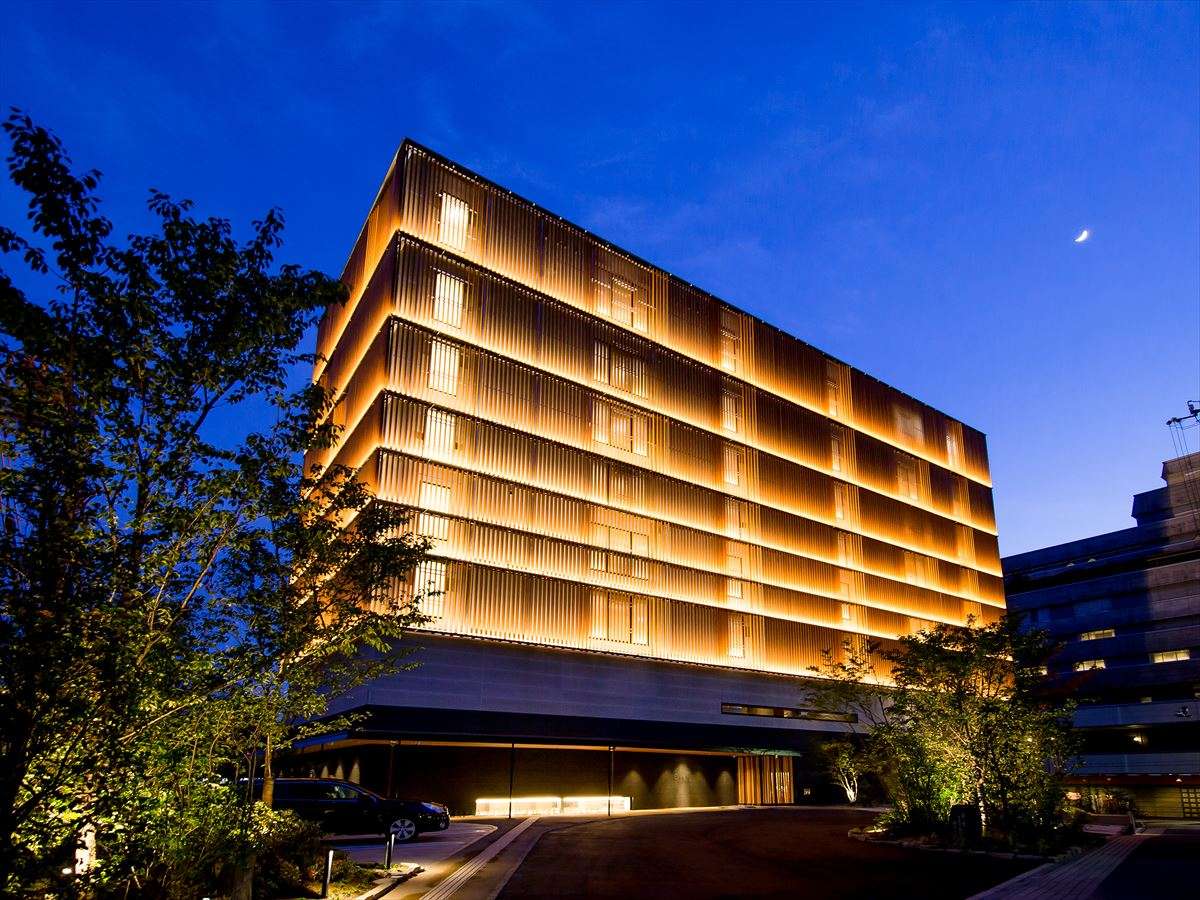
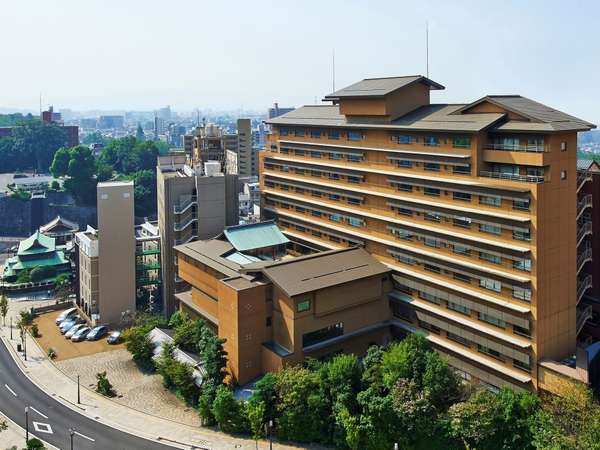
5. 道後館——黑川紀章建築與度假村級溫泉體驗
最適合 建築愛好者,以及希望在同一屋簷下享受最多樣化浴池選擇的賓客——包括可眺望松山城的山丘露天浴池。¥¥¥
概覽 90間客房 · 約$200–$500美元 · 黑川紀章設計 · 距本館步行7分鐘 · 層疊式浴池、按摩浴缸、桑拿、屋頂露天浴池。
- 由享譽國際的新陳代謝派建築師黑川紀章設計,其作品遍佈全球各大城市 [來源已核實 Dogokan 2026-05-25] - 完備溫泉設施:層疊式浴池、躺臥浴、桑拿、按摩浴缸及大型屋頂室外露天浴池 - 7樓9間客房各設獨特庭院私人室外浴池 - 90間客房規模實現了度假村級配套,同時不失精品體驗 - 懷石料理突出愛媛時令食材,備有西式菜單選擇
道後館位於本館地區上方的微微高坡——步行七分鐘可達。建築賣點貨真價實:黑川的新陳代謝派美學以模組化幾何形式呈現,賦予建築在日本所有旅館中獨樹一幟的外觀。對於追求設計底蘊與豐富溫泉設施雙重體驗的賓客,這是道後唯一能兩全其美的住所。
真實不足: 規模大,私密感隨之下降——90間客房意味著寬闊走廊,尤其在入住高峰期。不適合追求寧靜私隱的賓客。
6. 大和屋本店——明治歷史與館內能樂舞臺
最適合 首次體驗旅館的賓客,希望獲得全面的傳統體驗:多樣溫泉、古典表演文化,以及距本館三分鐘的便利位置。¥¥¥
概覽 90間客房 · 約$180–$380美元 · 創立於1868年 · 距本館步行3分鐘 · 館內能樂舞臺(季節性演出)。
- 創立於明治元年(1868年),迄今運營157年 [來源已核實 Yamatoya Honten 2026-05-25] - 道後唯一設有完整能樂舞臺的旅館,季節性為賓客舉辦演出 - 公共浴池引自道後弱鹼性溫泉水源 - 提供和式及洋式房型——對不習慣在地板睡鋪的賓客更為實用 - 距本館步行3分鐘,是本榜位置最優越的三家旅館之一 - 懷石料理強調瀨戶內海鮮,包括愛媛養殖黃尾魚及時令山蔬
大和屋本店以不需要頂級預算的方式,最全面地呈現道後文化遺產的廣度。能樂演出——即便是部分場次或排練觀摩——並非旅遊景點的噱頭,而是在舞臺上定期練習演出。若有可能,請預訂庭院一側的客房。
真實不足: 90間客房規模下,體驗偏舒適而非親密。標準客房類別不提供私人浴室。
7. 道後溫泉八千代——中高檔全客房私人室外浴池
最適合 希望在中高檔價位享有每間客房私人室外溫泉浴池,並可在房間內享用懷石料理的賓客。¥¥¥
概覽 34間客房 · 約$200–$400美元 · 2018年開業 · 距本館步行7分鐘 · 全客房:私人室外浴池+客房內懷石用餐選項。
- 全34間客房露臺均設私人室外溫泉浴池 [來源已核實 各預訂平臺 2026-05-25] - 客房內懷石用餐選項——菜餚送至並在房間內呈上,而非共用餐廳 - 現代日式內裝,鋪設榻榻米,空間寬敞 - 山丘位置使大多數客房享有高處俯瞰 - 2018年開業,全館設施均為現代化配置
八千代與道後美遊是道後2018年同期開業的兩家現代全客房私人浴池旅館。若客房內懷石用餐是優先考量,八千代更勝一籌——在雨夜的道後,菜餚一道道送至客房託盤的體驗,與共用餐廳就餐截然不同,令人印象深刻。露臺浴池根據客房尺寸量身定製,而非改裝而成。
真實不足: 距本館步行7分鐘;山丘位置意味著返程需要上坡。
8. 茶玻璃——屋頂全景浴池與中檔最優性價比
最適合 希望在不支付豪華價格的情況下,欣賞道後最壯觀溫泉景色的中檔旅行者——茶玻璃10樓室外浴池可俯瞰松山城。¥¥
概覽 66間客房 · 約$100–$280美元 · 距本館步行5分鐘 · 10樓屋頂室外浴池 · 道後首家屋頂露天溫泉旅館。
- 茶玻璃是道後首家引入屋頂室外浴池的旅館——10樓露天浴池享有松山市區與松山城270度全景 [來源已核實 Chaharu 2026-05-25] - 66間客房分四個類別,從標準和式房到洋式床鋪均有提供 - 內部設計融入茶道美學風格 - 經由有頂蓋的商業街拱廊步行5分鐘可達本館 - 英語員工可靠,深受外國賓客歡迎
茶玻璃是道後中檔住宿的最優之選,理由只有一個:那座屋頂浴池。日落前仰望西北方的松山城,城市鋪展於腳下——這是道後能夠呈現的最好溫泉景色。館內浴池與懷石料理稱職,本館的近距離與屋頂體驗撐起了整個住宿體驗。
真實不足: 館內浴池(屋頂除外)是標準飯店溫泉品質。追求卓越館內泡湯體驗的賓客應選擇船屋或道後館。
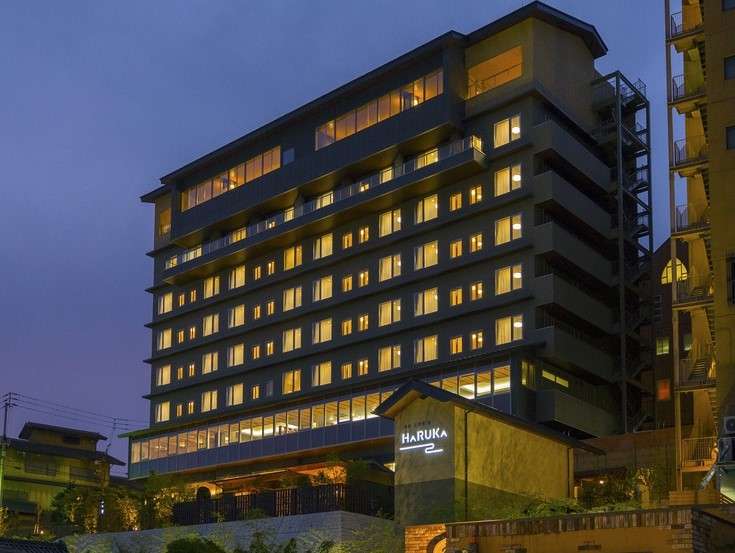
9. 古湧園遙飯店——最近距離(電梯直通本館)
最適合 以本館物理距離為首要考量的賓客——包括行動不便、希望全程有頂蓋直通路線的賓客。¥¥
概覽 84間客房 · 約$100–$300美元 · 2019年改建 · 專用電梯1分鐘直達本館 · 環保設計理念。
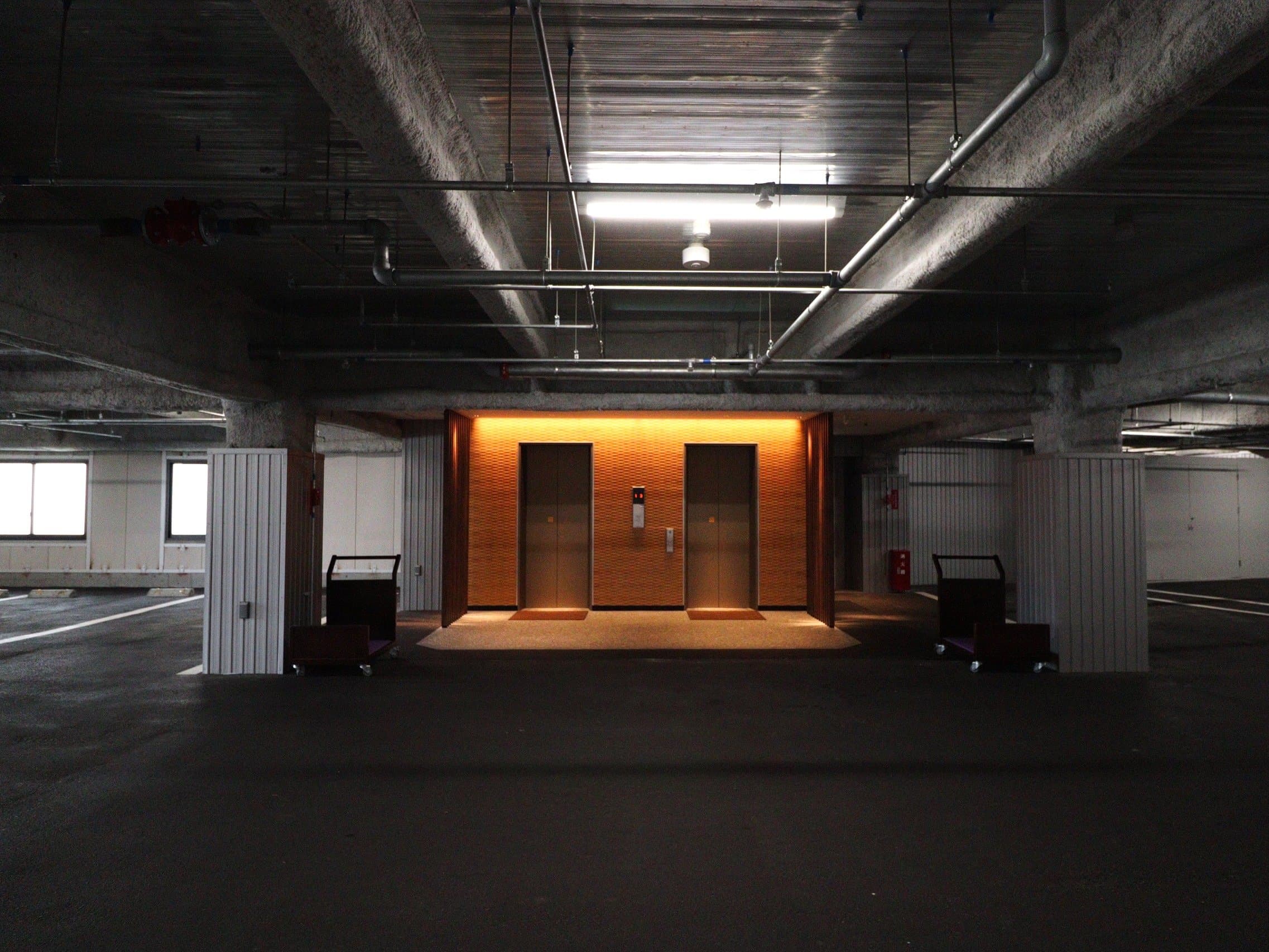
- 以飯店專用電梯與道後溫泉本館獨家直連——道後唯一設有全頂蓋直通通道的住所 [來源已核實 Hotel Kowakuen Haruka 2026-05-25] - 2019年以環保設計理念改建 - 頂層全景浴池,晴日可北望瀨戶內海 - 84間客房,飯店旅館複合品質 - 全館無障礙設計,是行動不便賓客的優質選擇
通往本館的電梯連接是實用便利而非噱頭——雨夜在道後,不出門便能走進1894年浴場,是其他任何住所無法複製的實際優勢。2019年改建意味著設施煥然一新。對於希望最大化本館體驗的賓客——在人流到來前入浴,透過電梯返回——這是後勤上的最優選擇。
真實不足: 規模偏飯店而非精品旅館,體驗更接近設有溫泉入場的設計飯店,而非傳統旅館氛圍。
10. 奧道後一湯之守——遠離喧囂的森林溫泉
最適合 希望在道後地區享受森林靜謐的旅行者——奧道後獨立地區提供了與市區截然不同的氛圍。¥¥
概覽 約$130–$350美元 · 奧道後地區 · 距本館計程車約20分鐘 · 森林溫泉 · 河邊室外浴池。
- 位於奧道後(內道後)地區,是擁有獨立泉源的獨立溫泉區,與主道後泉源不同 [來源已核實 奧道後旅遊委員會 2026-05-25] - 茂密山谷中的河邊室外浴池;與市中心本館地區環境完全不同 - 奧道後泉源溫泉水礦物質組成略有差異——硫磺含量高於主道後泉源 - 最適合將本館參觀與森林度假夜相結合;前往本館需乘計程車 - 比市中心住所明顯更為安靜、人少
奧道後是道後雙泉行程的解答——市中心一夜以便進入本館,森林地區一夜以享山間溫泉氛圍。關於日本溫泉文化中泉質地區的對比,可參考我們的有馬溫泉旅館指南。日本溫泉全貌請見日本各地區溫泉。
真實不足: 本館參觀需要提前計劃而非即興決定;此距離無法穿著浴衣散步前往。
11. 清龍莊——山坡靜謐與天然泉水庭院
最適合 希望體驗傳統家族經營旅館氛圍、天然庭院環境,以及在不支付豪華價格的情況下步行可達本館的賓客。¥¥
概覽 約$110–$260美元 · 距本館步行10分鐘 · 傳統日式庭院 · 家族經營。
- 位於道後地區安靜山坡上的家族經營傳統旅館 [來源已核實 各預訂平臺 2026-05-25] - 配有石燈籠與時令花草的天然日式庭院 - 館內浴池引自道後弱鹼性泉源 - 懷石料理著重本地愛媛食材 - 經由商業街拱廊和主街步行10分鐘可達本館
清龍莊憑借氛圍而非設施取勝——女將親自迎賓,庭院隨季節變換。溫泉水質與庭院環境彌補了規模上的樸實。關於所有公共浴場參觀均適用的溫泉禮儀基礎,在您首次踏入本館之前值得一讀。
真實不足: 設施傳統而非現代;無私人浴室,無屋頂景觀。
12. 鰟鮍本館——本館附近傳統家族經營風情
最適合 希望以中檔價格體驗真正本地旅館——而非自稱旅館的飯店——的旅行者。¥¥
概覽 約$120–$280美元 · 距本館步行6分鐘 · 家族經營傳統風格 · 道後泉水浴池。
- 道後地區具有正宗「おもてなし」待客精神的家族經營傳統旅館 [來源已核實 各預訂平臺 2026-05-25] - 浴池引自道後弱鹼性泉源,規模不大但維護精良 - 懷石料理採用愛媛食材,以傳統客房風格呈上 - 經由有頂蓋商業街步行6分鐘可達本館 - 客房數量少於大型住所,服務更為個性化
鰟鮍本館代表著讓道後溫泉對文化體驗有意願、預算承受有限的旅行者觸手可及的中檔選擇。正是這樣的住所,女將會親自為您解釋應選擇本館哪一入場檔次,以及何時前往人最少——這是大型飯店前臺很難提供的本地知識。
真實不足: 設施樸素;這是中檔傳統旅館,而非設計物業或現代豪華建築。
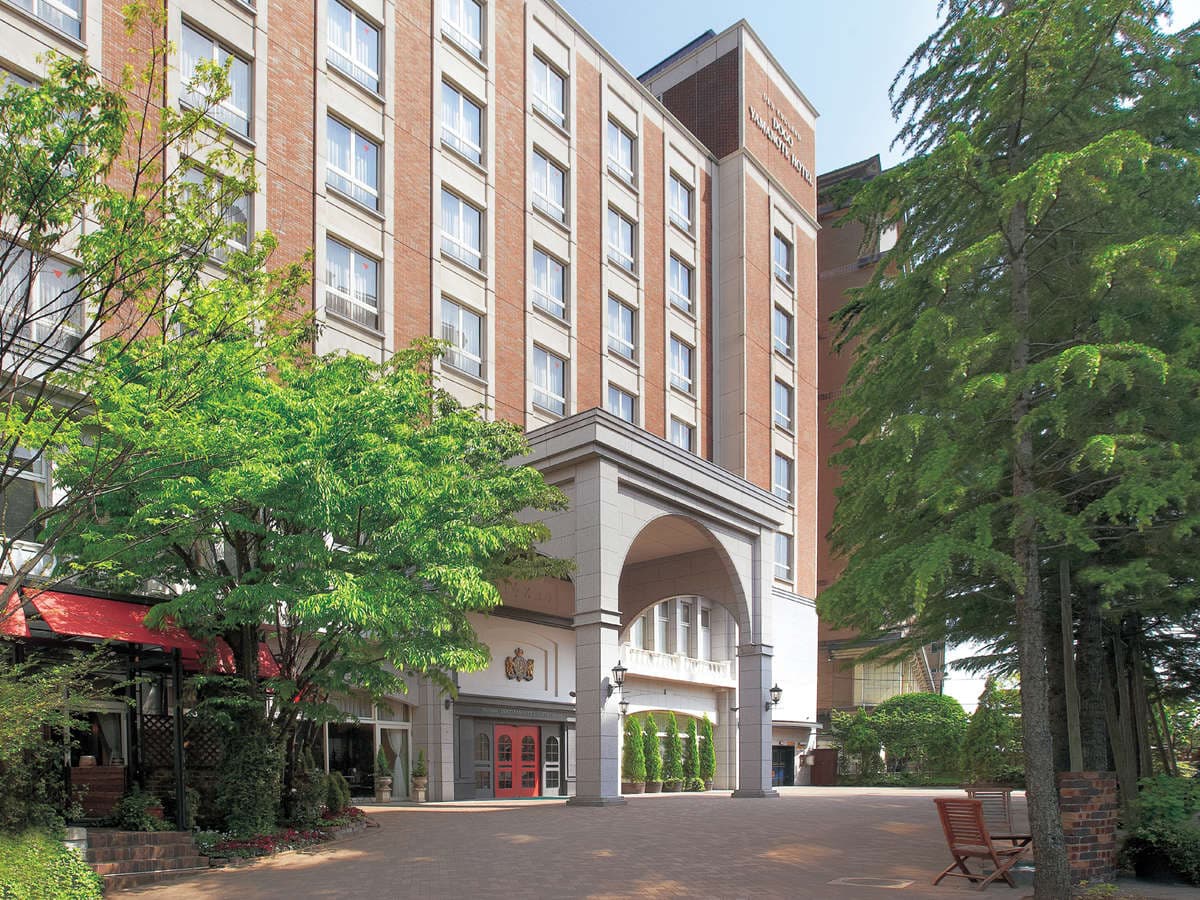
13. 老英格蘭道後山之手飯店——英和折衷歷史風格的經濟選擇
最適合 希望以四分鐘步行享受天然道後溫泉與本館便利,同時感受英式主題內裝這一獨特趣味的預算旅行者。¥
概覽 73間客房 · 約$80–$180美元 · 創立於1885年 · 距本館步行4分鐘 · 洋式客房+道後溫泉浴池。
- 前身為1885年創立的川吉旅館——道後最古老的營業住所之一 [來源已核實 Yamanote Hotel 2026-05-25] - 所有客房為配有床鋪的洋式風格——對不習慣在地板睡鋪的賓客更為實用 - 天然溫泉設施引自道後泉源 - 公共區域呈現英國殖民地風格:明治時代對西洋美學熱情的歷史遺留 - 距本館步行4分鐘,位置確實便利
英式主題與其說是精心打造的內裝設計,不如說是歷史遺產的承繼——明治時代對西方美學的熱忱,在日本溫泉小鎮中確實催生了一些獨特的建築組合。在山之手飯店,英式俱樂部傢俱與和式大浴盆並排而立。對於預算旅行者而言,性價比出色:天然道後泉水、確實便利的位置,以及國際化氛圍。若您是首次體驗旅館,我們的旅館初體驗指南涵蓋了所有須知事項。
真實不足: 本榜中日式傳統氛圍最淡薄的住所。追求正宗旅館氛圍的賓客應選擇中檔以上級別。
14. 道後大飯店——經濟價位大型溫泉設施
最適合 希望以步行距離享有正規大型溫泉設施與本館的經濟旅行者,無需懷石料理配套。¥
概覽 約$70–$160美元 · 距本館步行8分鐘 · 大型溫泉浴池 · 晚餐/早餐可選附加方案。
- 規模較大的溫泉飯店,擁有引自道後泉源的大型公共浴池設施 [來源已核實 各預訂平臺 2026-05-25] - 晚餐和早餐作為可選附加方案——比大多數旅館強制配套全食方案更靈活 - 沿道後主商業街步行8分鐘可達本館 - 適合希望在四國行程中享有接近旅館體驗、但無需完整懷石套餐的一日過客 - 可透過國際預訂平臺以英語預訂
道後大飯店是那些四國行程中在道後停留一晚的旅行者的務實選擇——上午松山城,晚上本館,次日繼續行程。彈性餐飲方案意味著您可以只訂晚餐,在本館公共浴池泡湯,將費用控制在合理範圍內。如需瞭解不過夜即可體驗溫泉的選項,請見日本日歸旅館。
真實不足: 規模偏飯店而非旅館氛圍;不含懷石品質餐飲。
15. 道後溫泉今大浴——本館附近無繁文縟節的經濟基地
最適合 只需一處距本館五分鐘步行的整潔友好落腳處,享有天然泉水且無任何複雜要求的預算旅行者。¥
概覽 約$65–$140美元 · 距本館步行5分鐘 · 小規模 · 天然道後溫泉水 · 親切本地氛圍。
- 距本館步行五分鐘的小型家族經營旅館 [來源已核實 各預訂平臺 2026-05-25] - 天然道後泉水浴池,規模不大但貨真價實 - 通常含早餐,晚餐可選 - 本榜中可享有天然道後溫泉水的最低價格檔 - 可透過國際預訂平臺以英語預訂
今大浴是誠實的預算旅行者的選擇——他們明白道後溫泉本館(現已全面修繕重開)才是沐浴的主角。若您的夜晚將在1894年明治浴場度過,便無需華麗的館內溫泉。優先考量位置與價格,將節省下的費用投入本館¥1,500遊神殿檔位的入場,而非客房設施。關於更廣泛的預算規劃框架,請見經濟旅館攻略。
真實不足: 無豪華設施,旅館本身的英語支援有限。請攜帶日語截圖的預訂詳情。
千與千尋:道後溫泉與吉卜力工作室的淵源
沒有一篇英語文章對此進行了足夠深入的闡述,以下是完整版本。
吉卜力工作室導演宮崎駿於2001年——《神隱少女》(千と千尋の神隱し)製作後期——到訪道後溫泉。在他本人的陳述及電影出版製作史中,宮崎駿將本館建築列為湯婆婆靈異浴場的主要視覺參考——那座主角千尋在精靈之間勞作的迷宮般多層木造建築。三層塔樓、格欞窗戶、高架木廊,以及幾百年來毫無規劃地不斷加蓋而形成的那種感覺——這些元素同時存在於本館與電影浴場中。
這一淵源並非日本國家旅遊局的行銷宣傳,而是有吉卜力自身製作資料及宮崎駿出版採訪為證。宮崎駿2001年到訪時,本館已有107年歷史。木製樓梯結構、外部塔樓上的鯱魚龍屋頂裝飾,以及建築作為生命有機體而非設計物體的那種感覺——這些是直接轉化為《神隱少女》場景的建築特質。
值得注意的是,宮崎駿本人曾表示,沒有任何單一實地地點是湯婆婆浴場的唯一原型——吉卜力的背景創作方式是綜合性的,取材自多個來源。山形縣銀山溫泉藤屋與臺灣九份村也曾被引述為視覺參照。但道後溫泉本館是遊客到達時立即能夠辨認的地方——塔樓、燈籠、木質地板——也是宮崎駿在涉及這部電影時最直接提及的場所。
若您是《神隱少女》的影迷,早晨的神之湯(現¥1,500遊神殿檔位)能為您提供最接近電影沐浴氛圍的體驗:石質地板、木製廊柱、幾乎沒有其他浴客,以及浸泡在皇帝和文學幽靈曾經使用過的水中的那種感覺。吉卜力的淵源是真實的。三千年的沐浴傳統更為真實。
皇室浴室:遊神殿參觀指南
大多數遊覽道後溫泉的旅行者不知道皇室浴室對公眾開放。事實上是開放的。以下是您需要了解的內容。
遊神殿(又新殿)建於1899年,專為明治天皇到訪道後溫泉而建。它是本館上層的私人浴室,與主樓相連但與公共浴室隔絕。天皇到訪後,浴室按原狀保存,至今保留著明治時代的皇室陳設、漆藝和天皇使用過的原始石浴池。
重開後(2024年12月),遊神殿參觀已更新如下:
- ¥1,500入場費包含遊神殿觀覽走廊及玉之湯(上層公共浴池,歷史上供武士階層使用) - 無需提前預約——與標準沐浴入場相同,即走即入 - 不可在遊神殿內沐浴——作為文化遺址保存。從走廊觀覽區欣賞浴室與皇室陳設 - 走廊內允許拍照(浴室內部不可) - 英語語音導覽可透過QR碼獲取,介紹浴室歷史及明治日本皇室溫泉行幸的特定儀式 [來源已核實 Visit Matsuyama 2026-05-25]
遊神殿是日本任何公共溫泉中向外國旅客開放的歷史密度最高的房間。道後至少自聖德天皇(公元574–622年)起便是皇室湯浴勝地,而遊神殿是皇室傳承鏈條中實物留存的房間——以1899年到訪的特定天皇的名字為證,其原始浴池仍在原處。超過1300年的皇室湯浴傳統濃縮於這一口保存完好的石浴缸之中。

如何選擇:按出行目的推薦道後旅館
文化朝聖(本館優先): 古湧園遙飯店(電梯直通);船屋(近距離+歷史分量);大和屋本店(中檔價位最全面傳統體驗)。
皇室歷史與千與千尋深度遊: 船屋——步行即可抵達遊神殿觀覽與神之湯¥1,500檔,旅館本身亦有追溯至明治時代的皇室貴客歷史。
私人露天浴池優先: 別邸 朧月夜——每間套房,純成人制,最高檔次。大和屋別莊提供專屬仲居及部分客房私人浴池。道後美遊或八千代以更低起價提供全客房私人室外溫泉。
懷石用餐優先: 船屋提供豪華檔次的瀨戶內海鮮懷石;大和屋本店提供中高檔全套傳統懷石;茶玻璃提供中檔水準懷石。各道菜餚詳情請見完整懷石指南。
建築與設計: 道後館——黑川紀章新陳代謝派,道後唯一一家擁有全球知名現代建築師作品的旅館。船屋提供江戶時代傳統庭院建築。
經濟價位底線(含正宗道後泉水): 老英格蘭道後山之手飯店約$80起,道後大飯店約$70起,道後溫泉今大浴約$65起。三家均引自天然道後泉源。
獨自旅行: 茶玻璃適合單人入住且屋頂浴池體驗一流。另見最適合獨自旅行的旅館。
前往道後溫泉:從東京、大阪、廣島出發的交通指南
從東京出發: 飛往松山機場(MYJ)約80分鐘。全日空和日本航空每日從羽田(HND)和成田(NRT)運營多個航班。機場巴士直達道後溫泉約50分鐘。這是最快的實際選擇。
另可選擇:新幹線從東京至岡山(約3小時15分,JR Pass適用光號/櫻號),再乘JR四國潮風特快從岡山至松山(約2小時30分,JR Pass適用)。全程約6小時。從東京車站前往旅館的鐵路交通指南詳細介紹了四國JR Pass的使用方法。
從大阪(新大阪)出發: JR潮風從岡山出發是主要鐵路路線。新大阪乘新幹線至岡山(約45分鐘),再乘潮風至松山(約2小時30分)。全程約3小時30分。廉價航空(樂桃)營運大阪伊丹至松山航線,約1小時。
從廣島出發: 瀨戶內海渡輪——松山渡輪從廣島港營運至松山港(約3小時)。這是日本最具觀賞性的海上航線之一,本身便是一種體驗,非常適合廣島—四國行程的一部分。
從松山站至道後溫泉: 少爺列車(伊予鐵有軌電車)從松山站行駛至道後溫泉站前約25分鐘。這輛歷史性蒸汽風格有軌電車以漱石1906年小說中的人物命名——車廂是原少爺時代電車的現代複原版。一日電車通票¥700。道後溫泉電車站可直接進入通往本館入口的有頂蓋商業街拱廊。
從松山機場直達道後溫泉: 機場巴士至道後溫泉本館前站約40至50分鐘,¥790。飛抵松山時最便捷的第一段交通選擇。
道後溫泉常見問題
道後溫泉本館真的有3000年歷史嗎?
道後溫泉場所的沐浴傳統記錄於日本最古老的文字史書《古事記》(公元712年)和《萬葉集》(公元759年),有超過1300年的文獻歷史。「3000年」的說法來自口述傳統與該泉源遺址人類活動的考古證據。現存的本館*建築*建於1894年(明治時代),是日本指定重要文化財產。
本館在修繕後重新開放了嗎?
是的——道後溫泉本館已於2024年12月12日全面重新開放,歷經32億日圓、近五年的結構保護工程。此次修繕復原了1894年明治木構框架,增加了無障礙坡道和多語言設施,並引入英語QR碼語音導覽。本館每日上午6:00至晚上11:00開放,無需預約 [來源已核實 Visit Matsuyama 2026-05-25]。
我可以在皇室浴室(遊神殿)沐浴嗎?
不可以——遊神殿作為文化遺址保存,不提供沐浴。支付¥1,500入場費可從觀覽走廊參觀浴室(包括明治天皇原始石浴池)。走廊內允許拍照。遊神殿自1899年明治天皇到訪以來,從未再用於沐浴。
道後溫泉是千與千尋浴場的原型嗎?
宮崎駿在設計《神隱少女》(2001年)中湯婆婆浴場時,將道後溫泉本館建築列為主要視覺參照。本館並非宮崎駿取材的唯一參照——吉卜力的背景創作是綜合性的——但它是最直接以該電影為由被提及的日本溫泉建築。
道後溫泉首次體驗者的最佳旅館?
大和屋本店——1868年創立,設有大型館內浴池,距本館步行3分鐘,提供和式及洋式房型,可英語預訂。以中檔預算涵蓋了傳統旅館體驗的方方面面。到達前的準備請參閱我們的旅館初體驗指南。
本館日歸沐浴與旅館住宿,哪個更好?
對於首次到訪而言,在本館附近的旅館住一晚明顯優於日歸沐浴。傍晚穿浴衣前往本館、懷石晚餐,以及在人潮到來前的早晨沐浴——這些共同創造了日歸所無法複製的體驗。若必須二選一:入住旅館,並購買¥1,500遊神殿檔位的本館入場券。
最便宜的帶私人溫泉道後旅館是哪家?
道後美遊和八千代均提供全客房私人室外浴池,起價約每房$200。道後館提供九間帶私人庭院浴池的客房,起價約$200。低於這一價格區間,道後的私人浴池便較為罕見——別邸 朧月夜每間套房均設私人露天浴池,但起價$350。
可以從廣島或大阪當天往返道後嗎?
從廣島:技術上可行,透過瀨戶內海渡輪單程約3小時,但在本館的時間極為有限。強烈建議至少停留一晚。從大阪:鐵路單程約3小時30分——日歸在交通層面可行,但較為疲憊。松山城是額外的半日遊景點,與本館結合,一晚住宿的價值顯著提升。
道後溫泉是在日本最容易說服行程加入的目的地——儘管大多數外國行程都略去了它。本館回來了——經過修繕,無障礙齊全,配備英語語音導覽——遊神殿只需在門口支付¥1,500即可進入。旅館街區讓您步行可達3000年日本沐浴文化、啟發《神隱少女》的明治時代建築,以及日本唯一向公眾開放的皇室浴室。這種組合在日本其他任何地方都不存在。
船屋承載歷史。別邸 朧月夜提供私人奢華。大和屋別莊詮釋精緻おもてなし。道後美遊提供現代私人露天浴池。道後館體現建築設計。大和屋本店適合旅館初體驗者。八千代提供中高檔全客房私人浴池。茶玻璃擁有屋頂美景。古湧園遙提供本館直通入場。奧道後一湯之守適合森林度假。清龍莊享有庭院寧靜。鰟鮍本館傳遞家族經營本土情感。山之手飯店是英和折衷的經濟選擇。道後大飯店提供經濟實惠的大型溫泉。今大浴是最低價格檔且臨近本館的選擇。
請購買遊神殿檔位。請在上午8點前到達。穿著旅館提供的浴衣步行回來。*所有價格、營業時間及參觀詳情均於2026年5月25日核實。*
道後溫泉是廣島行程的天然延伸——瀨戶內海渡輪直接連接兩座城市,將和平紀念館與日本文獻記載最古老的溫泉相結合,造就日本歷史層次最豐富的兩地旅行之一。關於日本另一處著名泡湯溫泉小鎮,請見城崎溫泉最佳旅館;關於離大阪最近的著名關西溫泉,請見有馬溫泉最佳旅館;關於道後在四國溫泉版圖中的定位,請見日本各地區溫泉;全國對比請見日本最佳溫泉小鎮。*2026年5月更新。*
準備好預訂了嗎?
從這些精選旅館中預訂
比較三個預訂平臺的即時可用性和價格。
透過預訂連結可能產生佣金,但不會增加您的費用。